What is Cosmetic Surgery?
Cosmetic Surgery And Aesthetic Treatment Options
Cosmetic surgery is a broad field that includes surgical procedures and selected non-surgical aesthetic treatments designed to change or refine appearance. This information is for general guidance only and cannot replace an assessment by qualified clinicians who can review your goals, anatomy and medical history.
Common areas within cosmetic surgery may include:
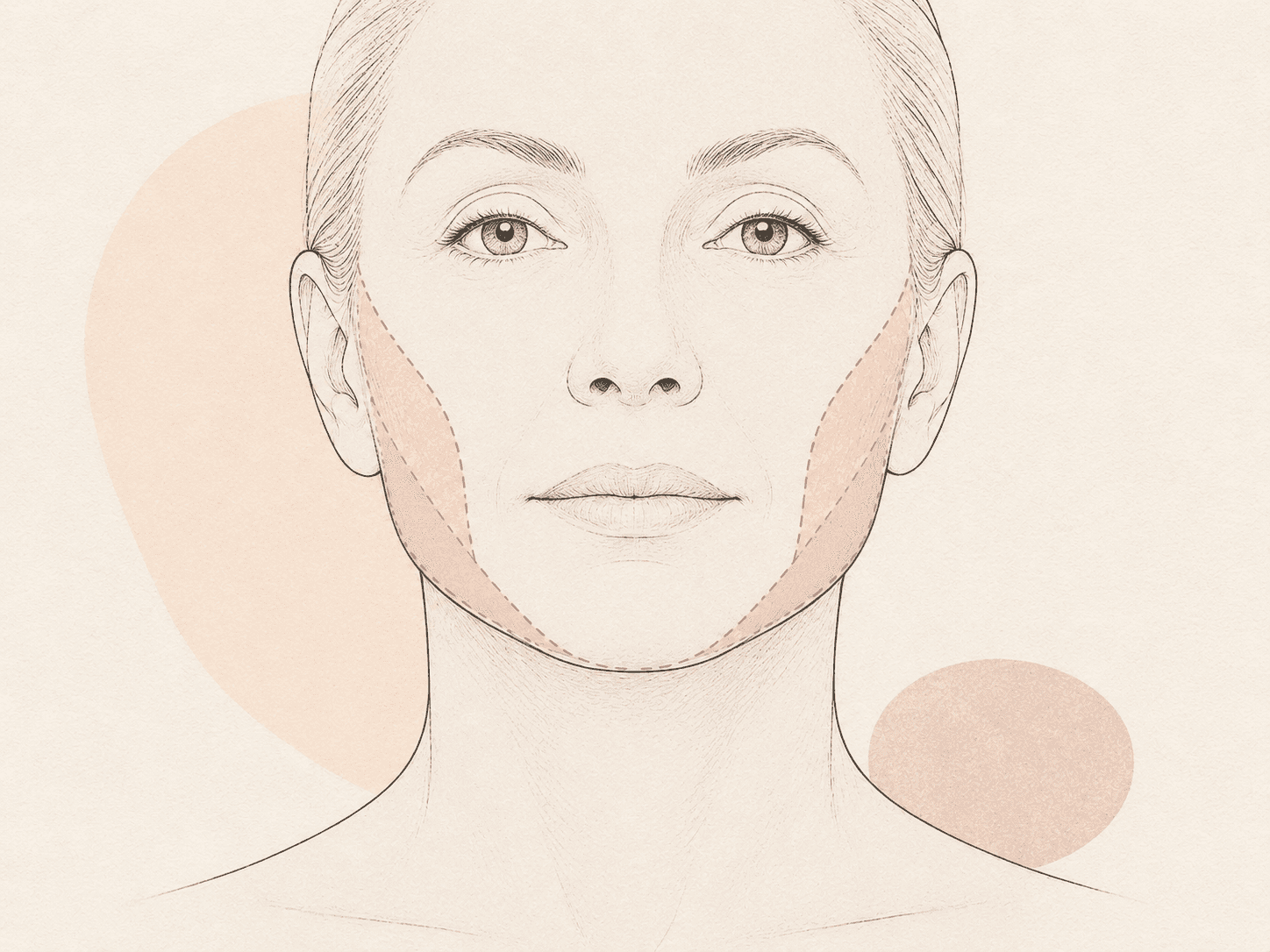
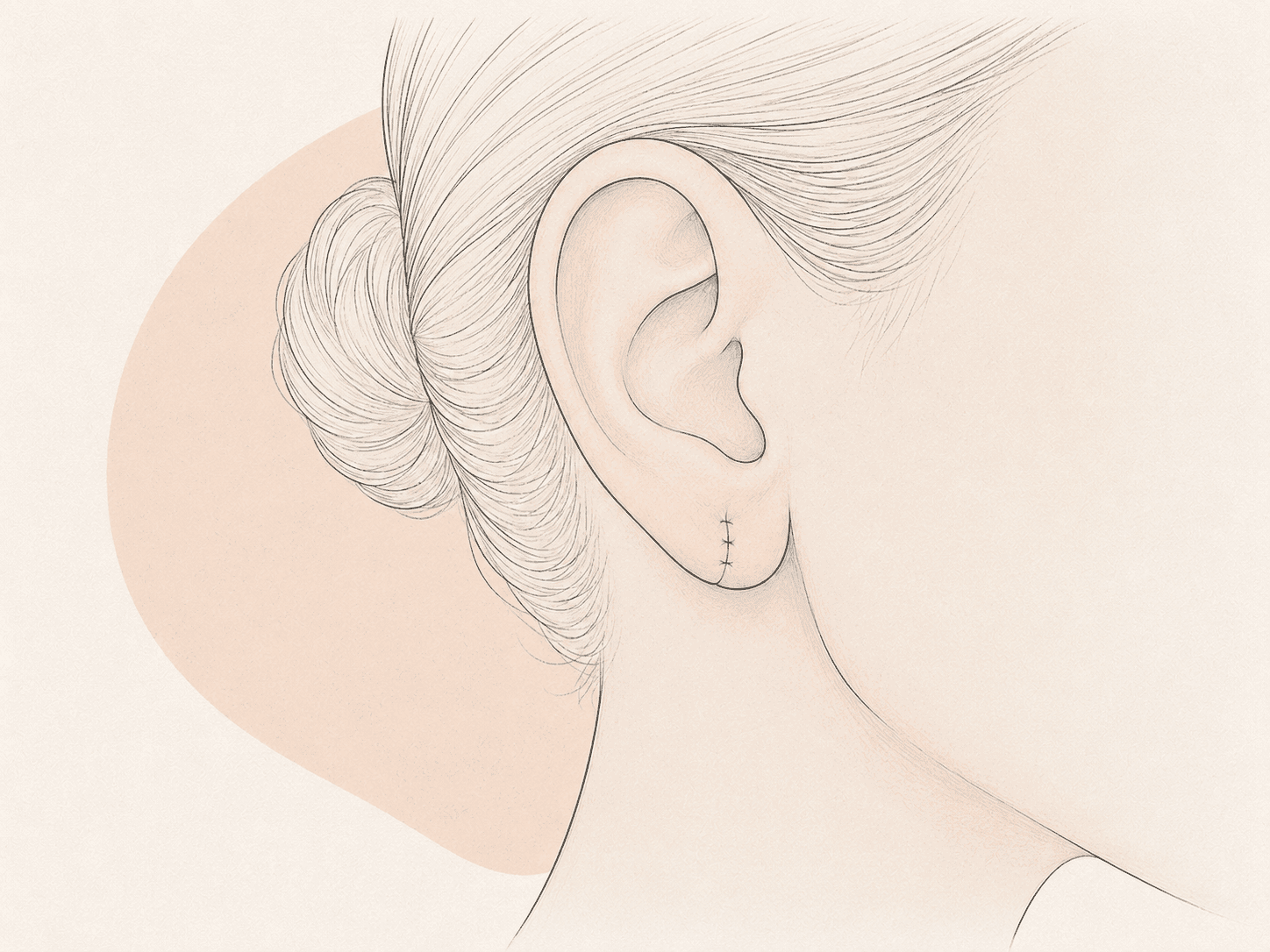
- face and neck procedures such as rhinoplasty, eyelid surgery, facelift techniques or chin and jawline contouring
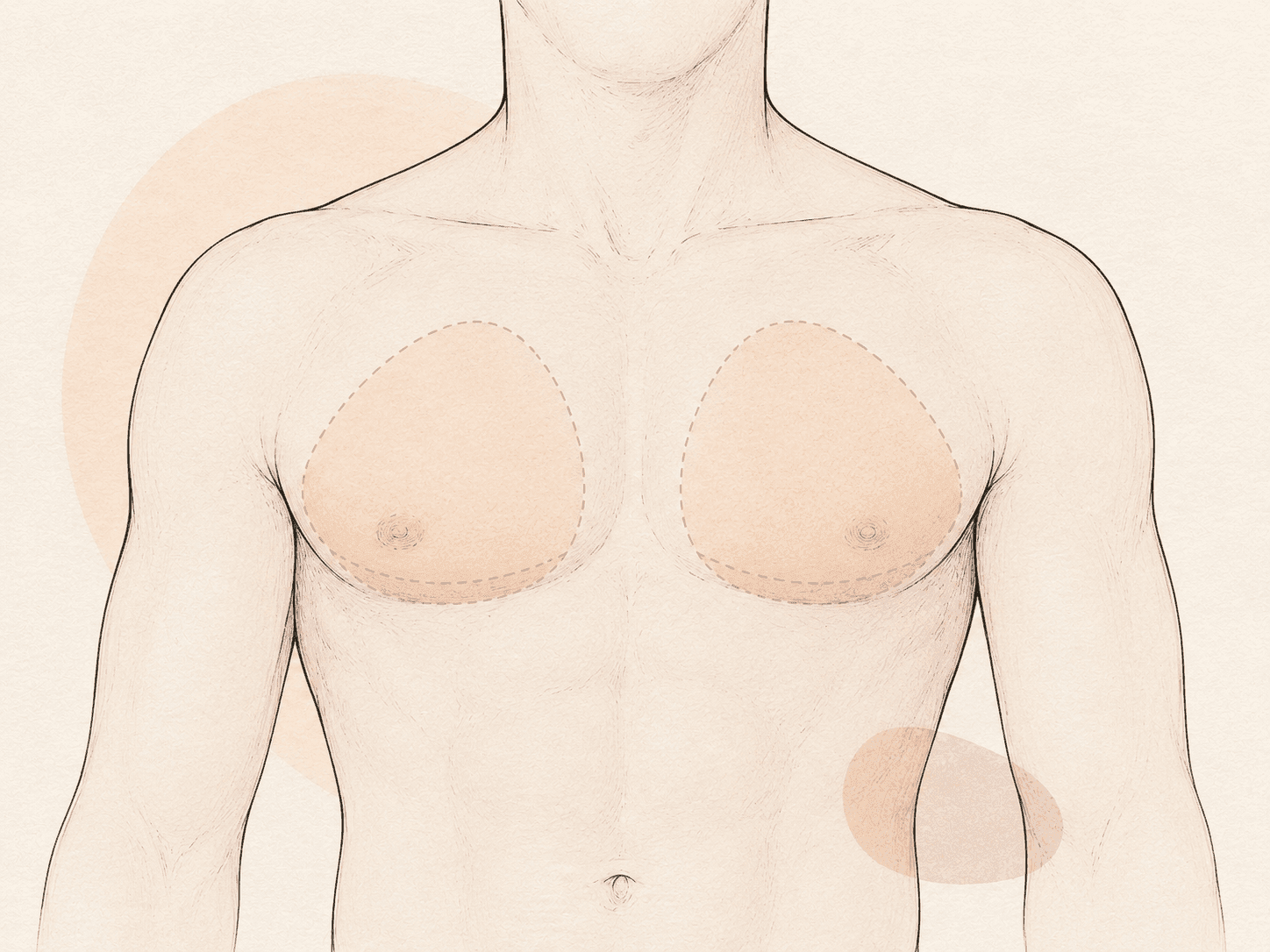
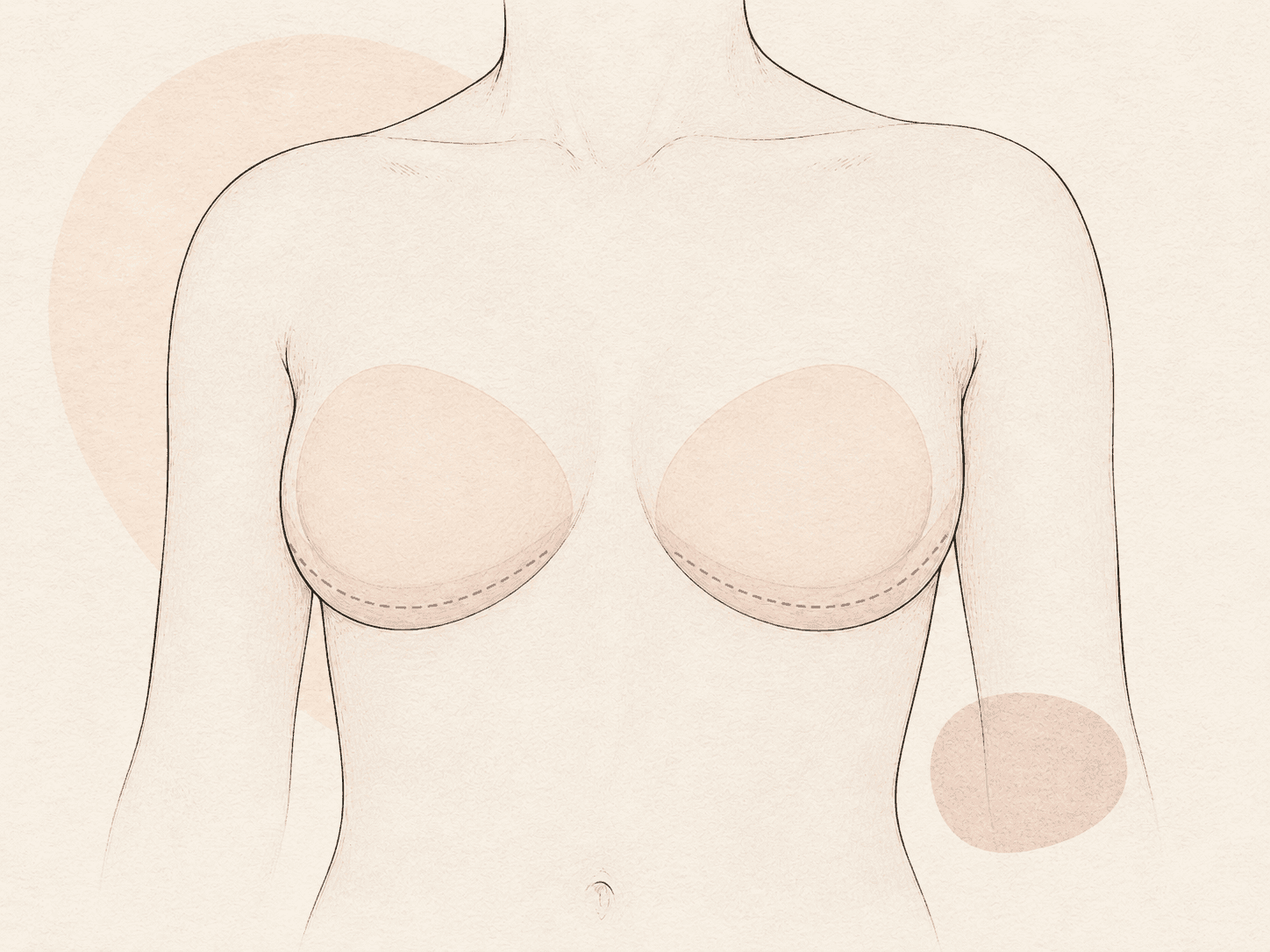
- breast procedures such as augmentation, reduction, lift or revision surgery
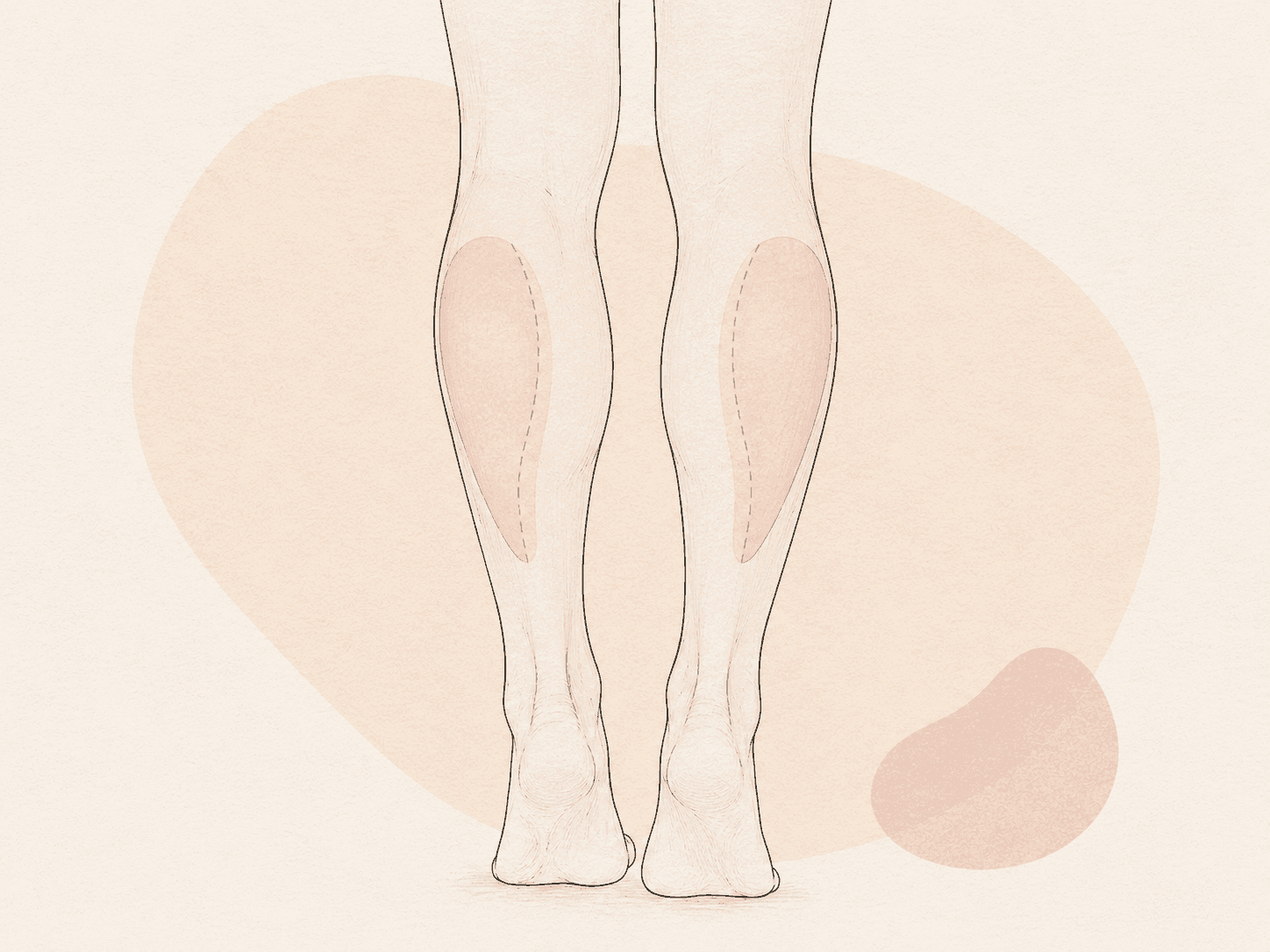
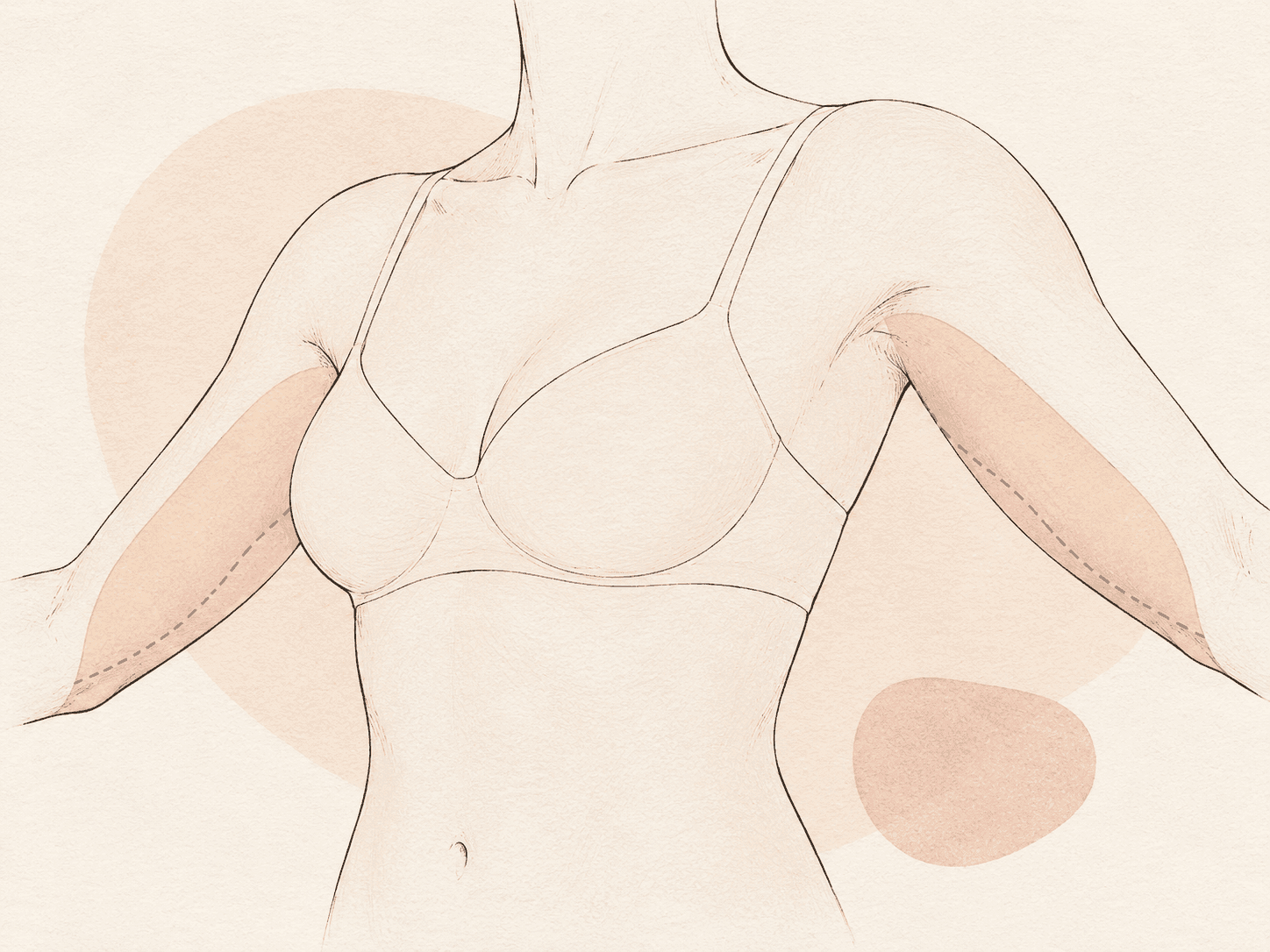
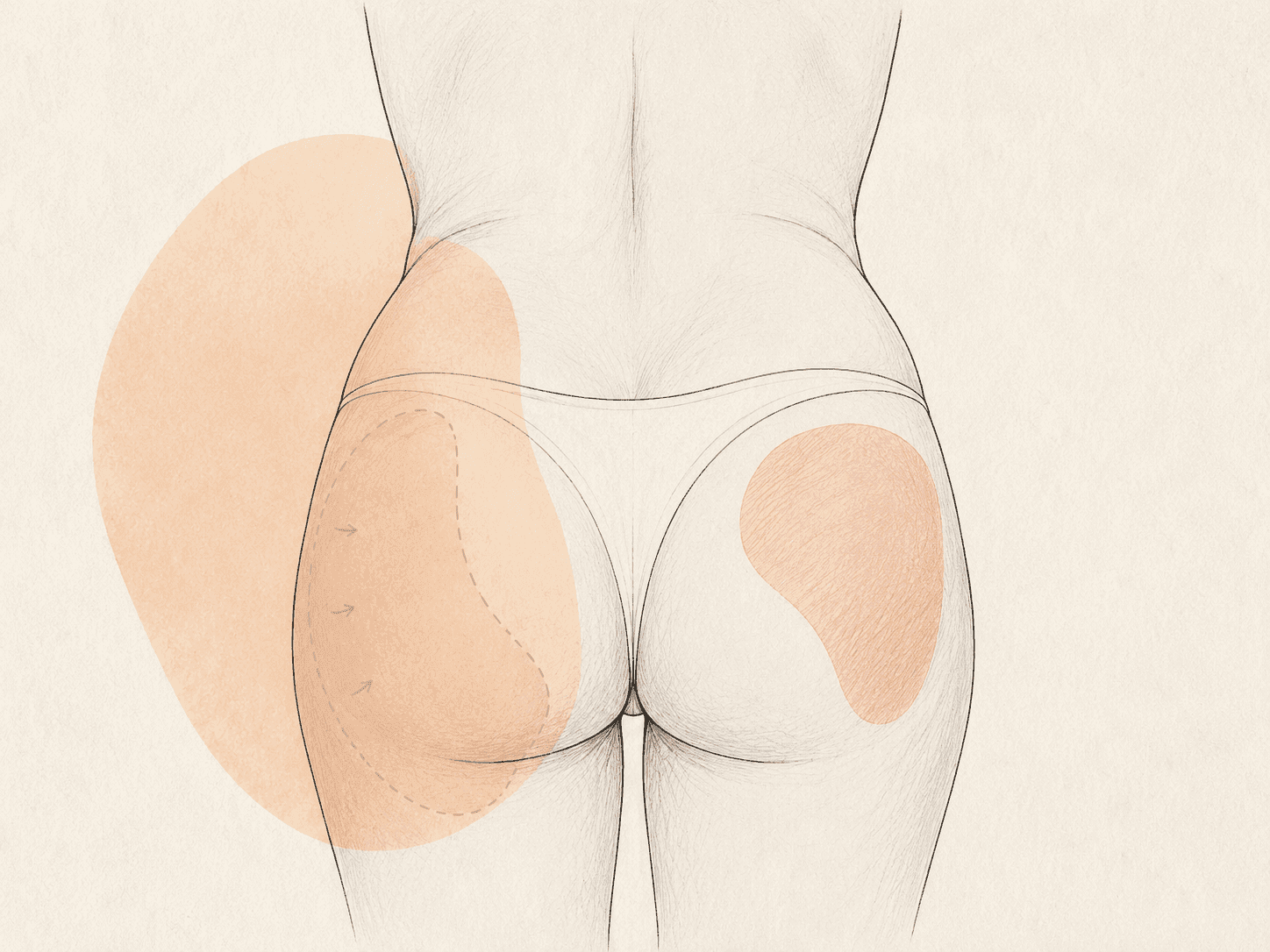
- body contouring such as liposuction, tummy tuck, body lift or arm and thigh reshaping
- skin and soft tissue procedures such as scar revision, fat grafting or lesion removal when appropriate
- non-surgical options such as injectables, energy-based treatments or skin resurfacing in selected cases
Many patients explore cosmetic surgery as part of a wider planning process that may include medical history review, photos or imaging, risk discussion and a realistic understanding of what can and cannot be achieved. In some cases, a non-surgical option, a staged plan or no procedure may be more appropriate.
Cosmetic surgery should be approached as medical care, not as a beauty service. This perspective supports more careful decision-making, especially when treatment is being coordinated across borders.
Why Patients May Consider Cosmetic Surgery
Reasons for considering cosmetic surgery are personal and vary widely. Some people want to address a feature they have thought about for years. Others want to restore body contours after pregnancy, weight changes or aging. Some patients explore revision surgery after a previous procedure did not meet expectations or created functional concerns.
Common goals may include:
- improving balance or proportion in facial features
- addressing sagging skin or volume loss linked with aging
- changing breast size or shape to better match body frame or comfort
- reshaping the abdomen or waistline after pregnancy or major weight change
- improving scars or asymmetry from prior surgery or injury
Before consultation, it can help to define what a realistic outcome means for you. Consider the specific change you hope to see, the trade-offs you may accept such as scars, downtime or activity limits and how you would feel if the result is subtle rather than dramatic. A clinician can also discuss whether your goals may be addressed with one procedure or whether a staged approach may be safer.
How The Cosmetic Surgery Pathway Is Usually Planned
A cosmetic surgery pathway usually includes several steps to assess suitability, plan the procedure and support recovery. The exact process depends on the clinic, surgeon, procedure type and your health profile.
1) Information Review And Initial Screening
You may begin by sharing photos, previous records and a brief medical history. A coordinator may ask about medications, allergies, past surgeries and conditions that could affect anesthesia or wound healing. If information is unclear, it is reasonable to request clinician review before making any commitment.
2) Consultation With A Qualified Clinician
Consultation may take place remotely or in person. This is where you discuss your goals, alternatives, expected changes, limitations and risks. The clinician may recommend a different procedure than the one you first requested or may advise delaying surgery until health factors are better managed.
3) Pre-Procedure Planning
Planning may include lab tests, imaging or medical clearance depending on your health status and the type of anesthesia being considered. You should receive written information about the proposed plan, possible complications, recovery expectations and the support available after discharge.
4) Procedure Day And Immediate Recovery
On the day of surgery, you typically review consent, meet the anesthesia team and confirm the plan. After the procedure, you may spend time in a recovery area or stay overnight depending on complexity. Discharge timing should be based on clinical stability, pain control and clear home-care instructions.
5) Early Follow Up
Early follow up often checks swelling, bleeding, infection risk and wound care needs. If you are traveling for care, ask how follow-up visits are arranged while you are in the destination country and after you return home.
Preparing For Cosmetic Surgery Abroad
Good preparation can reduce uncertainty and support a safer recovery plan. Your clinician should confirm what applies to your case, but these are common planning areas for international patients.
Medical Information And Documentation
- prepare a clear list of medical conditions, previous surgeries and current medications
- share any history of anesthesia problems, clotting issues or poor wound healing when relevant
- gather requested records such as operative notes, implant cards or imaging
Recovery Planning
- allow enough time for early follow-up visits before flying home
- arrange a support person if you may need help with mobility, meals or medication reminders
- pack practical items such as loose clothing, compression garments if recommended, gentle skincare and prescribed supplies
Travel Considerations
- avoid major travel soon after surgery unless your clinician confirms it is appropriate
- ask about flight-related issues such as swelling, mobility and clot-prevention guidance
- keep contact details for your care team easy to access during recovery
If an instruction is unclear, ask for it in writing. Written guidance is especially important when you are recovering away from home.
Cosmetic Surgery Safety And Quality Checklist
Safer planning starts with a qualified team, appropriate facility standards and clear communication. Use this checklist to compare options and organize your consultation questions.
Surgeon And Team Credentials
- confirm the surgeon’s training, board certification where applicable and experience with your specific procedure
- ask who will be present in the operating room and who performs each part of the procedure
- confirm that anesthesia is provided by a qualified professional and ask what monitoring is used
Facility Standards
- verify that the procedure will take place in an appropriately licensed hospital or surgical center
- ask about infection prevention protocols and emergency response capability
- confirm access to higher-level care if complications occur
Informed Consent And Documentation
- request a clear explanation of possible benefits, risks and realistic outcomes
- ask what revision policy exists if results are not as expected, while understanding that revision is not always recommended or possible
- make sure you receive written aftercare instructions and a follow-up plan that continues after you return home
Be cautious if risks are minimized or you feel pressured to decide quickly. A responsible plan should leave space for questions and reflection.
Questions To Ask Before Cosmetic Surgery
Bring questions to your consultation and consider writing down the answers. If language is a barrier, arrange professional interpretation so you can understand the plan, risks and alternatives clearly.
About Suitability And Options
- am I a reasonable candidate for this procedure based on my health history and goals
- what alternatives exist, including non-surgical options or delaying surgery
- what outcome is realistic for my anatomy and skin quality
About The Procedure
- which technique do you recommend for me and why
- where will scars be and how do they usually change over time
- what type of anesthesia is planned and what are the main risks for my profile
About Risks And Recovery
- which complications are most relevant for this procedure and how are they managed
- what warning signs should prompt urgent contact or assessment
- how long should I plan for limited activity, work restrictions and follow-up visits
About Continuity Of Care
- who should I contact after hours if I have concerns during recovery
- how will follow up work once I am back home and what documentation can be shared with my local clinician if needed
- what happens if I need an in-person assessment after I return home
Cosmetic Surgery Aftercare And Follow Up
Aftercare is an important part of cosmetic surgery planning, recovery and safety. Your care team should provide a plan that matches your procedure and travel timeline. Follow your clinician’s instructions and do not assume that advice from social media applies to your case.
Early Recovery Priorities
- rest, hydration and nutrition that supports healing
- wound care, garment use or splint care when prescribed
- mobility guidance to reduce risks linked with inactivity, especially after longer procedures
Monitoring And Red Flags
Ask for a clear list of symptoms that require urgent assessment. These vary by procedure but may include worsening pain, fever, increasing redness, abnormal drainage, breathing issues, leg swelling or sudden changes in vision or sensation.
Longer-Term Follow Up
Swelling and scar maturation can take months and final results may not be immediate. You may need staged follow ups, scar care guidance or changes to activity over time. If you have a local clinician at home, sharing your operative summary and aftercare plan can help them support you if questions arise.
Plan your timeline around recovery, not only the procedure date. Allowing enough time for early follow up and safe travel can reduce stress and support clearer decision-making.
Questions About Plastic and Aesthetic Surgery
Need More Help?
Have questions or need support planning your next step? Cura can help you understand the process and prepare for clinic conversations.