Cervicoplasty and Neck Lift Surgery Explained
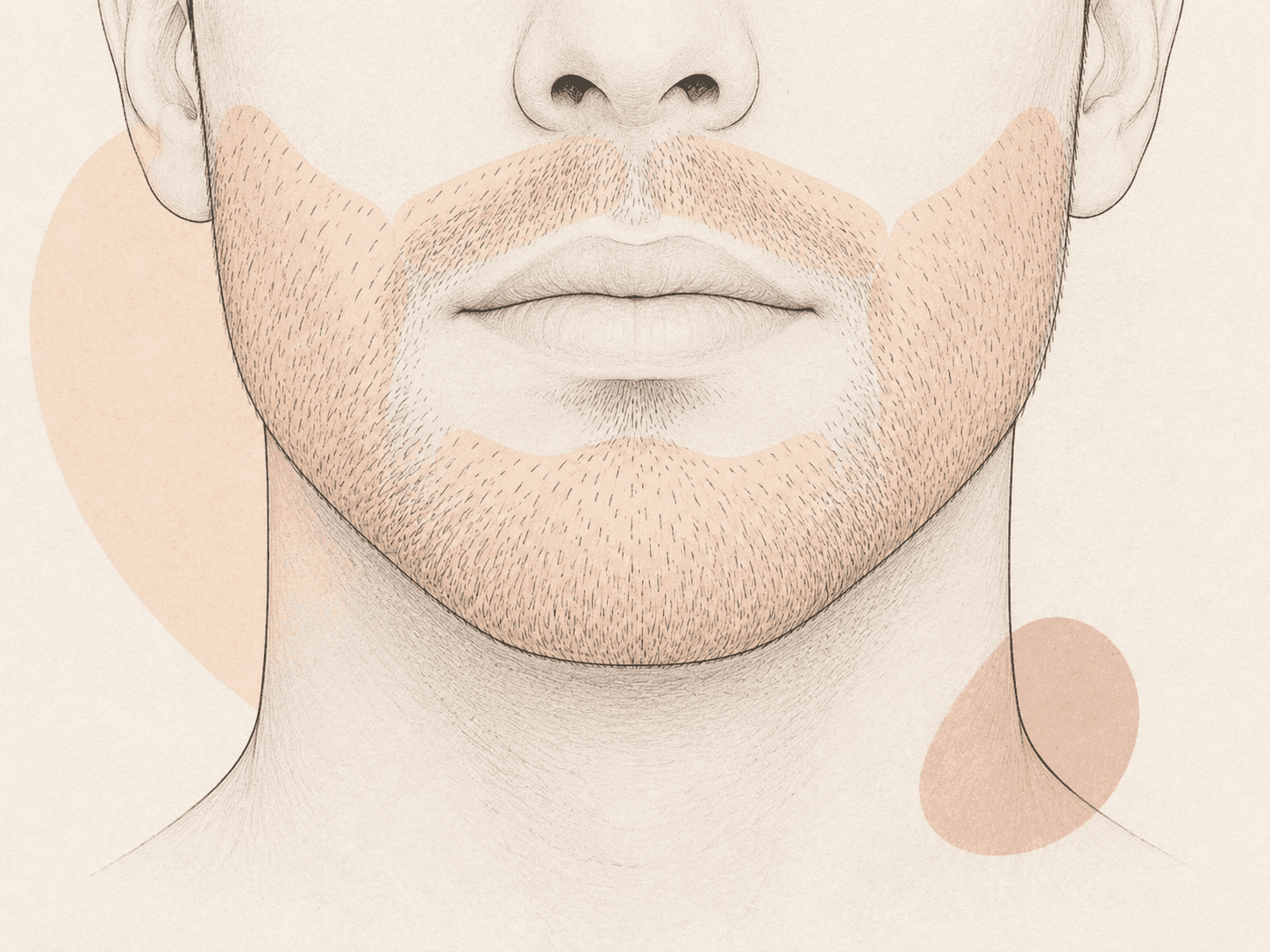
Cervicoplasty is a surgical approach used to improve neck contour by tightening loose skin and, when appropriate, adjusting deeper supporting structures. It is commonly known as a neck lift and may include tightening the platysma muscle, called platysmaplasty, focused treatment beneath the chin, called submentoplasty or targeted fat reduction.
Neck tightening surgery may be considered for skin laxity related to ageing or weight changes, visible neck bands or reduced definition between the jawline and neck. A specialist assessment helps determine whether a stand-alone neck lift may be suitable or whether combining it with a facelift could provide a more balanced treatment plan.
Goals and Possible Benefits of Cervicoplasty
The goals of cervicoplasty depend on skin quality, muscle banding and fullness beneath the chin. Possible improvements may include:
- Creating clearer neck contour and definition beneath the chin
- Reducing the appearance of loose neck skin
- Softening visible neck bands in selected patients when platysmaplasty is included
- Improving the transition between the jawline and neck when liposuction or another technique is appropriate
Results vary according to anatomy, technique and healing. Expected changes, limitations and scar placement should be discussed carefully before treatment planning.
Who May Consider Neck Lift Surgery
A neck lift may be considered when loose skin, visible muscle bands or fullness beneath the chin affects the balance of the lower face and neck. During assessment, the surgeon reviews skin elasticity, separation of the platysma muscle, fat distribution and whether a combined procedure may be more appropriate.
- Adults in generally good health who have realistic expectations
- People with loose neck skin, visible neck bands or fullness beneath the chin
- International patients who can remain abroad for early follow-up and travel clearance
- People who can follow activity restrictions and incision-care instructions during early healing
A qualified specialist must determine whether cervicoplasty, submentoplasty or platysmaplasty is appropriate. Smoking, certain medications and some medical conditions may affect surgical planning, healing and complication risk.
Cervicoplasty Techniques and Surgical Planning
Neck lift techniques are selected according to the main concern, such as loose skin, platysma banding, fullness beneath the chin or a combination of these factors. Incision patterns and the depth of treatment vary, so the surgical plan should be based on a detailed specialist assessment.
Submentoplasty
Submentoplasty is a focused neck lift technique performed beneath the chin. In selected patients, it may address mild to moderate skin laxity or muscle banding through a small incision under the chin, sometimes together with limited fat reduction.
Platysmaplasty
Platysmaplasty tightens or repositions the platysma muscle to reduce visible neck bands and improve the angle between the chin and neck in selected patients. It may be performed through an incision beneath the chin and, depending on the treatment plan, additional incisions behind the ears.
Direct Neck Lift
A direct neck lift removes and tightens skin through an incision placed directly on the neck. It may be considered in specific cases where more direct skin removal is needed, although the possibility of a more visible scar should be discussed carefully.
Neck Lift With Liposuction
A neck lift with liposuction combines tissue tightening with targeted fat reduction beneath the chin or along the jawline when appropriate. Suitability depends on skin elasticity, muscle structure and the location of the fullness.
What Happens During Cervicoplasty
The steps vary according to the selected technique and whether cervicoplasty is combined with a facelift. A typical neck lift pathway may include:
Assessment and Surgical Marking
The surgeon evaluates skin laxity, muscle banding and fat distribution before marking the planned incision sites. This stage also includes discussion of scar placement and the expected extent of tissue tightening.
Adjusting Skin, Muscle and Fat
Depending on the plan, the surgeon may tighten the skin, repair or reposition the platysma muscle, reduce excess fat or combine these steps. The approach is selected to improve contour while preserving natural movement and supporting appropriate healing.
Incision Closure and Dressings
The incisions are closed and dressings may be applied. Some surgeons use temporary drains after more extensive surgery. Follow-up appointments are arranged to monitor healing and manage the removal of drains or external sutures when used.
Anesthesia and Comfort During Neck Lift Surgery
A neck lift may be performed under general anesthesia or deep sedation depending on the extent of surgery and the facility's clinical protocol. Some limited techniques may be carried out with local anesthesia and sedation in selected patients.
Many patients experience tightness, pressure and soreness rather than severe pain. Swelling and bruising are common during early recovery, and temporary numbness may occur beneath the chin or around the ears. The clinical team should provide pain-management and wound-care instructions based on the patient's health history and surgical plan.
Preparing for Neck Lift Surgery Abroad
Preparation for a neck lift abroad should cover medical readiness and practical travel arrangements so that consultation, surgery and early recovery can be coordinated clearly.
Medical Preparation
- Share your complete medical history and details of any previous facial or neck surgery
- Review all medicines and supplements with your surgeon and prescribing clinician before making any changes
- Stop smoking or using nicotine products if advised because they can interfere with healing
- Allow time away from work and social commitments while swelling and bruising improve
Travel and Recovery Planning
- Arrive with enough time for an in-person consultation and pre-operative checks
- Choose accommodation that allows practical access to the clinic for early follow-up
- Arrange support for the first 24 to 48 hours if recommended by the clinical team
- Bring comfortable clothing that does not need to be pulled over the head
Typical Travel Timeline for Cervicoplasty
The travel timeline varies according to the technique, whether liposuction is included and how recovery progresses. International patients should allow enough time abroad for early checks and confirmation that return travel is appropriate.
Arrival and Pre-Operative Visit
Many patients arrive one to two days before surgery for examination, consent and final planning. This visit helps confirm whether cervicoplasty, submentoplasty or platysmaplasty is the most appropriate approach.
Surgery and Early Recovery
The procedure may be completed as day surgery or may require an overnight stay depending on its extent and the clinical plan. Patients should receive written aftercare instructions, including guidance on dressings or a support garment when used.
Early Follow-Up Appointments
Follow-up appointments are usually arranged during the first week. When drains or external sutures are used, their removal depends on the surgeon's protocol and the patient's healing progress.
Planning the Return Flight
The timing of return travel depends on swelling, incision stability and the surgeon's assessment. Many patients plan to remain abroad for about 10 to 14 days, although a longer stay may be advised after more extensive tightening or when closer monitoring is needed.
Neck Lift Recovery and Healing Timeline
Recovery after neck tightening surgery develops in stages and varies between patients. Swelling, bruising and tightness are expected early on, while neck contour and scar appearance continue to change as the tissues settle.
First Week After Surgery
Swelling and bruising are common, particularly beneath the chin and around the jawline. Tightness, mild discomfort and temporary numbness may occur. Some patients are advised to wear a supportive dressing or compression garment for the period specified by their surgeon.
Weeks Two to Four
Swelling usually begins to improve and bruising continues to fade. Many patients can gradually return to desk work and light daily activities during this stage, depending on healing and clinical advice. Firmness around the treated areas may still be present.
One to Three Months
The neck contour often begins to look more settled as residual swelling decreases. Scars may start to soften and changes in sensation can improve gradually. Activity is generally increased step by step according to clinical guidance.
Three to Six Months
Most swelling has usually resolved by this stage, although healing continues. Scars keep maturing and subtle contour changes may develop over time, so the longer-term result is generally reviewed at a later follow-up.
Aftercare and Follow-Up After Cervicoplasty
Aftercare helps support healing, manage swelling and guide scar care while the patient is abroad and after returning home. Instructions should be tailored to the surgical technique, incision locations and individual recovery progress.
Incision and Skin Care
- Keep incisions clean and follow instructions about showering and washing your hair
- Do not apply creams, oils or other products to incision lines unless approved
- Protect healing scars from sun exposure once your surgeon confirms it is appropriate
- Report increasing redness, warmth, swelling or discharge promptly
Activity During Recovery
- Sleep with your head elevated and avoid bending or heavy lifting during early recovery
- Wait for clinical clearance before returning to strenuous exercise
- Avoid forceful neck stretching or massage unless specifically instructed
- Follow the recommended schedule for any prescribed compression garment
Follow-Up After Returning Home
- Request a written surgical summary and clear aftercare instructions
- Arrange remote check-ins to review healing and scar development
- Confirm who to contact if new or concerning symptoms appear after travel
Risks and Possible Complications of Neck Lift Surgery
All surgical procedures carry risks. Cervicoplasty is performed near nerves and blood vessels and may involve muscle repair, which makes careful technique, appropriate patient assessment and structured follow-up important.
More Common Risks
- Swelling, bruising and a feeling of tightness
- Temporary numbness beneath the chin or around the ears
- Visible scars and temporary firmness around incision lines
- Temporary asymmetry while swelling settles
Less Common but Important Risks
- Bleeding or a hematoma that may require further treatment
- Infection
- Delayed wound healing or skin compromise, particularly in people who smoke
- Nerve injury that may cause weakness or altered sensation
- Noticeable scarring or widening of a scar
- Possible revision surgery if contour concerns develop or change over time
When to Seek Urgent Medical Help
Urgent medical assessment is needed for rapidly increasing swelling, significant bleeding, fever, severe or worsening pain, spreading redness or shortness of breath. International patients should receive clear instructions about who to contact while abroad and after returning home.
Planning Neck Lift Surgery in Turkey or Iran
When comparing neck lift surgery abroad, international patients may review surgeon experience, facility standards, communication, anesthesia planning and follow-up before travelling home. A clinic should assess the patient's anatomy carefully, explain the benefits and limitations of each technique and provide a realistic recovery schedule.
Turkey
Turkey has a broad medical tourism infrastructure and many plastic surgery centers that work with international patients. When considering cervicoplasty in Turkey, compare the surgeon's relevant experience, facility standards, anesthesia arrangements, communication process and schedule for post-operative checks. Early follow-up should include monitoring of swelling, incisions and readiness for return travel.
Iran
Iran has established medical training and experience in facial surgery. International patients considering neck tightening surgery in Iran should focus on the quality of consultation, the surgeon's approach to scar placement, the clarity of the treatment plan and the arrangements for follow-up while abroad. Remote guidance after returning home may support communication but does not replace local medical assessment when needed.
Hear From Patients
Patient Reviews
Questions About Cervicoplasty
Need More Help?
Have questions or need support planning your next step? Cura can help you understand the process and prepare for clinic conversations.