What is Hair Transplant and Hair Loss Treatment?
Hair Restoration Options And Long-Term Planning
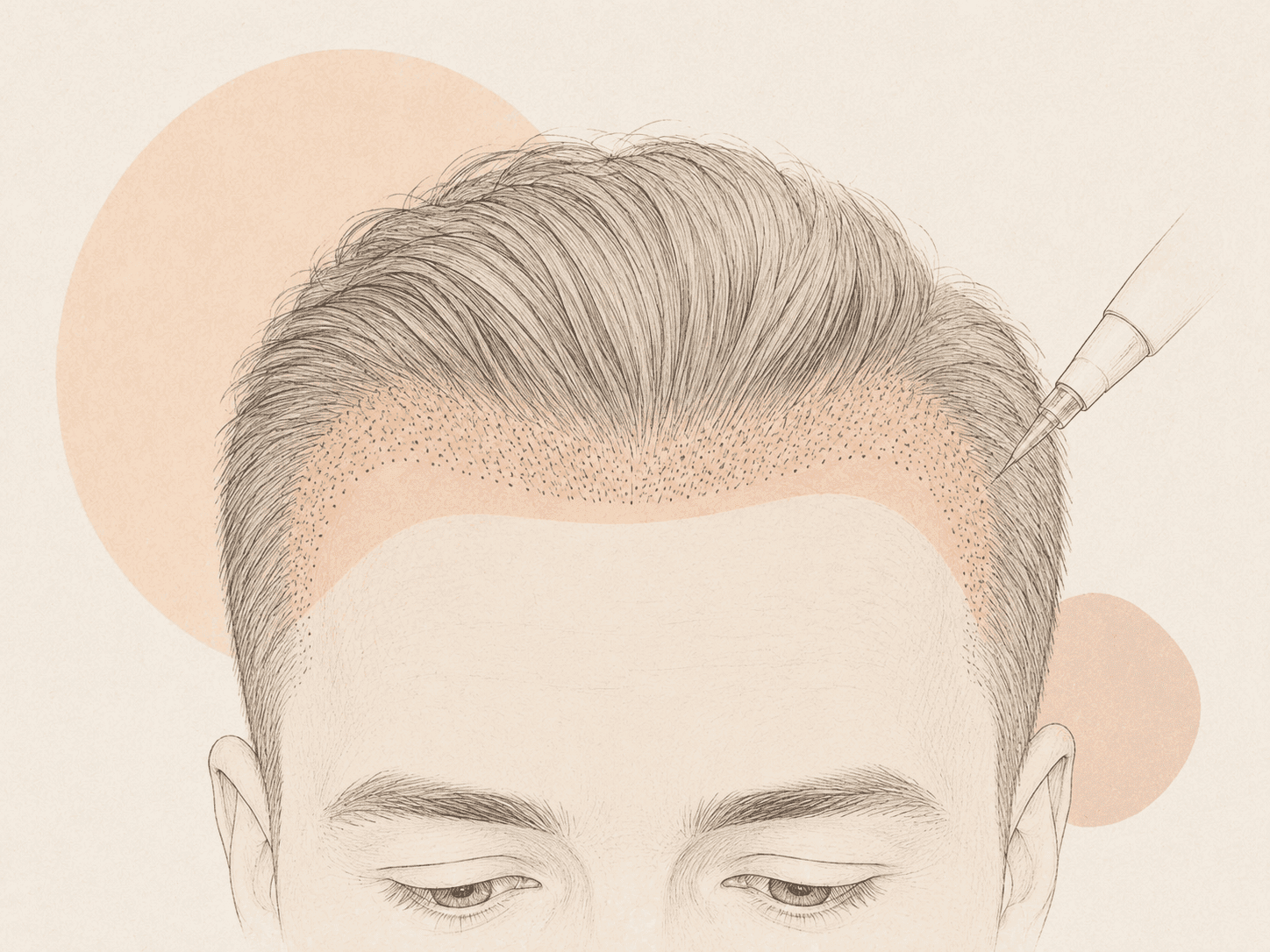
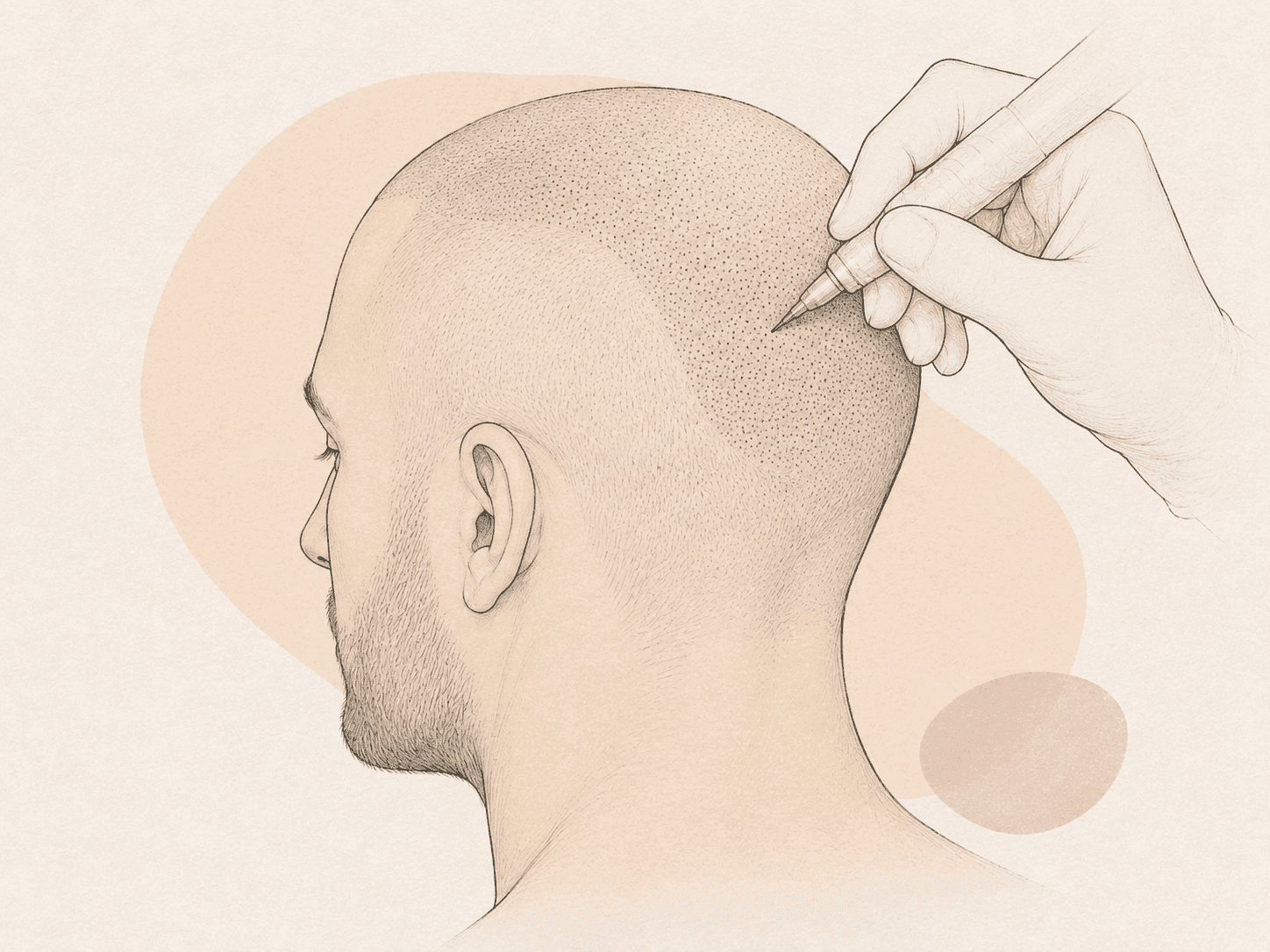
Hair restoration begins with identifying the type and pattern of hair loss, then considering options that may improve density or appearance. These may include surgical hair transplantation and non-surgical approaches that support scalp health or help manage ongoing hair loss. This information does not replace an individual assessment by a qualified clinician who can review your medical history, scalp condition and treatment goals.
Hair restoration planning may include:
- Assessing the type, pattern and stability of hair loss and possible contributing factors
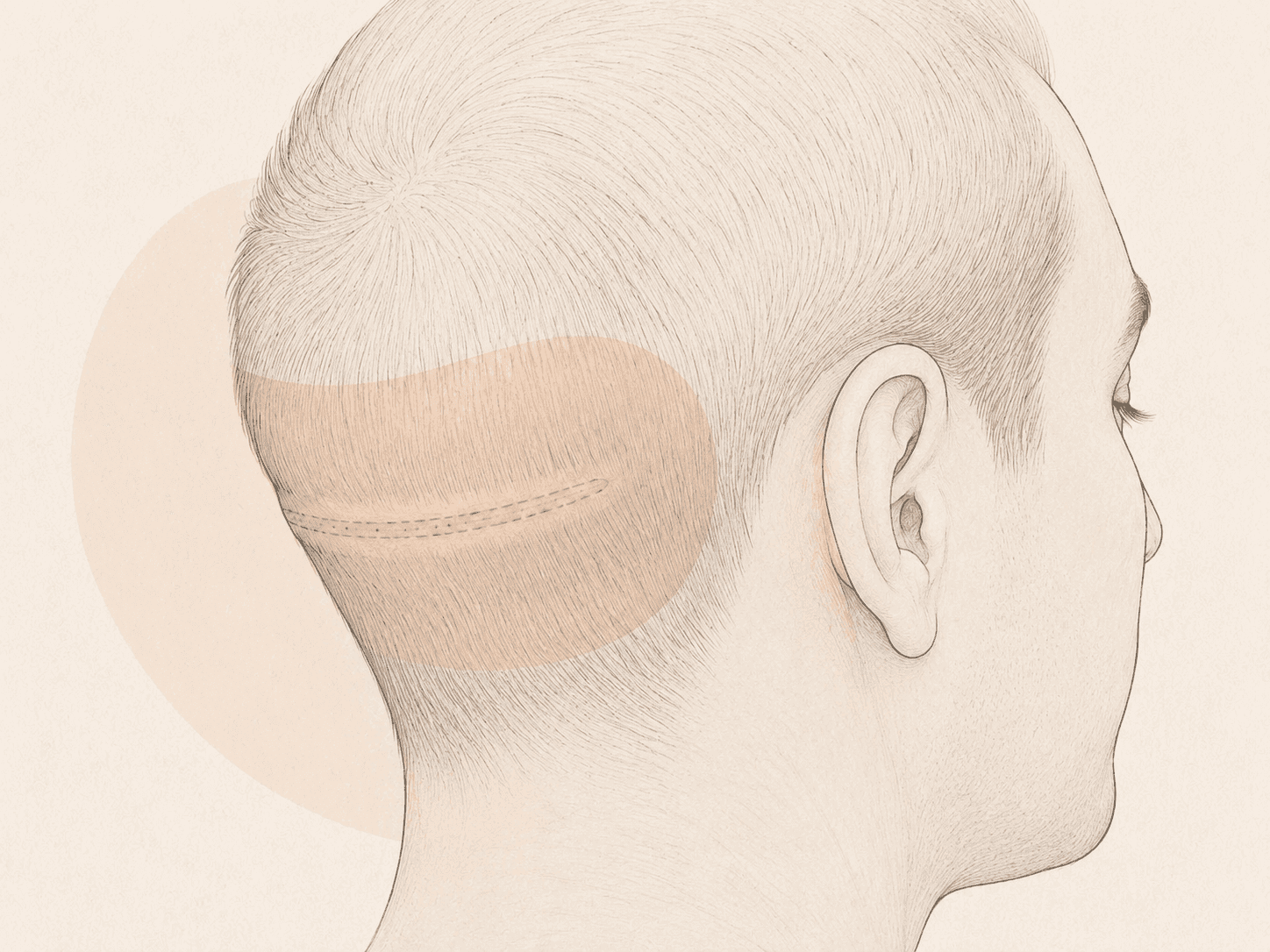
- Moving suitable hair follicles from a donor area to selected areas of thinning through hair transplant surgery
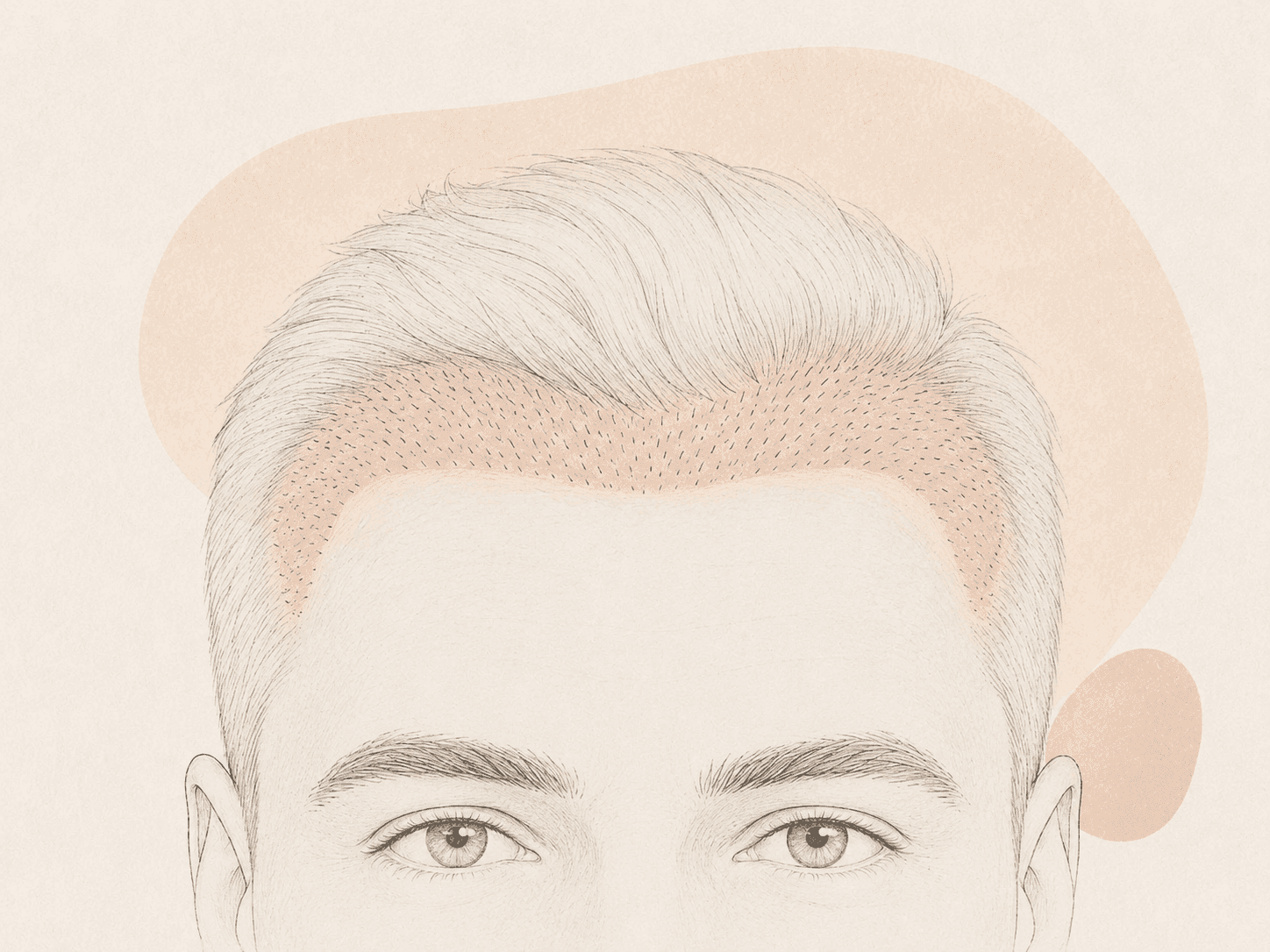
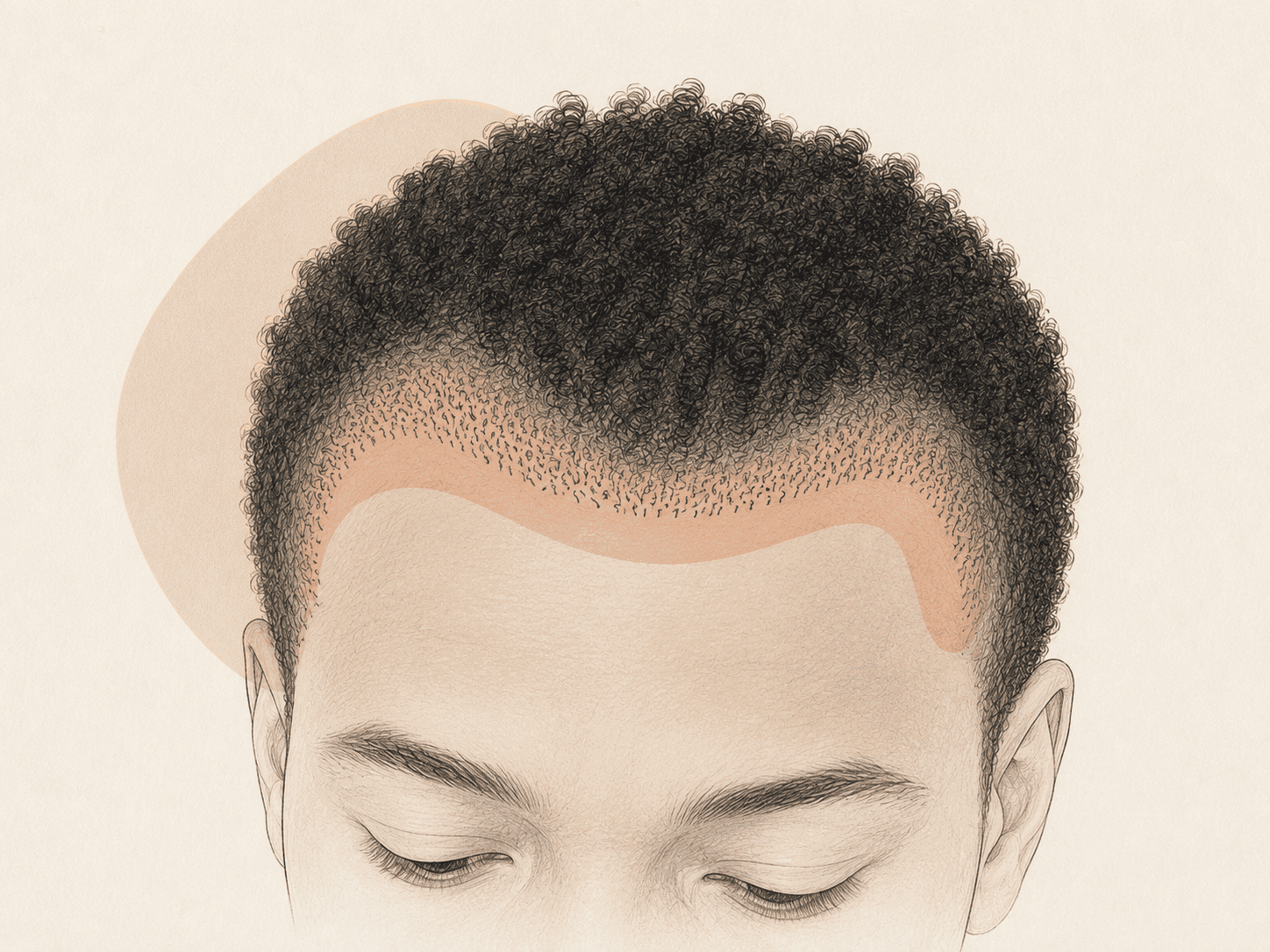
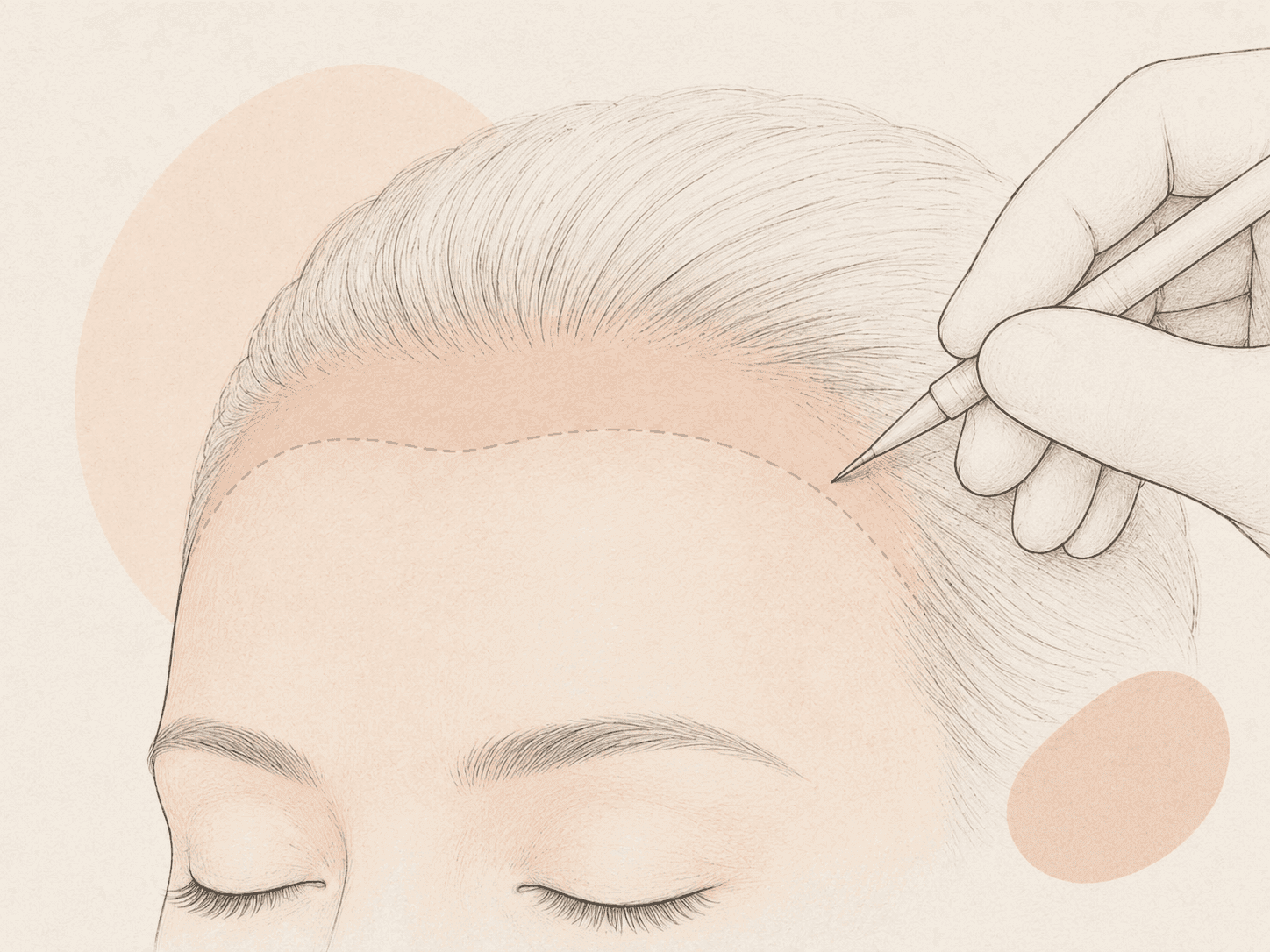
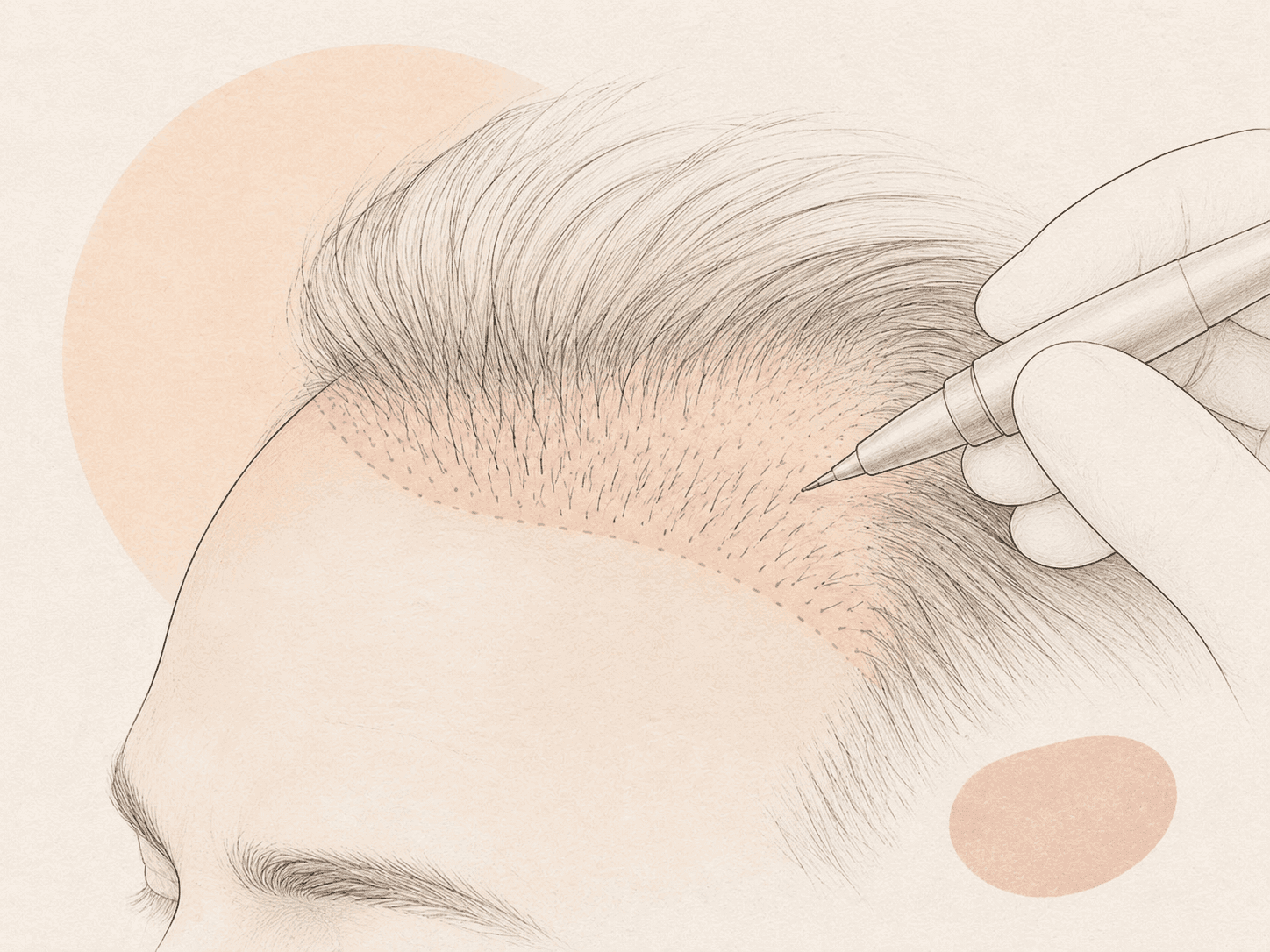
- Designing a hairline and density plan that considers facial proportions and possible future hair loss
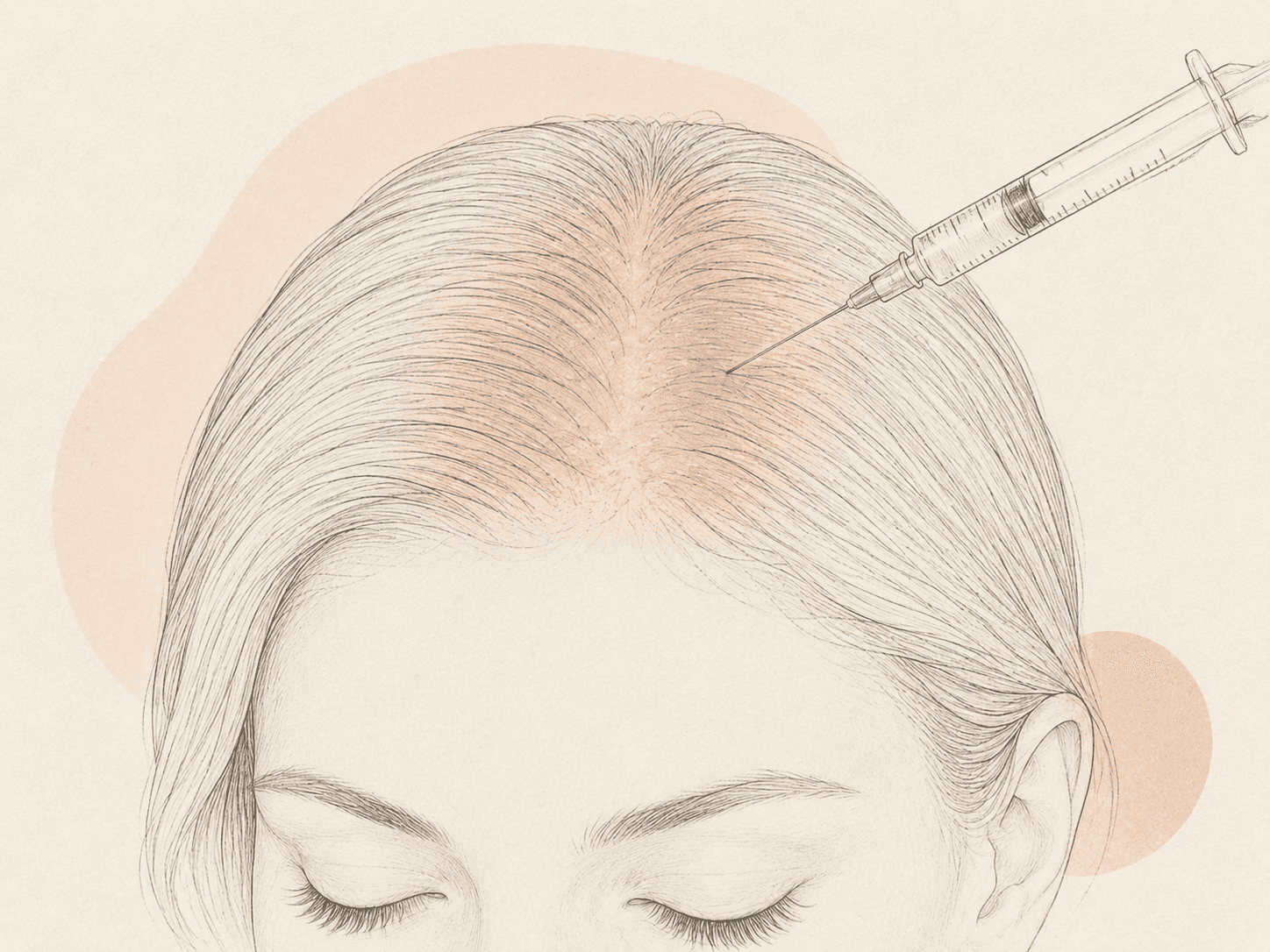
- Discussing supportive scalp care or non-surgical options before, alongside or after surgery
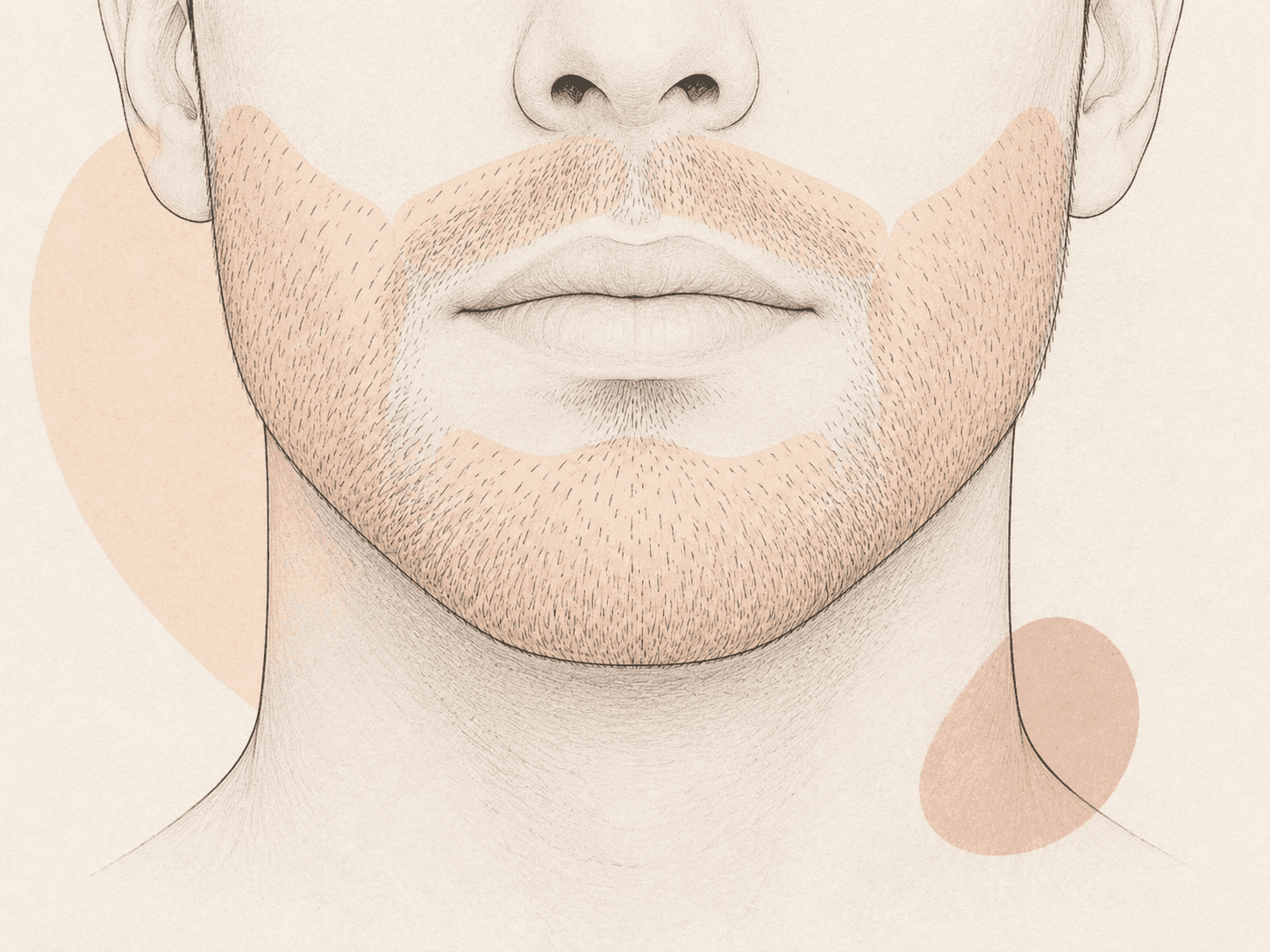
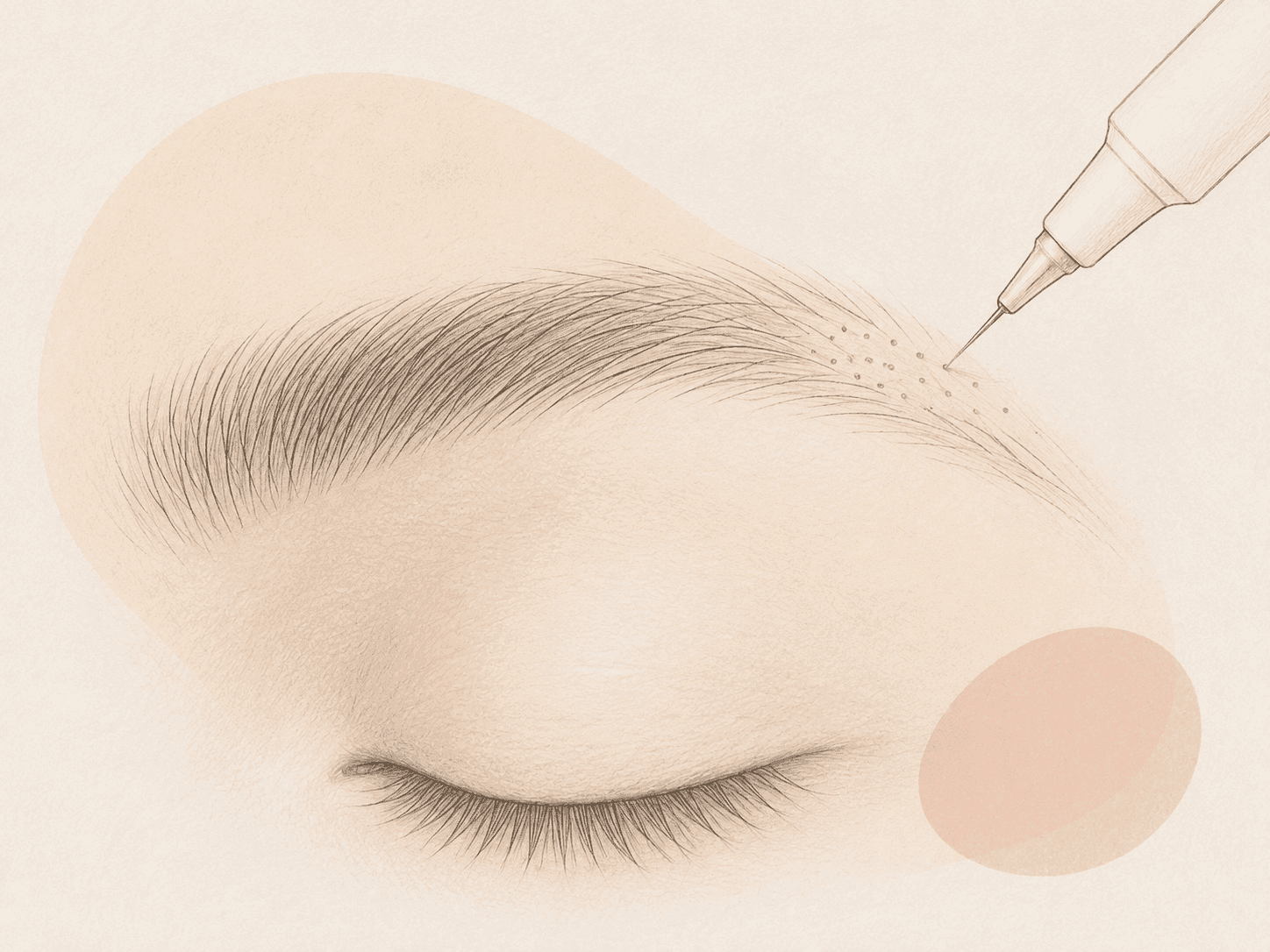
- Considering beard or eyebrow restoration in selected cases when clinically appropriate
A hair transplant is not always a one-time solution. Hair loss may continue in untreated areas and the available donor supply is limited. A responsible plan considers donor preservation, long-term maintenance and whether treatment should be completed in stages. Outcomes vary according to factors such as follicle survival, healing, aftercare and future hair loss outside the transplanted area.
Hair restoration involves medical assessment, a healing period and structured follow-up. Planning for these needs is especially important when treatment involves international travel.
Why People Consider Hair Restoration
People explore hair restoration for different reasons, including gradual thinning, a receding hairline or patchy hair loss that affects appearance and confidence. Some consider treatment for scars caused by injury or previous surgery. Others may seek beard or eyebrow restoration when sparse areas cannot be managed with cosmetic options alone.
Common concerns include:
- A receding hairline or thinning around the temples
- Reduced density at the crown or through the mid-scalp
- Diffuse thinning that makes the scalp more visible
- Scars related to injury or earlier procedures
- Sparse or uneven beard and eyebrow areas
Clarifying your priorities can support a more useful consultation. Your goal may be a natural-looking hairline, improved coverage for styling or camouflage of a specific area. A clinician can explain what may be realistic based on donor hair characteristics, the stability of hair loss and the amount of coverage required.
How The Hair Restoration Process May Work
A typical hair restoration pathway includes initial screening, clinical assessment, treatment planning, the procedure when appropriate and structured follow-up. The exact sequence varies according to the technique, clinic and individual treatment plan.
1) Initial Screening And Medical Review
You may begin by sharing clear photographs and information about when the hair loss started, how it has progressed and whether similar hair loss occurs in your family. A clinic may request laboratory tests or further medical evaluation when symptoms suggest an underlying condition that could affect shedding, healing or suitability for treatment.
2) Consultation And Suitability Assessment
During consultation, a clinician may examine donor area density, hair thickness, scalp health and the pattern of current hair loss. The discussion should also cover how hair loss may progress. Non-surgical management or delaying surgery may be suggested when the pattern is still changing or the donor area is not suitable for the proposed plan.
3) Hairline Design And Graft Planning
Planning may involve identifying the treatment areas, reviewing possible hairline shapes, estimating graft requirements and discussing realistic density. A balanced plan should address current priorities while protecting enough donor hair for possible future needs.
4) Procedure Day And Early Healing
Before the procedure, the team should explain anesthesia, comfort measures, positioning and expected steps. Many hair transplant procedures use local anesthesia, with sedation considered in some treatment plans. Early recovery usually involves protecting the grafts, managing temporary swelling and following detailed washing and sleeping instructions.
5) Follow-Up And Hair Growth Stages
Early follow-up allows the care team to review healing and reinforce graft protection instructions. Visible growth develops gradually and varies between patients and techniques. Transplanted hairs may shed during the first stage while the follicles remain in place and move through their natural growth cycles. Your clinician should explain expected changes and signs that require medical review.
Preparing For Hair Restoration Abroad
Careful preparation can reduce avoidable difficulties and support a more organized recovery. Your clinician should provide instructions based on your medical history and planned treatment, but international patients may need to consider the following areas.
Medical History And Lifestyle Information
- Prepare an accurate list of medications, supplements and known allergies
- Share any history of bleeding problems, clotting conditions or reactions to anesthesia
- Discuss smoking, vaping or nicotine use because these may affect circulation and healing
Travel And Early Recovery Planning
- Allow enough time for early follow-up checks before travelling home
- Avoid planning strenuous activities immediately after the procedure
- Plan how to protect the scalp during travel, including sleep position and avoiding pressure on grafts
Practical Packing
- Bring loose, front-opening clothing that can be changed without rubbing the scalp
- Pack aftercare products only as advised by the treating team
- Prepare appropriate sun protection and follow guidance about direct sun exposure
Request written aftercare instructions before travelling. Clear information about washing, sleeping, medication and activity restrictions can reduce confusion during the early healing period.
Hair Restoration Safety And Quality Checklist
Hair restoration results are influenced by clinical assessment, treatment planning, team experience and aftercare. The following questions can help international patients compare clinics and understand how safety and continuity are managed.
Clinical Oversight And Team Responsibilities
- Confirm who performs the hairline design, follicle harvesting and graft placement
- Ask about the training and experience of each professional involved in the chosen technique
- Confirm that a qualified clinician is responsible for assessment, consent and medical oversight
Donor Management And Treatment Planning
- Ask how donor density is measured and how excessive harvesting is avoided
- Confirm that the proposed hairline considers facial proportions, age and future hair loss
- Request a clear explanation of expected coverage, density limits and areas that may respond less predictably
Infection Prevention And Facility Standards
- Ask how instruments are sterilized and how infection prevention procedures are managed
- Confirm what monitoring is provided during the procedure, particularly when sedation is planned
- Clarify how complications or urgent concerns would be assessed and managed
Aftercare And Continuity Of Support
- Confirm the follow-up schedule during your stay and what must be checked before departure
- Ask who will answer medical questions after you return home and how urgent concerns are handled
- Make sure written instructions cover washing, medication, activity limits and graft protection
Be cautious of guaranteed density, instant growth or unusually fast recovery claims. Responsible providers explain uncertainty, possible risks and the time needed to evaluate hair growth.
Questions To Ask Before Hair Restoration Treatment
Preparing questions can help you understand candidacy, technique choices and long-term planning. When interpretation is needed, confirm that medical terms and consent information will be translated accurately.
Questions About Suitability
- What type of hair loss do I have and does it appear stable enough for transplantation?
- Is my donor area suitable and what limitations should I understand?
- Should I consider non-surgical management before or alongside a transplant?
Questions About The Treatment Plan
- How will the hairline shape and target density be planned?
- What graft range are you considering and what level of coverage may be realistic?
- Which technique are you recommending and why may it suit my situation?
Questions About Risks And Recovery
- What complications are possible and how would they be managed?
- Which symptoms should prompt urgent contact after the procedure?
- What restrictions apply to washing, exercise, hats, sleeping and travel?
Questions About Long-Term Hair Loss
- How may my existing hair loss progress over time?
- What maintenance or follow-up may be needed during the first year?
- How would you decide whether an additional procedure is appropriate later?
Hair Transplant Aftercare And Follow-Up
Aftercare helps protect newly placed grafts and supports normal healing. Your clinician should provide instructions that reflect the procedure used and your travel schedule. General information cannot replace the directions provided by your own care team.
Early Graft Protection
- Protect treated areas from rubbing, pressure and accidental impact
- Follow washing instructions carefully and avoid scratching or removing crusts
- Limit strenuous activity for the period recommended by the treating team
Warning Signs That Need Medical Review
Ask your clinician for a written list of symptoms that require prompt assessment. These may include increasing pain, spreading redness, fever, discharge, unusual bleeding, marked facial swelling or any sudden change that causes concern.
Follow-Up And Realistic Growth Expectations
Healing and hair growth develop gradually and vary from one patient to another. Several months may be needed before progress can be assessed meaningfully. The appearance may change during temporary shedding and later regrowth. Attend recommended follow-up appointments and contact the clinical team when a change is unclear or concerning.
Plan your stay around early recovery and follow-up, not only the procedure date. Allowing time for clinical checks before travelling home can support safer decision-making and clearer aftercare.
Questions About Hair Restoration
Need More Help?
Have questions or need support planning your next step? Cura can help you understand the process and prepare for clinic conversations.