Buccal Fat Pad Excision And Cheek Contouring Explained
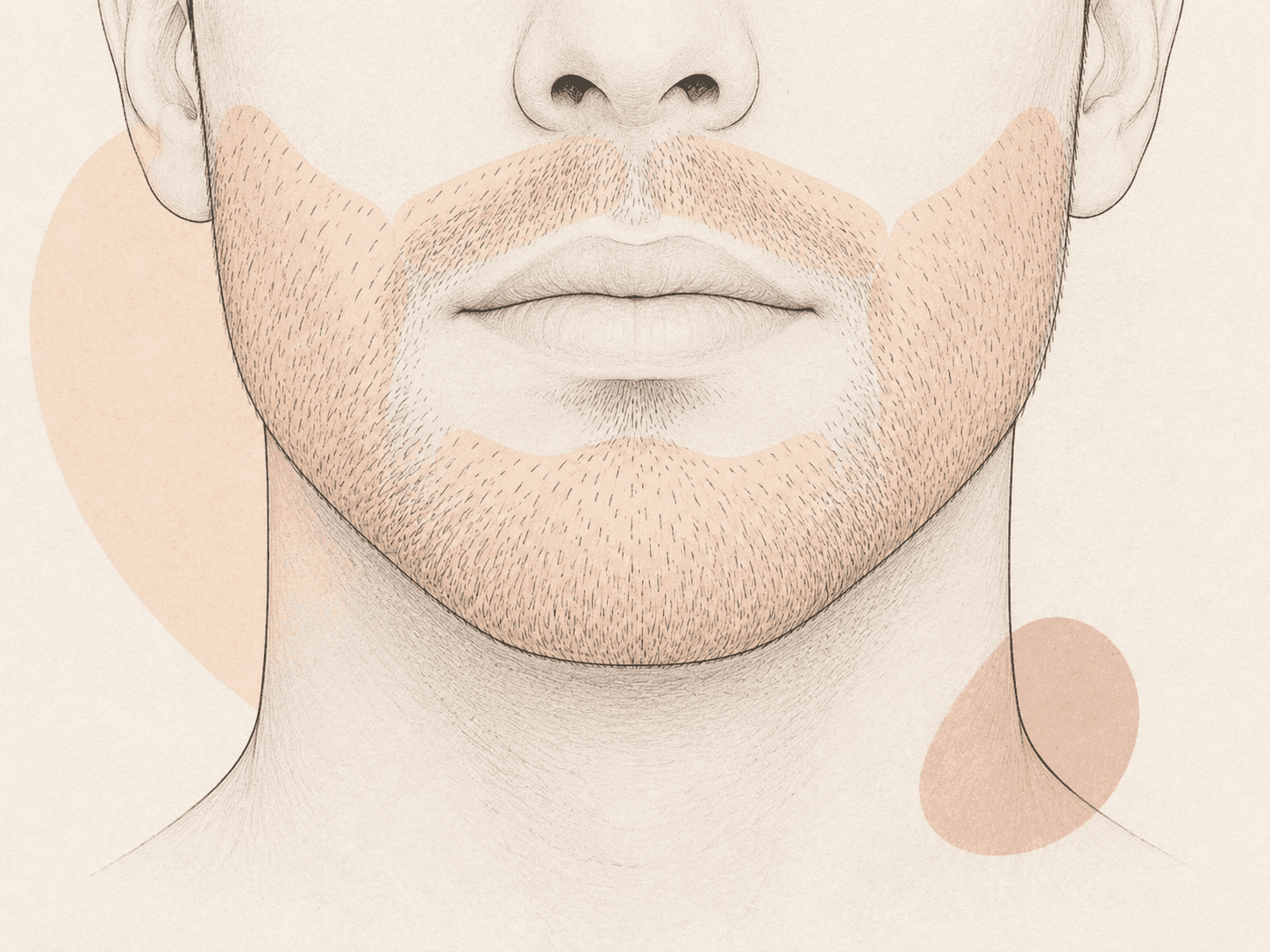
Buccal Fat Pad Excision is a cosmetic cheek contouring procedure that removes part of the buccal fat pad to reduce fullness in the lower cheeks and create a more defined facial contour. It is usually performed through a small incision inside the mouth, which generally avoids an external facial scar.
Buccal fat removal is not a weight-loss treatment and does not address general facial swelling. The aim is a measured change that suits the patient’s facial proportions, skin quality and likely pattern of facial aging.
Possible Goals And Limits Of Buccal Fat Removal
With suitable patient selection and a conservative treatment plan, buccal lipectomy may:
- Reduce visible fullness in the lower cheeks
- Create a more defined contour through the middle and lower cheek area
- Improve cheek-to-jawline definition in selected patients
- Support facial balance when buccal fullness is a main concern
The amount of visible change depends on facial anatomy, the volume removed and individual healing. A specialist should explain whether the likely result is expected to be subtle or more noticeable.
Who May Be Suitable For Buccal Fat Pad Excision
Buccal fat removal may be discussed when lower cheek fullness remains despite a stable weight and contributes to a rounder facial appearance. Suitability depends on overall face shape, skin quality, existing facial volume and how the face may change with age.
- Adults in generally good health with realistic expectations
- People whose lower cheek fullness is partly related to the buccal fat pad
- International patients who can remain abroad for early checks and travel clearance
- Patients who can follow oral hygiene and dietary guidance during early healing
Buccal Fat Pad Excision is often avoided or approached with additional caution in people with naturally thin or narrow faces, visible midface volume loss or more advanced signs of facial aging. Removing cheek volume in these situations may contribute to hollowing over time. A qualified specialist must confirm suitability and determine the safest approach.
Buccal Fat Removal Techniques And Conservative Planning
Most buccal fat removal techniques use an incision inside the mouth. Differences usually relate to how the surgeon accesses the fat pad and how conservatively cheek volume is reduced.
Intraoral Buccal Fat Removal
This is the standard approach to buccal fat removal. A small incision is made inside the cheek, then part of the buccal fat pad is carefully exposed and removed. The surgeon aims to control the amount removed while protecting nearby structures, including the salivary duct and facial nerve branches.
Measured Buccal Fat Pad Excision
Buccal Fat Pad Excision often refers to the same intraoral technique, with an emphasis on removing a measured amount of fat. Many surgeons use a conservative approach to preserve natural facial balance as cheek volume changes with age.
How Buccal Lipectomy May Be Performed
The exact steps depend on the surgeon’s technique and whether buccal lipectomy is combined with another facial procedure. A typical process may include:
Facial Assessment And Planning
The surgeon reviews facial proportions, lower cheek fullness, skin quality, bite and jaw anatomy. Photographs may be taken and the expected degree of change is discussed to support a conservative and realistic plan.
Accessing The Buccal Fat Pad
A small incision is made inside the mouth and the buccal fat pad is gently accessed. The amount removed is adjusted to the patient’s anatomy and the planned balance between both sides of the face.
Closing The Incision And Early Instructions
The incision is usually closed with absorbable sutures. Patients receive instructions about mouth care, dietary progression and the timing of follow-up appointments.
Anesthesia And Comfort During Buccal Fat Removal
Buccal fat removal is often performed under local anesthesia, sometimes with sedation. General anesthesia may be appropriate when the procedure is combined with other treatments or when patient factors and clinic protocols support its use.
Mild to moderate soreness, swelling and tightness inside the cheeks can occur during early healing. Because the incision is inside the mouth, eating may temporarily cause irritation or sensitivity. The clinical team should recommend pain management and mouth care based on the patient’s medical history and treatment plan.
Preparing For Buccal Fat Removal Abroad
Preparing for buccal lipectomy involves both medical readiness and practical travel planning. International patients should allow enough time abroad for consultation, the procedure and early follow-up before flying home.
Medical Preparation
- Share your complete medical and dental history, including previous facial procedures
- Review medicines and supplements with your surgeon and prescribing clinician before making any changes
- Stop smoking or using nicotine products if advised because they may interfere with healing
- Prepare for temporary dietary changes and mouth care after Buccal Fat Pad Excision
Travel And Practical Support
- Arrive with enough time for consultation and any required pre-operative checks
- Choose accommodation that allows convenient travel to follow-up appointments
- Arrange suitable soft foods and fluids at your accommodation
- Plan for a support person on the first day if the clinic recommends one
Travel Timeline For Buccal Fat Pad Excision Abroad
The travel timeline varies, particularly when buccal fat removal is combined with another procedure. International patients commonly plan enough time for early healing checks and confirmation that return travel is appropriate.
Arrival And In-Person Consultation
Many patients arrive 1 to 2 days before the procedure for assessment, consent and a final discussion about whether the planned contour change should be subtle or more defined.
Procedure Day
Buccal Fat Pad Excision is usually performed as an outpatient procedure. Patients generally leave the clinic with written guidance for oral care, diet progression and follow-up appointments.
Early Follow-Up Appointments
A follow-up appointment during the first week is common to review healing and address mouth irritation or other concerns. An additional check may be arranged depending on swelling, healing and planned travel dates.
Return Travel Planning
The timing of return travel depends on swelling, healing inside the mouth and the surgeon’s assessment. Many patients plan approximately 5 to 10 days abroad. A longer stay may be advised when another procedure has been performed or closer monitoring is needed.
Buccal Fat Removal Recovery And Healing Timeline
Swelling is expected after buccal lipectomy and the facial contour develops gradually. Temporary unevenness between the cheeks can occur while swelling settles at different rates.
First Few Days
Swelling often increases during the first 48 to 72 hours. The inside of the cheeks may feel tender and eating can be uncomfortable. Soft foods and careful mouth rinsing are commonly advised.
Weeks One And Two
Depending on comfort and swelling, many people resume desk work and light daily activities during this period. Bruising varies between patients and swelling usually begins to improve gradually.
Weeks Two To Six
Residual swelling continues to settle and early contour changes become easier to see. Final symmetry should not be judged too soon because each cheek may heal at a different pace.
Two To Six Months
The contour may continue to refine as deeper swelling resolves. The surgeon can advise when healing is considered stable and whether any ongoing concern needs further assessment.
Aftercare And Follow-Up After Buccal Lipectomy
Aftercare following buccal fat removal focuses on protecting the incision inside the mouth, limiting infection risk and supporting comfortable eating and hydration.
Mouth And Incision Care
- Use any prescribed mouth rinse or hygiene routine as directed
- Avoid touching the incision with your tongue or fingers
- Clean your teeth gently and follow brushing instructions around the treated area
- Avoid smoking and nicotine products during healing if advised
Diet And Physical Activity
- Begin with soft foods and progress according to clinical guidance
- Avoid very hot, spicy or hard foods if they irritate the incision
- Limit strenuous exercise until the clinical team confirms it is appropriate
- Avoid facial massage unless the surgeon specifically recommends it
Follow-Up After Returning Home
- Request a written summary of the Buccal Fat Pad Excision and aftercare plan
- Arrange remote check-ins to review healing and facial symmetry
- Confirm who to contact if symptoms change after returning home
Risks And Complications Of Buccal Fat Removal
All surgical procedures involve risk. Buccal fat removal is performed close to important structures within the cheek, so appropriate patient selection, careful surgical technique and structured aftercare are important.
More Common Risks
- Swelling and bruising
- Infection around the incision inside the mouth
- Temporary numbness or altered sensation
- Temporary asymmetry during healing
Less Common Risks
- Bleeding or a collection of blood called a hematoma
- Injury to the salivary duct
- Injury to facial nerve branches that may affect facial movement
- Persistent hollowing or an overly gaunt appearance over time
- Need for revision or another procedure to improve contour balance
When To Seek Medical Help
Prompt medical assessment is important for fever, worsening cheek swelling, spreading redness, increasing pain, an unpleasant taste or discharge, difficulty opening the mouth or new facial weakness. International patients should receive clear instructions about who to contact while abroad and after returning home.
Planning Buccal Fat Removal In Turkey Or Iran
When comparing destinations for buccal lipectomy, international patients should consider surgeon experience, facility standards, communication and the structure of follow-up care. A clinic should assess long-term facial balance, explain risks clearly and provide a recovery plan that fits the patient’s travel schedule.
Buccal Fat Removal In Turkey
Turkey has a broad medical tourism infrastructure and many facial aesthetic services that work with international patients. When comparing clinics for buccal fat removal, patients should review surgeon credentials, facility standards, communication arrangements and the timing of follow-up checks for mouth healing, swelling and travel readiness.
Buccal Fat Removal In Iran
Iran has established medical training and experience in facial surgical procedures. International patients considering Buccal Fat Pad Excision should look for a thorough consultation, conservative planning, clear communication and a structured follow-up schedule during their stay, with appropriate guidance after returning home.
Hear From Patients
Patient Reviews
Questions About Buccal Fat Pad Excision
Need More Help?
Have questions or need support planning your next step? Cura can help you understand the process and prepare for clinic conversations.