How FUE Hair Transplantation Works
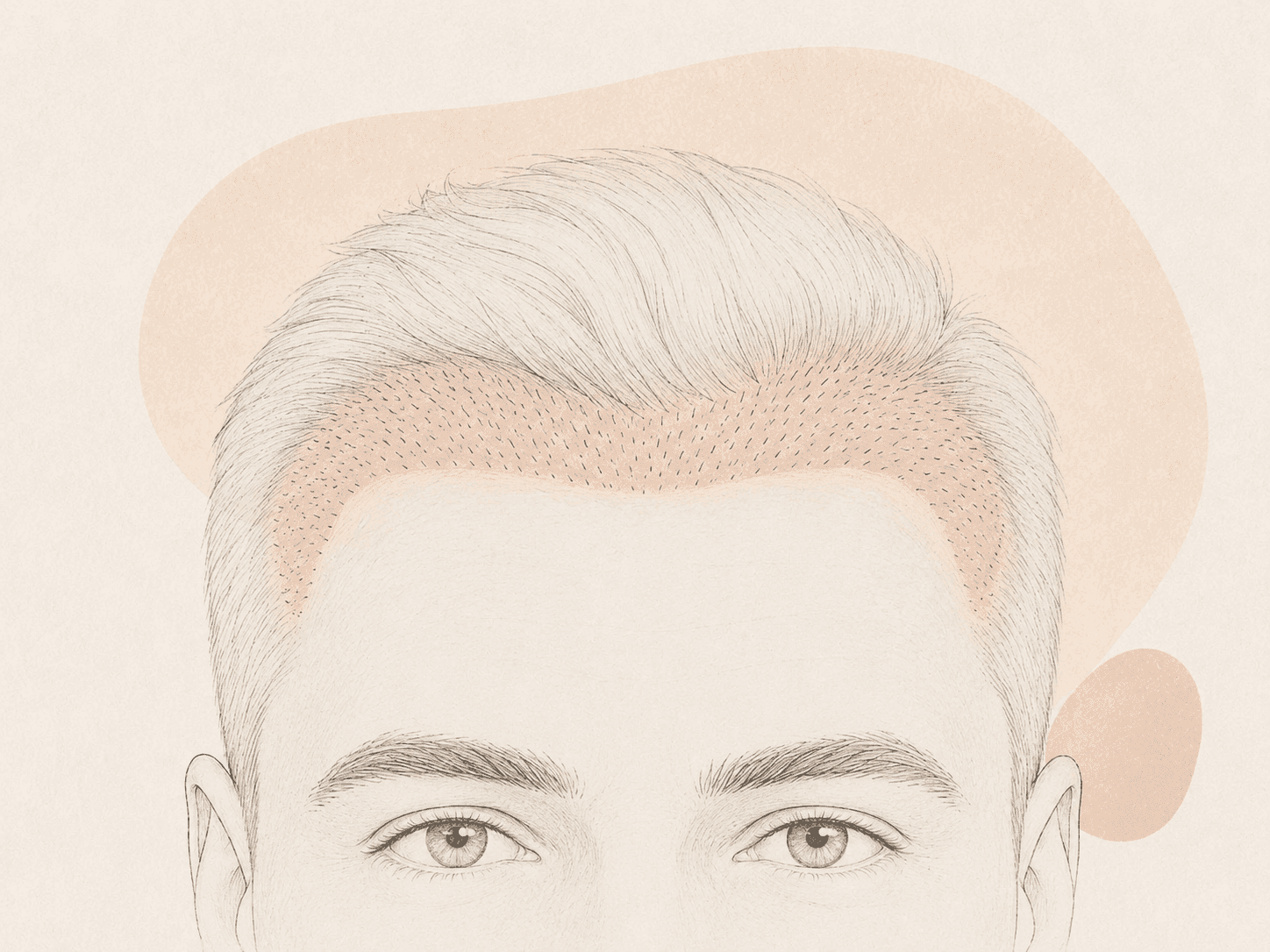
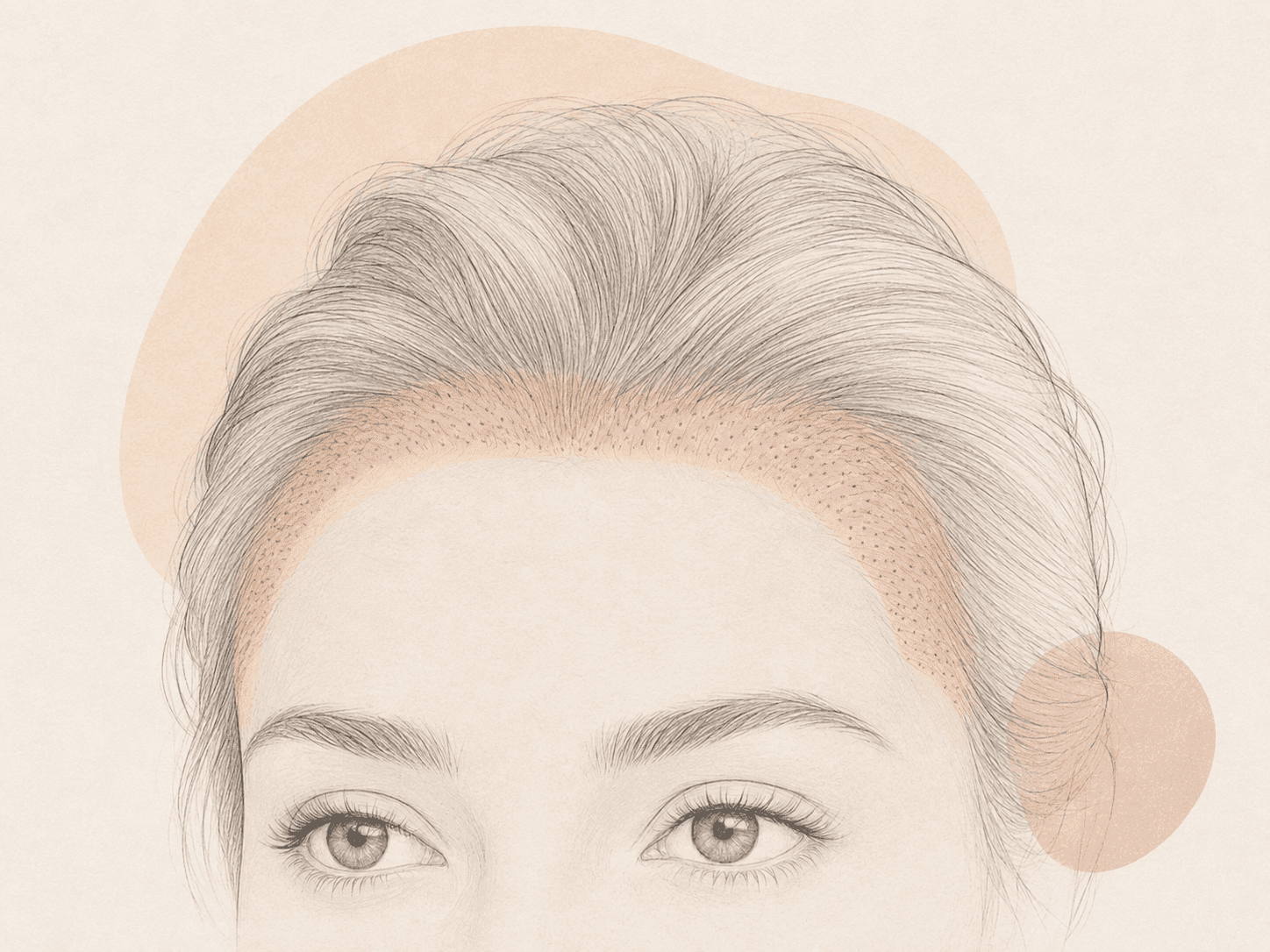
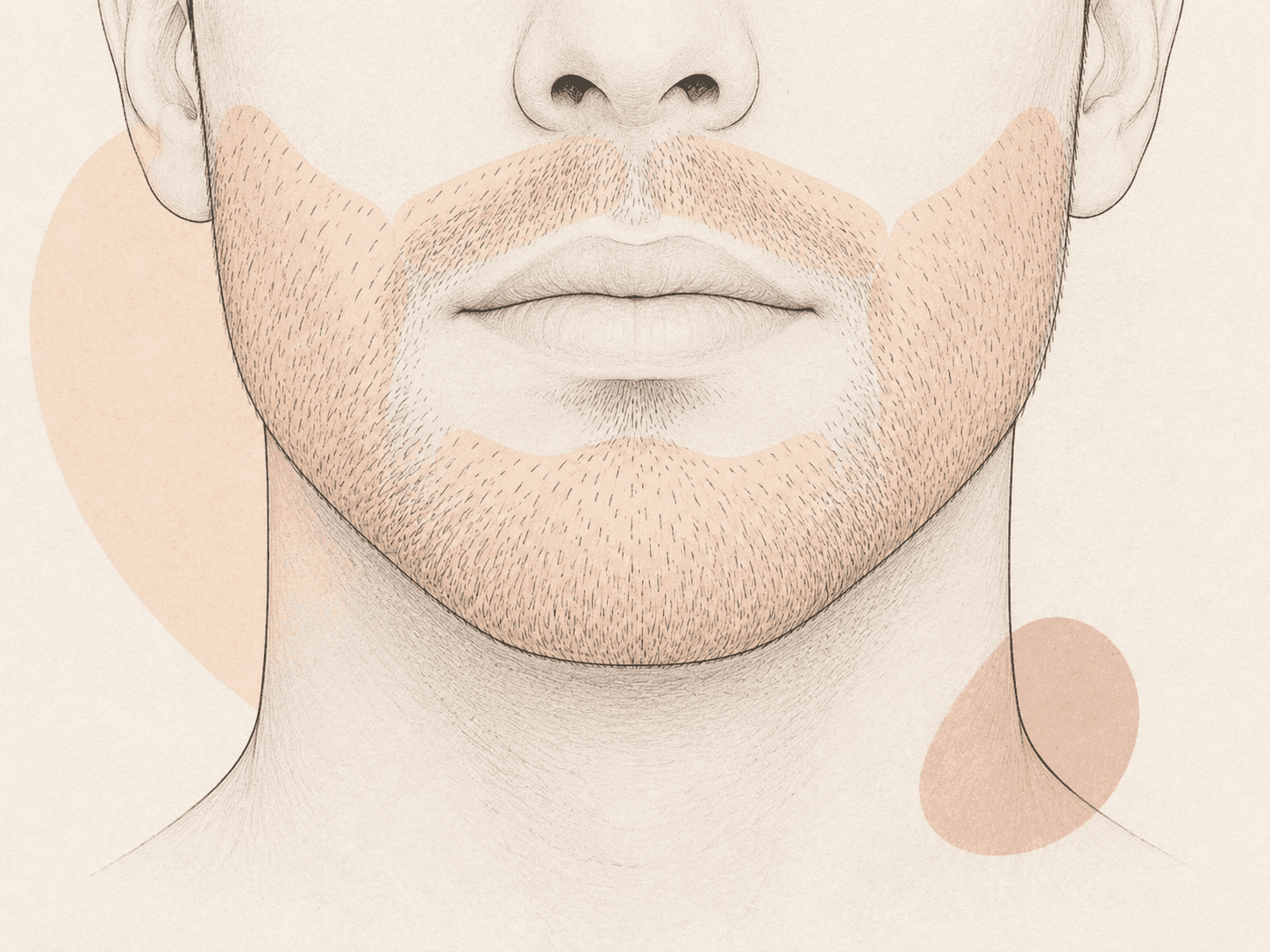
During an FUE hair transplant, naturally occurring follicular units are individually removed, usually from the back and sides of the scalp, then placed into carefully prepared recipient sites. A follicular unit may contain one or several hairs.
FUE redistributes existing follicles rather than creating new hair. Because donor hair is limited, treatment planning should protect the donor area and account for possible future thinning in untreated areas.
Goals and Possible Benefits of FUE Hair Transplantation
When appropriately planned and performed, follicular unit excision may support goals such as:
- Improving the appearance of a frontal hairline or selected thinning areas
- Redistributing the patient’s own hair with attention to direction, angle and natural growth patterns
- Avoiding the linear donor scar associated with strip harvesting
- Providing more flexibility for shorter hairstyles, although small circular scars remain
- Treating selected scalp scars, beard gaps or eyebrow areas when clinically suitable
Transplanted follicles may retain many characteristics of the donor area, but growth varies between patients and non-transplanted hair may continue to thin.
Who May Be Suitable for an FUE Hair Transplant
FUE hair restoration may be suitable for some people with a confirmed diagnosis, adequate donor reserves, realistic expectations and a recipient area that can be treated without excessive use of donor follicles.
- Pattern hair loss suitable for surgical redistribution
- Hair loss that is stable or being appropriately managed
- Healthy scalp skin without uncontrolled infection or active inflammation
- General health compatible with an elective outpatient procedure
- Ability to remain abroad for the recommended early review period
- Access to appropriate follow-up after returning home
Active scalp disease, certain scarring alopecias, diffuse donor thinning, insufficient donor reserves or unrealistic density goals may make surgery unsuitable or require further investigation. Eligibility can only be confirmed after a qualified hair restoration specialist examines the scalp and reviews the patient’s medical history.
Shaven, Partial-Shave and Unshaven FUE Options
FUE variants differ mainly in how much donor and recipient hair is trimmed. The most appropriate approach depends on the required graft number, hair length, donor characteristics, visibility during extraction and the surgical team’s experience.
Shaven FUE
Most or all hair in the planned donor zone is clipped short, and the recipient area may also be trimmed. This gives the surgical team clearer visibility for extraction, spacing and graft placement and is often used for larger sessions.
Partial-Shave FUE
Selected strips or windows within the donor area are clipped while the surrounding hair remains longer to help conceal the treated zones. The available extraction area may be more limited than with a full shave.
Unshaven FUE
Individual donor hairs are selected and trimmed or extracted without broadly shaving the scalp. Unshaven FUE may make treatment less immediately visible, but it is more technically demanding, may take longer and may not be suitable for every hair type or required graft number.
How an FUE Hair Transplant May Be Performed
The exact sequence depends on the individual treatment plan, surgical workflow and implantation method.
Scalp Assessment and Hairline Design
The clinician reassesses the scalp, confirms the donor zone, discusses realistic coverage and designs the hairline or recipient pattern. The estimated graft number may change after the in-person examination.
Preparing the Donor Area
The required donor hair is trimmed according to the selected shaving approach. The scalp is cleaned, local anesthesia is administered and the extraction pattern is planned to reduce concentrated donor depletion.
Extracting Follicular Units
Small punch instruments are used to score around individual follicular units, which are then removed carefully. The grafts are inspected, sorted and stored in an appropriate holding environment while the recipient area is prepared.
Creating Recipient Sites
Small recipient sites are created with attention to angle, direction, spacing and the planned distribution of single-hair and multi-hair grafts.
Placing the Grafts
The harvested follicular units are placed into the recipient sites using forceps, implanter devices or a combination of techniques. The team then reviews the donor and recipient areas and provides immediate aftercare instructions.
Local Anesthesia and Comfort During FUE
FUE hair transplantation is commonly performed using local anesthesia in the donor and recipient areas. Some clinics may offer additional sedation when clinically appropriate and when suitable monitoring is available.
Anesthetic injections may sting, and patients may notice pressure, pulling or discomfort from prolonged positioning during the session. Tenderness, tightness, itching or altered sensation may occur during early healing. Unexpected, severe or worsening symptoms should be reported to the treating team.
Preparing for FUE Hair Transplantation Abroad
Preparation should begin before travel so the treating specialist can review the pattern of hair loss, donor density and relevant health factors. Instructions differ between clinics and should be confirmed directly with the medical team responsible for treatment.
Clinical Review Before Treatment
- Provide clear scalp photographs and a complete medical and surgical history
- Disclose prescribed medicines, non-prescription products and supplements
- Discuss allergies, bleeding conditions, skin disorders and previous hair procedures
- Confirm who will perform the examination, extraction, recipient-site creation and implantation
- Do not stop or start medicines unless the prescribing clinician and treating surgeon agree
Travel and Recovery Planning
- Allow time for an in-person examination before final graft planning
- Plan a stay that includes the procedure, initial washing or dressing review and travel clearance
- Choose clean accommodation with practical access to the clinic
- Avoid demanding work, strenuous tourism and tight onward connections immediately after surgery
- Carry written aftercare instructions and clinic contact information for the return journey
Typical Travel Plan for an FUE Hair Transplant
A common itinerary for international patients is outlined below, but the required stay depends on session size, medical history, clinic protocol and travel route. The return journey should only begin after the treating clinician confirms that early recovery is satisfactory.
Arrival and In-Person Consultation
Arrive with enough time for a scalp examination, consent discussion, clinical photographs, hairline planning and any requested pre-procedure checks. Arriving and undergoing surgery on the same day may leave insufficient time for a careful assessment.
FUE Procedure Day
The procedure may take several hours and can continue through much of the day. Larger treatment plans may be divided across more than one session. International patients should return directly to suitable accommodation and follow the clinic’s positioning and scalp-care instructions.
Postoperative Clinic Check
The clinic may examine the donor and recipient areas, demonstrate the approved washing method and review swelling, bleeding, comfort and medication instructions. Some medical teams schedule more than one early follow-up visit.
Assessment Before Travelling Home
Many uncomplicated cases may travel after an early postoperative review, but there is no universal safe flight date. Travel clearance should consider swelling, bleeding, possible infection, journey length, access to assistance and the patient’s wider health.
FUE Hair Transplant Recovery and Growth Timeline
Healing and visible hair growth vary between patients. The stages below describe a common pattern rather than a guaranteed schedule.
First Few Days
Redness, small crusts, tenderness and swelling may occur. The donor area starts to close quickly, but both treated areas remain vulnerable to rubbing, scratching, sun exposure and contamination.
First Two Weeks
Crusting usually loosens gradually with the approved washing routine. Redness may settle sooner in some skin types and remain visible longer in others. Many patients resume non-strenuous work when their appearance and comfort allow.
Weeks Two to Eight
Many transplanted hair shafts shed while the follicles remain beneath the skin. Temporary shedding of nearby existing hair, often called shock loss, may also occur.
Months Three to Six
Early new growth may begin and can appear fine, uneven or incomplete. Limited visible density at this stage does not by itself represent the final result.
Months Six to Twelve
More transplanted hairs may emerge, lengthen and become thicker. The appearance continues to change as the follicles move through their growth cycles.
Twelve to Eighteen Months
Further maturation may occur, particularly in slower-growing areas such as the crown. The treating specialist should review hair growth, donor appearance and any continuing loss of non-transplanted hair.
FUE Aftercare and Follow-Up at Home
Appropriate aftercare helps protect healing grafts, supports early recognition of complications and maintains continuity after the patient returns home.
Protecting the Scalp
- Follow the clinic’s written washing and handling instructions
- Avoid rubbing, picking crusts and applying products that have not been approved
- Protect the scalp from direct sunlight and avoid tight or rough headwear until cleared
- Resume exercise, swimming, haircuts and styling products only according to the treating team’s guidance
Continuing Follow-Up
- Send clear progress photographs at the agreed intervals
- Keep copies of the operative report, graft estimate and prescribed aftercare plan
- Arrange a local medical review when an in-person examination is necessary
- Discuss long-term management of continuing hair loss with a qualified clinician rather than relying on transplantation alone
Risks and Limitations of FUE Hair Transplantation
FUE hair transplantation is an invasive procedure and does not eliminate scarring or surgical risk. Possible complications and limitations include:
- Pain, swelling, itching, redness, crusting or temporary numbness
- Bleeding, infection, folliculitis or small cysts
- Temporary shedding of transplanted hair or nearby existing hair
- Poor graft survival, uneven density or limited growth
- An unnatural hairline, direction, angle or graft distribution
- Visible circular donor scars, pigment changes or prolonged redness
- Patchy donor thinning caused by overharvesting or poor extraction planning
- Graft damage during extraction, handling or implantation
- Adverse reactions related to local anesthesia, sedation or other medicines
- Rare skin injury, delayed healing or tissue necrosis
- Dissatisfaction with the cosmetic result or the need for corrective treatment
Risk is influenced by the diagnosis, donor characteristics, session size, clinician skill, infection-control standards, patient health and adherence to aftercare. International patients should receive clear instructions about urgent symptoms, local emergency options and how complications will be managed after they return home.
Comparing Destinations for FUE Hair Transplantation
Destination choice should be based on clinical suitability and provider quality rather than promotional claims. International patients should verify clinician licensing, facility standards, the medical professional responsible for each surgical step, complication pathways and access to follow-up after departure.
Planning FUE Hair Transplantation in Iran
International patients considering FUE hair restoration in Iran may find specialist hair services in major medical centres as well as coordination for consultation, treatment and early review. Clinic selection should be based on documented clinician credentials, realistic donor assessment, clear communication and an aftercare plan that remains practical after returning home.
Planning FUE Hair Transplantation in Turkey
Turkey has a large hair restoration sector serving international patients, with clinics using different FUE workflows and travel coordination models. Because staffing structures and physician involvement vary, patients should confirm who will diagnose the hair loss, design the treatment plan, perform each surgical step and manage complications before booking.
Hear From Patients
Patient Reviews
Questions About Follicular Unit Excision Hair Transplant
Need More Help?
Have questions or need support planning your next step? Cura can help you understand the process and prepare for clinic conversations.