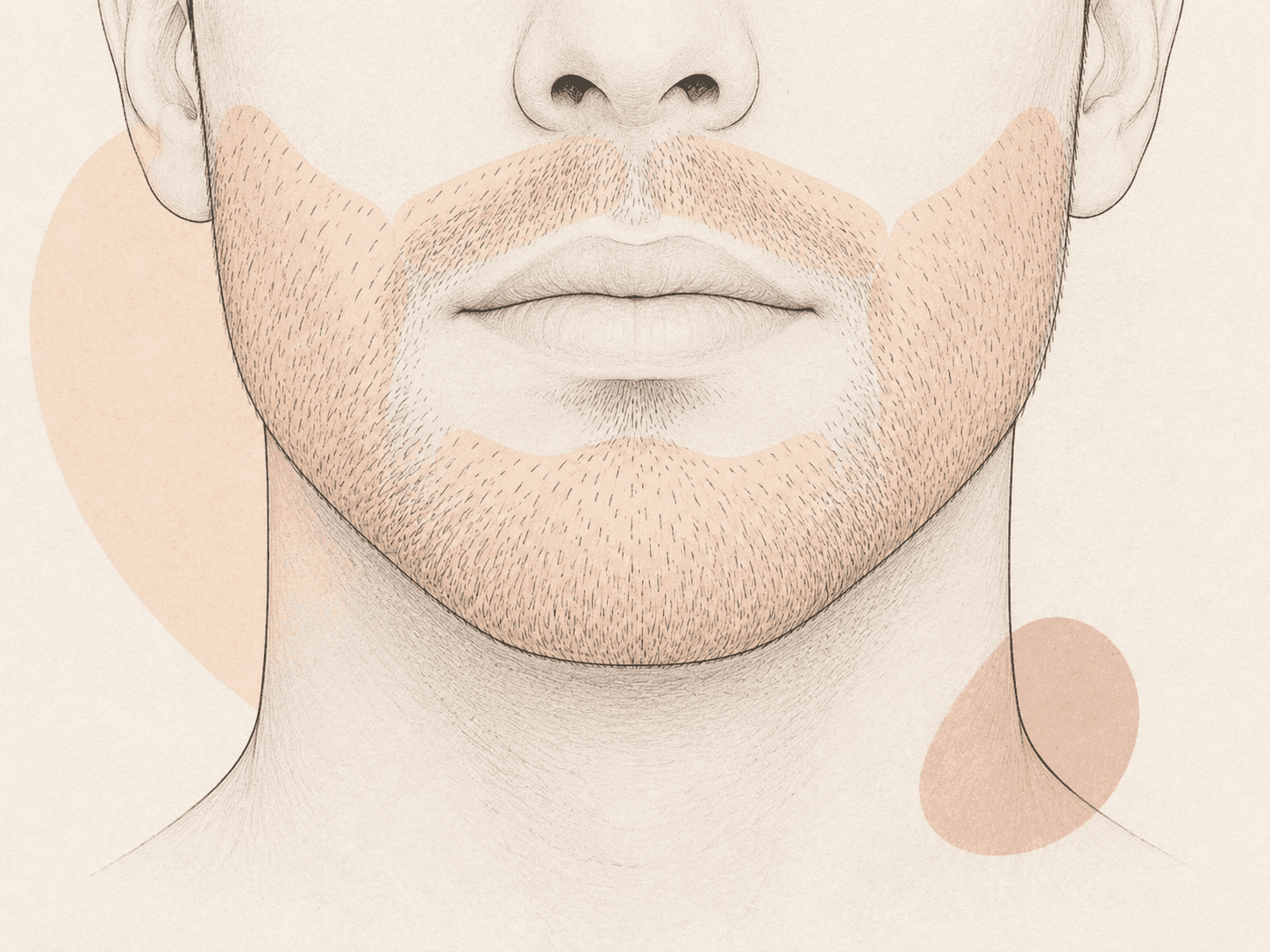
Chin Augmentation, Chin Implants And Genioplasty Explained
Chin augmentation changes the shape, projection or vertical height of the chin to create a more proportionate relationship between the lower face, lips and nose. It may be performed with a chin implant or through genioplasty, which involves repositioning part of the chin bone.
Technique selection depends on facial anatomy, jaw and bite relationships, skin and soft tissue support and the intended degree of change. A specialist may discuss a chin implant, sliding genioplasty or another approach after reviewing these factors.
What Chin Augmentation May Improve
Chin surgery may be considered to improve profile balance and definition of the lower face. The extent of change depends on anatomy, technique and healing, so expected improvements and limitations should be discussed before treatment.
- May create a more balanced relationship between the chin, lips and nose
- Can improve definition around the chin and lower facial outline in selected patients
- May adjust chin projection and, with some genioplasty techniques, chin height
- Can sometimes be planned with another facial procedure when clinically appropriate
Who May Consider Chin Implant Surgery Or Genioplasty
Chin augmentation may be suitable for some adults seeking a proportionate change to the chin and lower face. Suitability depends on facial structure, dental and bite factors, general health, treatment goals and realistic expectations.
- Medical conditions, allergies, medications and supplements should be reviewed before surgery
- Teeth alignment, bite comfort and jaw position may need closer assessment before genioplasty
- International patients should be able to remain locally for early checks and manage temporary diet or activity restrictions
- A qualified clinician should confirm the appropriate technique and explain procedure-specific risks
Chin Implant And Genioplasty Technique Options
Chin augmentation techniques differ in how they change projection, contour and vertical height. The chosen approach should reflect facial anatomy, bite assessment, soft tissue support and the planned outcome.
Chin Implant Augmentation
A chin implant is placed over the chin bone to increase projection or adjust contour. It may be inserted through an incision inside the mouth or beneath the chin, depending on the surgical plan. Implant size, shape and positioning require careful planning to reduce the risk of movement, asymmetry or an unnatural contour.
Sliding Genioplasty
Sliding genioplasty is a bone-based procedure in which a segment of the chin bone is cut, moved and secured with plates and screws. It can be planned to change projection and, in some cases, vertical height. Facial proportions and bite relationships guide the amount and direction of movement.
Advancement Genioplasty
Advancement genioplasty moves the chin bone forward to increase projection. The planned movement should support facial balance while accounting for the surrounding soft tissues, tooth roots and sensory nerves.
Vertical Lengthening Genioplasty
Vertical lengthening genioplasty increases chin height and may also include forward movement. It may be discussed when vertical chin proportions contribute to the concern, with planning based on overall facial balance and lower lip support.
How Chin Augmentation Surgery May Be Performed
The steps of chin augmentation vary according to the selected technique and whether another facial procedure is performed at the same time. The clinic should provide a clear surgical plan, informed consent information and written aftercare guidance.
Facial And Bite Assessment
The clinician reviews treatment goals, facial proportions, jaw position and bite function. Clinical photographs and imaging may support planning, particularly when genioplasty is being considered.
Anesthesia And Surgical Preparation
The anesthesia plan is confirmed and the surgical area is prepared. The care team should explain what to expect immediately after surgery, including swelling, tightness and possible temporary numbness.
Implant Placement Or Bone Repositioning
During implant surgery, the implant is positioned according to the planned contour and secured when required. During sliding genioplasty, the chin bone segment is moved to the planned position and stabilized with fixation.
Closure And Early Monitoring
The incisions are closed and recovery is monitored. Before discharge, patients receive instructions about incision care, oral hygiene when relevant, diet texture, activity limits and scheduled follow-up visits.
Anesthesia, Discomfort And Sensation Changes
Chin augmentation is often performed under general anesthesia, particularly for genioplasty. Some chin implant procedures may use local anesthesia with sedation depending on the treatment plan, clinic setting and patient health profile.
Early discomfort may feel like soreness, pressure, tightness and swelling. Temporary numbness or altered sensation around the chin and lower lip can occur, especially after genioplasty. The treating clinician should explain pain management, expected sensory changes and symptoms that require urgent assessment.
Preparing For Chin Augmentation Abroad
Preparation for chin surgery abroad should cover medical assessment, dental and bite considerations and practical travel arrangements. The plan should allow enough time for evaluation before treatment and early follow-up before returning home.
Medical History And Medication Review
- Provide a complete medical history, including allergies, current medications and supplements
- Ask whether any medicine or supplement may affect bleeding, but do not stop prescribed treatment without clinical guidance
- Discuss previous facial surgery, dental problems, jaw symptoms or difficulties with chewing
Dental And Bite Planning
- Maintain good oral hygiene and address active dental infection before travel if advised
- Discuss orthodontic treatment, bite concerns or jaw alignment early because these factors may affect genioplasty planning
Travel And Recovery Arrangements
- Arrive early enough for an in-person consultation, examination and any required imaging
- Plan a local stay that allows for early post-procedure checks before flying
- Prepare for soft foods, reduced activity and other temporary recovery needs
Typical Travel Plan For Chin Augmentation Abroad
The required stay varies according to the technique, anesthesia plan and individual recovery. International patients should include in-country follow-up appointments and confirm travel readiness with the treating clinician.
Arrival And In-Person Evaluation
The consultation, examination and final treatment plan take place before surgery. Any required tests or imaging are completed and the consent process, risks and aftercare plan are reviewed.
Chin Surgery Day
Chin implant surgery or genioplasty is performed and early recovery is monitored. Instructions may cover swelling management, oral hygiene, incision care and temporary changes to diet texture.
Early Follow-Up Appointments
In-person checks allow the team to review swelling, incision healing, implant position when relevant and sensory symptoms. Travel timing should be confirmed according to recovery rather than a fixed schedule alone.
Follow-Up After Returning Home
A structured remote follow-up plan may help maintain communication after travel, but it does not replace urgent local medical assessment when needed. Patients should know whom to contact abroad and at home if concerns develop.
Chin Augmentation Recovery And Healing
Recovery after chin implant surgery or genioplasty varies between patients. Swelling and bruising can temporarily affect the appearance of the chin, while the contour usually becomes clearer as healing progresses.
First Days After Surgery
Swelling, bruising, tightness and soreness are common during early healing. Numbness or altered sensation around the chin and lower lip may occur, particularly after sliding genioplasty.
Early Settling And Return To Routine
Swelling usually reduces gradually and chewing comfort or stiffness may improve over time. Diet, activity and return to normal routines should progress according to the clinician’s instructions and individual healing.
Longer-Term Contour Changes
Chin definition may continue to change over several months as swelling settles and soft tissues adapt. The treating clinician can explain when the result is stable enough for a longer-term assessment.
Aftercare And Follow-Up After Chin Augmentation
Aftercare differs between chin implant surgery and genioplasty. Patients should follow the clinic’s instructions carefully, particularly for incision care, oral hygiene, diet texture, activity and scheduled reviews.
Managing Swelling And Hygiene
- Follow the clinic’s swelling care instructions and avoid unapproved creams or devices near the incision
- When an incision is placed inside the mouth, follow oral hygiene guidance carefully to reduce infection risk
Diet And Physical Activity
- Soft foods may be advised temporarily, especially after genioplasty
- Avoid strenuous exercise and activities that could place pressure on the chin until cleared by the clinician
Continuing Care At Home
- Attend remote reviews when offered and send photographs only through the agreed process
- Keep written details of the procedure, including the technique, implant information and any fixation materials used
Risks And Possible Complications Of Chin Augmentation
Every surgical procedure carries risks. The possible complications of chin implant surgery differ from those associated with sliding genioplasty. These risks, their likelihood and the available management options should be discussed before treatment, particularly when recovery will continue after international travel.
General Surgical Risks
- Swelling, bruising and discomfort
- Temporary numbness or altered sensation around the chin or lower lip
- Temporary or persistent asymmetry
- Infection or delayed wound healing
- Visible scarring when an external incision is used
Risks Related To Chin Implants
- Implant movement, incorrect positioning or noticeable implant edges
- Implant infection that may require removal
- Capsule formation or contour irregularity
- Rare implant exposure or breakdown of the surrounding tissue
Risks Related To Genioplasty
- Persistent numbness caused by nerve injury
- Fixation problems, delayed bone healing or the need for revision surgery
- Injury to tooth roots or complications involving the gums
- Contour irregularity, a visible step or asymmetry
When Urgent Medical Assessment Is Needed
Seek urgent medical care for fever, rapidly increasing swelling, worsening redness, pus, persistent bleeding, severe or increasing pain, new lower lip weakness, difficulty swallowing or breathing concerns. International patients should confirm the escalation plan for both the destination country and their home country before treatment.
Planning Chin Augmentation In Iran Or Turkey
International patients may compare Iran and Turkey for chin augmentation because facial surgery, imaging, anesthesia and follow-up services are available in both destinations. Clinic quality and care pathways vary, so decisions should consider surgeon experience with chin implants and genioplasty, facility standards, communication, documentation and cross-border follow-up arrangements.
Turkey
- Facial plastic surgery and maxillofacial surgery services are available in major cities
- Some facilities can coordinate imaging, anesthesia assessment and surgical planning for chin procedures
- Patients should compare surgeon credentials, facility standards, communication and the timing of in-person follow-ups before travelling home
Iran
- Surgeons in major urban centres perform facial aesthetic and jaw-related procedures
- Clinic and hospital networks may support consultation, operative care and early monitoring
- Planning should include complete medical documentation, clear communication and a defined follow-up process after returning home
Hear From Patients
Patient Reviews
Questions About Chin Augmentation
Need More Help?
Have questions or need support planning your next step? Cura can help you understand the process and prepare for clinic conversations.