Porcelain Veneers And Smile Design Explained
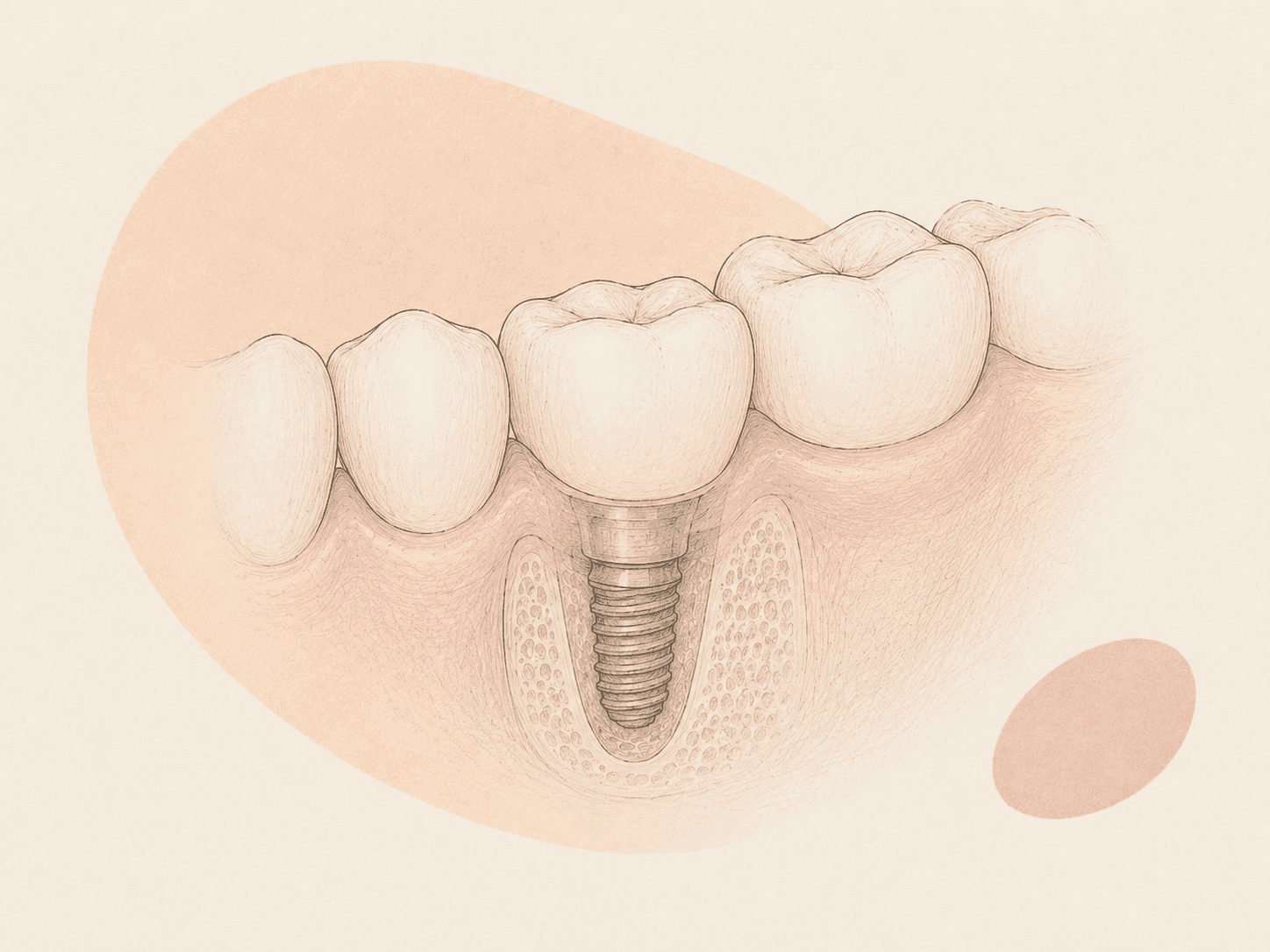
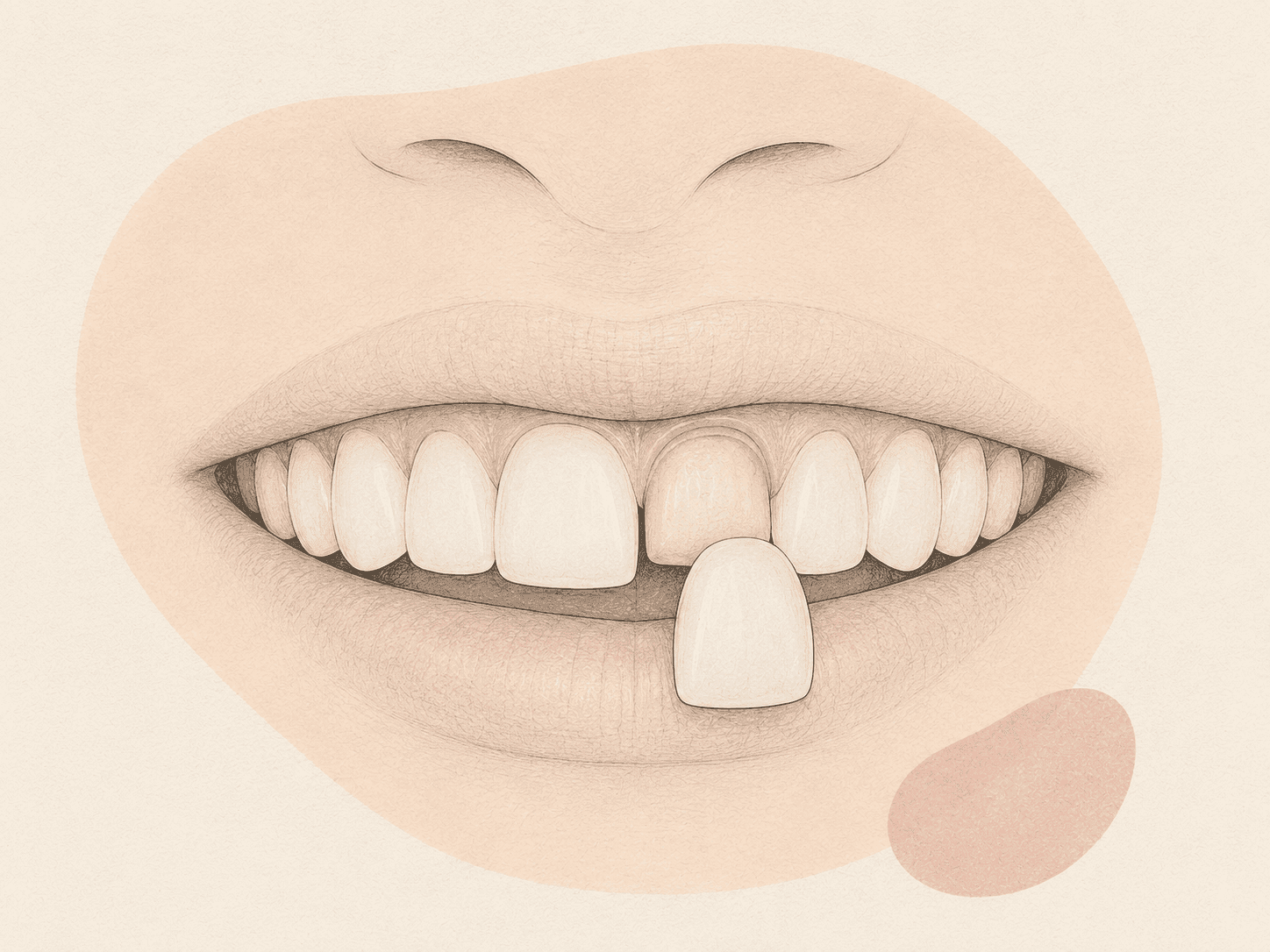
Porcelain Veneers are thin ceramic coverings bonded to the front of the teeth to improve colour, shape, length and the overall smile line. Planning may include photos, digital scans or impressions, shade selection and a careful review of how the new tooth surfaces will meet when you bite.
- Common goals include improving tooth colour, closing small gaps, refining tooth shape and creating a more even smile line
- Many Porcelain Laminate Veneers require some enamel modification, which can be difficult to reverse
What Porcelain Veneers May Improve
Dental Veneers may be considered when someone wants a planned cosmetic change and their oral health can support ceramic restorations. For international patients, a structured plan helps coordinate design, lab work, bonding and early checks within a realistic travel schedule.
- May improve tooth colour when whitening is not suitable or does not achieve the desired shade
- Can refine tooth shape, length and symmetry
- May help cover minor chips, surface defects or uneven edges
- Can often be previewed with a mock-up or digital design before final bonding
Who May Be Suitable For Ceramic Veneers
Ceramic Veneers may be discussed for people with stable teeth and gums who want cosmetic changes and understand the need for long term care. They may not be suitable when there is active decay, untreated gum disease, severe bite problems or heavy grinding that has not been managed.
- International patients should allow time for adjustments and checks before flying home
- Grinding or clenching can increase the risk of chipping or debonding and may require a night guard plan
- Only a qualified dentist can confirm whether Porcelain Veneers are appropriate and how many teeth should be treated
Porcelain Veneer Types And Tooth Preparation Options
Porcelain Veneers can be planned with different levels of tooth preparation. The most suitable approach depends on enamel thickness, tooth alignment, shade goals, gum position and bite forces.
Traditional Prep Porcelain Veneers
Traditional prep Veneers involve removing a controlled amount of enamel to create space for the porcelain and support a natural contour. This may help with fit and shade control, but it is usually less reversible than more additive approaches.
Minimal-Prep Porcelain Veneers
Minimal-prep Ceramic Veneers use limited enamel reduction when tooth shape and position allow it. Careful planning is needed to avoid bulky contours, gum irritation or bite problems.
No-Prep Veneers
No-prep Veneers are designed with little to no enamel reduction. They are case dependent and may not suit patients who need major colour change, significant reshaping or bite correction.
Ultra-Thin Veneers
Ultra-thin Veneers are a subtype of Porcelain Laminate Veneers made with reduced thickness. They may be considered in selected cases, but they still require precise bonding and careful bite management to reduce fracture risk.
How Porcelain Veneer Treatment May Be Planned
Dental Veneers are usually completed over more than one visit because smile design, lab fabrication, try-in and bonding all require checks. The exact sequence depends on the number of teeth, the level of preparation and the clinic’s lab workflow.
Consultation And Smile Design
Your dentist reviews your goals, examines your teeth and gums and takes photos, scans or impressions. Many clinics use a wax-up or digital preview to discuss shape, length and shade direction before treatment starts.
Tooth Preparation
If preparation is needed, a thin layer of enamel may be reshaped to create space for the Porcelain Veneers. The dentist also reviews bite contacts and gum margins to support comfort and stability.
Impressions And Temporaries
Impressions or digital scans are taken for the dental lab. Temporary Veneers may be placed while the Ceramic Veneers are made, depending on the preparation level and sensitivity risk.
Try-In And Shade Check
When the veneers return from the lab, the dentist checks fit, shade, symmetry and comfort. Adjustments may be needed before final bonding to reduce bite stress and improve the final fit.
Bonding And Final Review
Porcelain Laminate Veneers are bonded using adhesive protocols designed for ceramic restorations. The dentist checks the bite, explains aftercare and may schedule follow-up to review gum response and comfort.
Comfort And Anaesthesia During Veneer Treatment
Comfort needs depend on whether the Veneer plan includes tooth preparation. Many patients receive local anaesthetic for preparation and bonding appointments. No-prep Veneers may need little or no anaesthetic, although sensitivity can still vary from person to person.
During Appointments
Local anaesthetic may be used for Traditional Prep Porcelain Veneers or when gum management is needed. Sedation is not routine for Dental Veneers, but options can be discussed for significant dental anxiety after appropriate screening.
After Appointments
Short term sensitivity to cold or pressure can occur, especially after enamel preparation. Gum tenderness may also occur when veneer margins are close to the gumline. Your dentist should explain what is expected and what needs review.
Preparing For Porcelain Veneers Abroad
Preparation for Porcelain Veneers should focus on stable oral health, clear design decisions and enough travel time for fitting and refinements.
Clinical Preparation
- Complete any needed cleaning, gum treatment or cavity care before Ceramic Veneers are finalised
- Share previous dental records, X-rays, medications and allergy information
- Discuss grinding, clenching or bite issues because they can affect veneer design and durability
Travel Planning
- Plan enough time for at least two visits plus possible adjustments
- Avoid booking a flight too soon after bonding in case bite refinement is needed
- Arrange a plan for remote follow-up and local dental support after you return home if needed
Typical Travel Timeline For Dental Veneers
Timelines vary by case complexity, number of veneers and lab turnaround. International patients often plan a multi day stay so design, fabrication, bonding and early review can be completed without rushing.
Day 1
Consultation, smile design discussion and scans or impressions. In straightforward cases, tooth preparation may also begin on the same day.
Days 2 To 3
Tooth preparation and temporary veneers if planned. The team confirms shade and shape direction before sending case details to the lab.
Days 4 To 7
Lab fabrication takes place in many cases. Some clinics may offer faster workflows, but timing should still allow fit verification and quality checks.
Days 5 To 10
Try-in, adjustments and final bonding. A short follow-up check is often scheduled within days to review bite comfort and gum response.
Travel Readiness Check
Many patients travel after bonding once comfort and bite have been checked. A local follow-up before departure can help reduce the chance of travelling with an avoidable bite issue.
Porcelain Veneer Adjustment And Follow-Up
Veneers usually do not involve surgical healing, but there can be an adjustment period for sensitivity, gum response, speech and bite comfort.
First 48 Hours
Some sensitivity to temperature and pressure can occur, especially after preparation. The bite may feel different while your mouth adapts to the new tooth surfaces.
First Week
Gums may settle around the veneer margins. Minor bite adjustment may be recommended if chewing feels uneven or uncomfortable.
Weeks 2 To 4
Comfort often becomes more stable and speech adaptation may improve if the changes were noticeable. Your dentist may recommend an in-person review or remote check-in to confirm stability.
Long Term Care For Porcelain Veneers
Porcelain Veneers need ongoing care like natural teeth, with extra attention to gum health, bite forces and habits that can damage ceramic. A clear aftercare plan helps international patients manage support after returning home.
Daily Care
- Brush, floss and keep routine dental cleaning appointments
- Avoid using veneers to open packaging or bite hard objects
- If you grind your teeth, follow the night guard plan recommended by your dentist
Follow-Ups After Travel
- Keep copies of your treatment notes, shade details and lab information
- Share photos if your clinic offers remote checks for gum response and bite comfort
- See a local dentist promptly if you notice chips, looseness or new sensitivity
Risks And Limitations Of Dental Veneers
Dental Veneers are common cosmetic restorations, but they have limits and possible risks. Understanding these points helps patients make more realistic decisions before booking treatment abroad.
More Common Issues
- Temporary tooth sensitivity, especially after preparation
- Gum irritation if margins are close to the gumline or cleaning is difficult
- Need for bite adjustment after bonding
- Chipping or surface wear over time, particularly with grinding
Less Common Risks
- Debonding that requires re-bonding or replacement
- Colour mismatch or dissatisfaction with shape that may require a remake
- Decay under a veneer if hygiene is poor or margins leak
- Need for root canal treatment in rare cases, often linked to deep preparation or pre-existing tooth issues
When To Seek Review
Contact your dentist promptly if you notice a crack, looseness, persistent pain, swelling or a sudden bite change. Early review can help prevent further damage, especially after international travel.
Planning Porcelain Veneers In Turkey Or Iran
International patients may compare Turkey and Iran for Porcelain Veneers because both destinations offer cosmetic dentistry services, diagnostic tools and dental lab access for multi visit veneer workflows. The safest choice depends on dentist credentials, material traceability, infection control, communication and follow-up planning after returning home.
Turkey
Many clinics in Turkey offer digital smile design, coordinated lab workflows and structured appointment scheduling that can suit travel based veneer treatment. Standards vary between providers, so patients should review dentist qualifications, infection control practices and how adjustments and aftercare are handled.
Iran
Iran has established dental training and specialist services in major cities, with providers who may have experience in Ceramic Veneers and aesthetic restorative planning. A careful plan should include clear documentation, realistic treatment scope, material details and follow-up coordination after travel.
Hear From Patients
Patient Reviews
Questions About Porcelain Veneers
Need More Help?
Have questions or need support planning your next step? Cura can help you understand the process and prepare for clinic conversations.