Single Dental Implant Treatment Explained
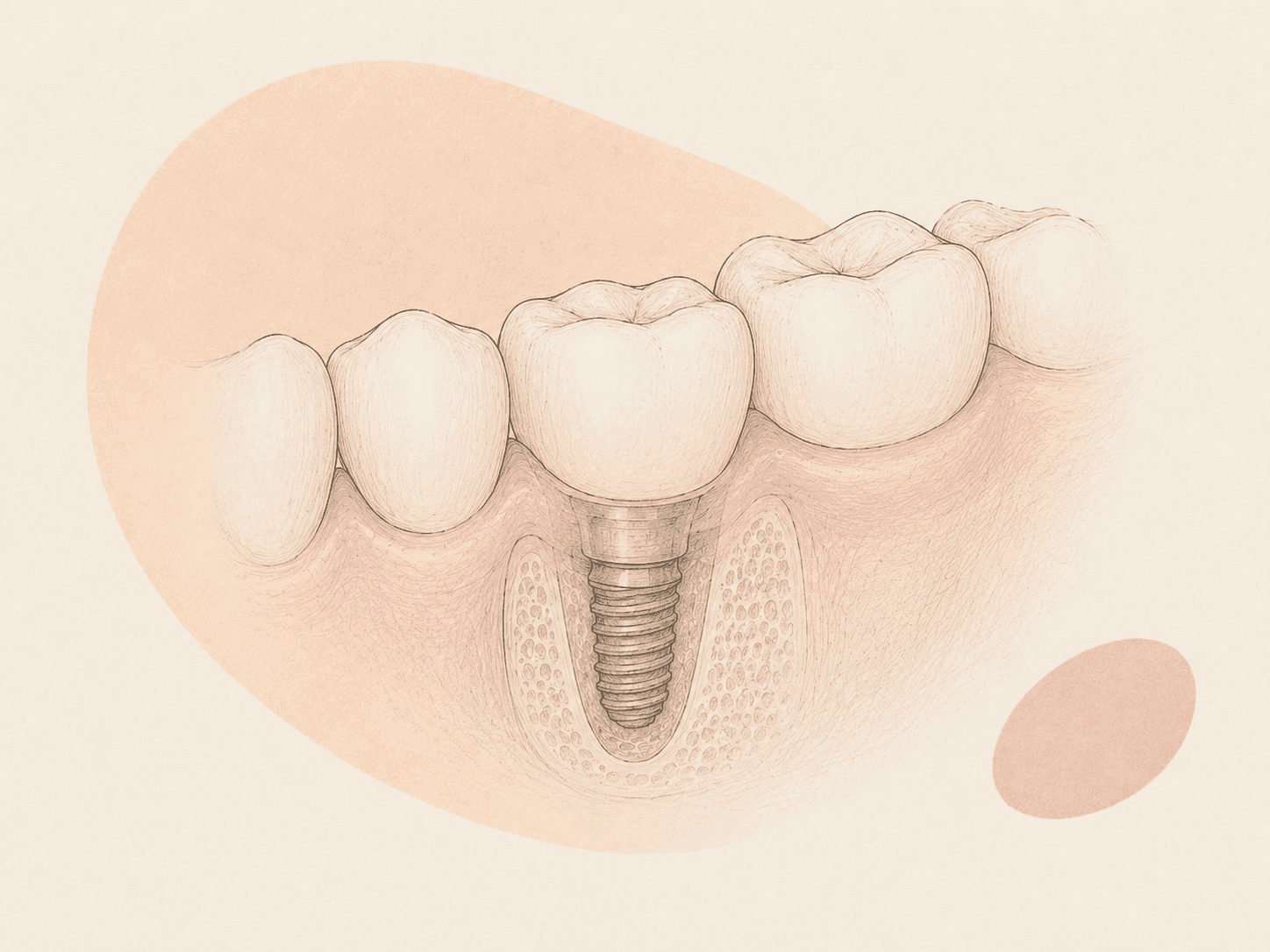
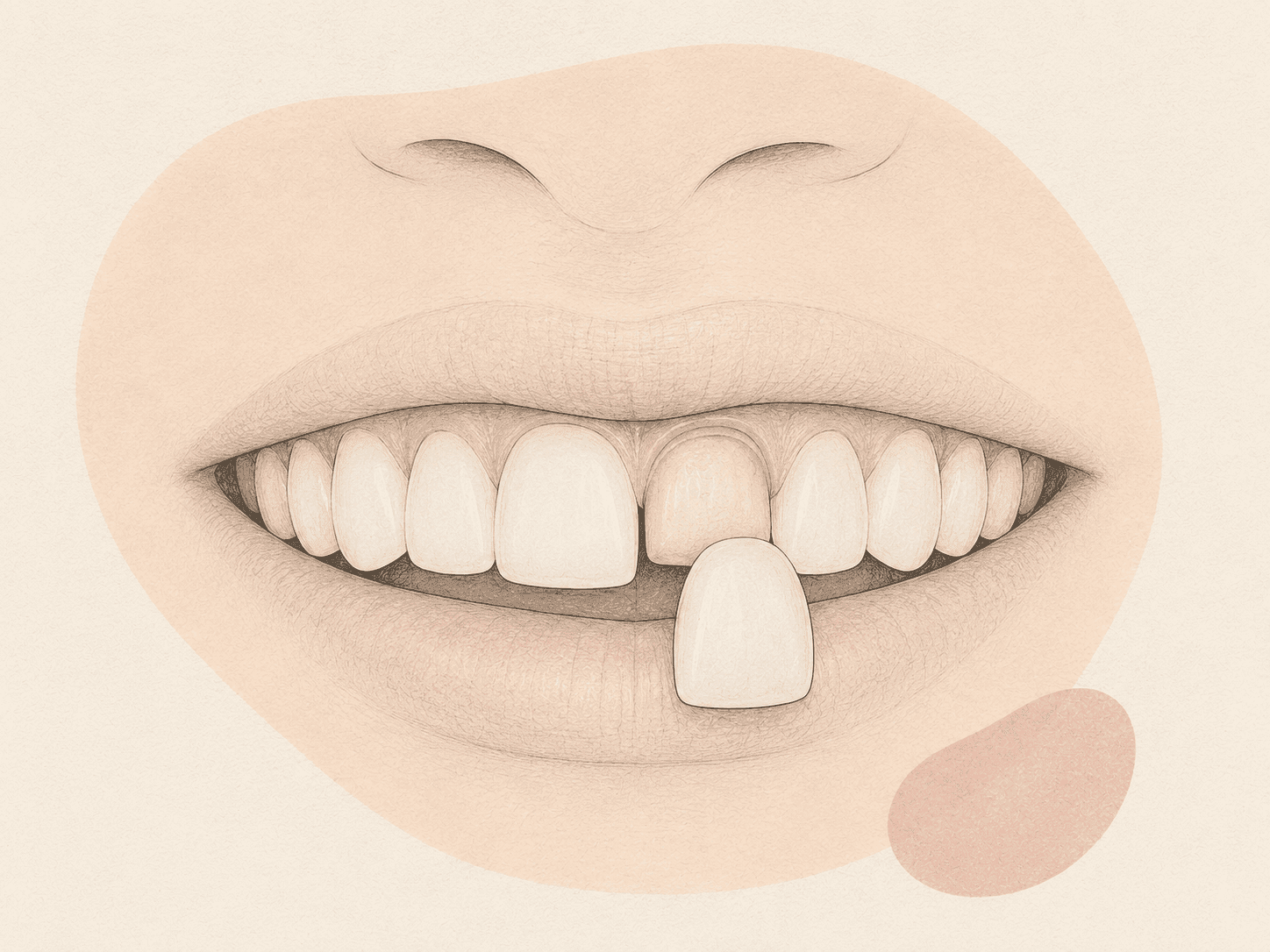
A single dental implant replaces the root area of one missing tooth and supports a crown shaped to fit your bite. Planning usually includes a dental exam, imaging and review of bone volume, gum health and nearby structures such as nerves or the sinus.
When implant treatment is planned abroad, timing is an important part of the care plan. Some international patients have implant placement during one trip and return later for the final crown. Immediate implant placement or immediate loading may be discussed in selected cases, but these options require stable conditions and careful case selection.
Goals And Possible Benefits Of A Single Tooth Implant
A dental implant may be considered when a patient wants a fixed replacement for one missing tooth. The possible benefits depend on oral health, bite alignment, bone support and the final restorative plan.
- Can replace one tooth without relying on neighboring teeth for support
- May improve bite stability and chewing comfort when the crown is well fitted
- Helps transfer normal chewing forces to the missing tooth area
- Can support a natural-looking result when crown shape and gum contours are planned carefully
Who May Need A Single Dental Implant
A qualified implant dentist or dental surgeon needs to confirm whether a single tooth implant is suitable. The assessment usually includes an in-person exam, imaging and review of your general health.
- One missing tooth with enough space for an implant and crown
- Healthy gums or gum disease that has been treated and is stable
- Enough bone volume or a clear plan for bone grafting if needed
- Realistic expectations about staged treatment and follow-up visits
- Enough time abroad for early checks before flying home
Smoking, uncontrolled diabetes, active gum disease or teeth grinding may increase complication risk and can affect the recommended plan.
Single Dental Implant Timing And Technique Options
Dental clinics may use different implant placement and loading approaches. The most suitable option depends on bone quality, initial implant stability, gum condition and the position of the missing tooth.
Immediate Implant Placement
In selected cases, the implant is placed immediately after tooth extraction. This may reduce the number of surgical appointments, but it requires infection control, stable implant positioning and suitable bone and gum conditions.
Delayed Implant Placement
The tooth is removed first and the area is allowed to heal before implant placement. This may be preferred when infection, reduced bone support or soft tissue concerns need to be managed before the implant is placed.
Immediate Loading
Some patients may receive a temporary tooth shortly after implant placement. Immediate loading usually requires strong initial stability and controlled bite forces. It is not suitable for every case and may increase failure risk when conditions are not ideal.
Two-Stage Implant
In a two-stage plan, the implant is placed and protected under the gum during healing before a later step adds the healing cap or abutment. This approach is often used when clinicians want to protect the implant during osseointegration or when grafting is involved.
How Single Dental Implant Treatment May Be Planned
The exact pathway varies by clinic and case complexity, but single dental implant treatment usually follows a structured process from assessment to final restoration.
Assessment And Treatment Planning
Your clinician reviews your medical and dental history, examines your bite and checks gum health. Dental X-rays or 3D scans may be used to plan the implant position and identify whether bone grafting or other preparation is needed.
Implant Placement
The implant is placed into the jawbone under local anesthesia, sometimes with sedation depending on the clinic setting and patient needs. A healing cap may be fitted, or the implant may be covered under the gum in a two-stage approach.
Healing And Osseointegration
The implant gradually bonds with the bone during a process called osseointegration. Healing time varies and often takes several months. Your clinician monitors the site and checks for gum or bite issues that could affect stability.
Abutment And Crown Fitting
After sufficient healing, an abutment is connected and a crown is made to match your teeth and bite. Some patients receive a temporary crown first, especially when soft tissue shaping is needed.
Anesthesia, Comfort And Symptoms To Watch
Single dental implant placement is commonly performed with local anesthesia. Some clinics may offer sedation for anxiety or longer procedures, but suitability depends on your health history and the clinical setting.
After placement, discomfort is usually related to swelling, gum soreness or bruising. Many patients manage this with clinician-approved pain relief and a soft diet, but recovery experiences vary. Contact the clinic promptly if pain worsens, bleeding continues, fever develops or swelling becomes significant.
Preparing For A Dental Implant Abroad
Good preparation supports safer treatment planning and a smoother travel schedule for a single tooth implant.
- Share your medical history, allergies and current medications, including blood thinners
- Provide recent dental records if available or plan for imaging at the clinic
- Ask whether bone grafting may be needed and how it could affect your travel timeline
- If you smoke, discuss stopping support because smoking can raise implant failure risk
- Plan enough time abroad for early checks and arrange a support person if recommended
- Confirm what to do if symptoms develop after you return home
Example Travel Itinerary For A Single Tooth Implant
Travel timing depends on whether your plan includes implant placement only, implant placement with a temporary tooth or full restoration. Many international patients schedule the final crown after a later healing period.
Day 1
Arrival, clinic consultation and imaging. Your clinician confirms the plan for a dental implant or single tooth implant, explains timing options and reviews consent and aftercare instructions.
Day 2
Implant placement appointment. You receive written guidance on oral hygiene, diet and medications. A follow-up visit is scheduled before you travel.
Days 3 To 5
Short check-ups help assess swelling, bite comfort and gum healing. If a temporary tooth is provided in an immediate loading plan, bite adjustments may be needed to protect the implant.
Days 5 To 10
Final in-country review and travel-readiness guidance. Your clinician checks that healing is progressing and provides a plan for remote follow-up and local dental support if needed.
Later Return Visit
If the crown is not placed during the first trip, you may return after the healing phase for abutment and crown fitting. Timing is individualized and depends on stability, grafting and tissue healing.
Single Dental Implant Recovery And Follow-Up
Healing varies between patients and depends on bone quality, gum health and whether grafting was needed. Follow the advice given by your treating clinician for your specific case.
First 48 Hours
Swelling and soreness are common. Soft foods and careful oral hygiene are usually recommended. Avoid disturbing the area and follow medication instructions provided by the clinic.
First 1 To 2 Weeks
Gum healing continues and discomfort often improves. Stitches, if used, may be removed or dissolve depending on the material. The clinic may check bite comfort and tissue response.
Weeks 3 To 8
Most daily activities may be possible, but you may still need to avoid heavy chewing on the implant area, especially if immediate loading was used. Good plaque control remains important.
Months 3 To 6
Osseointegration continues. Many patients are assessed for abutment placement and crown fitting during this period, depending on the treatment plan and whether grafting was involved.
Aftercare At Home After A Dental Implant
After you return home, ongoing care helps protect the dental implant and surrounding gums over time.
- Clean around the implant and gumline every day as instructed
- Attend local follow-ups if recommended, especially if you notice bleeding gums, bad taste or swelling
- Discuss a night guard if you grind your teeth
- Keep routine dental cleanings and ask how to monitor for peri-implant inflammation
- Use remote check-ins with your treating team if concerns arise during healing
Seek timely dental review if you develop increasing pain, pus, persistent bleeding, fever or a loose temporary or final tooth.
Risks And Complications Of Dental Implants
Dental implants are widely used, but they carry risks like any procedure. Your clinician should explain how these risks apply to your case and how complications would be managed during and after travel.
Common Short-Term Risks
- Swelling, bruising or gum soreness
- Bleeding from the gum incision
- Temporary bite discomfort
- Infection at the surgical site
Implant Integration Issues
- Failure of the implant to integrate with the bone
- Early movement or instability
- Need for more healing time or revision planning
Risk may be higher with smoking, uncontrolled medical conditions, poor plaque control or excessive bite forces.
Anatomy-Related Risks
- Nerve irritation or numbness depending on implant location
- Sinus-related issues for some upper jaw implants
- Gum recession or aesthetic concerns in visible areas
Imaging and careful planning can help reduce these risks, but they cannot remove them completely.
Longer-Term Complications
- Peri-implant mucositis or peri-implantitis from inflammation around the implant
- Crown or screw loosening and wear over time
- Bone loss around the implant if inflammation is not treated
Planning A Dental Implant In Iran Or Turkey
International patients may consider Iran or Turkey for implant dentistry when they want to compare dental teams, treatment planning, travel timing, follow-up steps and continuity of care in a structured way.
Iran
- Dental and surgical teams with experience in implant treatment workflows
- Access to imaging and treatment planning for implant position and grafting decisions
- Follow-up scheduling that can be coordinated around international travel timelines
Ask how the clinic manages staged treatment, urgent support and remote check-ins after you return home.
Turkey
- Implant practices in major medical hubs with structured patient pathways
- Digital planning and restorative dentistry support for crown design and bite accuracy
- Clinic coordination services that may help organize appointments, recovery checks and travel-readiness reviews
Ask what documentation you will receive for your local dentist, including implant system details and a follow-up plan.
Hear From Patients
Patient Reviews
Questions About Single Dental Implant
Need More Help?
Have questions or need support planning your next step? Cura can help you understand the process and prepare for clinic conversations.