Immediate Implant Placement For Tooth Replacement
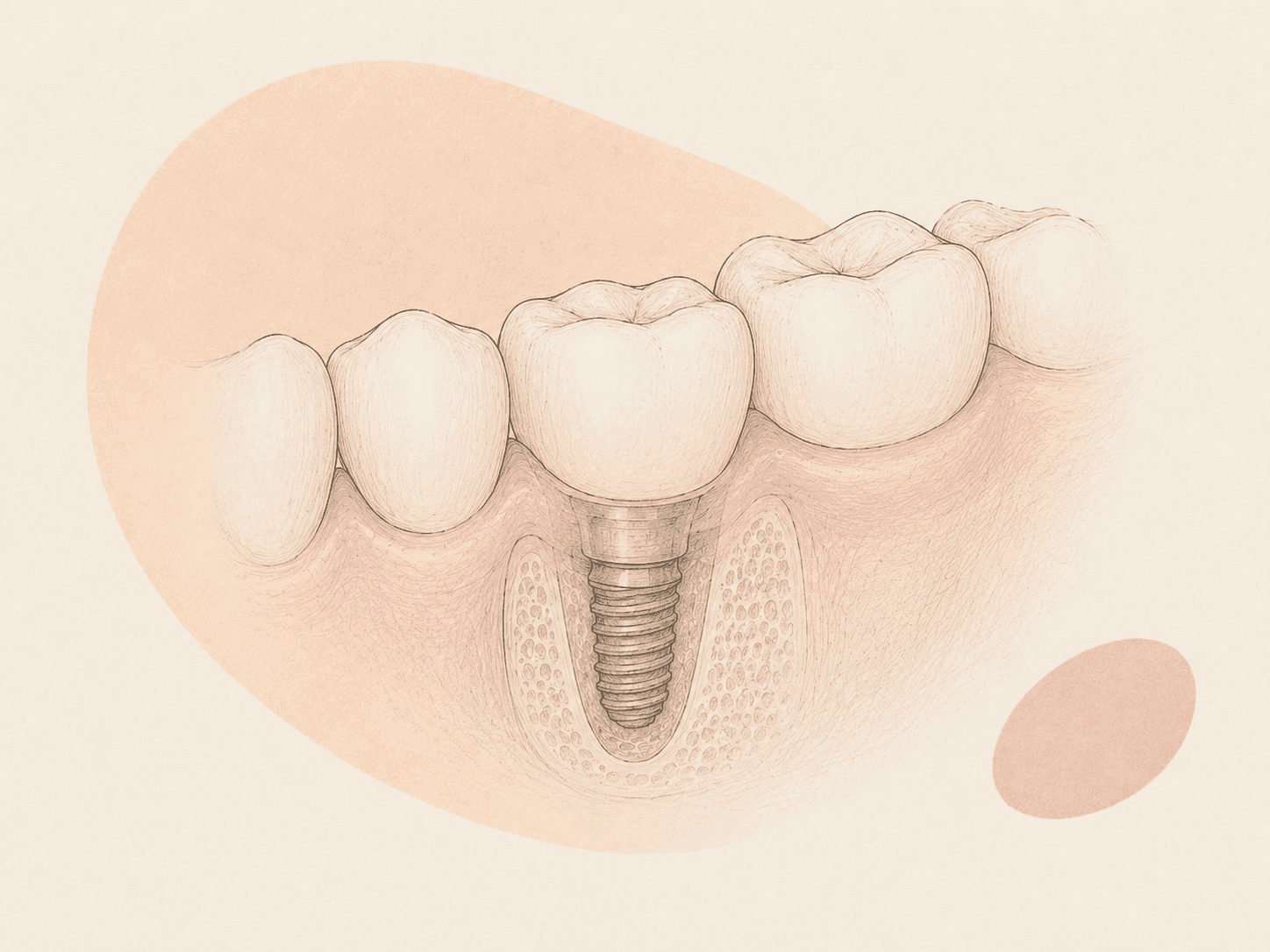
Immediate implant placement is a tooth replacement approach where the implant is placed directly into the extraction socket. It may reduce the number of surgical visits compared with delayed implant placement, but it is not suitable for every tooth, extraction site or patient.
Planning usually depends on dental imaging, infection control, bone support, gum condition and bite forces. For international patients, the schedule should also allow time for early checks, hygiene guidance and travel-readiness review before returning home.
Possible Benefits And Limits Of Same-Day Dental Implants
When an implant clinician confirms that the case is suitable, a same-day dental implant approach may offer practical advantages. These benefits depend on bone quality, gum health, implant stability and the full treatment plan.
- May reduce the number of surgical appointments by combining extraction and implant placement
- Can shorten part of the treatment pathway in selected cases
- May help support the socket area when implant position and bone conditions are appropriate
- Can provide earlier aesthetic support if a temporary tooth can be placed safely
Who May Be Suitable For Immediate Implant Placement
Suitability for immediate implant placement must be confirmed by an implant clinician after an in-person examination, dental imaging and medical history review.
- An extraction site with controlled infection risk and enough bone for primary implant stability
- Healthy gums or gum disease that has been treated and is stable
- Bite conditions that reduce overload risk, especially if immediate loading is being discussed
- Stable general health, including well controlled medical conditions and safe anesthesia planning
- A travel schedule that allows enough time for early post-surgery checks before flying home
Smoking, uncontrolled diabetes, active periodontal disease and teeth grinding may increase complication risk and can affect the recommended timing or technique.
Immediate Implant Placement And Loading Options
Clinics may use different protocols for immediate implant placement and loading. The safest option depends on implant stability, bone and gum conditions, infection control and bite management.
Immediate Implant Placement With Extraction
The tooth is removed and the implant is placed during the same appointment. If needed, the clinician may add bone graft material or a membrane to support the space between the implant and socket walls. A healing component is chosen according to whether one-stage or two-stage healing is planned.
Immediate Loading
A temporary tooth may be placed soon after surgery when primary stability is strong and bite forces can be controlled. This temporary restoration is designed to protect the implant during healing and is not the same as the final crown.
Early Loading
Instead of loading the implant immediately, a temporary or final restoration may be placed after a short healing period. This may reduce risk when immediate loading is not suitable but the clinician expects stable early integration.
Flapless Implant Placement
In a flapless approach, the implant is placed without lifting a gum flap. This may reduce soft tissue disruption in selected cases, but it requires precise planning and is not appropriate when visibility or grafting access is needed.
How Same-Day Implant Treatment May Be Planned
The exact sequence varies with case complexity, but an immediate dental implant pathway usually follows a structured plan from assessment to early healing checks.
Assessment And Imaging
Your clinician reviews your medical and dental history, examines your gums and bite and confirms suitability with dental imaging. Planning focuses on implant position, bone support, infection control and whether immediate loading may be appropriate.
Tooth Extraction
The tooth is removed carefully to protect surrounding bone and soft tissue where possible. If there is active infection or significant bone loss, the clinician may recommend delayed implant placement instead.
Implant Placement
The implant is placed into the prepared site and stability is checked. If needed, grafting may support the socket area. A healing cap or abutment is selected according to the planned healing approach.
Temporary Tooth Planning
If immediate loading is suitable, a temporary tooth may be fitted with careful bite control. If it is not suitable, the site may heal without a temporary tooth or with another protective option based on the clinical plan.
Early Follow-Ups
Check-ups focus on swelling, gum healing, bite comfort and hygiene instructions. Early adjustments can be important, especially when a temporary tooth has been placed.
Anesthesia And Comfort During Immediate Implant Placement
Immediate implant placement is commonly performed with local anesthesia. Some patients may also be offered sedation depending on anxiety level, procedure length and clinic setting, but suitability depends on medical history and anesthesia assessment.
After surgery, discomfort may include gum soreness, swelling or bruising. Pain levels vary by patient and procedure. Follow the clinic’s written medication and hygiene instructions, and contact the clinic promptly if pain worsens, bleeding continues or swelling increases significantly.
Preparing For Immediate Dental Implant Treatment Abroad
Preparation is especially important for an immediate dental implant plan because timing is tight and decisions rely on detailed assessment.
- Share your medical history, allergies and medications, including blood thinners
- Provide previous dental records if available or plan for imaging at the clinic
- Discuss infection control if the tooth has an abscess or there is a history of gum disease
- If you smoke, discuss stopping or reducing smoking because it can increase implant complications
- Plan soft foods, time away from work and a travel schedule that allows early check-ups
- Confirm how you can access dental care after returning home if symptoms arise
Travel Itinerary For Immediate Implant Placement
International patient itineraries vary depending on whether the plan involves immediate implant placement only, immediate loading with a temporary tooth or early loading after a short healing period.
Day 1
Consultation, imaging and clinical assessment. The team confirms whether same-day implant placement is appropriate and explains loading options, aftercare and travel timing.
Day 2
Tooth extraction and implant placement. If immediate loading is suitable, a temporary tooth may be fitted with bite restrictions. You receive written aftercare instructions and a follow-up schedule.
Days 3 To 5
Short check-ups assess swelling, gum healing and bite comfort. Adjustments are common when a temporary tooth is used to protect the implant from overload.
Days 5 To 10
A final in-country review helps guide travel readiness. The clinic checks that healing is progressing and provides remote follow-up steps and emergency contact instructions.
Later Stage
The final crown is commonly fitted after the integration phase, often several months later. Some patients return to the treating clinic while others coordinate restorative steps with a local dentist using detailed documentation from the implant team.
Immediate Implant Placement Recovery And Follow-Up
Healing varies by patient and depends on bone quality, gum health, infection risk and whether a temporary tooth was placed. Your clinician should provide a recovery timeline based on your case.
First 48 Hours
Swelling and gum soreness are common. A soft diet and careful hygiene are usually recommended. Avoid disturbing the surgical area and follow the clinic’s written instructions.
First 1 To 2 Weeks
Gum healing continues and discomfort often improves. If stitches were used, they may dissolve or be removed depending on the material. Bite checks may be needed if a temporary tooth is present.
Weeks 3 To 8
Many people return to normal routines, but chewing precautions may still apply. Good plaque control is important to reduce inflammation around the implant.
Months 3 To 6
Integration progresses and the clinician assesses readiness for the final restoration. Timing may be longer when grafting was required or when the extraction site needed more healing support.
Aftercare At Home After Immediate Implant Placement
After returning home, aftercare focuses on protecting healing tissues, maintaining oral hygiene and watching for early warning signs.
- Follow the clinic’s cleaning instructions for the implant and gumline
- Avoid heavy chewing on the implant area if advised, especially with a temporary tooth
- Attend scheduled follow-ups and share photos or updates if remote checks are part of the plan
- Ask about protection if you grind your teeth, such as a clinician-recommended guard
- Seek dental review if you notice increasing pain, swelling, fever, pus, persistent bleeding or a loose temporary tooth
Risks And Complications Of Immediate Dental Implants
Immediate placement implants may be safe and effective in selected cases, but they carry risks like any dental surgery. Your clinician should explain how these risks apply to your case and how complications would be managed during travel and after you return home.
Common Short-Term Risks
- Swelling, bruising and gum soreness
- Bleeding from the gum incision
- Infection at the extraction or implant site
- Temporary bite discomfort
Integration And Stability Risks
- Insufficient primary stability at placement, leading to a change in plan
- Failure of the implant to integrate with bone
- Early movement or loss of the implant
Risk may increase with smoking, uncontrolled medical conditions, poor plaque control and excessive bite forces.
Immediate Loading Considerations
- Temporary tooth fracture or loosening
- Overload that may compromise healing if bite forces are not controlled
- Need for adjustments or a switch to a non-loaded healing plan
Anatomy-Related Risks
- Nerve irritation or numbness depending on implant location
- Sinus-related issues for some upper jaw implants
- Gum recession or aesthetic concerns in visible areas
Longer-Term Complications
- Inflammation around the implant, including peri-implant mucositis
- Peri-implantitis with bone loss if inflammation is not treated
- Restoration wear or loosening over time
Planning Immediate Implant Placement In Iran Or Turkey
International patients may consider Iran or Turkey for immediate dental implant care when they want access to implant teams, diagnostic imaging, restorative support and coordinated scheduling for travel and follow-ups.
Iran
- Access to implant dentistry teams in major cities, with diagnostic imaging and surgical planning available in selected clinics
- Restorative support for temporary teeth and final crowns when clinically appropriate
- Coordination options that can align consultation, surgery and early follow-ups within a travel schedule
Ask what documentation you will receive for long-term follow-up, including implant system details and a post-travel care plan.
Turkey
- Implant clinics with experience in immediate placement and staged restoration workflows
- Digital planning and lab collaboration that may support provisional and final restorations
- Clinic coordination services that can help manage appointments, recovery checks and travel-readiness review
Ask how the clinic handles urgent concerns after you return home and what follow-up schedule is recommended for your case.
Hear From Patients
Patient Reviews
Questions About Immediate Implant Placement
Need More Help?
Have questions or need support planning your next step? Cura can help you understand the process and prepare for clinic conversations.