Ceramic Inlay And Onlay Restorations Explained
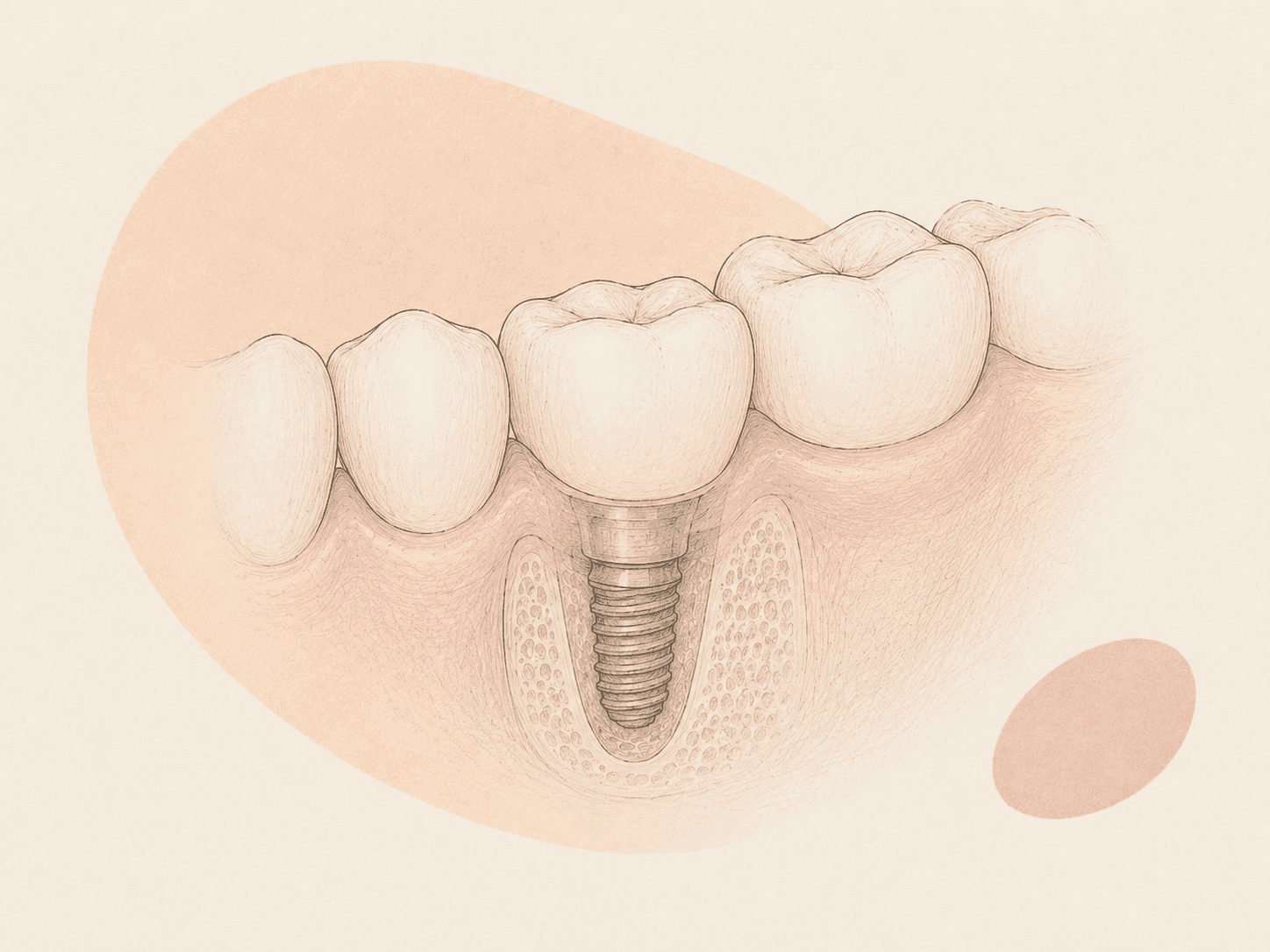
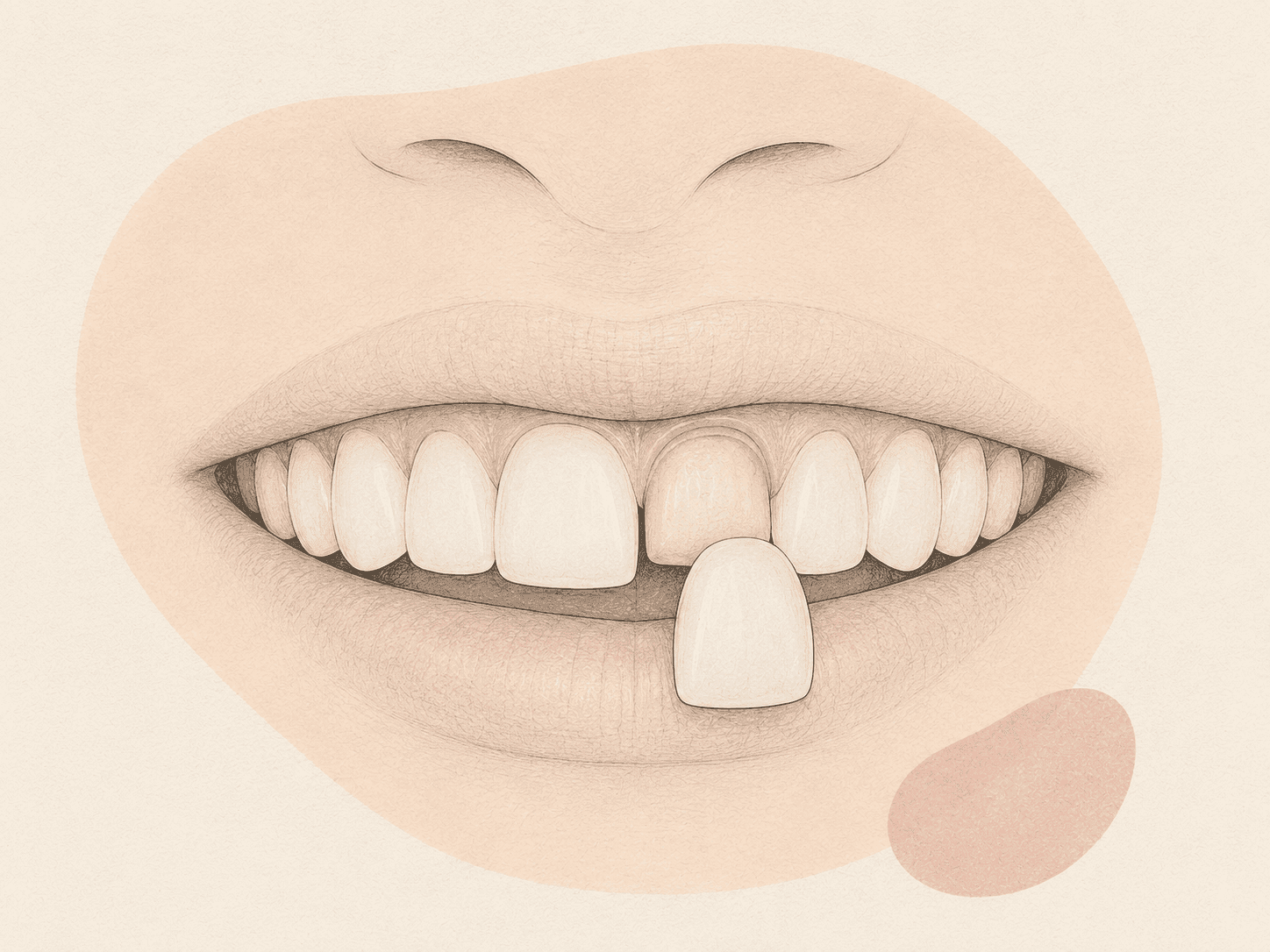
A ceramic inlay or ceramic onlay is a tooth colored indirect restoration that is bonded to the prepared tooth. Unlike a direct filling placed in one visit, an indirect inlay or onlay is made from an impression or digital scan so the shape, fit and contact with nearby teeth can be carefully planned. It may be considered when a tooth needs more coverage than a standard filling but does not require a full crown.
Goals And Possible Benefits Of A Ceramic Inlay/Onlay
- To preserve more natural tooth structure than a full crown when the tooth is suitable
- To rebuild tooth shape and chewing function when a large filling may not be ideal
- To improve appearance with a porcelain inlay or porcelain onlay that blends with natural enamel
- To support strength and wear resistance compared with some large direct fillings, depending on bite forces and bonding conditions
- To reduce the risk of marginal leakage when a well fitted indirect restoration is properly bonded
When A Ceramic Inlay/Onlay May Be Considered
A porcelain inlay or onlay may be considered when a tooth has moderate decay or damage, enough healthy tooth structure remains for bonding and the gum condition allows clean restoration margins. Your dentist will also review bite forces, clenching or grinding, older restorations and any signs of deep decay or nerve irritation.
After examination and imaging, a dental professional can confirm whether a dental inlay, dental onlay, crown or another treatment is more appropriate. For international patients, planning should also include enough time for follow-up visits and a clear plan for sensitivity or bite adjustments before flying home.
Ceramic Inlay/Onlay Types And Digital Options
Ceramic inlays and onlays can be made through a conventional dental laboratory process or with a chairside CAD/CAM system. The suitable approach depends on tooth complexity, available materials, the clinician’s workflow and how the treatment schedule fits your travel plan.
Ceramic Inlay
A ceramic inlay restores the area inside the cusps of the tooth. It is often used when decay or an older filling affects the central chewing surface while the cusps remain stable.
Ceramic Onlay
A ceramic onlay covers one or more cusps and is sometimes described as a partial crown. It may be considered when a cusp is weakened or fractured and needs coverage to reduce the risk of further cracking.
CAD/CAM Ceramic Inlay/Onlay
A CAD/CAM porcelain inlay or porcelain onlay is designed from a digital scan and milled from a ceramic block. In suitable cases, this may allow same day completion. Some teeth still benefit from a laboratory made restoration and not every case is suitable for same day treatment.
How A Ceramic Inlay Or Onlay May Be Placed
The exact process depends on the clinic workflow and whether the restoration is made in a laboratory or with CAD/CAM. Your dentist should explain the plan, confirm that the tooth is suitable and outline how many visits are expected.
Assessment And Planning
The dentist examines the tooth, checks gum health and bite and usually takes dental imaging. If there are signs of deep decay, cracks or nerve inflammation, another treatment may be recommended.
Tooth Preparation
After local numbing, the dentist removes decay or old restorative material and shapes the tooth for an indirect inlay or indirect onlay. A temporary restoration may be placed if the final piece is not fitted the same day.
Impression Or Scan
A digital scan or impression records the prepared tooth and bite. Shade matching may also be done so the ceramic restoration blends with nearby teeth.
Fabrication
The porcelain inlay or porcelain onlay is made either by a dental laboratory or through chairside milling and finishing. Before final bonding, the dentist checks the fit, contact points and bite.
Bonding And Final Checks
The tooth and restoration are prepared for bonding, then the inlay or onlay is seated and cured. The dentist adjusts the bite if needed and explains aftercare.
Local Anesthesia And Comfort During Treatment
Ceramic inlay and onlay treatment is usually performed with local anesthesia to numb the tooth and surrounding tissues. Some patients feel pressure during tooth preparation. Mild to moderate soreness in the jaw or gums may occur afterward, depending on tooth location and visit length.
Short-term sensitivity to cold, heat or chewing can occur after a dental inlay or dental onlay, especially when the preparation is deeper. If pain increases, continues or is linked with swelling, contact the treating clinic promptly for assessment.
Preparing For A Porcelain Inlay/Onlay Abroad
Preparation for a porcelain inlay or onlay is usually straightforward, but international patients should still plan appointments, records and follow-up time carefully.
Before You Travel
- Share recent dental X-rays or records if available and disclose allergies and medical conditions
- Ask how many visits are expected for a ceramic inlay, ceramic onlay or CAD/CAM option
- Allow time for bite checks and possible adjustments before your return flight
- If you take blood thinners or other long-term medication, discuss this with your prescribing clinician and dentist before treatment
Before The Appointment
- Eat beforehand unless your dentist gives different instructions
- Avoid arriving sleep deprived, especially if dental treatment makes you anxious
- Bring a medication list and any relevant medical or dental documents
Typical Visit Schedule For Ceramic Inlay/Onlay Treatment
Timing depends on whether the restoration is made by a laboratory or completed with CAD/CAM. The clinic should confirm the schedule before you book travel.
Option A: Two Visit Workflow
- Day 1: Consultation, imaging, tooth preparation, impression or scan and temporary restoration
- Day 2 to 5: Porcelain inlay or porcelain onlay fabrication and quality checks
- Final visit: Try in, bonding, bite adjustment and aftercare review
- Before flying: Allow time for comfort checks and minor adjustments if needed
Option B: Same Day CAD/CAM
- Same day visit: Scan, preparation, milling, finishing, bonding and bite adjustment
- Next day check: Some clinics recommend a short follow-up to review bite comfort and sensitivity before travel home
Recovery And Tooth Sensitivity After A Ceramic Inlay/Onlay
Recovery after a ceramic inlay or onlay is often quick, but sensations can change while the bite settles and the tooth adapts.
First 24 Hours
Numbness wears off and mild gum tenderness may appear. Some patients notice sensitivity to temperature or pressure, especially after deeper restorations.
First Week
The bite may begin to feel more natural as you chew. If the restoration feels high or you avoid chewing on that side, a simple bite adjustment may be needed.
Longer-Term Tooth Comfort
Sensitivity often settles over time. Persistent pain or spontaneous aching should be assessed to check for pulp inflammation or an undetected crack.
Aftercare And Follow-Up For A Porcelain Inlay/Onlay
Good oral hygiene and sensible chewing habits can help protect a porcelain inlay or onlay over time.
Care At Home
- Brush and floss carefully around the restored tooth to reduce decay risk at the margins
- Avoid very hard foods early on if your dentist advises this, especially after a dental onlay that covers cusps
- If you clench or grind, ask whether a night guard may help reduce stress on the ceramic
Remote Checks
- Track bite comfort and sensitivity during the first week
- Use photos and short notes to update your coordinator or clinic if problems develop after returning home
- Arrange routine dental check-ups with your local dentist for ongoing maintenance
Risks And Possible Complications Of Ceramic Inlays And Onlays
Many ceramic inlay and onlay treatments are completed without major problems, but it is important to understand possible risks and know when to request a review.
More Common Issues
- Temporary sensitivity to cold, heat or chewing
- A bite that feels high or uneven and needs adjustment
- Gum irritation near the restoration margin
Less Common Risks
- Debonding or loosening of the indirect inlay or indirect onlay
- Chipping or fracture of the ceramic, especially with heavy bite forces
- Recurrent decay at the edge of the restoration
- Pulp inflammation that may require root canal treatment
- Undetected cracks that later cause pain
When To Contact The Clinic
- Increasing pain, swelling or fever
- Severe bite discomfort that prevents normal chewing
- The restoration feels loose or comes out
Planning Ceramic Inlay/Onlay Treatment In Turkey Or Iran
International patients often compare dentistry destinations by looking at clinician experience, clinic standards, ceramic materials, communication quality and how well the journey is coordinated from consultation through follow-up.
Turkey
Turkey is commonly considered for restorative dentistry because many clinics work with modern diagnostic imaging and digital workflows that may support ceramic inlay or onlay planning. Careful comparison is still important, including dentist experience, material selection, communication quality and whether follow-up checks can fit within your travel window.
Iran
Iran is also considered for restorative dentistry, with established dental centers in major cities and access to contemporary ceramic materials. For a porcelain inlay or porcelain onlay, international patients should look for clear imaging, bite assessment, post-treatment communication and a practical plan before returning home.
Hear From Patients
Patient Reviews
Questions About Ceramic Inlay/Onlay
Need More Help?
Have questions or need support planning your next step? Cura can help you understand the process and prepare for clinic conversations.