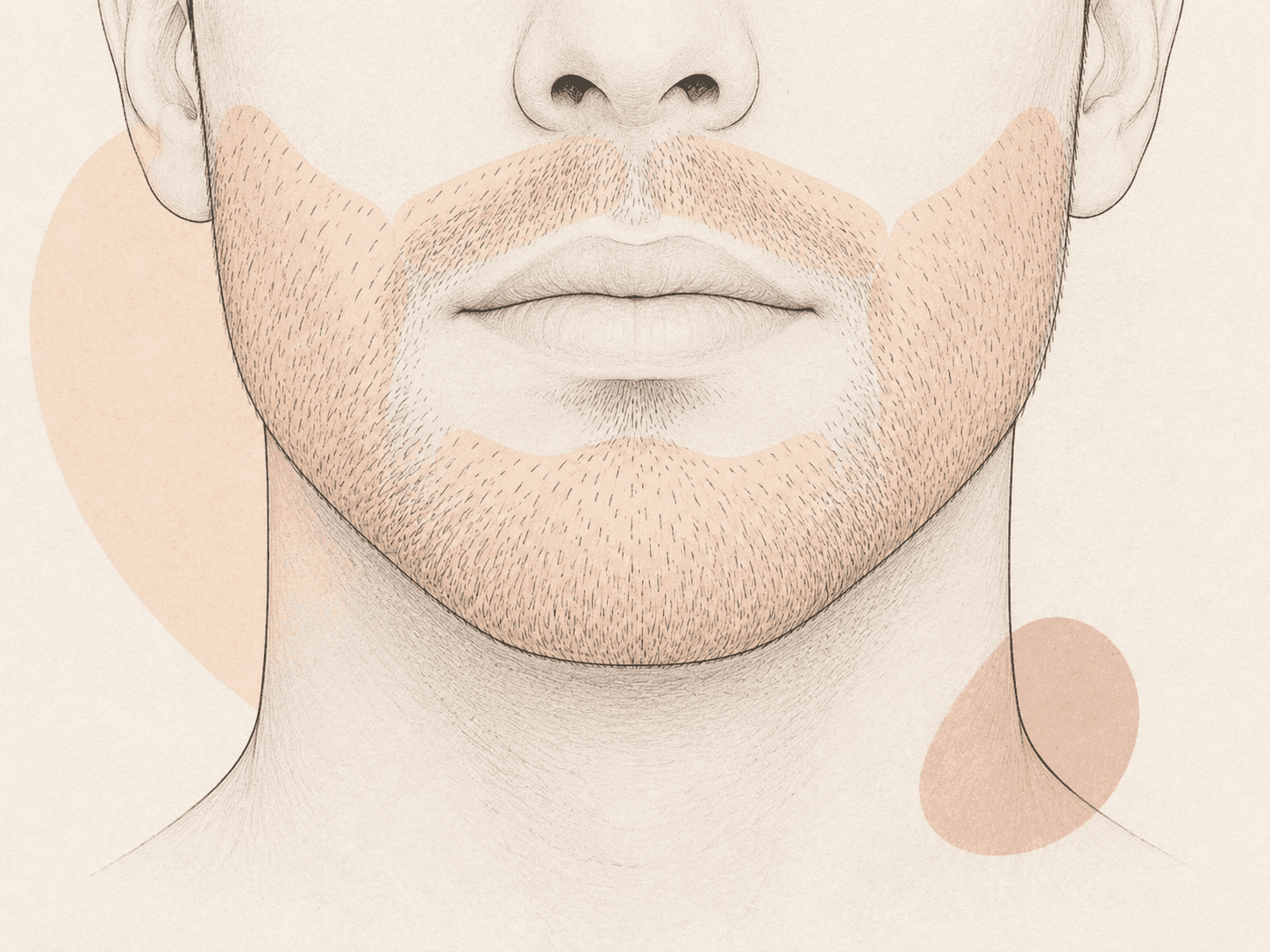
Gingivectomy And Gum Contouring Explained
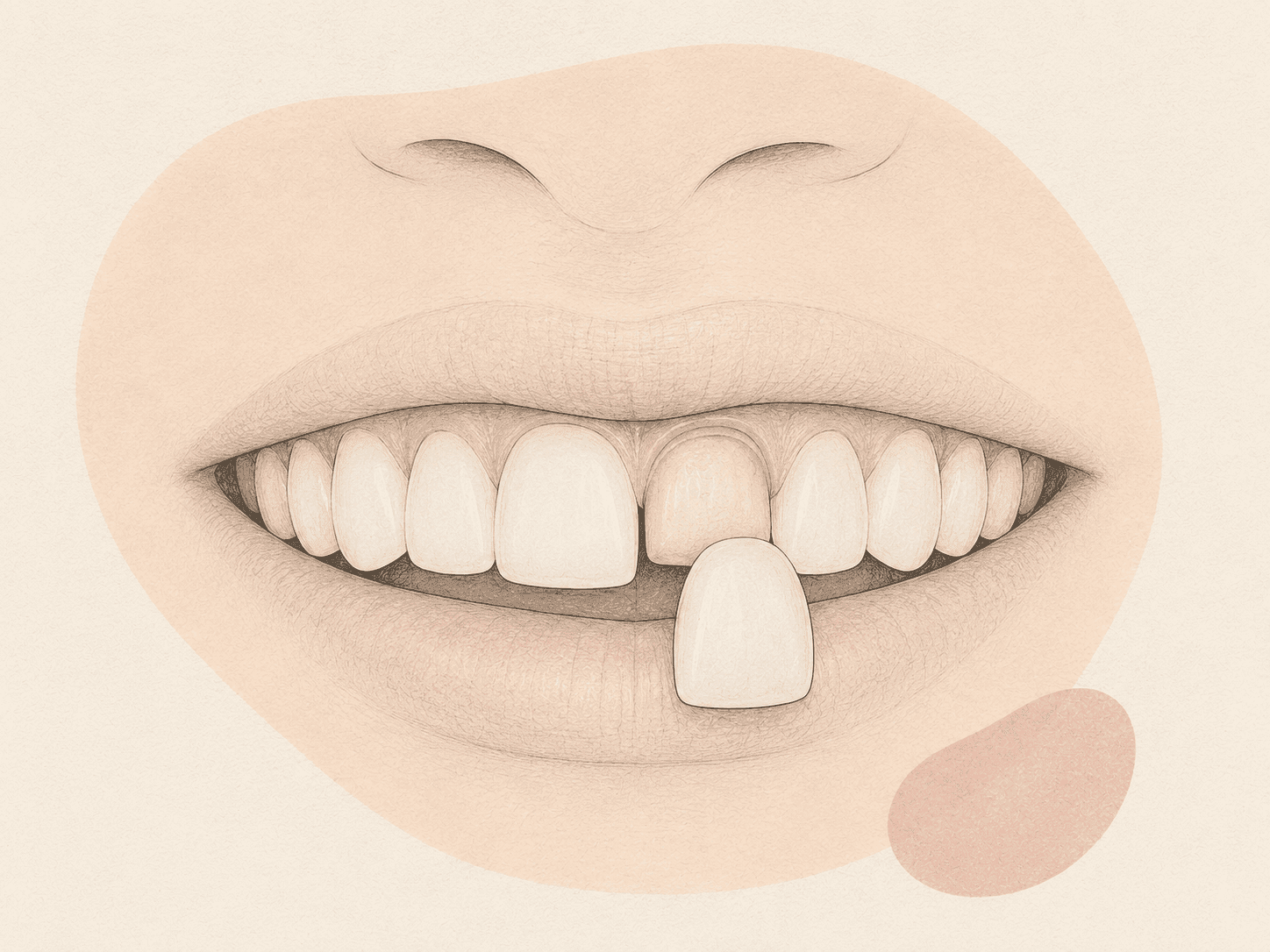
A gingivectomy is the planned removal or reshaping of gum tissue to improve gum contour or manage selected gum pocket concerns. When used for cosmetic gum contouring, the goal is usually to create a more balanced gumline so the teeth look more even. In periodontal care, it may be considered when excess gum tissue or pocket anatomy makes cleaning more difficult.
Gingivectomy is different from procedures that reposition bone or change the deeper gum attachment level. Your clinician should confirm whether gum reshaping alone is appropriate or whether another periodontal procedure needs to be discussed.
Goals Of Gingivectomy And Gum Reshaping
- A more balanced smile line by refining uneven gum heights in suitable cases
- Reduction of excess gum tissue when overgrowth affects appearance or hygiene
- Easier cleaning around areas where gum shape traps plaque
- Improved access and visibility for planned dental restorations when clinically appropriate
Who May Need Gingivectomy Or Gum Contouring
Gingivectomy or gum contouring may be discussed for people with stable gum health, healthy supporting bone and teeth and a clear reason for reshaping the gumline. Suitability depends on gum thickness, the position of the gum attachment, tooth proportions and how much gum shows when smiling.
Gingival contouring may not be suitable when there is active gum infection, uncontrolled medical conditions that affect healing or a risk that reshaping could expose tooth roots and increase sensitivity. A dentist or periodontist can confirm whether the procedure is appropriate after a clinical examination and, when needed, dental imaging and periodontal measurements.
Gingivectomy Technique Options
Gingivectomy can be performed with different methods. The suitable option depends on the area being treated, gum thickness, bleeding control needs and clinician experience. Your provider should explain which technique is recommended and why it fits your case.
Laser Gingivectomy
Laser gum contouring uses focused energy to reshape gum tissue. It may support precision and bleeding control in selected cases, but technique and settings still need careful planning to protect surrounding tissue.
Scalpel Gingivectomy
Scalpel gingivectomy uses hand instruments to remove and shape gum tissue. It is a well-established approach and may be preferred for certain gum types or when direct tactile control is important during contouring.
Electrosurgery Gingivectomy
Electrosurgery gingivectomy uses electrical energy to cut and coagulate tissue. It can help with bleeding control in some situations, but it requires careful technique to reduce unwanted heat effects.
How Gingivectomy May Be Performed
The steps can vary depending on whether gingivectomy is planned for gum health or cosmetic gum contouring and whether it is combined with other dental treatment.
Assessment And Gumline Planning
The clinician reviews your goals, checks gum health and measures the gums. Photos and dental imaging may be used to confirm whether gum reshaping is suitable and to plan the gumline.
Local Numbing And Comfort Check
Local anesthesia is usually used to numb the treatment area. The dental team checks your comfort before gum reshaping begins.
Careful Tissue Reshaping
Gum tissue is removed or contoured using the planned technique. The clinician checks symmetry, gum margins and overall appearance during the procedure.
Bleeding Control During Treatment
Bleeding is managed during and after contouring. A protective dressing may be placed in some cases, depending on the extent and location of treatment.
Aftercare And Follow-Up Instructions
You receive written guidance on hygiene, diet and activity, along with warning signs that require prompt contact with the clinic. A follow-up visit is usually planned to review healing.
Anesthesia And Comfort During Gum Contouring
Gingivectomy and gum contouring are most often performed with local anesthesia. During the procedure, you may feel pressure or movement but should not feel sharp pain. After treatment, mild to moderate soreness, sensitivity and swelling can occur for a short period, especially when several teeth are treated.
Discomfort varies based on the technique, treated area and individual healing. Your clinic should explain which pain control options may be appropriate and which symptoms should be reviewed.
Preparing For Gingivectomy Abroad
Preparation for gingival contouring should begin before travel. International patients should allow enough time for in-person review, early healing checks and possible minor adjustments before flying home.
Before You Travel
- Share recent dental records, photos and X rays if available
- List medications, allergies and medical conditions that may affect healing
- Ask whether gum contouring will be combined with other dental work and how this affects timing
- Plan buffer days for follow-up checks before your return flight
Before The Procedure
- Follow clinic instructions on eating and oral hygiene
- Avoid smoking and nicotine if advised because they can affect gum healing
- Discuss any history of bleeding issues or previous gum treatment
Example Travel Itinerary For Gingivectomy
The schedule depends on how many teeth are treated and whether gingivectomy is combined with other procedures. Your clinic should confirm a tailored plan before flights are booked.
Example Travel Plan
- Day 0: Arrival and pre-visit review of goals and medical history
- Day 1: In-person examination, measurements, photos and gum contouring or gingivectomy
- Day 2 to 3: Healing check, hygiene review and symptom guidance
- Day 5 to 7: Second check if needed, with bite and aesthetic review if combined with restorative work
- Fly home: After the clinic confirms bleeding is controlled and healing is progressing as expected
Gingivectomy Recovery And Gum Healing Timeline
Healing after gum reshaping happens in stages. Your timeline depends on the extent of treatment, gum health and how closely aftercare instructions are followed.
First 48 Hours
Mild bleeding or oozing can occur early, along with tenderness and swelling. Soft foods and careful oral hygiene are often recommended.
First Week
Soreness often improves gradually. The gums may look uneven during early healing and may appear lighter or redder as the tissue recovers.
Two To Four Weeks
Gum tissue usually becomes more stable. If gum contouring was performed for aesthetic reasons, the appearance can continue to refine as swelling settles.
One To Two Months
Healing generally matures over time, but timelines vary. Your clinician may advise waiting before certain cosmetic dental work if tissues need longer to stabilize.
Aftercare And Follow-Up After Gingivectomy
Aftercare helps protect healing gums and supports a more stable gumline after gingival contouring.
At-Home Gum Care
- Follow clinic instructions on brushing and flossing around the treated area
- Use any mouth rinse or hygiene products only as directed by your dentist
- Choose softer foods early and avoid very hot, spicy or hard foods if advised
- Avoid smoking and nicotine during healing if recommended by your clinician
After You Return Home
- Keep follow-up communication open if ongoing pain, swelling or bleeding develops
- Ask about remote photo check-ins during the first few weeks
- Arrange routine dental check-ups locally for long-term gum health
Risks And Possible Complications Of Gingivectomy
Gingivectomy and gum contouring are common dental procedures, but risks can still occur. Understanding them helps international patients plan travel, aftercare and follow-up more carefully.
More Common Risks
- Temporary bleeding or oozing
- Swelling and tenderness
- Short-term sensitivity to cold or brushing
- Gum irritation along the margins
Less Common Risks
- Infection or delayed healing
- An uneven gumline that may need refinement
- Gum recession or root exposure with increased sensitivity
- Changes in the appearance of spaces between teeth if tissue contours change
- Thermal injury risk with energy-based techniques if not properly controlled
When To Seek Review
- Heavy bleeding that does not settle
- Worsening swelling, fever or foul taste
- Severe pain that is not improving
- Concerns about symmetry or healing before you travel home
Planning Gingivectomy In Turkey Or Iran
International patients may compare destinations for gum contouring based on clinician experience, clinic standards, access to suitable tools and how clearly care is coordinated before and after treatment.
Turkey
Turkey is often considered for cosmetic dentistry and periodontal services because many dental centers work with digital planning, modern sterilization protocols and several gingivectomy methods, including laser options. Patients should still compare clinician credentials, facility standards, communication quality and the plan for early healing checks before returning home.
Iran
Iran is commonly considered for dentistry because major cities have established dental and periodontal practices and access to contemporary equipment used for gum reshaping and gum health care. A structured plan for assessment, technique selection and follow-up communication helps international patients travel with clearer expectations and more careful monitoring.
Hear From Patients
Patient Reviews
Questions About Gingivectomy
Need More Help?
Have questions or need support planning your next step? Cura can help you understand the process and prepare for clinic conversations.