What is Dental Care?
What Dental Treatment May Include
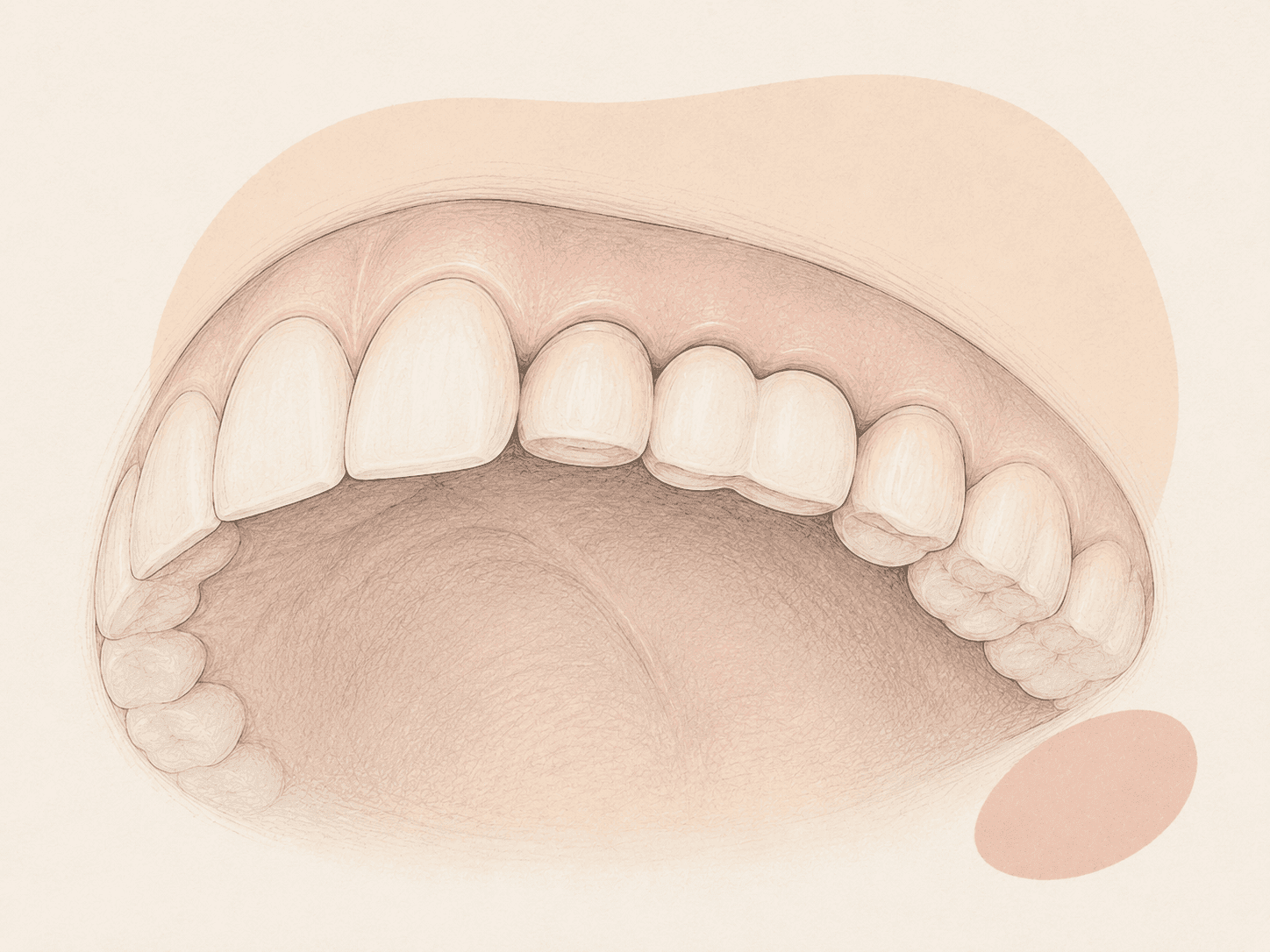
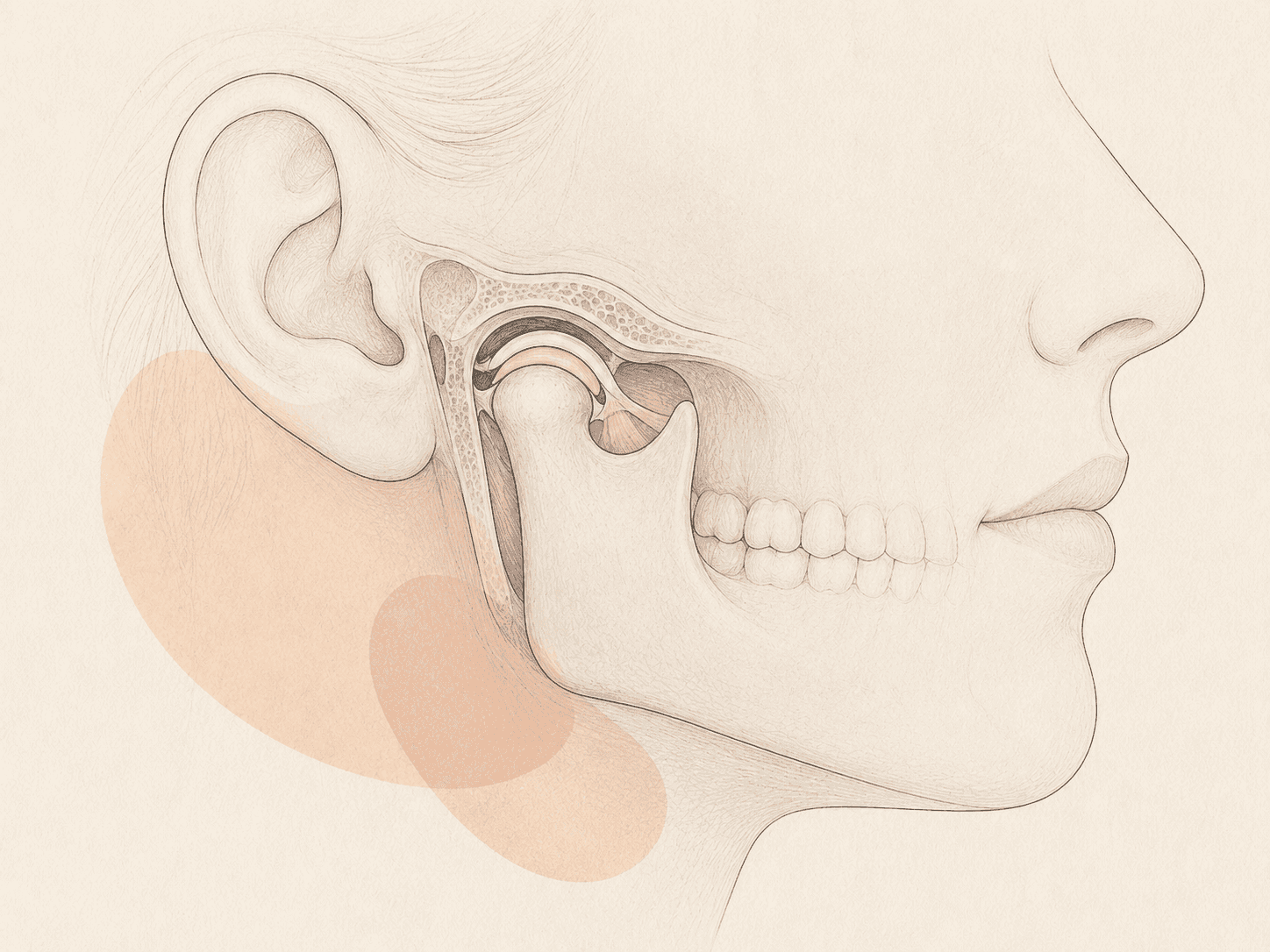
Dentistry focuses on preventing, diagnosing and treating conditions that affect the teeth, gums, bite and supporting oral structures. It may also include restorative and cosmetic options that aim to improve chewing comfort, oral health and smile appearance. This information is general and does not replace an assessment by qualified dental clinicians who can review your specific needs.
Dental treatments often fall into several groups:
- preventive care such as dental check-ups, professional cleaning, fluoride guidance and oral hygiene planning
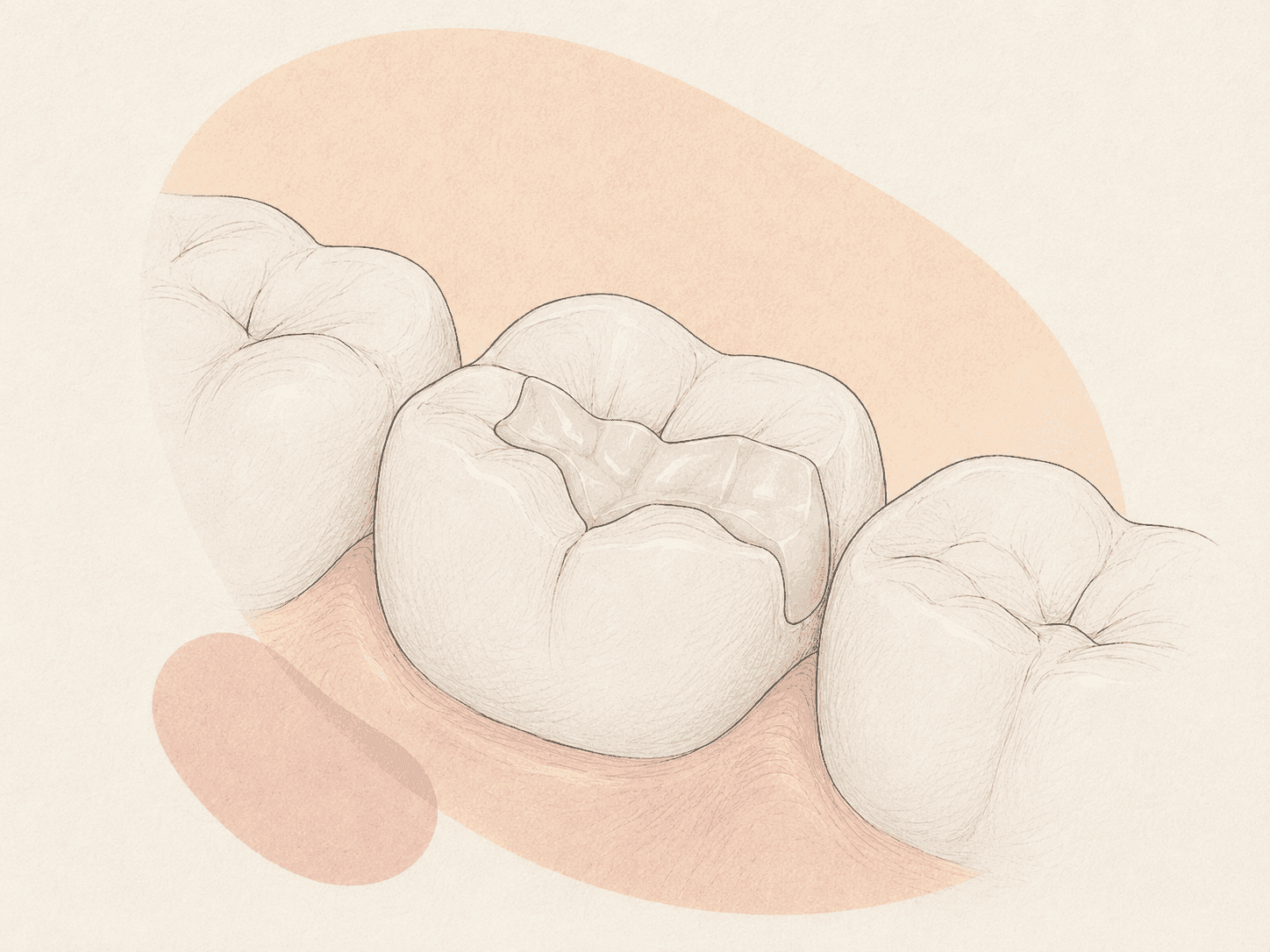
- restorative dentistry such as fillings, inlays, onlays and crowns to repair damaged teeth
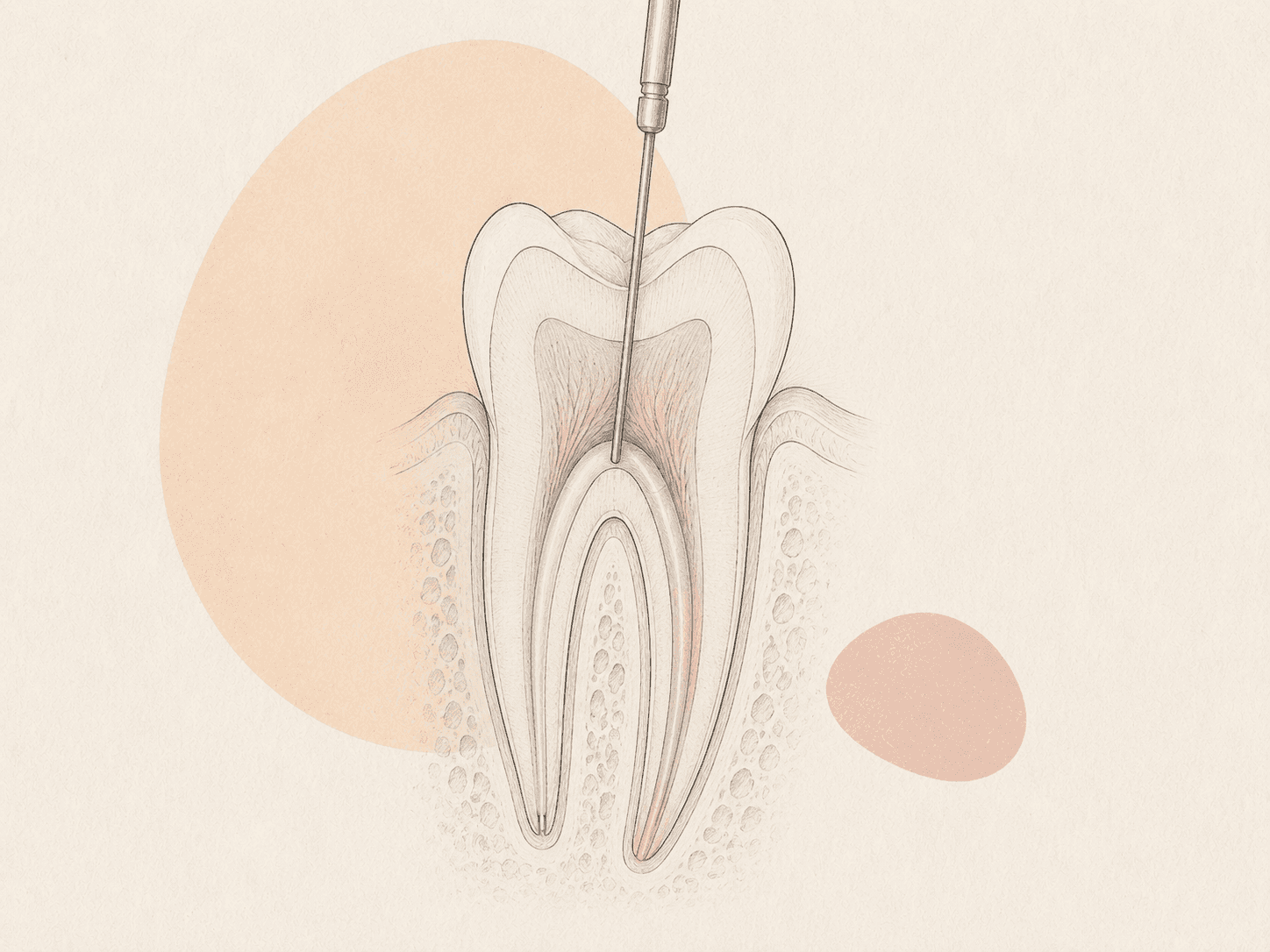
- endodontic care such as root canal treatment when the tooth pulp is affected
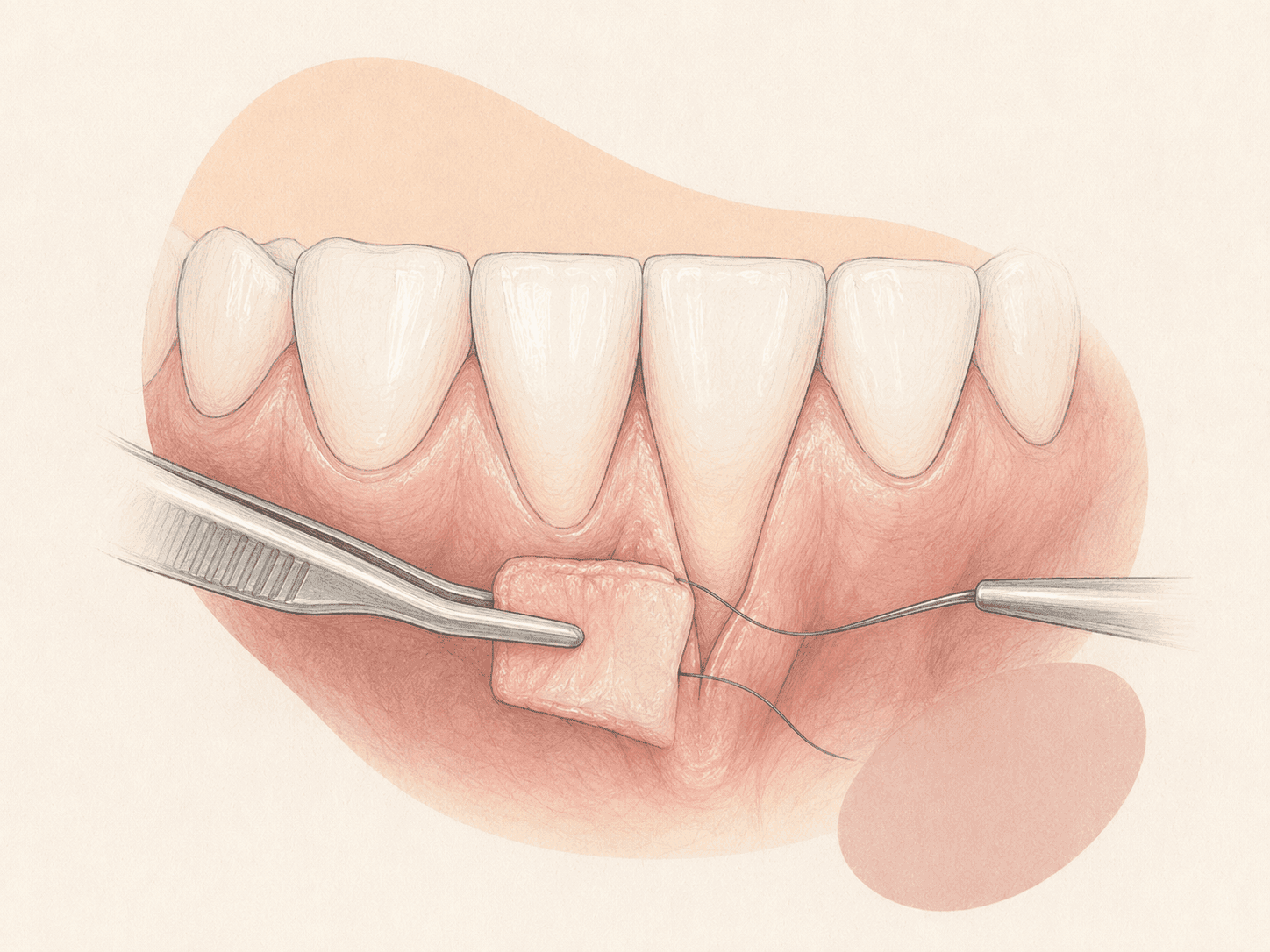
- periodontal care such as gum evaluation, deep cleaning and planning for gum disease management
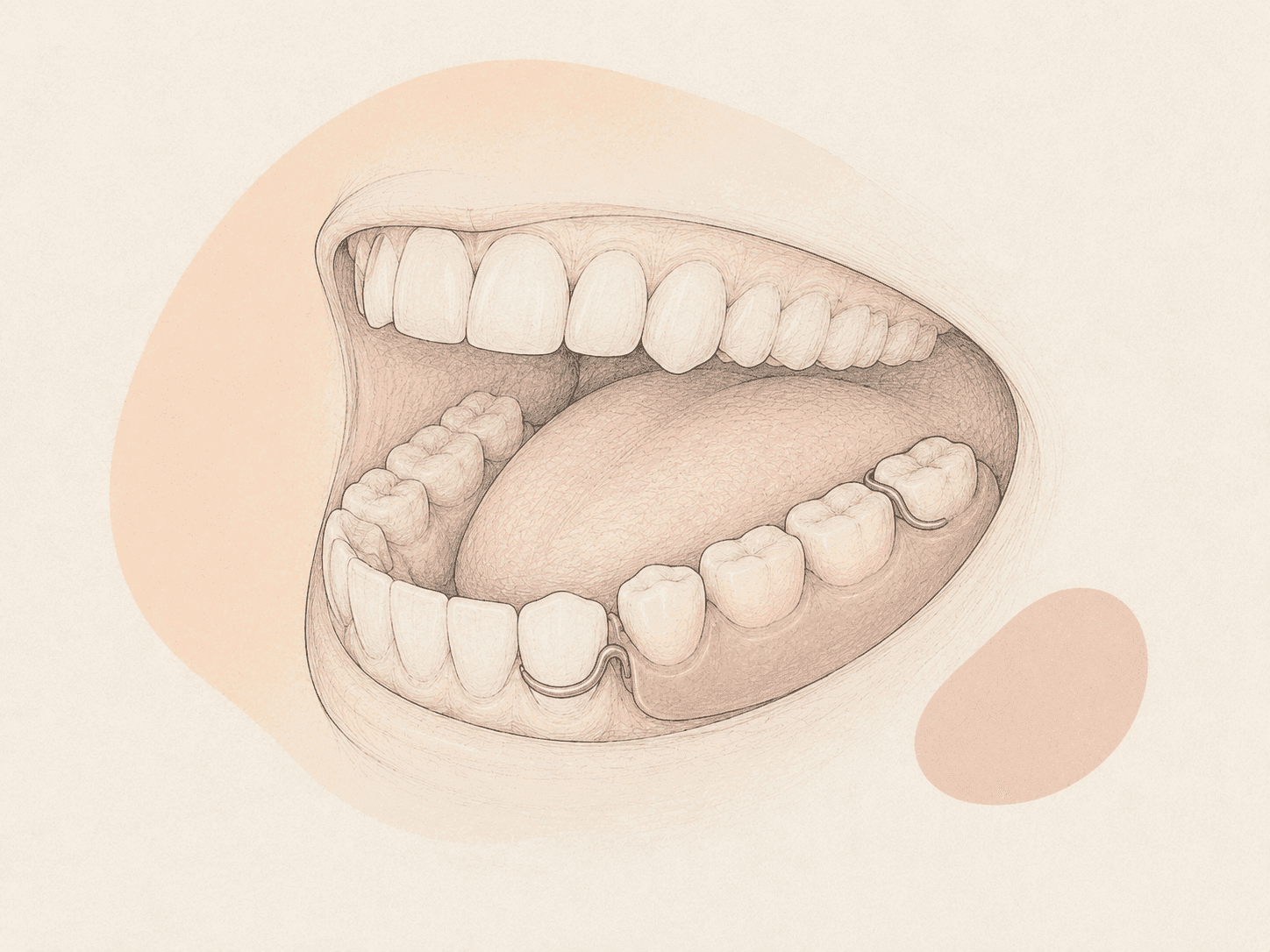
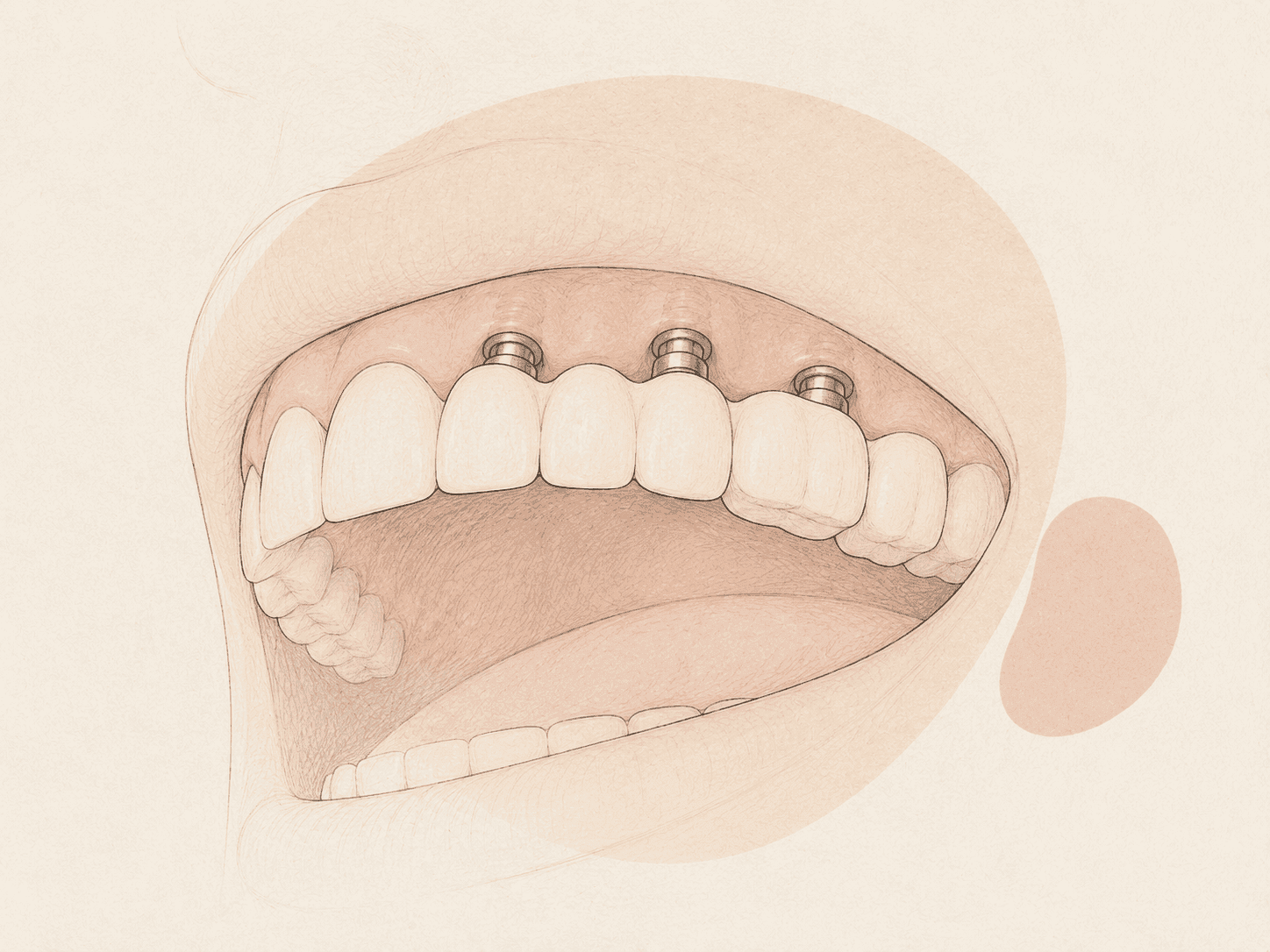
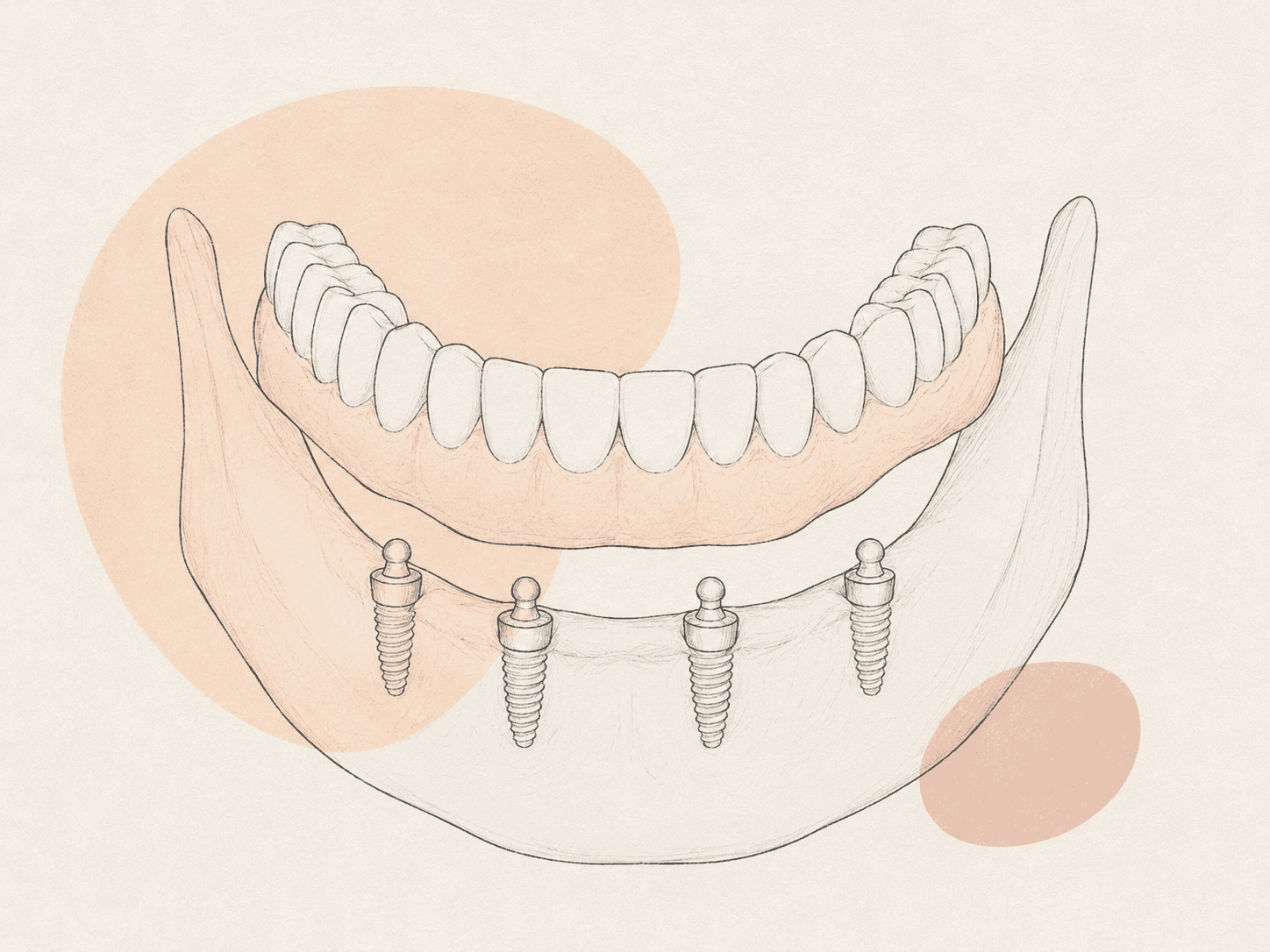
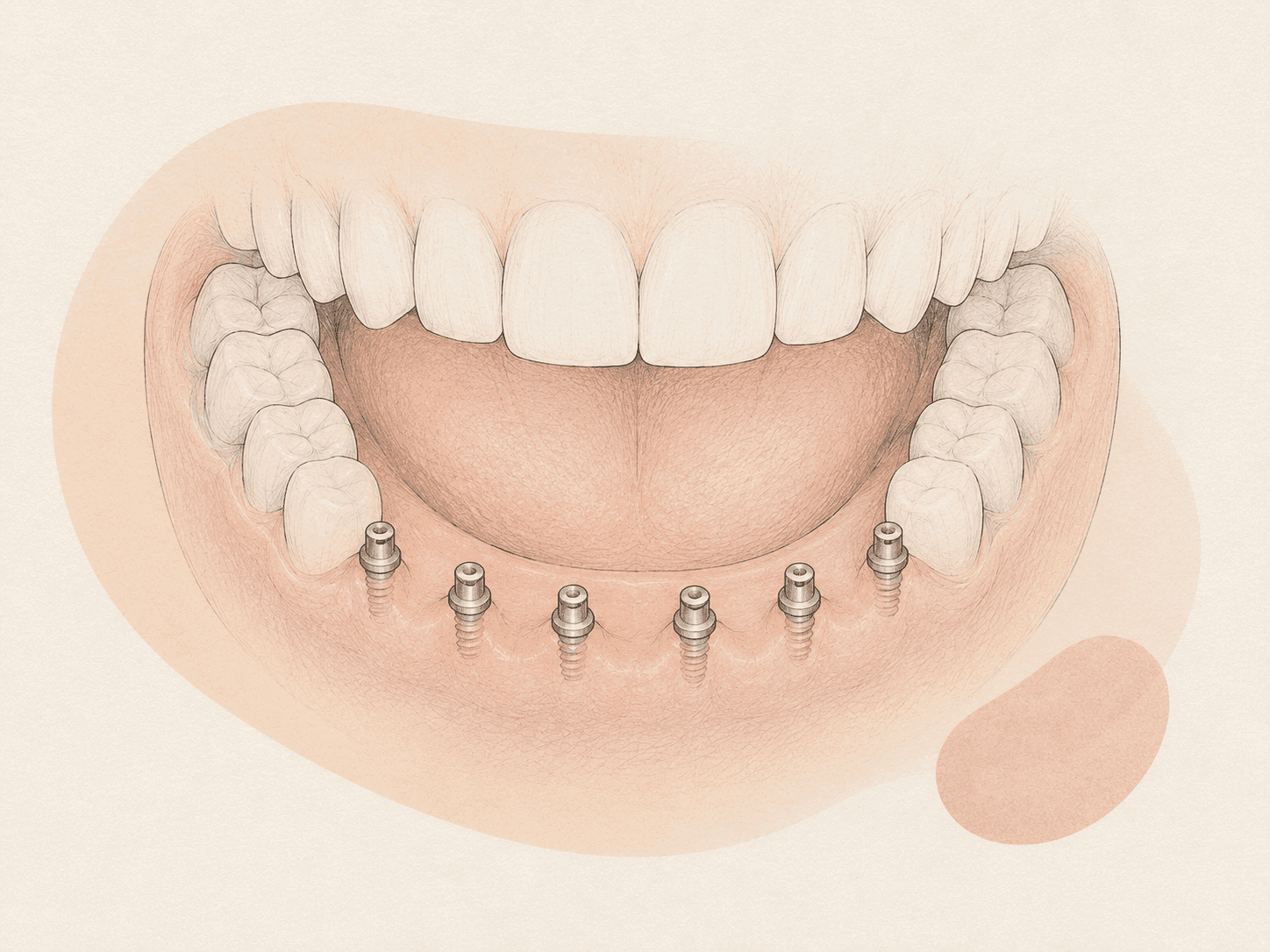
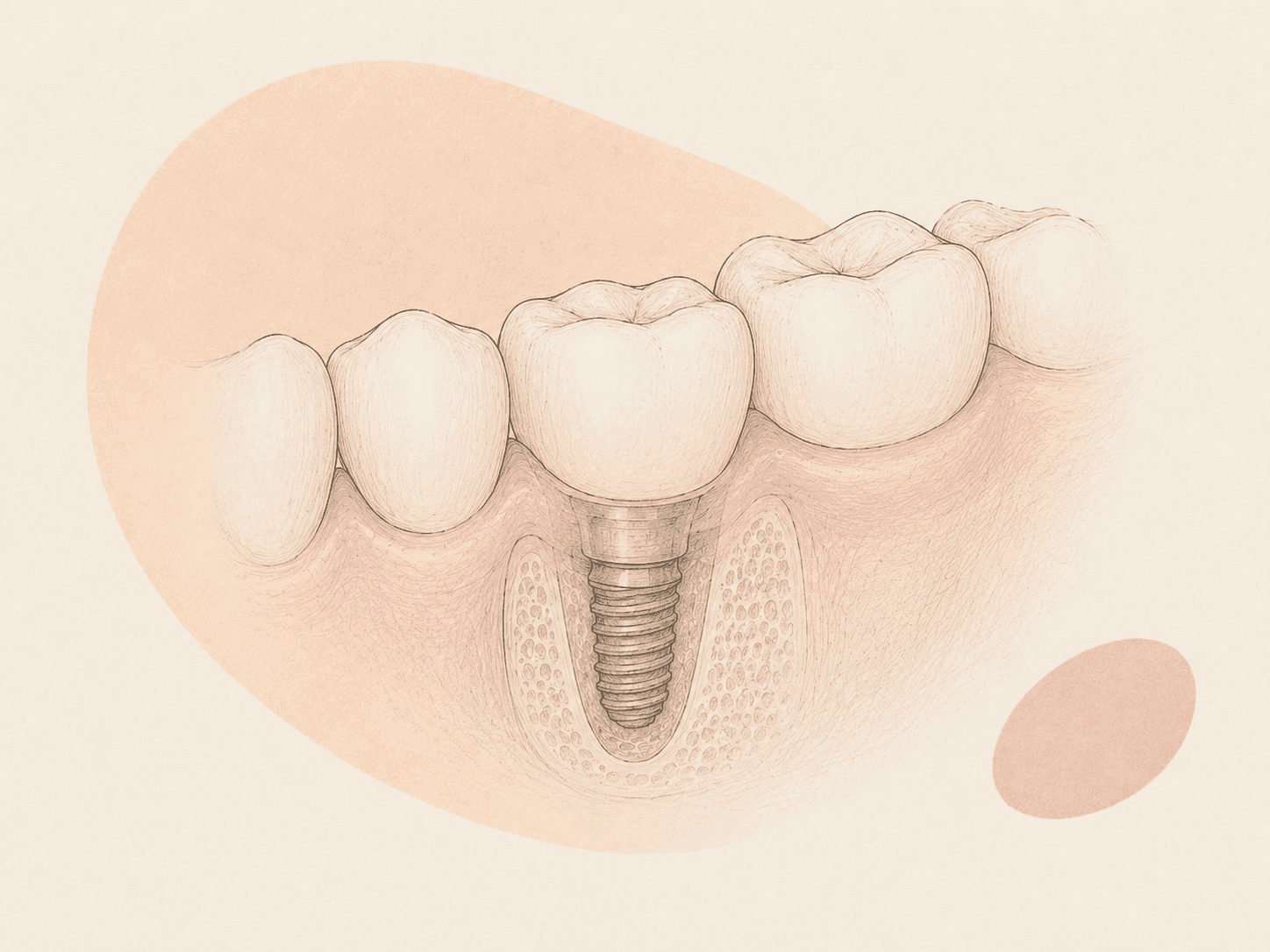
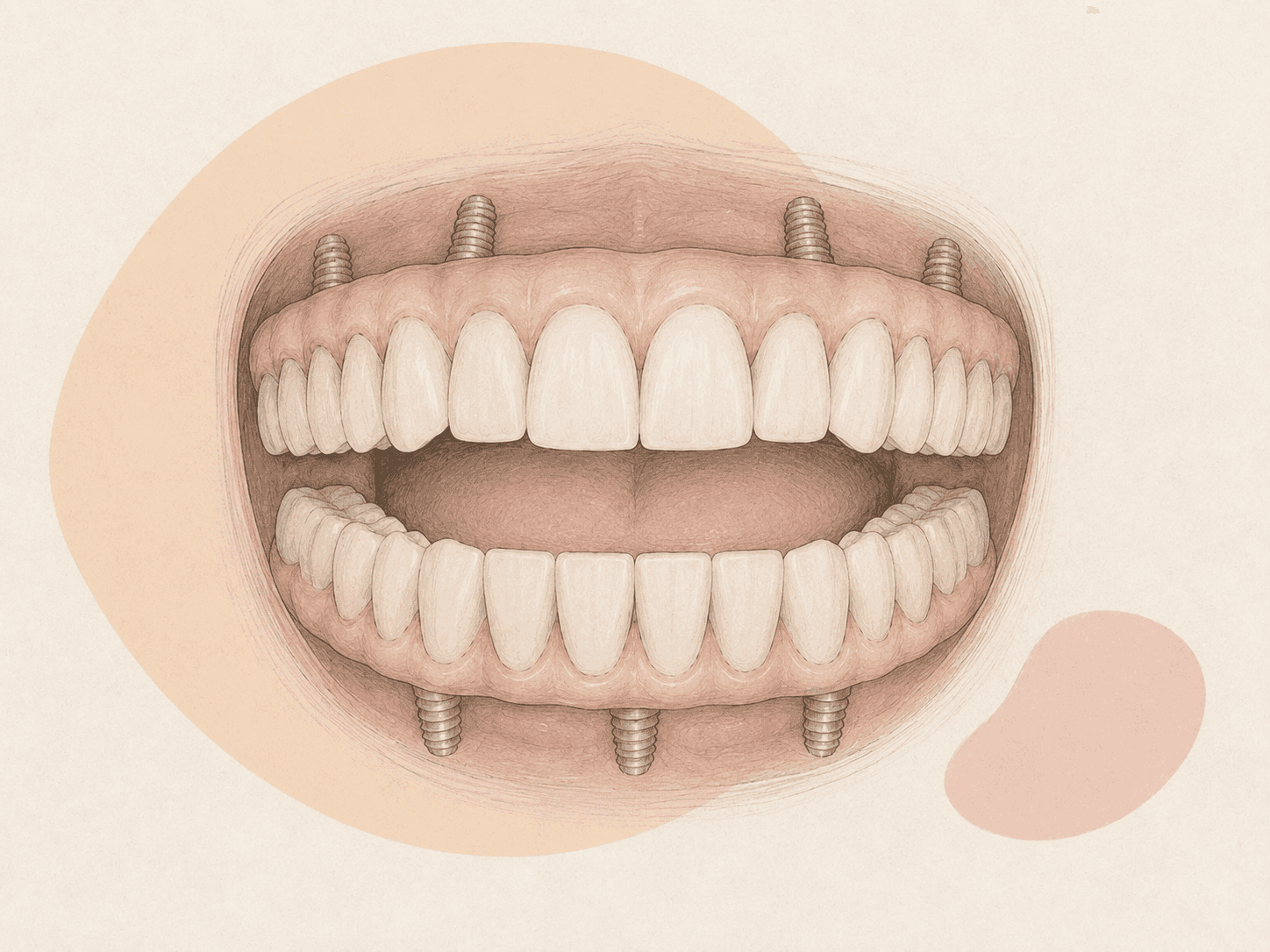
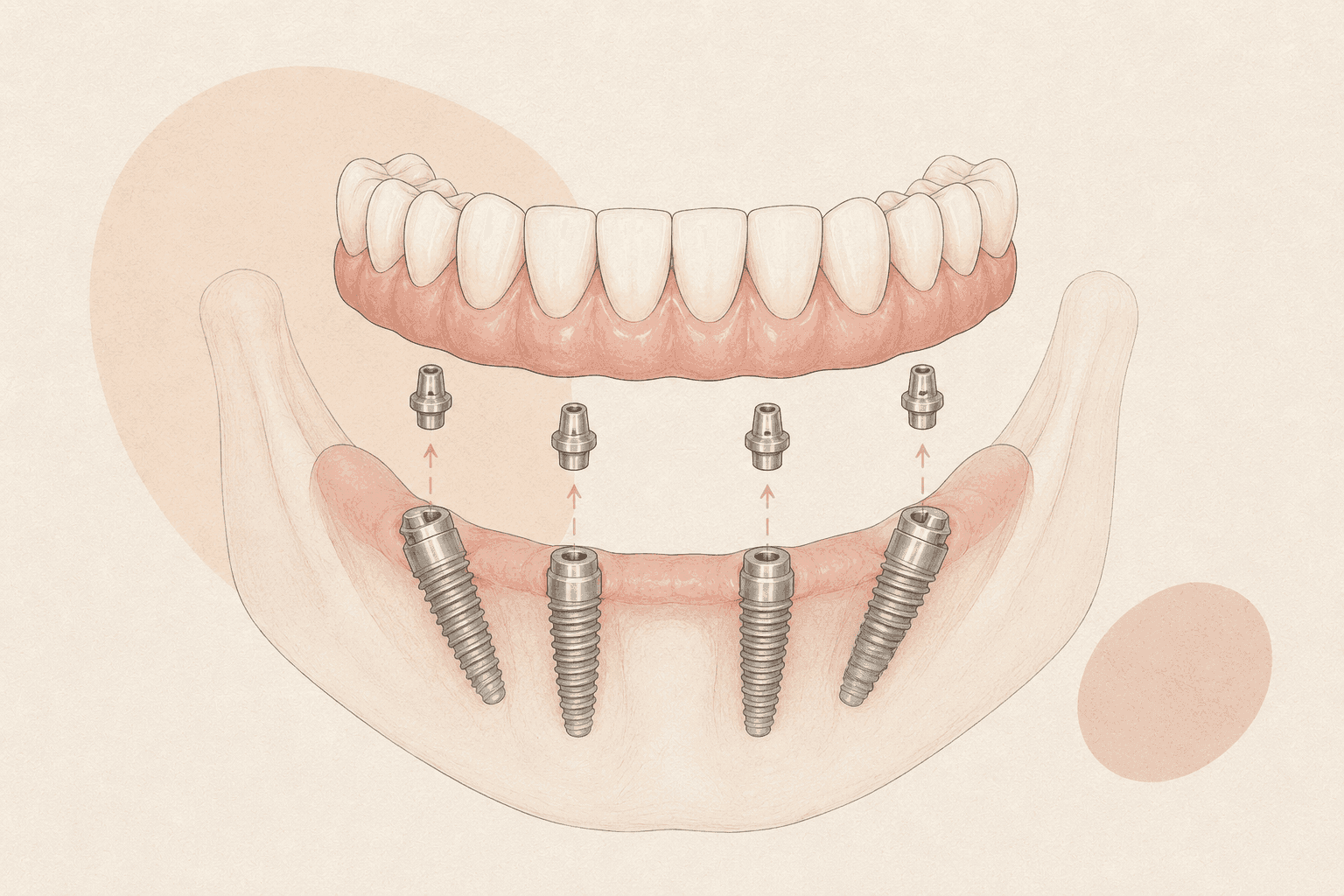
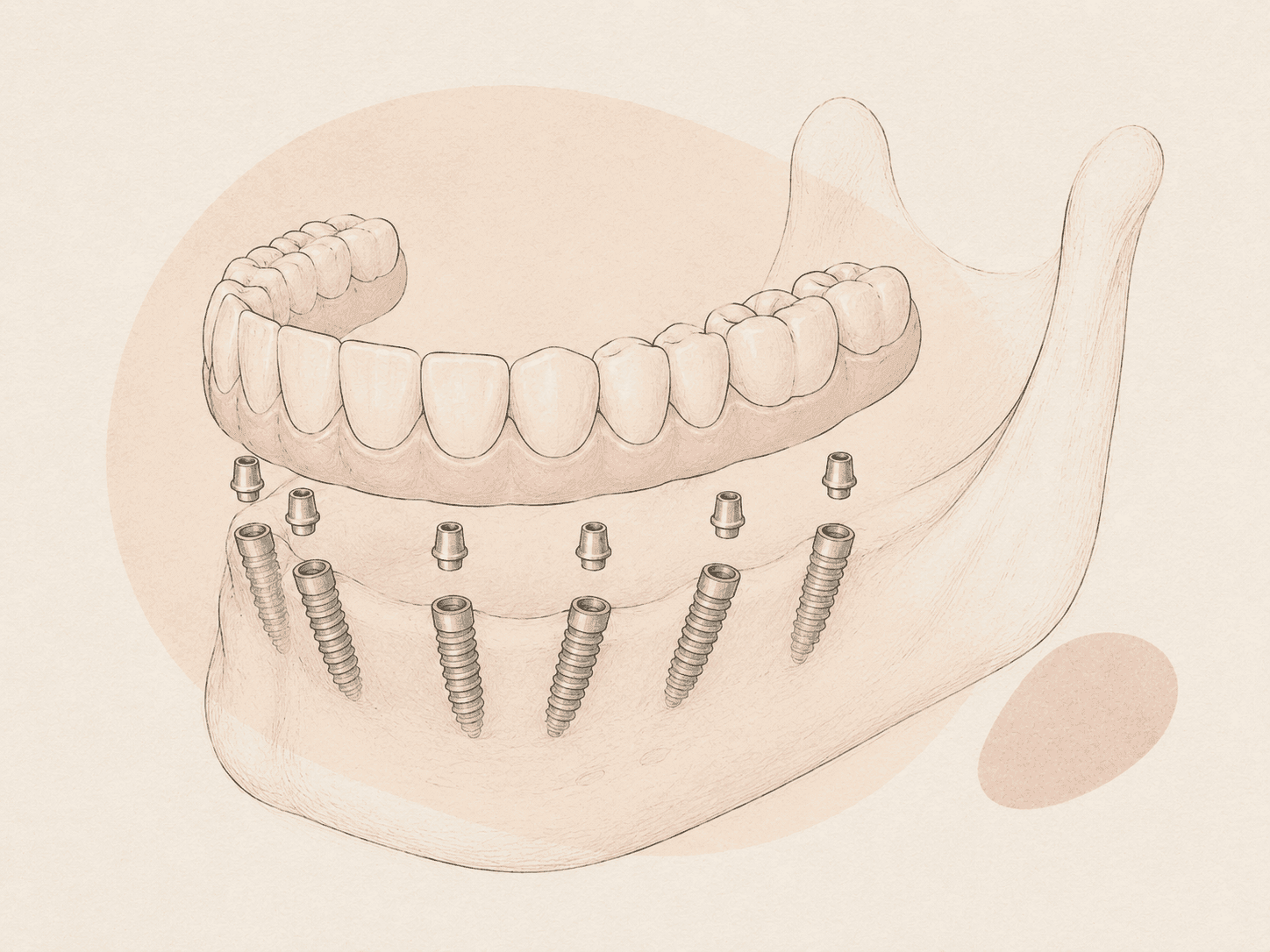
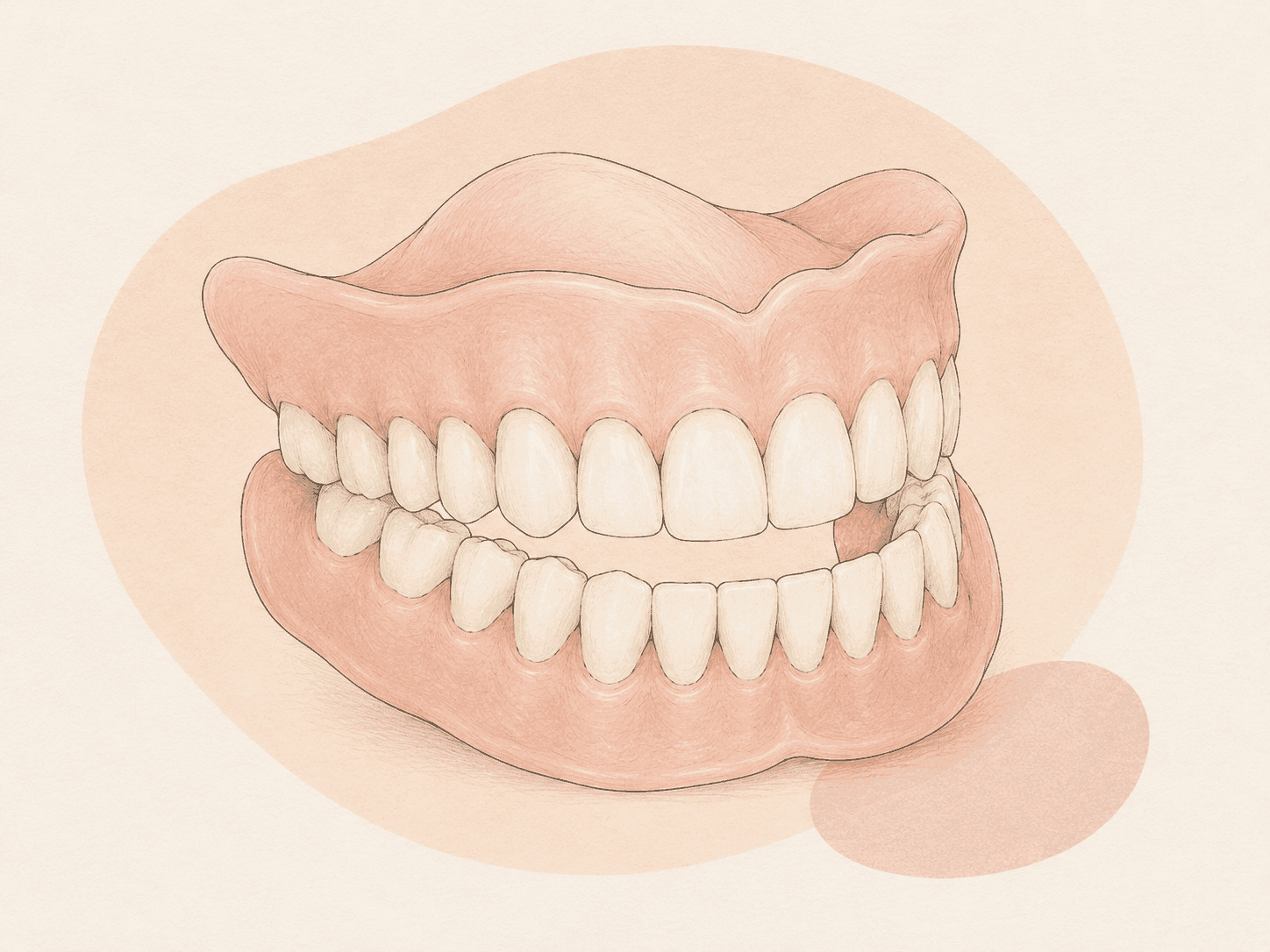
- prosthodontic care such as bridges, dentures and implant-supported restorations
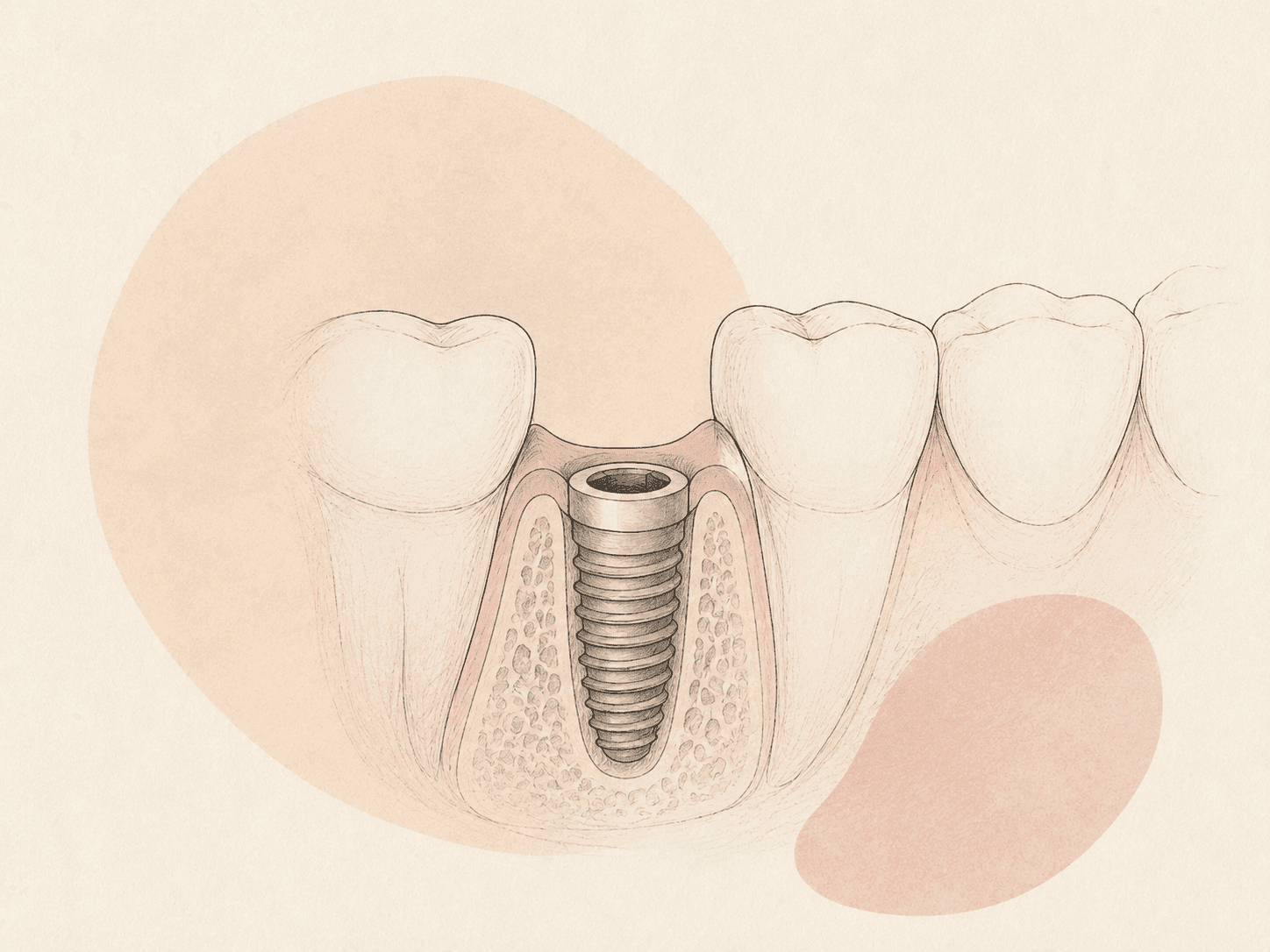
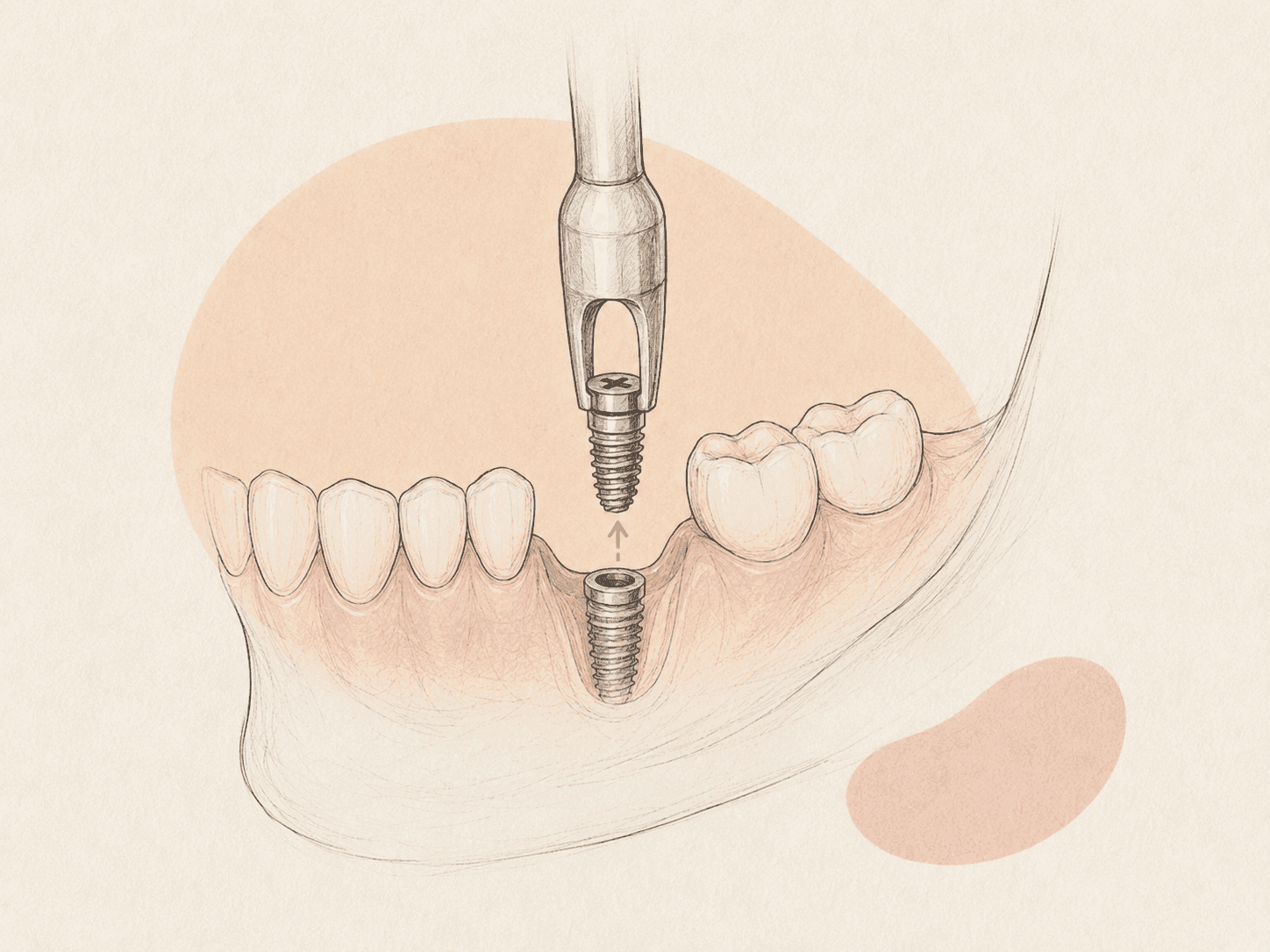
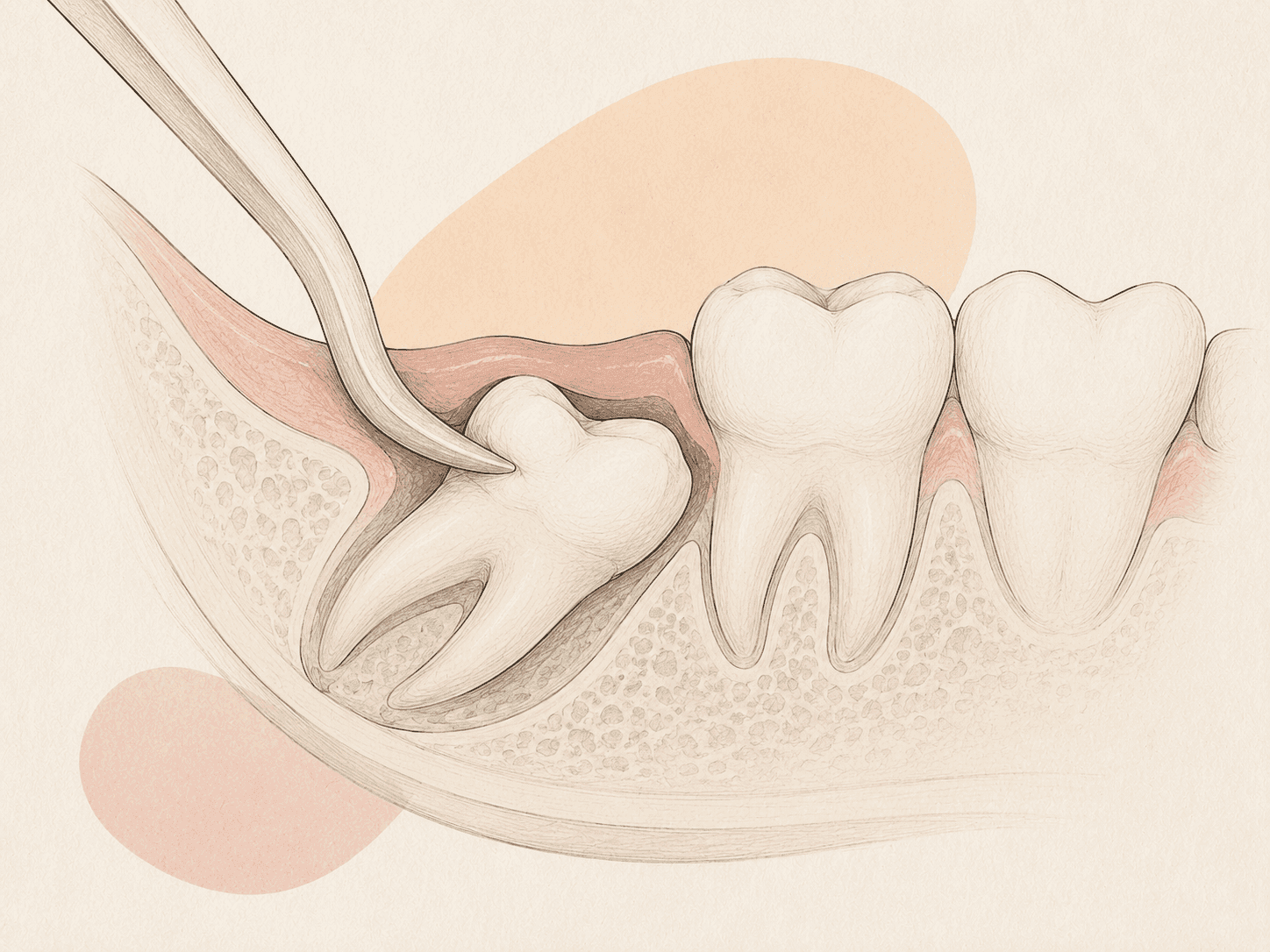
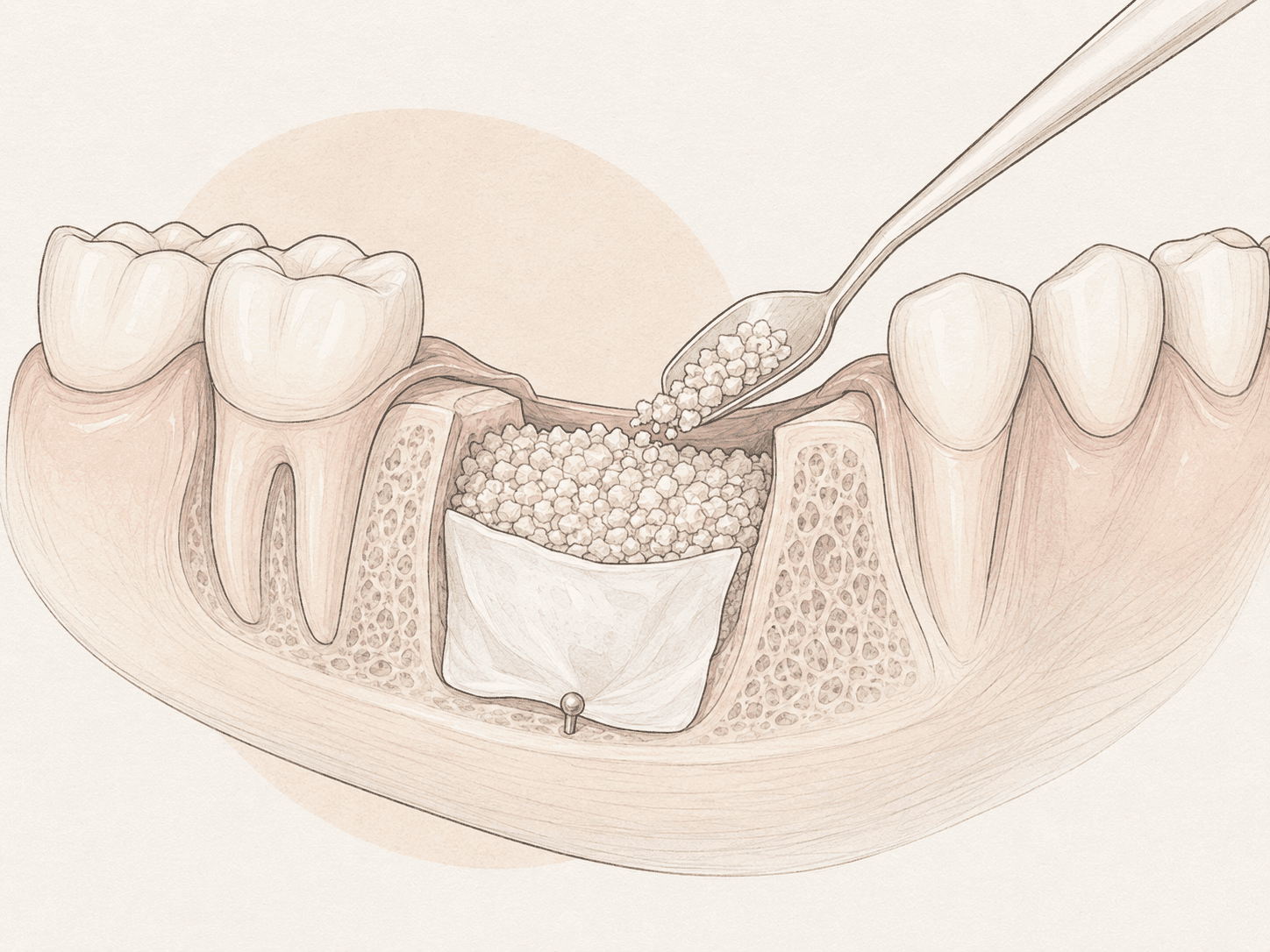
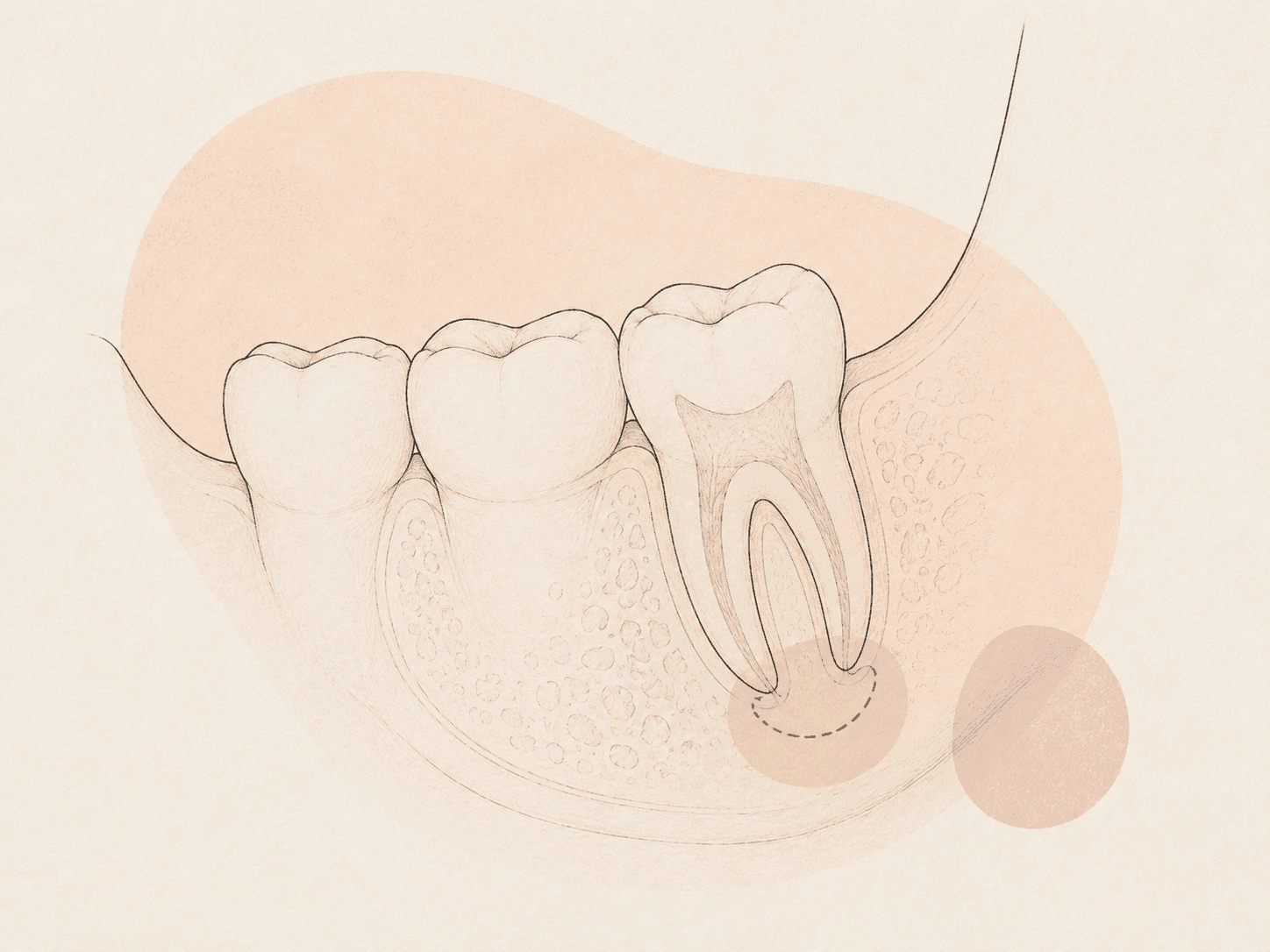
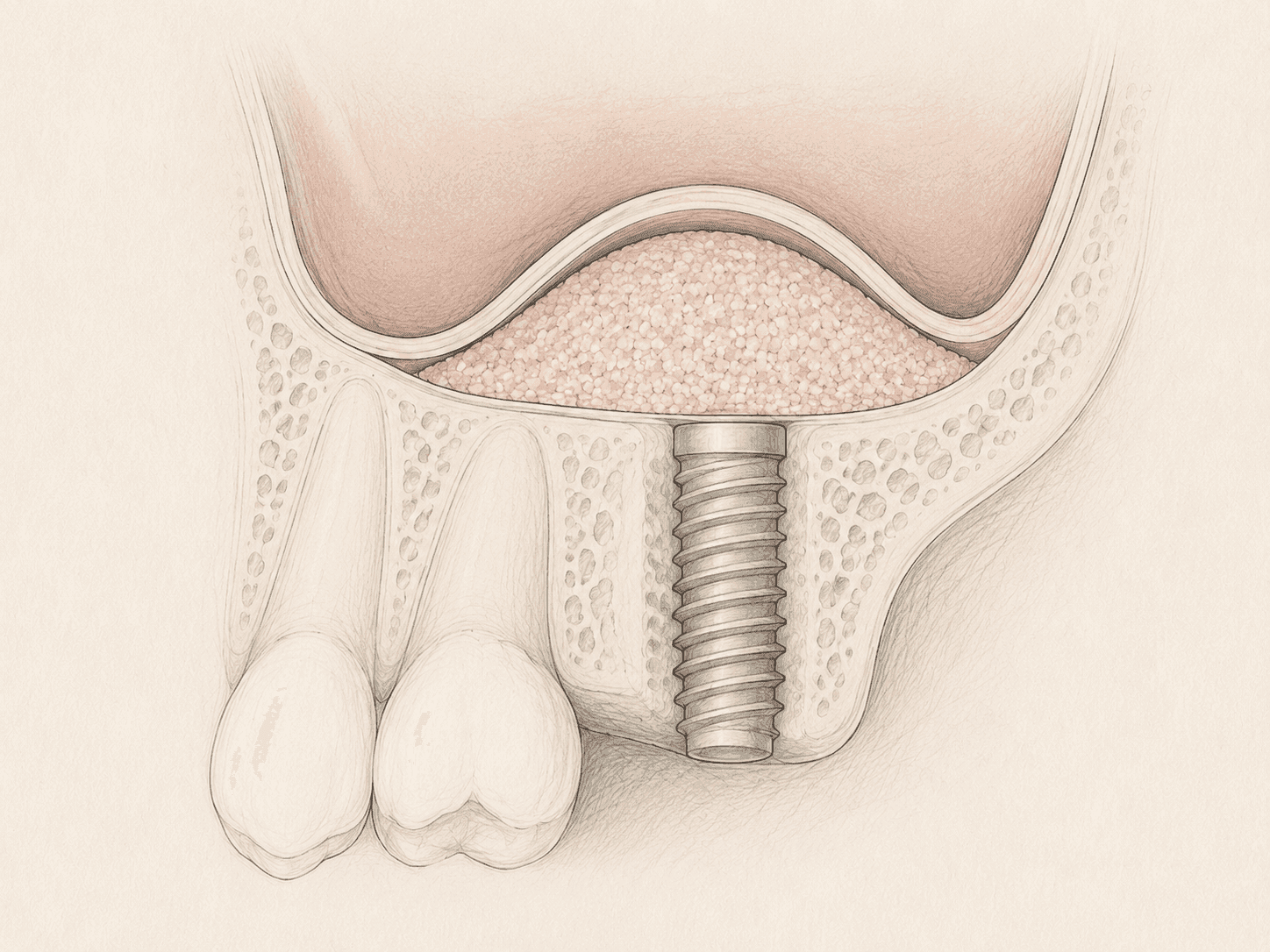
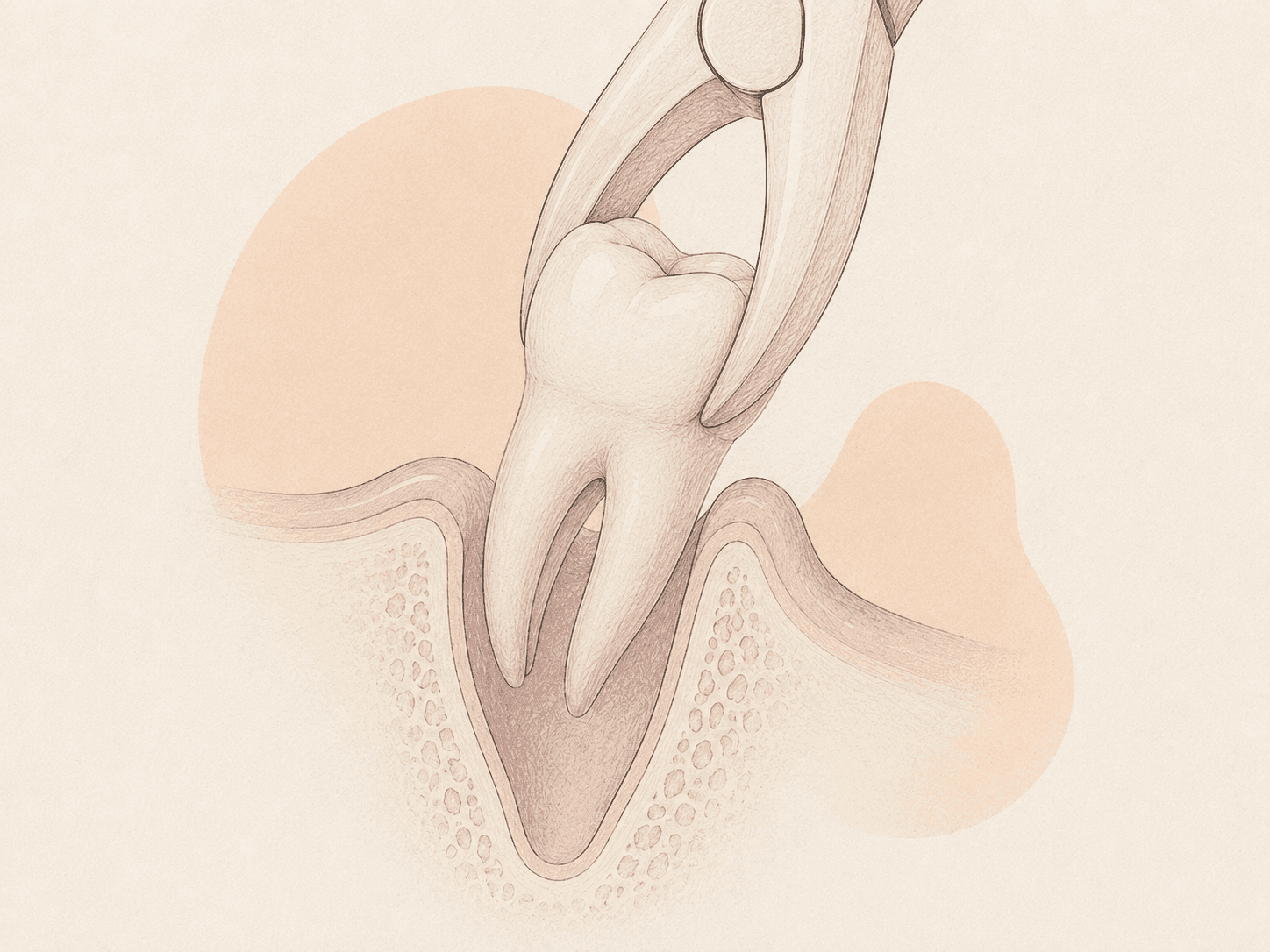
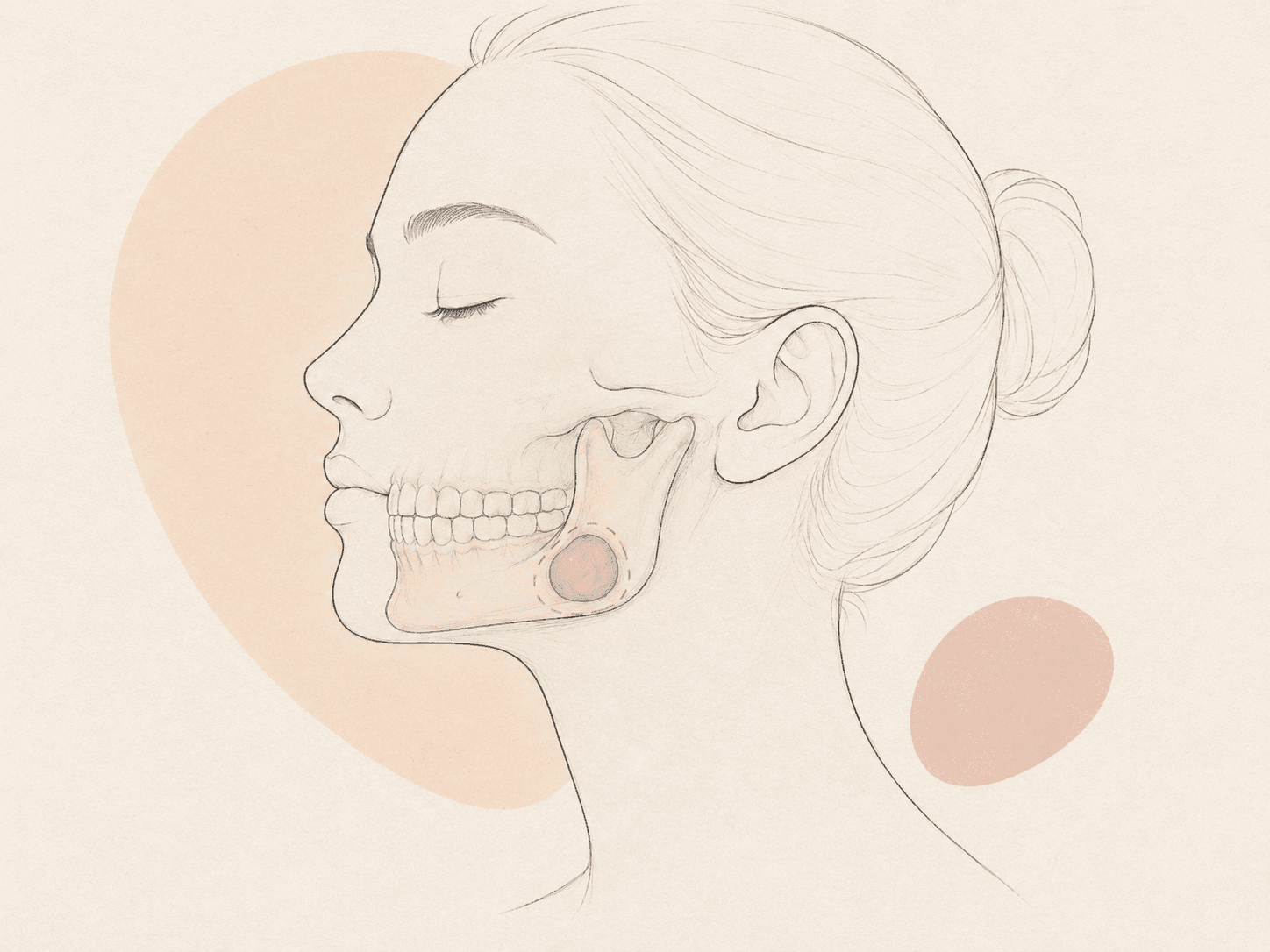
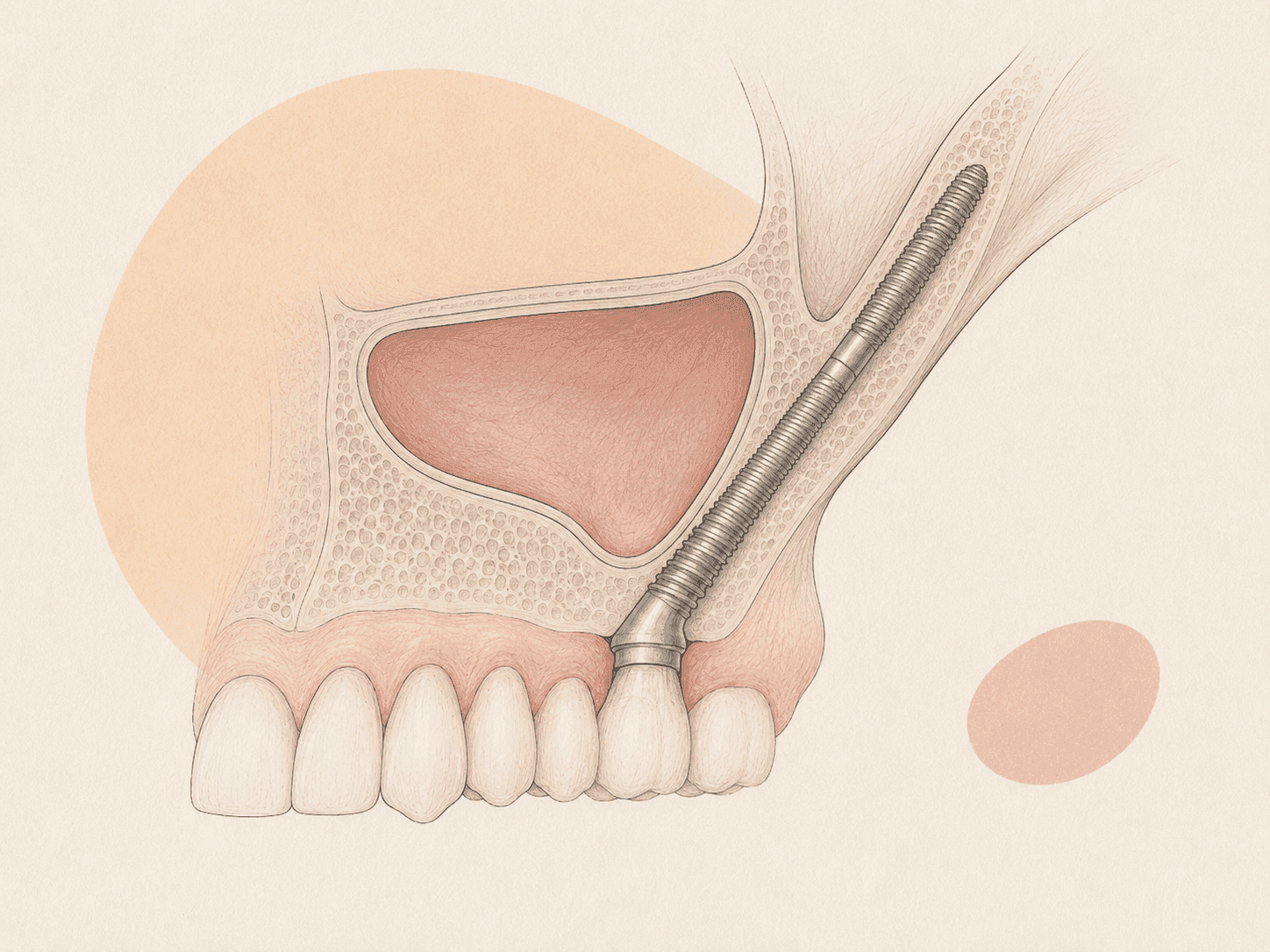
- oral surgery such as extractions, wisdom tooth removal and implant placement in selected cases
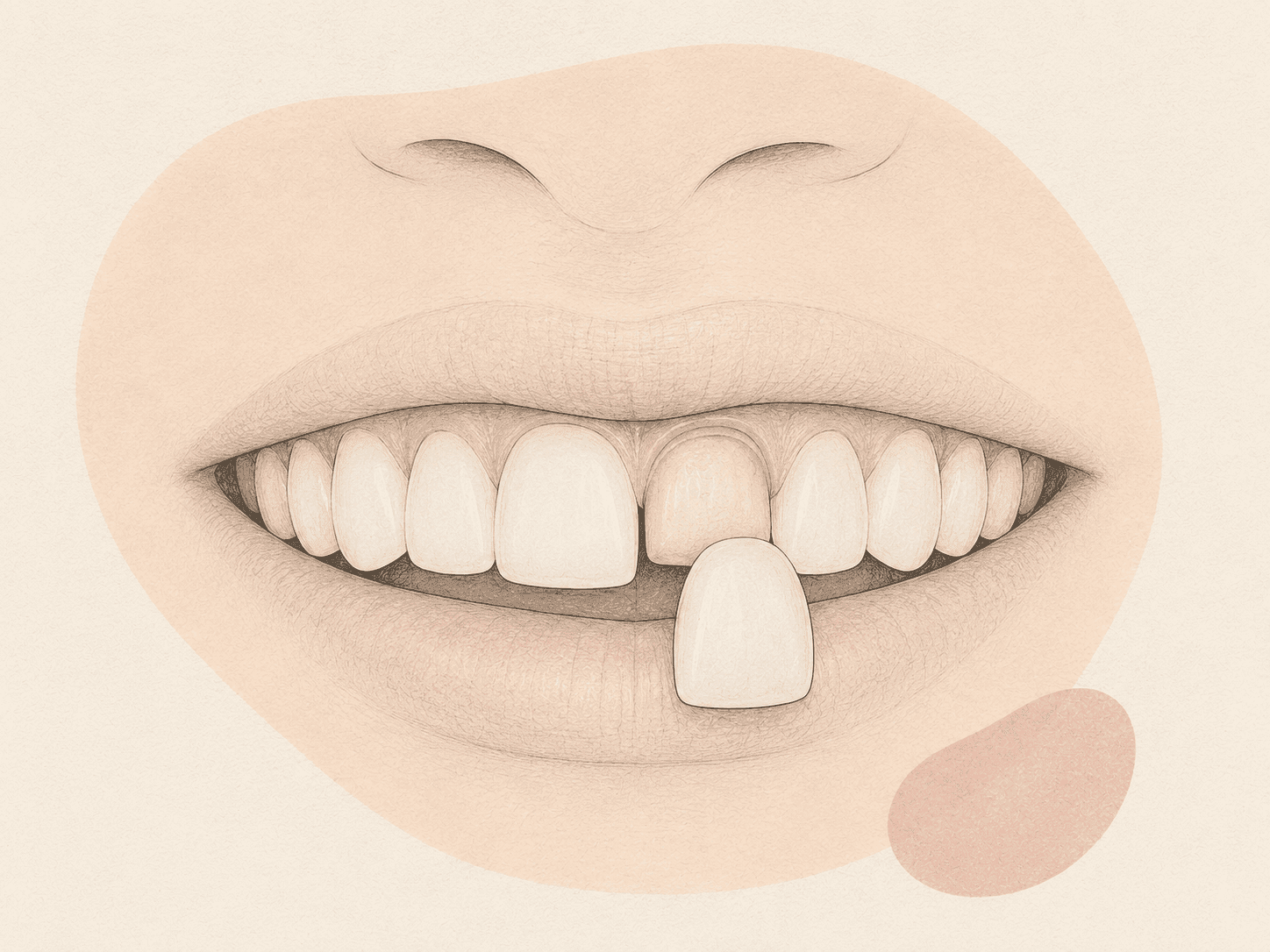
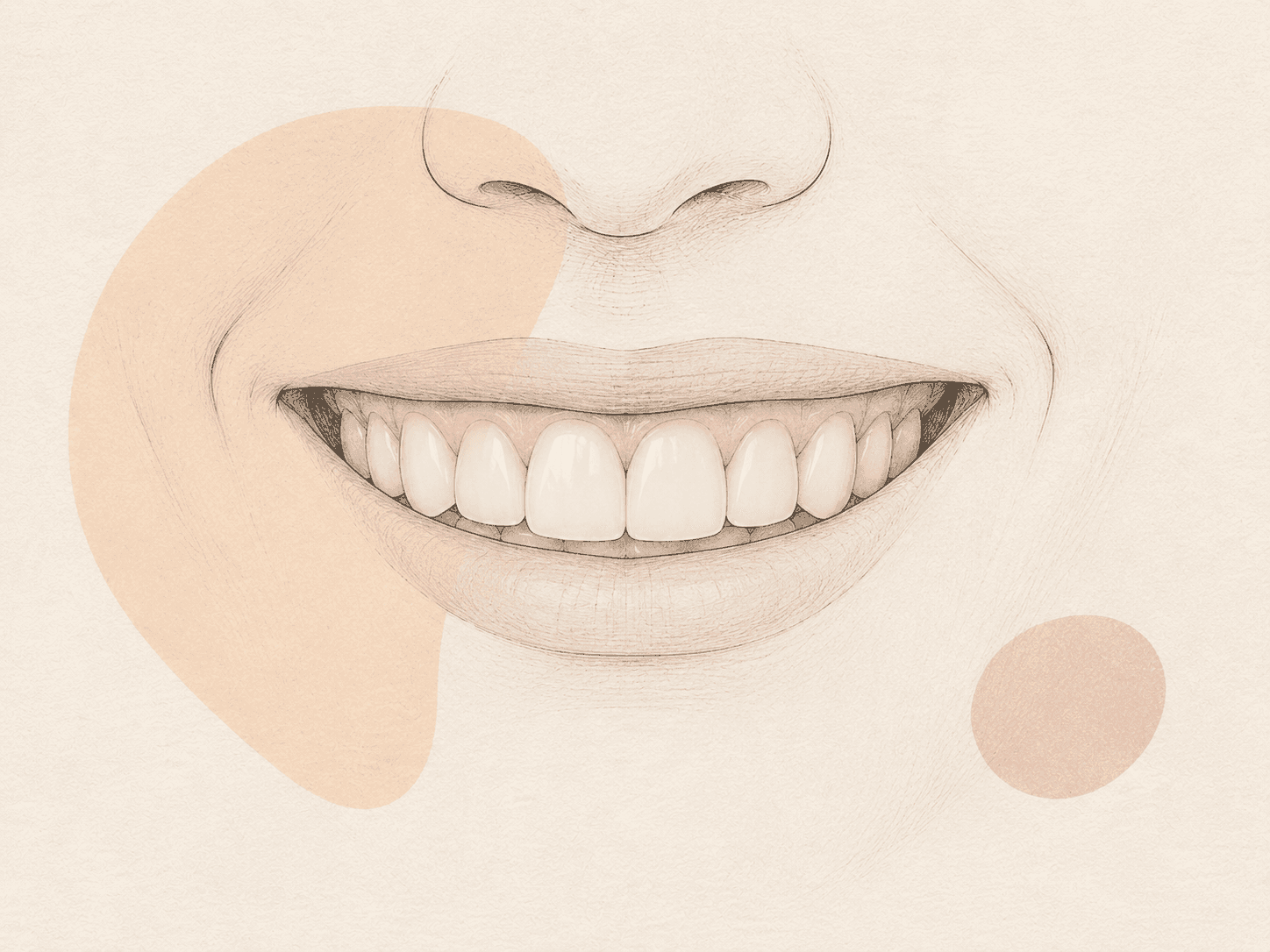
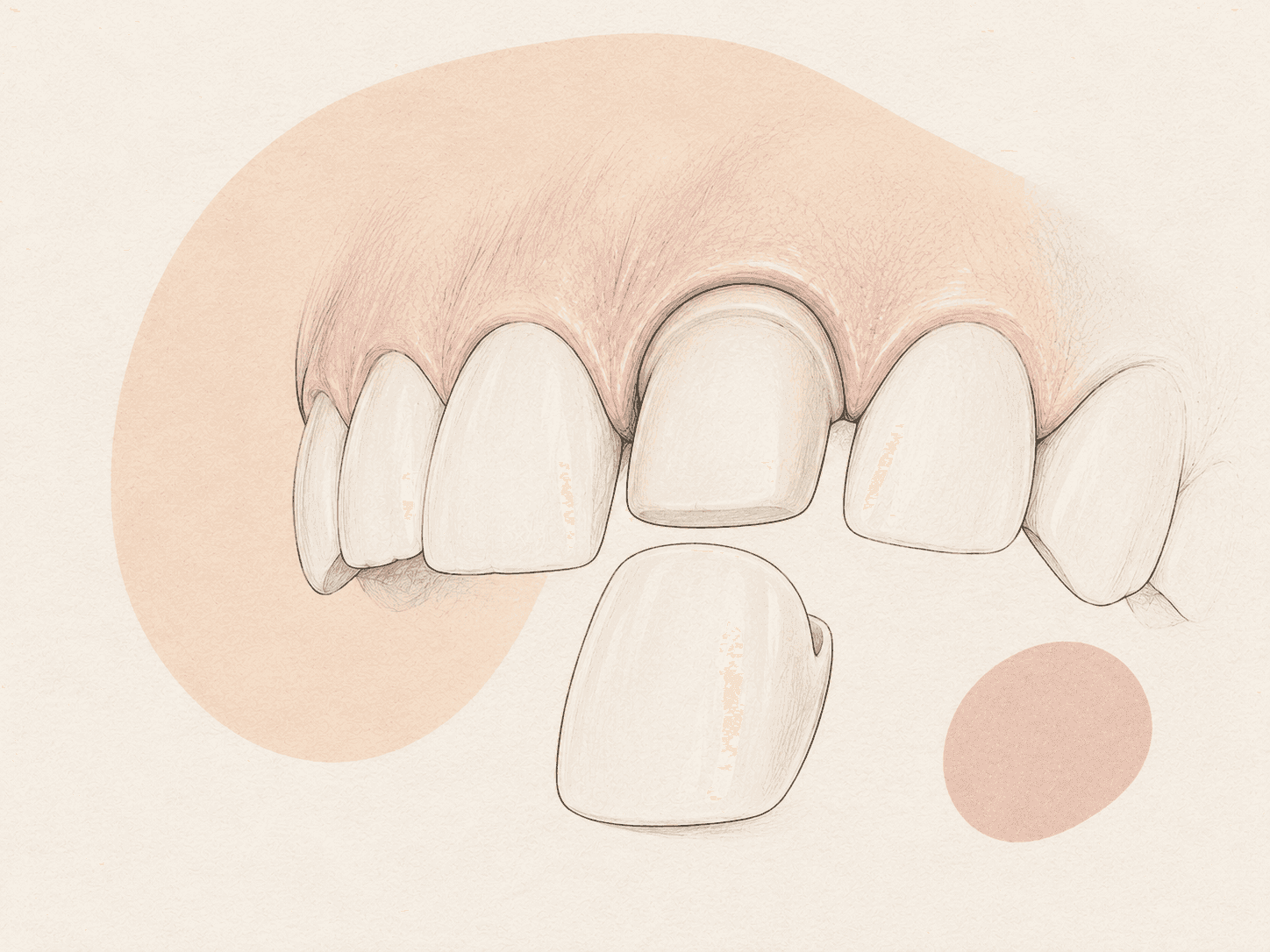
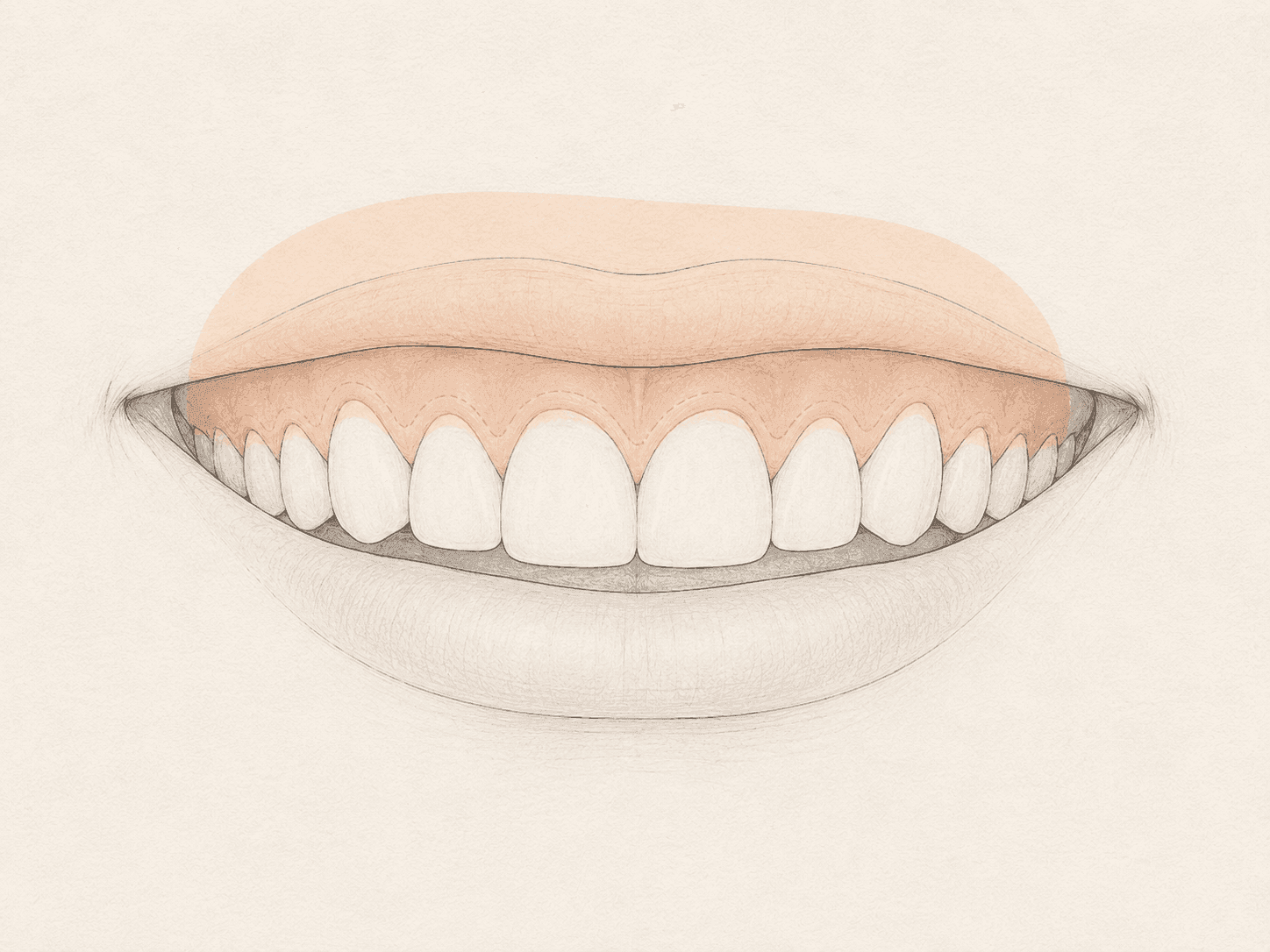
- cosmetic dentistry such as veneers, bonding, whitening and smile design planning
Dental care often involves a sequence of steps rather than one appointment. A responsible plan considers your bite, gum health, bone support and future maintenance. Some cosmetic goals may need foundational care first, such as treating cavities, inflammation or bite problems.
Dental treatment is not only about appearance. A safer plan gives priority to oral health, stability and realistic expectations before aesthetic changes.
When Dental Treatment May Be Considered
People explore dental treatments for many reasons, including pain, sensitivity, broken teeth, chewing discomfort or concerns about smile appearance. Some patients seek care after years of delayed treatment. Others need a specific procedure such as an implant, crown or root canal after tooth damage or tooth loss.
Common reasons may include:
- tooth decay, cracked teeth or older fillings that are failing
- missing teeth and a need to restore chewing function
- gum bleeding, gum recession or signs of periodontal disease
- pain when biting, jaw tension or changes in the bite
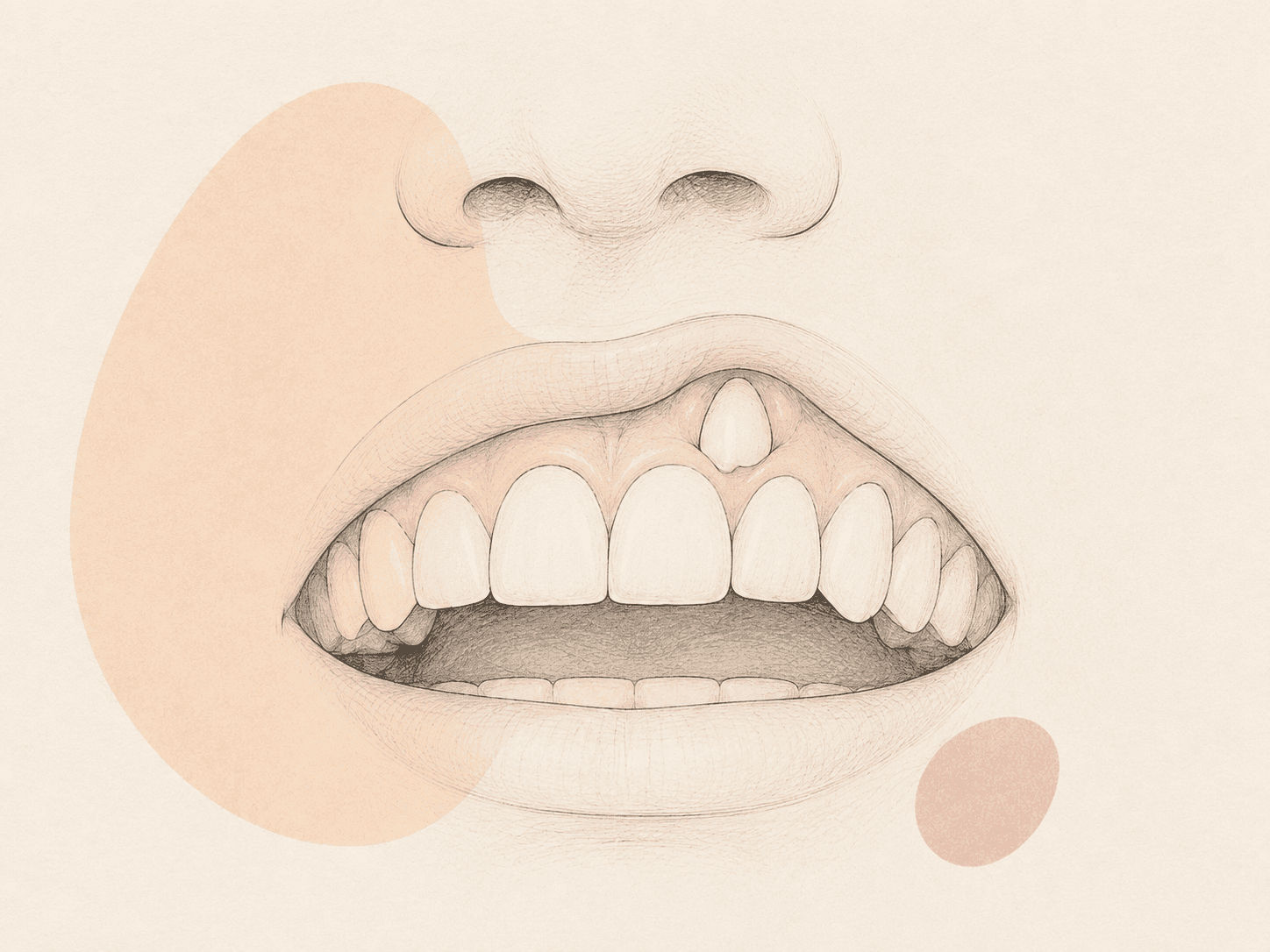
- cosmetic concerns such as discoloration, gaps or uneven tooth shape
- replacement of older restorations that no longer fit well or look natural
When planning dental care abroad, it helps to separate urgent oral health needs from elective improvements. A dentist can explain what should be treated first and what may be staged later. A staged plan can support comfort, reduce risk and make treatment planning more predictable.
Typical Dental Treatment Pathway
The dental treatment pathway depends on your diagnosis, treatment goals and whether care can safely be completed in one trip. Some treatments may be finished within days. Other plans need healing time, laboratory stages or more than one visit. Your dentist should explain each step and why it is recommended.
1) Assessment And Diagnostics
A thorough assessment usually includes an oral examination and diagnostic imaging such as dental x-rays. Additional imaging may be recommended to assess bone, nerves or sinus anatomy when implants are being planned. Photos and digital scans may also be used for bite analysis, restorative planning or smile design.
2) Treatment Planning
You should receive a written plan that explains the proposed procedures, sequence and alternatives. A clear plan discusses trade-offs such as durability, aesthetics, maintenance needs and possible future treatment. For example, veneers may create a natural-looking result but still need ongoing care and may not be suitable if gum health is unstable.
3) Stabilization Or Foundational Care
Many patients need foundational treatment before cosmetic or advanced restorative work. This may include professional cleaning, gum therapy, fillings or treatment for infection. Stabilization can improve comfort and reduce the chance of complications during later stages.
4) Definitive Treatment
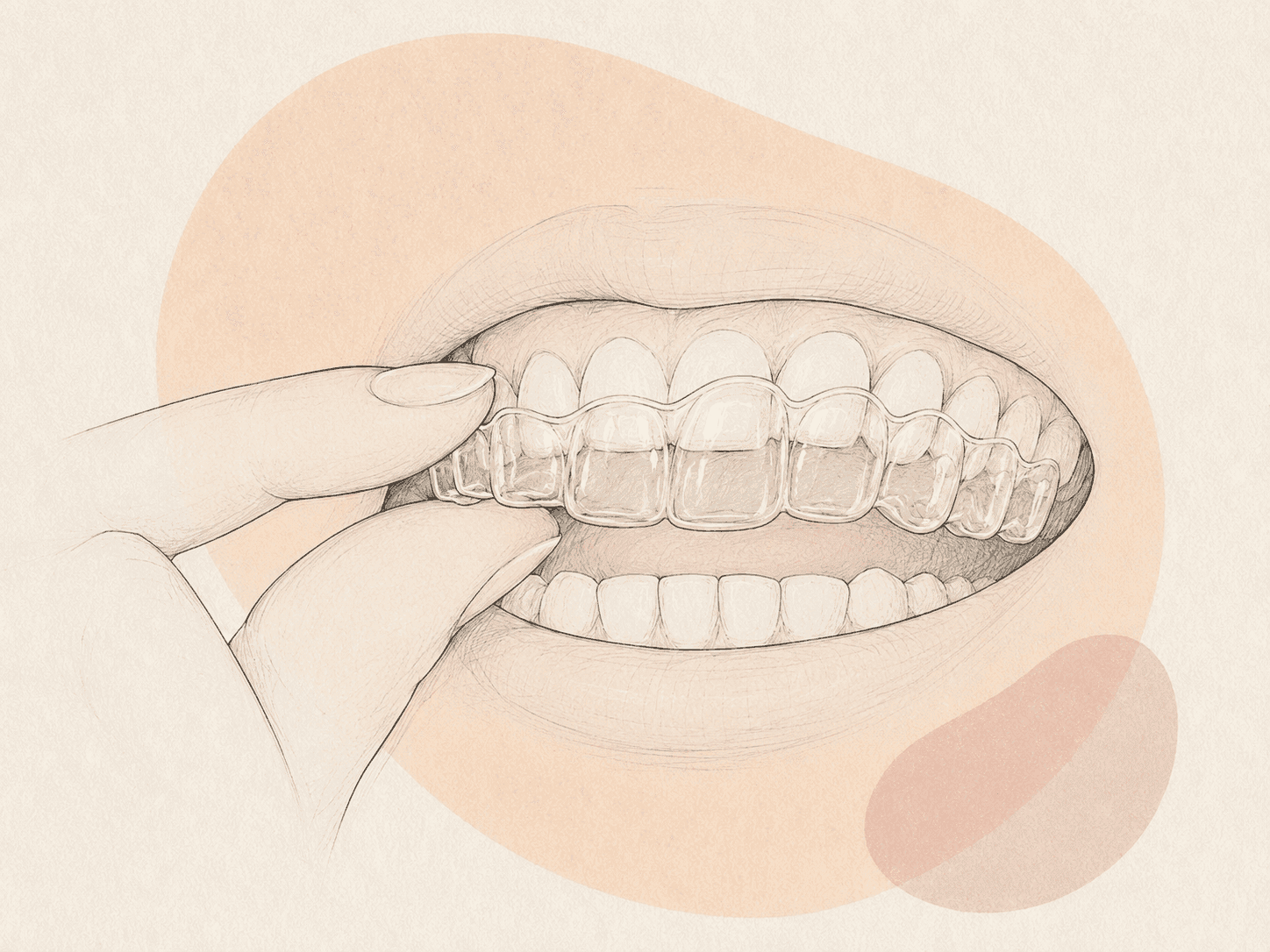
Definitive care may include crowns, bridges, implants, veneers or orthodontic steps depending on the plan. Some restorations require temporary phases while dental laboratories prepare the final pieces. Implant-based treatment may involve staged steps and healing time before the final crown is placed.
5) Follow-Up And Maintenance
Follow-up helps confirm that your bite feels comfortable and that restorations fit properly. Long-term maintenance includes hygiene visits, daily oral care and managing grinding or clenching if present. Ask how follow-up is handled after you return home and what documentation will be provided for your local dentist.
Preparing For Dental Treatment Abroad
Good preparation can reduce delays and support safer care. Your dentist should guide what applies to your case but the steps below are commonly useful for international patients.
Bring Helpful Records
- recent dental x-rays if available and any previous imaging reports
- details of past dental work such as implant brand information, crown history or prior root canal notes if known
- a list of medical conditions and medications, including blood thinners or medicines that may affect bone metabolism
Plan The Right Timeline
- allow time for diagnostics and treatment planning after arrival, not only the procedure itself
- account for laboratory turnaround times for crowns, veneers or bridges if they are part of the plan
- avoid booking flights immediately after major surgical dental work unless your clinician confirms that travel is appropriate
Consider Comfort And Recovery
- pack basic oral care items such as a soft toothbrush, gentle mouth rinse if recommended and any prescribed supplies
- plan for softer foods after extractions, implant placement or extensive restorative work
- arrange support if you may need help on the first day after sedation or surgical procedures
If a same-day plan feels rushed, ask what risks may increase when steps are compressed. Some dental work can be completed quickly but not every case is suitable for an accelerated timeline.
Dental Safety And Quality Checklist
Use this checklist to compare dental clinics and structure your consultation. A high-quality experience should be transparent, documented and focused on long-term oral health.
Clinical Standards And Infection Control
- ask how instruments are sterilized and how single-use items are managed
- confirm that imaging and diagnostic steps are completed before irreversible work
- request written consent and a clear explanation of risks, benefits and alternatives
Dentist Experience And Scope
- confirm the dentist’s experience with your specific treatment, such as implants, veneers or complex restorative cases
- ask who performs each step, especially if more than one clinician is involved
- for implants, ask which implant system is used and what warranty or documentation is provided, while noting that maintenance still matters
Restorations And Materials
- ask what materials are proposed for crowns or veneers and why they fit your case
- confirm whether temporary restorations are used and what limitations apply while wearing them
- request a bite check and discuss grinding or clenching, which can affect long-term durability
Continuity Of Care
- confirm the follow-up schedule during your stay and what checks are completed before you fly home
- ask what documentation you will receive, such as x-rays, treatment notes and laboratory details
- clarify how concerns are handled after you return home and when you should seek local assessment
Be cautious with plans that promise perfect results without discussing maintenance, bite stability and gum health. Dentistry works best when expectations are realistic and care is supported over time.
Questions To Ask Before Dental Treatment
Clear questions help you compare options and make a more informed decision. If you use an interpreter, make sure medical and dental terms are translated accurately.
About Diagnosis And Options
- what problems are being treated and what evidence supports the diagnosis
- what alternatives are available, including doing less treatment now and staging care later
- is gum health stable enough for cosmetic work or should foundational care come first
About The Treatment Plan
- what steps will be completed, in what order and how many visits are expected
- what healing time is expected for extractions or implant placement in my case
- will I receive temporary restorations and what limitations should I follow
About Risks And Longevity
- what complications should I understand, such as infection, nerve symptoms, bite discomfort or restoration failure
- what factors could shorten the life of this work, such as grinding, gum disease or smoking
- what maintenance schedule do you recommend after treatment
About Follow-Up After Travel
- what checks will be completed before I leave and what signs should prompt urgent contact
- what records will you provide for my local dentist
- if adjustments are needed later, how are they usually handled
Dental Aftercare And Follow-Up
Aftercare depends on the procedures performed. Your dentist should provide clear written instructions that cover hygiene, diet, pain management guidance and follow-up. This overview is informational and you should follow your clinician’s instructions for your specific case.
Immediate Aftercare
- follow hygiene instructions carefully, especially around surgical sites
- eat softer foods if advised and avoid chewing on new restorations until you are cleared
- attend scheduled check-ups to confirm fit, bite comfort and early healing
Warning Signs To Discuss
Ask for a list of warning signs that require prompt assessment. These may include increasing pain after initial improvement, swelling, fever, persistent bleeding, numbness, foul taste or a bite that suddenly feels uneven. When traveling, keep contact details accessible so you can reach your care team quickly.
Longer-Term Maintenance
Dental work often needs ongoing care. Regular cleaning, home hygiene and bite protection can help maintain treatment results. If you have crowns, veneers or implants, routine monitoring matters because small issues can become larger if ignored. If you notice discomfort or changes after returning home, arrange an evaluation with a qualified local dentist and share your treatment records.
Plan your travel schedule with follow-up in mind, not only the procedure date. Enough time for checks and early healing can support safer recovery and reduce the chance of urgent issues during travel.
Questions About Dentistry
Need More Help?
Have questions or need support planning your next step? Cura can help you understand the process and prepare for clinic conversations.