How Female Hair Transplantation Works
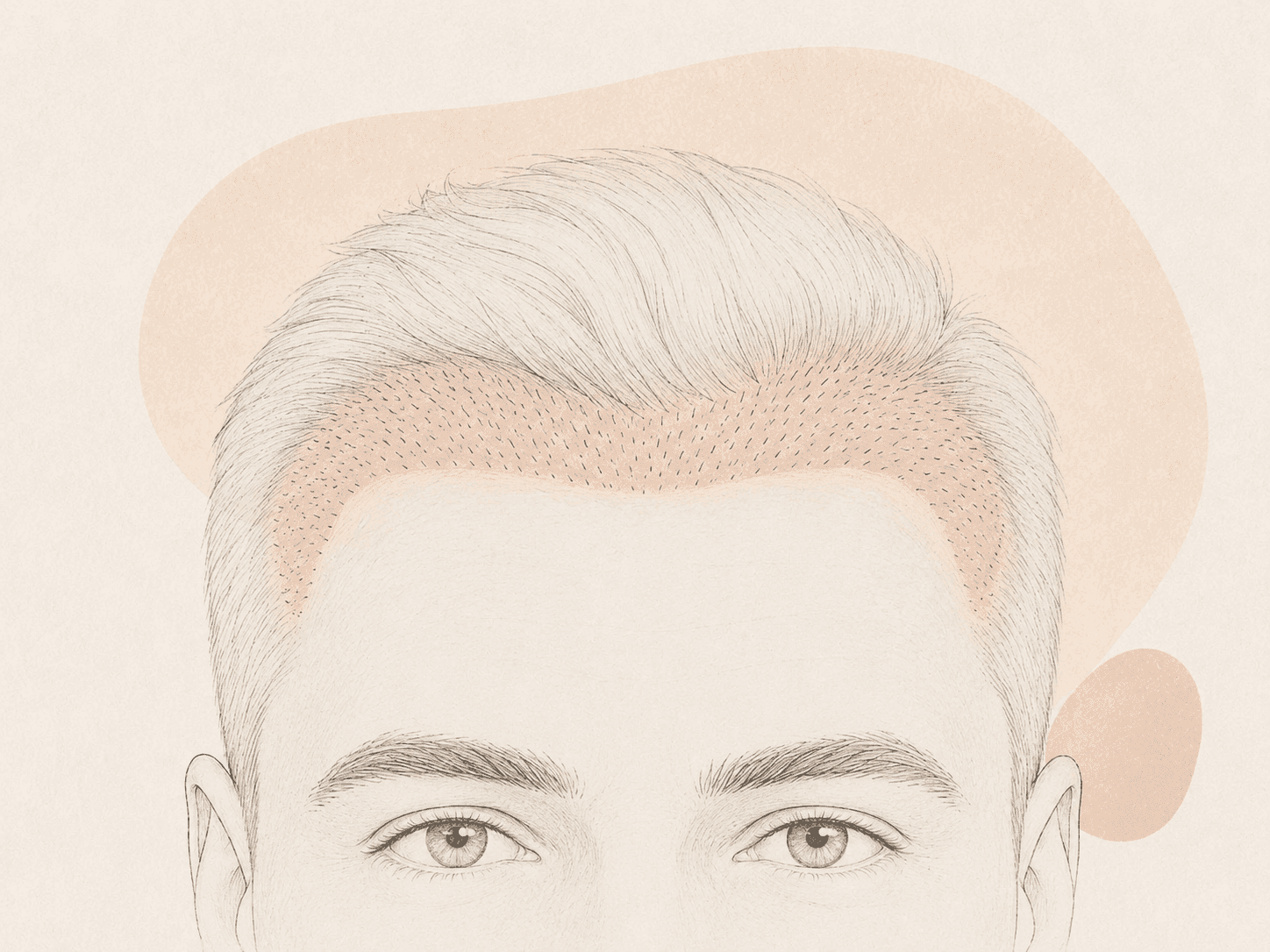
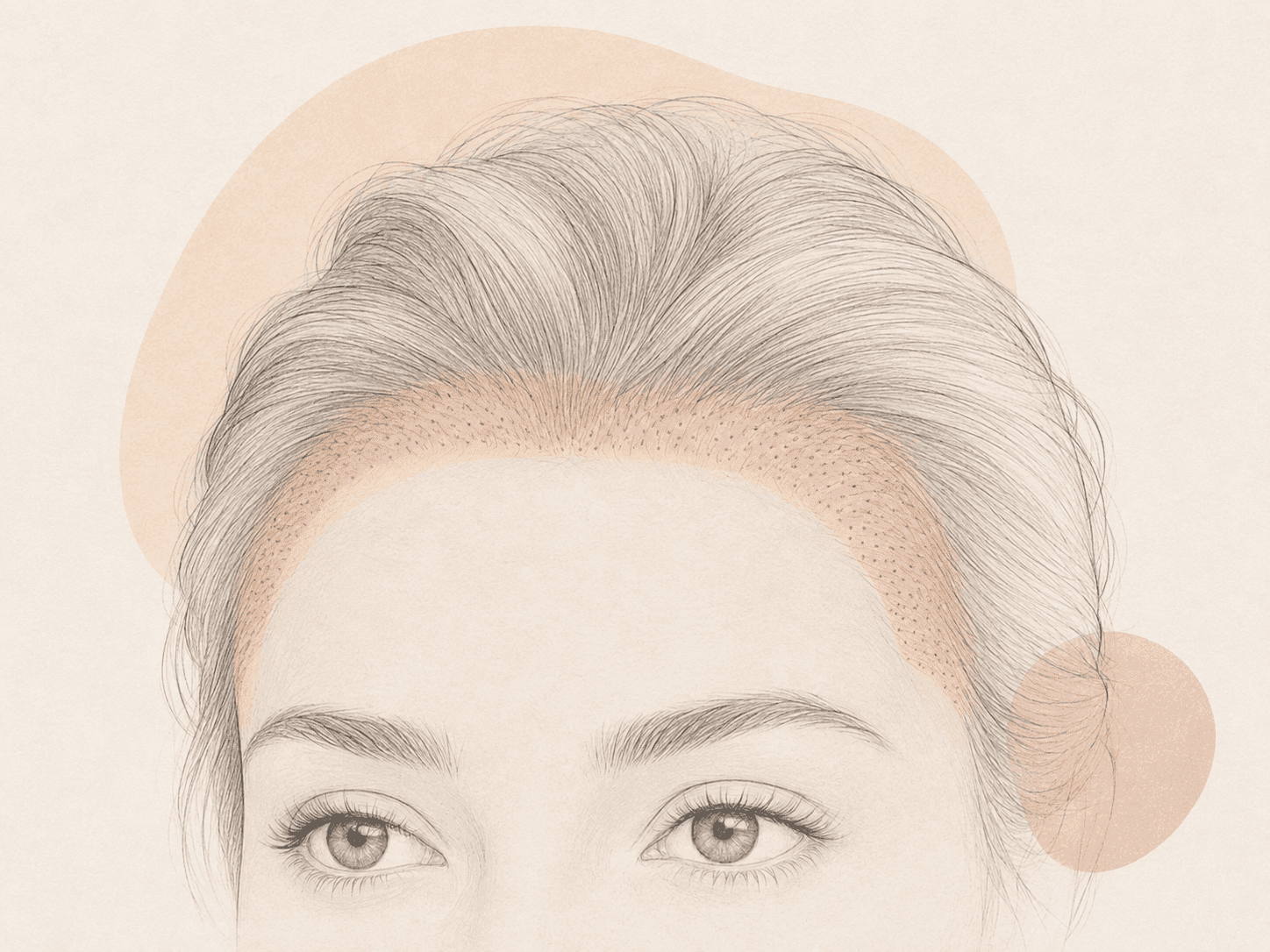
During female hair transplantation, follicular units are collected from a suitable donor area and placed into selected areas of thinning or hair loss. Treatment may focus on a widening part, frontal thinning, temporal recession, a naturally high hairline or stable areas affected by traction or previous surgery.
Hair loss in women can have several causes, including female pattern hair loss, temporary shedding, hormonal or nutritional factors, traction and inflammatory or scarring scalp conditions. Some causes require medical investigation or stabilisation rather than transplantation.
The procedure redistributes a limited supply of donor hair and does not prevent untreated hair from continuing to thin. Long-term planning should therefore consider the diagnosis, donor density, possible future progression and whether the surrounding hair is stable enough to support transplantation.
Goals and Limitations of Female Hair Restoration
When the diagnosis and donor area are suitable, female hair restoration surgery may support goals such as:
- Improving the appearance of selected areas with permanent thinning
- Adding visual coverage along a widened central part
- Restoring selected frontal or temporal areas
- Lowering or reshaping a naturally high hairline when clinically appropriate
- Camouflaging selected stable scars or areas of traction-related hair loss
- Preserving more surrounding hair length when an appropriate technique is available
Hair transplantation usually cannot recreate the density that was present before hair loss began. Visible improvement depends on donor supply, hair calibre, curl, colour contrast, recipient-area size and the stability of existing hair.
Who May Be Suitable for a Female Hair Transplant
A women’s hair transplant may be suitable for selected patients who have a confirmed and sufficiently stable cause of hair loss, healthy donor follicles and realistic expectations about coverage.
- Female pattern hair loss with a donor area that remains suitable for harvesting
- Stable hairline recession or selected temporal thinning
- A naturally high hairline that may be lowered with grafts
- Stable traction alopecia after the damaging hairstyle or practice has stopped
- Selected stable scars following appropriate specialist assessment
- General health compatible with elective surgery and local anesthesia
- Ability to remain abroad for the recommended early follow-up period
Temporary shedding, active alopecia areata, uncontrolled inflammatory scalp disease, unstable scarring alopecia or diffuse thinning that also affects the donor area may make transplantation unsuitable. Recent childbirth, significant illness, rapid unexplained shedding or symptoms suggesting an underlying medical cause may also require investigation before surgery is considered.
A qualified dermatologist or hair restoration specialist should examine the scalp, review the medical history and assess donor stability before confirming suitability.
Female Hair Transplant Techniques and Shaving Options
The harvesting method and shaving approach should be selected according to the diagnosis, donor characteristics, graft requirements, hairstyle preferences and long-term plan. Terms such as long-hair FUE and unshaven FUE are not used consistently by every provider, so the exact process should be explained before booking.
FUE Hair Transplantation
Follicular unit excision removes individual follicular units with small punch instruments. It avoids a linear donor incision but creates multiple small extraction wounds and permanent circular scars. Some donor trimming is commonly required, although partial-shave approaches may allow surrounding hair to conceal the treated area.
FUT Hair Transplantation
Follicular unit transplantation removes a narrow strip of hair-bearing scalp, which is divided into individual grafts under magnification. The donor incision is closed with sutures or staples and leaves a permanent linear scar. Surrounding donor hair can often remain long enough to conceal the closure during early recovery.
Long-Hair FUE
Long-hair FUE preserves visible hair shafts on selected grafts during extraction and implantation. This may make the immediate treatment pattern easier to visualise and reduce the appearance of broad shaving, but it is technically demanding, may take longer and is not suitable for every graft number or donor area.
Unshaven FUE
Unshaven FUE avoids broad clipping by selectively trimming individual donor hairs or working through longer surrounding hair. It may make early donor changes less noticeable but can limit access, increase procedure time and reduce the number of grafts that can be harvested safely in one session.
What Happens During Female Hair Transplant Surgery
The exact workflow depends on whether FUE or FUT is used and whether the hair is shaved, selectively trimmed or preserved at length.
In-Person Scalp Assessment
The clinician reassesses the diagnosis, examines donor density and checks for signs of inflammation or diffuse donor thinning. The proposed treatment may change if the in-person findings differ from the remote assessment.
Hairline and Recipient-Area Planning
The recipient area is designed according to the pattern of thinning, facial proportions, existing hair direction and available donor follicles. Planning should avoid placing grafts so densely that fragile surrounding hair is unnecessarily injured.
Donor Follicle Harvesting
With FUE, individual follicular units are removed using small punch instruments. With FUT, a strip of donor scalp is excised, the incision is closed and the tissue is divided into follicular unit grafts under magnification.
Graft Inspection and Preparation
The harvested follicles are inspected, sorted and kept in an appropriate holding environment. Single-hair and multi-hair grafts may be assigned to different recipient zones according to the planned appearance.
Creating Recipient Sites
Small recipient sites are created with attention to angle, direction, spacing and the position of existing hairs. Hairline and part-line work usually requires careful alignment with the surrounding growth pattern.
Placing the Hair Grafts
The follicular units are inserted into the planned sites using forceps, implanter devices or a combination of methods. The donor and recipient areas are checked before written aftercare instructions are provided.
Anesthesia, Comfort and Pain After Hair Transplantation
Female hair transplantation is usually performed with local anesthesia applied to the donor and recipient areas. Sedation may be offered to selected patients when clinically appropriate and suitable monitoring is available.
The anesthetic injections can sting. During surgery, patients may notice pressure, pulling or discomfort from remaining in one position for several hours.
Tenderness, tightness, itching, swelling or temporary altered sensation can occur during early healing. FUT may cause more noticeable tightness around the donor closure, while FUE can cause discomfort across multiple small extraction sites. Severe or increasing pain requires prompt medical review.
Preparing for Female Hair Transplant Surgery Abroad
Preparation should begin before international travel. Any diagnosis or graft estimate based only on photographs should remain provisional until the scalp has been examined in person.
Hair Loss and Scalp Assessment
- Provide a detailed history of when and how the hair loss developed
- Report recent illness, pregnancy, childbirth, major stress or rapid weight change
- Discuss menstrual, hormonal or other symptoms relevant to the assessment
- Share information about hairstyles, extensions, chemical treatments and traction
- Disclose scalp pain, itching, scaling, redness or previous inflammatory disease
- Complete any examination or investigation recommended by a qualified clinician
Medical Preparation
- Provide a complete medical and surgical history
- Disclose prescribed medicines, non-prescription products and supplements
- Report allergies, bleeding concerns and previous healing or scarring problems
- Discuss smoking, nicotine use and factors that may affect wound healing
- Do not stop or begin medicines unless the prescribing clinician and treating team approve the change
- Inform the team about possible pregnancy or breastfeeding when relevant to planned medicines, sedation or testing
Questions to Ask the Hair Transplant Provider
- Ask who will diagnose the cause of hair loss and confirm donor stability
- Confirm who will design the hairline and perform each surgical stage
- Ask whether surrounding hair may be affected by temporary shock loss
- Discuss the realistic density possible with the available donor supply
- Clarify exactly what long-hair or unshaven treatment means at that facility
- Confirm how complications and continued hair loss will be managed after departure
Travel and Follow-Up Planning
- Arrive early enough for an in-person consultation before the final plan is approved
- Allow time for the procedure, an early washing review and postoperative assessment
- Confirm whether FUT sutures or staples will be removed abroad or at home
- Choose clean accommodation with practical access to the treating facility
- Avoid demanding tourism, strenuous activity and tight onward connections
- Identify a local clinician who can provide an examination if needed after returning home
Typical Travel Plan for a Female Hair Transplant
The required stay varies according to the harvesting method, graft number, health history and clinic protocol. International patients should not rely on a universal itinerary or assume that immediate return travel is appropriate.
Arrival and In-Person Assessment
Arrival should allow time for a scalp examination, medical review, photography and final planning. Surgery may need to be postponed if the diagnosis is uncertain, the donor area is unsuitable or active scalp disease is identified.
Hair Transplant Procedure
The procedure may take several hours and can occupy most of the day. Larger treatment plans may require more than one session. After discharge, patients should return to suitable accommodation and follow instructions for scalp protection and positioning.
Postoperative Clinical Review
The treating team may inspect the donor and recipient areas, demonstrate washing and assess swelling, bleeding, comfort and early healing. Patients who have undergone FUT also need review of the donor incision.
Assessment Before Return Travel
The clinician should confirm that recovery is progressing satisfactorily before return travel. The assessment should consider symptoms, wound condition, journey length, access to assistance and any wider medical concerns.
Continued Follow-Up at Home
Remote checks may begin after the patient returns home, but photographs cannot replace an examination when infection, wound problems or significant shedding is suspected. FUT sutures or staples may need to be removed by a qualified clinician during the early postoperative period.
Female Hair Transplant Recovery and Growth Timeline
Healing and visible hair growth vary between patients. Women with existing hair in the recipient area should also understand that temporary shedding can make the scalp look thinner before new growth becomes visible.
First Few Days
Redness, tenderness, swelling and small crusts may develop. The donor and recipient areas remain vulnerable to rubbing, scratching, pressure and contamination.
First Two Weeks
Crusting generally loosens with the approved washing routine. Donor visibility depends on the harvesting and shaving method. FUT sutures or staples may be removed during this period according to the surgeon’s instructions.
Weeks Two to Eight
Many transplanted hair shafts shed while the follicles remain beneath the skin. Nearby non-transplanted hairs may also shed temporarily, which can be more noticeable when grafts have been placed between existing thin hairs.
Months Three to Six
Early new growth may begin but can appear fine, uneven and incomplete. The scalp may still look less dense than expected during this stage.
Months Six to Twelve
Additional hairs may emerge, lengthen and thicken as growth cycles continue. Visible change is gradual and may differ between recipient areas.
Twelve to Eighteen Months
Further maturation may occur, particularly in slower-growing areas. Follow-up should review graft growth, donor appearance and any continuing loss of non-transplanted hair.
Female Hair Transplant Aftercare at Home
Aftercare should protect the grafts, monitor the donor area and maintain continuity between the overseas provider and local clinicians.
Scalp and Graft Care
- Follow the written washing and handling instructions
- Avoid rubbing, scratching or manually removing crusts
- Use only products approved by the treating team during early healing
- Protect the scalp from direct sun, contamination and accidental pressure
- Avoid tight hairstyles, extensions and traction until the clinician confirms they are suitable
Hair Care and Physical Activity
- Resume exercise, swimming and strenuous activity only after clinical clearance
- Delay colouring, chemical treatments and heated styling as instructed
- Do not cover the scalp with tight or rough headwear during early healing
- Follow the specific donor-incision plan when FUT has been performed
- Do not begin hair-loss medicines or supplements without appropriate clinical guidance
Long-Term Monitoring and Follow-Up
- Send clear progress photographs at the agreed intervals
- Keep copies of the operative report, graft record and aftercare instructions
- Arrange local medical assessment when symptoms require a physical examination
- Continue review of the underlying hair-loss condition with a qualified clinician
- Report new rapid shedding, scalp inflammation or progressive donor thinning rather than assuming it is part of normal recovery
Risks and Limitations of Female Hair Transplantation
Female hair transplantation is an invasive surgical procedure. Possible risks and limitations include:
- Pain, swelling, itching, redness, crusting or temporary altered sensation
- Bleeding, infection, folliculitis or small cysts
- Temporary shedding of transplanted or surrounding existing hair
- Visible worsening of density during the temporary shedding phase
- Reduced graft survival or limited visible growth
- Uneven density, asymmetry or an unnatural hairline
- Incorrect hair direction, angle, spacing or distribution
- Injury to fragile existing follicles in the recipient area
- Continued progression of non-transplanted hair loss
- Small circular donor scars or patchy donor thinning after FUE
- A permanent linear scar, wound tension or scar widening after FUT
- Delayed healing, prolonged inflammation or pigment changes
- Adverse reactions related to local anesthesia, sedation or other medicines
- Poor growth when surgery is performed in unsuitable or unstable scarring conditions
- Need for further treatment or dissatisfaction with the cosmetic appearance
International patients should receive written guidance about urgent symptoms and understand how local assessment will be arranged after departure. Increasing pain, spreading redness, fever, discharge, persistent bleeding, wound separation or concerning skin changes require prompt medical review.
Planning Female Hair Transplantation in Iran or Turkey
Destination choice should be based on diagnostic quality, clinician credentials and continuity of care rather than a promised graft number or technique label. International patients should verify who performs the medical assessment, donor harvesting, recipient-site creation and graft placement.
Female Hair Transplantation in Iran
International patients considering female hair restoration surgery in Iran may find specialist services in major medical centres and private treatment settings. Provider comparison should focus on diagnostic accuracy, documented clinician credentials, careful donor assessment and a follow-up pathway that remains accessible after returning home.
Female Hair Transplantation in Turkey
Turkey has a substantial hair restoration sector serving international patients, including providers offering FUE, FUT and reduced-shaving approaches. Because terminology, staffing and physician involvement can vary, patients should confirm the exact surgical workflow, the professionals responsible for each stage and the plan for managing complications before travel.
Hear From Patients
Patient Reviews
Questions About Female Hair Transplantation
Need More Help?
Have questions or need support planning your next step? Cura can help you understand the process and prepare for clinic conversations.