Upper Eyelid Blepharoplasty Explained
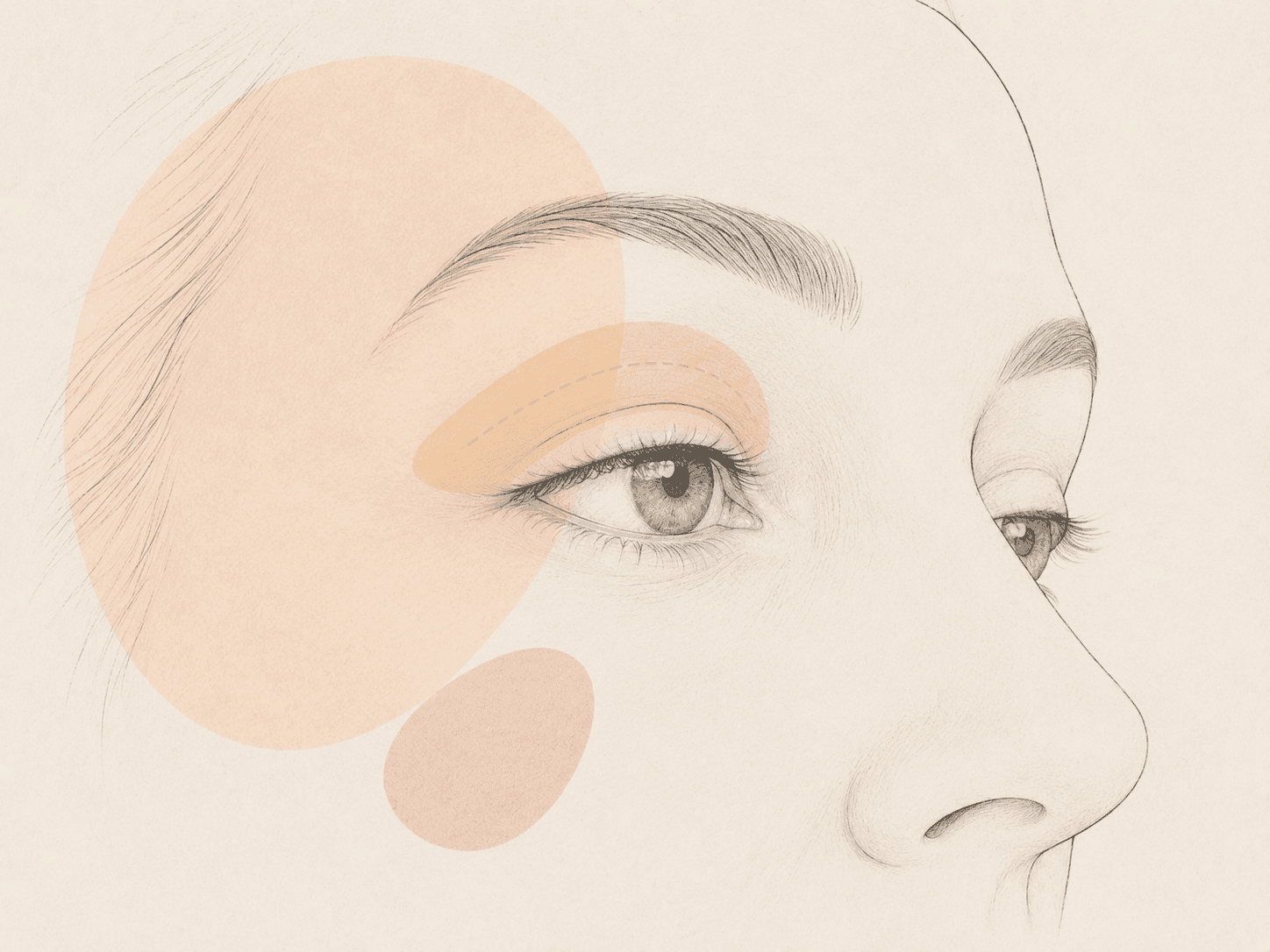
Upper eyelid blepharoplasty reshapes the upper lid by removing a carefully planned amount of skin and, when appropriate, adjusting fat or muscle. The incision is usually positioned within the natural upper eyelid crease so the scar can become less noticeable as it matures.
The procedure may be performed alone or combined with another eyelid treatment when clinically appropriate. Planning should include an assessment of eyelid position, skin quality, brow position, eye closure and eye surface health. These findings help determine whether upper eyelid surgery alone is suitable or whether another procedure, such as ptosis repair, may need to be discussed.
Goals And Possible Benefits Of Upper Eyelid Surgery
People may consider an upper eyelid lift for cosmetic goals and, in selected cases, functional concerns. Results depend on anatomy, surgical technique and healing, so the following points should be viewed as possible aims rather than guaranteed outcomes.
- May reduce upper eyelid hooding and create a more open appearance
- May improve definition of the upper eyelid crease in selected cases
- Can support a more rested appearance while preserving a natural eyelid shape
- May improve visible balance when one upper eyelid appears heavier
- May reduce discomfort or visual obstruction when excess skin is confirmed as a contributing factor
Who May Be Suitable For Upper Eyelid Blepharoplasty
Upper eyelid blepharoplasty may be suitable for some adults in stable general health who are concerned about upper eyelid hooding, heaviness or excess skin. A specialist must confirm whether surgery is appropriate, whether true eyelid droop requires ptosis repair and what degree of change is realistic for the individual anatomy.
- You have upper eyelid hooding or excess skin that concerns you
- You understand that swelling and scar changes settle gradually
- You can stop smoking and nicotine use if advised by the clinical team
- You are able to follow eye protection, wound care and medication instructions
- You can remain abroad for the recommended early reviews and suture management before flying
Upper Eyelid Blepharoplasty Techniques
The technique is selected according to the amount of excess skin, fat distribution, eyelid muscle function and eye surface health. The surgeon should explain why a particular approach is being recommended and what limitations apply.
Upper Eyelid Skin Removal
This approach removes a measured amount of excess upper eyelid skin through an incision placed in the natural crease. Planning aims to reduce hooding while preserving safe eyelid closure and a natural contour.
Blepharoplasty With Fat Adjustment
In selected cases, upper eyelid fat may be conservatively repositioned or reduced to improve contour. The choice depends on whether fullness, uneven volume or hollowing is present and should avoid unnecessary loss of support.
Upper Blepharoplasty With Ptosis Repair
If true eyelid droop is identified, ptosis repair may be combined with upper eyelid blepharoplasty when clinically appropriate. This is not required for everyone and needs careful assessment because eyelid movement, symmetry and safe closure are central to planning.
How Upper Eyelid Blepharoplasty Is Planned And Performed
Upper eyelid surgery usually follows a structured pathway from examination and marking to closure and early follow-up. The exact steps depend on whether the plan involves skin removal alone or includes fat adjustment or ptosis repair.
Specialist Assessment And Planning
The surgeon reviews medical history, eye symptoms, medications and any previous eyelid or eye procedures. Examination may include eyelid measurements, assessment of eye closure, tear film or dryness screening and a discussion of the desired change.
Surgical Marking And Anesthesia
Preoperative markings define the planned skin removal and eyelid crease position. The anesthesia plan is confirmed and routine safety checks are completed before surgery begins.
Incision And Eyelid Refinement
The incision is usually placed within the upper eyelid crease. The planned amount of skin is removed and, when included in the treatment plan, fat is adjusted or repositioned and ptosis repair is completed.
Closure And Early Recovery
The incision is closed with fine sutures and the eyelid area is protected. Before discharge, the clinical team provides wound care guidance, medication instructions and the timing of follow-up visits.
Anesthesia And Comfort During Upper Eyelid Surgery
The anesthesia approach depends on the complexity of upper eyelid surgery and whether other procedures are planned at the same time. The clinical team should explain the recommended option and any relevant safety considerations.
Anesthesia Options
Upper eyelid blepharoplasty is often performed under local anesthesia, sometimes with sedation. General anesthesia may be considered when several procedures are combined or when the clinical plan requires it.
Discomfort During Early Healing
Many people report tightness, swelling and mild soreness rather than severe pain. Temporary dryness, watering or irritation may also occur and should be managed according to the instructions provided by the clinical team.
Preparing For Upper Eyelid Blepharoplasty Abroad
Preparation should address general medical safety, eye health and practical travel arrangements. Follow the surgeon instructions carefully, particularly for medications, nicotine use, contact lenses and the planned return flight.
Medical History And Eye Health Review
Provide a complete medical history and disclose allergies, medicines and supplements. Tell the surgeon about dry eyes, contact lens use, previous eye treatment and any diagnosed eye condition so the surgical plan can be adjusted appropriately.
Medicines, Supplements And Nicotine
Some medicines and supplements may increase bleeding risk and could require adjustment before surgery under medical guidance. Smoking and nicotine may affect wound healing, so the clinical team may advise stopping them before and after the procedure.
Accommodation And Return Travel Planning
Choose accommodation within reasonable reach of the clinic and allow time for a quiet early recovery. Bring sunglasses and any eye care products specifically recommended by the clinical team, and keep the follow-up schedule clear before booking the return flight.
Travel Timeline For Upper Eyelid Surgery Abroad
International patients should allow time for an in-person assessment, the procedure and at least one early follow-up before returning home. The recommended stay depends on the technique, suture plan and progress of healing.
Arrival And Final In-Person Assessment
Many patients arrive 1 to 2 days before surgery for examination, photographs and confirmation of the upper eyelid design. Eye dryness, contact lens use and any changes in health or medication can also be reviewed at this stage.
Procedure Day
Upper eyelid blepharoplasty is often completed during a relatively short surgical visit followed by observation. Written aftercare guidance and the early follow-up schedule should be provided before leaving the facility.
Early Follow-Up Appointment
A review is often arranged within the first 5 to 10 days to check healing and remove or manage sutures when required. The visit can also cover wound care, scar support and instructions for the journey home.
Travel Readiness Review
Clearance to fly is individualized. The surgeon may review swelling, wound healing, eye comfort and any visual symptoms before advising when air travel is reasonable and which precautions should be followed.
Upper Eyelid Blepharoplasty Recovery Timeline
Recovery develops gradually and varies between patients. Swelling and bruising are common during the early stage, while the incision line and eyelid contour may continue changing for several months.
First Week After Surgery
Swelling and bruising around the eyelids are common. The eyes may feel dry, watery or irritated and the incision can feel tight while early healing takes place.
Weeks 2 To 4
Bruising often becomes less visible and swelling continues to reduce. Many people feel more comfortable returning to social activities, although the incision may still appear pink, firm or slightly raised.
Months 1 To 3
The upper eyelid contour may look more refined as residual swelling settles. Scar lines generally begin to soften and become less noticeable, although healing remains individual.
Months 3 To 6
Scars continue to mature and minor differences between the eyelids may become less noticeable. The surgeon should advise when the longer-term result can be assessed more reliably.
Aftercare Following Upper Eyelid Blepharoplasty
Aftercare aims to protect the eyelids, reduce irritation and support uncomplicated healing. Instructions should be tailored to the surgical technique, eye health and follow-up plan.
Care During The First Few Days
Follow advice on head elevation, gentle cleansing and cold compresses when recommended. Avoid rubbing the eyes and protect the healing incision from direct sun exposure.
Managing Eye Dryness And Irritation
Temporary dryness or a gritty feeling may occur. Use lubricating drops or ointment only as directed and report worsening pain, increasing light sensitivity or any change in vision promptly.
Follow-Up After Returning Home
Photo or video check-ins may support communication with the original clinic after travel, but they do not replace local medical assessment when symptoms are concerning. Increasing redness, discharge, fever or new visual symptoms require prompt medical review.
Risks And Possible Complications Of Upper Eyelid Surgery
Upper eyelid blepharoplasty carries surgical risks. The surgeon should explain which risks are relevant to the planned technique and whether combining the procedure with fat adjustment or ptosis repair changes the risk profile.
More Common Side Effects And Risks
- Swelling and bruising around the eyelids
- Temporary dryness, watering or eye irritation
- Temporary blurred vision related to swelling or ointment
- Redness, firmness or visibility of the incision during scar maturation
- Mild asymmetry that may change as swelling settles
Less Common Complications
- Infection or delayed wound healing
- Bleeding or a collection of blood beneath the tissues
- Noticeable scarring or changes in skin pigmentation
- Difficulty closing the eyelids or changes in eyelid position
- Need for further treatment or revision surgery
When To Seek Urgent Medical Help
Seek urgent medical attention for sudden changes in vision, severe eye pain, rapidly increasing swelling on one side, heavy bleeding, fever, breathing difficulty, chest pain, sudden swelling of one leg or signs of a serious allergic reaction. When abroad, use local emergency services when needed and contact the treating clinic as soon as it is safe to do so.
Planning Upper Eyelid Surgery In Iran Or Turkey
International patients comparing destinations for upper eyelid blepharoplasty should consider specialist qualifications, facility standards, anesthesia arrangements, communication and access to early follow-up. A well-organized plan should also explain how concerns will be managed after the patient returns home.
Upper Eyelid Surgery In Turkey
Major Turkish cities include plastic surgery and ophthalmology centers that work with international patients and may offer coordinated assessment, anesthesia support and postoperative review. Patients should compare individual surgeon credentials, facility standards, communication processes and the timing of follow-up visits before choosing a clinic.
Upper Eyelid Surgery In Iran
Iran has specialist training pathways in plastic surgery and ophthalmology and eyelid procedures are available in larger medical centers. International patients should review the experience of the individual specialist, the quality of the consultation, surgical protocols, language support and the plan for follow-up and travel clearance.
Hear From Patients
Patient Reviews
Questions About Upper Eyelid Blepharoplasty
Need More Help?
Have questions or need support planning your next step? Cura can help you understand the process and prepare for clinic conversations.