Thigh Lift Surgery And Thighplasty Explained
A thigh lift removes excess skin and reshapes the thigh area for a smoother contour. It is often considered after significant weight loss or when skin quality changes over time.
Technique choice depends on where the loose skin sits and how much correction is needed. Options may range from a limited inner thigh lift to more extensive approaches for laxity that extends down or around the thigh. Your surgeon should explain the likely scar pattern, realistic improvement and whether liposuction, skin excision or a combined plan fits your anatomy.
Possible Goals Of Thigh Lift Surgery
An inner thigh lift or medial thigh lift may be discussed for goals such as:
- Reducing loose skin: removing lax skin that may contribute to rubbing or discomfort
- Improving contour: creating a smoother thigh shape and more balanced body proportions
- Supporting clothing comfort: reducing bunching and improving comfort in fitted clothing
- Improving hygiene and comfort: reducing irritation in selected cases where skin folds contribute to discomfort
Results vary with skin quality, scar formation, surgical technique and healing. A specialist should discuss realistic expectations and trade offs, especially the location and visibility of scars.
Who May Be Considered For Thigh Lift Surgery
A thigh lift may be considered for adults who are close to a stable weight and have persistent thigh skin laxity that does not improve with exercise. Patients usually need to understand that scars are part of the procedure and that swelling and contour changes can take time to settle.
Suitability depends on overall health, smoking or nicotine use, previous surgery, clot risk and the ability to follow movement and wound care instructions. For international patients, planning also includes staying long enough for early checks and arranging support for transfers and daily activities. A qualified specialist can confirm whether thighplasty is appropriate and which approach may be safer.
Thigh Lift Techniques And Scar Patterns
Thigh lift techniques are selected according to the location and amount of excess skin. Before booking, your surgeon should explain the expected scar pattern, the limits of each option and how much contour change may be realistic.
Mini Thigh Lift
A mini thigh lift is usually considered when laxity is mild and mainly located high on the inner thigh. The incision is often placed in the groin crease, but this approach is not designed for significant looseness along the length of the thigh.
Medial Thigh Lift
A medial thigh lift, also known as an inner thigh lift, focuses on the inner thigh. Incisions are usually placed in the groin and may extend depending on how much skin is removed. It may be considered when the main concern is inner thigh laxity rather than looseness around the whole thigh.
Vertical Thigh Lift
A vertical thigh lift uses a longer incision that can extend down the inner thigh. It may be recommended when excess skin affects a larger section of the thigh. This technique can address more laxity but usually involves more visible scarring.
Spiral Thigh Lift
A spiral thigh lift may be used in selected cases where laxity affects several thigh zones and may extend around the thigh. It can involve a more complex scar pattern and requires careful planning for wound care and recovery.
Thigh Lift With Liposuction
Some treatment plans combine thighplasty with liposuction to refine contour. Combined surgery is not suitable for everyone because blood supply to the skin and healing risk must be assessed. A staged plan may be recommended when it is safer.
How Thigh Lift Surgery May Be Performed
The exact steps depend on the selected technique, but most thigh lift procedures follow a structured surgical plan.
Assessment And Marking
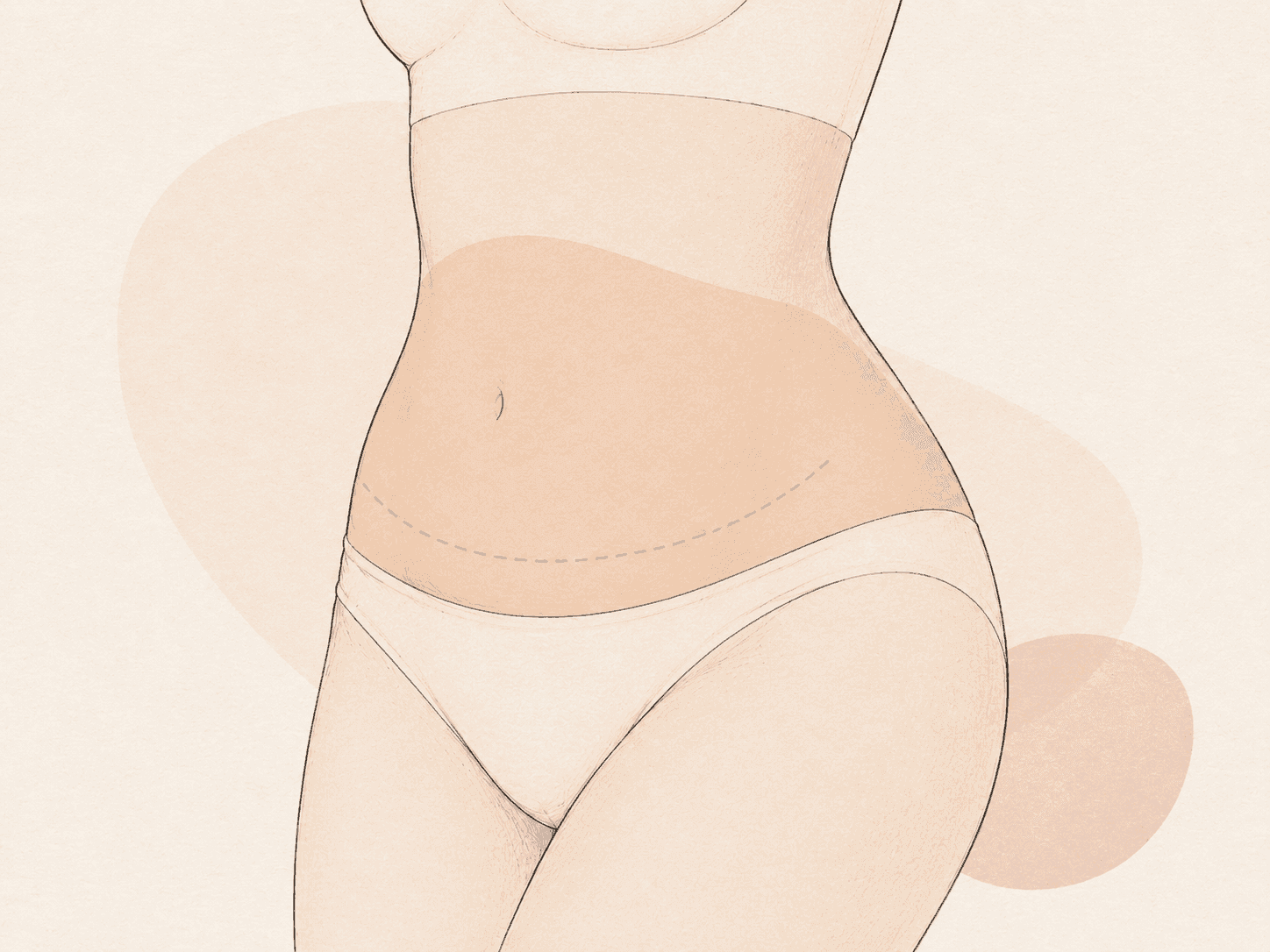
Your surgeon reviews your goals, examines skin laxity and fat distribution and marks incision lines to support symmetry. Clinical photos may be taken for documentation and surgical planning.
Anesthesia And Incisions
Thigh lift surgery is commonly performed under general anesthesia. Incisions are made according to the chosen approach, such as an inner thigh lift, vertical thigh lift or spiral thigh lift.
Reshaping And Skin Removal
Excess skin is removed and the tissues are reshaped to improve contour. If liposuction is included, it may be performed as part of the contouring plan in selected cases.
Closure And Dressings
The incisions are closed and dressings are applied. Drains may be used in some cases to reduce fluid buildup. A compression garment is often recommended to help manage swelling and support early healing.
Anesthesia, Discomfort And Early Warning Signs
Thighplasty is usually performed under general anesthesia. Discomfort is expected, especially tightness, soreness and swelling during the first one to two weeks. The groin and inner thigh area can feel sensitive early on because of movement and friction.
Your surgical team will provide a pain control plan and instructions for safe movement. Seek urgent clinical help if you develop severe pain, fever, spreading redness, sudden shortness of breath, chest pain or one-sided leg swelling.
Preparing For Thigh Lift Surgery Abroad
Preparation for thigh lift surgery focuses on healing readiness and practical travel planning.
- Smoking and nicotine: many surgeons ask patients to stop nicotine before and after surgery because it can increase wound healing problems
- Medications and supplements: your clinician will review products that may affect bleeding and may adjust certain medicines
- Medical checks: tests may be recommended based on your health history and the planned extent of surgery
- Travel planning: arrange accommodation that supports short walks, dressing changes and access to follow up appointments
- Mobility planning: plan for limited lifting, careful stair use and support with transfers, especially after more extensive techniques
Typical Travel Plan For Thigh Lift Surgery
Timelines vary by technique and healing progress. Many international patients plan to stay in destination long enough for early wound checks and travel clearance discussion.
Day 0 To Day 1
Arrival, in-person assessment and pre operative checks. The team confirms the thigh lift plan, compression garment fitting and post procedure support.
Day 1 To Day 2
Surgery day and initial recovery. Some patients leave the facility the same day, while others may stay overnight depending on clinical guidance and the extent of the procedure.
Days 3 To 7
Rest, short walks, compression use and follow up visits help the team assess swelling, incision healing and drains if used. Hygiene and wound care are closely monitored during this phase.
Days 8 To 14
Follow up review and travel clearance are discussed. Many teams prefer international patients to remain in destination for around one to two weeks, but timing depends on healing progress, wound status and clot risk.
Thigh Lift Recovery And Healing Timeline
Recovery after an inner thigh lift or vertical thigh lift happens in stages and varies between patients. Swelling may take weeks to months to settle and scars continue to mature over a longer period.
First Two Weeks
Swelling, bruising and tightness are common. You may be asked to limit wide leg movements, avoid heavy lifting and keep the incision area clean and dry. Drains may be used for several days to around one to two weeks in some cases.
Weeks 2 To 6
Mobility usually improves gradually. Many people return to desk work in about two to three weeks, while physical work and exercise usually require a longer restriction period. Compression garments may be recommended for several weeks.
Months 2 To 12
Contour continues to refine as swelling settles. Scars mature over months and sometimes longer, with gradual changes in color and texture. Your surgeon can advise on scar care that suits your skin and incision pattern.
Aftercare And Follow Up After Thigh Lift Surgery
Aftercare focuses on protecting the incisions, managing swelling and setting a clear follow up plan after you return home.
- Compression: wear compression garments as directed to help manage swelling and support comfort
- Incision care: follow instructions for dressings, showering and keeping the groin area clean and dry
- Friction management: avoid tight clothing and activities that rub the incision area during early healing
- Activity: increase movement gradually and avoid heavy lifting and strenuous exercise until cleared
- Remote follow ups: confirm how photo reviews, video check ins and local clinician support will work after you travel home
Risks And Possible Complications Of Thigh Lift Surgery
Thigh lift surgery has risks. Your surgeon should explain which risks are most relevant to your health profile, chosen technique and travel plans.
More Common Risks
Risks can include bleeding, infection, fluid collection, swelling, bruising, delayed wound healing and noticeable scarring. Because the groin area is exposed to moisture and movement, wound healing problems may be more common than in some other body contouring procedures.
Contour And Sensation Changes
Asymmetry, contour irregularities, widened scars and changes in sensation can occur. Some numbness may improve over time, but it can persist in some cases.
Less Common But Serious Risks
Less common risks include skin necrosis, nerve injury, blood clots and anesthesia-related complications. Long-distance travel can add complexity to clot risk and follow up care, so travel timing and an escalation plan are important for international patients.
Planning Thigh Lift Surgery In Turkey Or Iran
For international patients, destination choice should focus on surgeon credentials, facility standards, anesthesia safety and a reliable follow up plan. Thigh lift surgery involves wound care in a high movement area, so post operative support and clear escalation pathways matter.
Turkey
Turkey has a large aesthetic surgery sector that is familiar with international patient pathways and body contouring requests. Careful credential checks, clear communication and structured aftercare remain important when planning a thigh lift journey.
Iran
Iran has an established cosmetic surgery landscape with surgeons experienced across aesthetic procedures. As with any destination, provider standards vary, so verification, transparent planning and realistic recovery timing are important for thigh lift surgery abroad.
Hear From Patients
Patient Reviews
Questions About Thigh Lift Surgery
Need More Help?
Have questions or need support planning your next step? Cura can help you understand the process and prepare for clinic conversations.