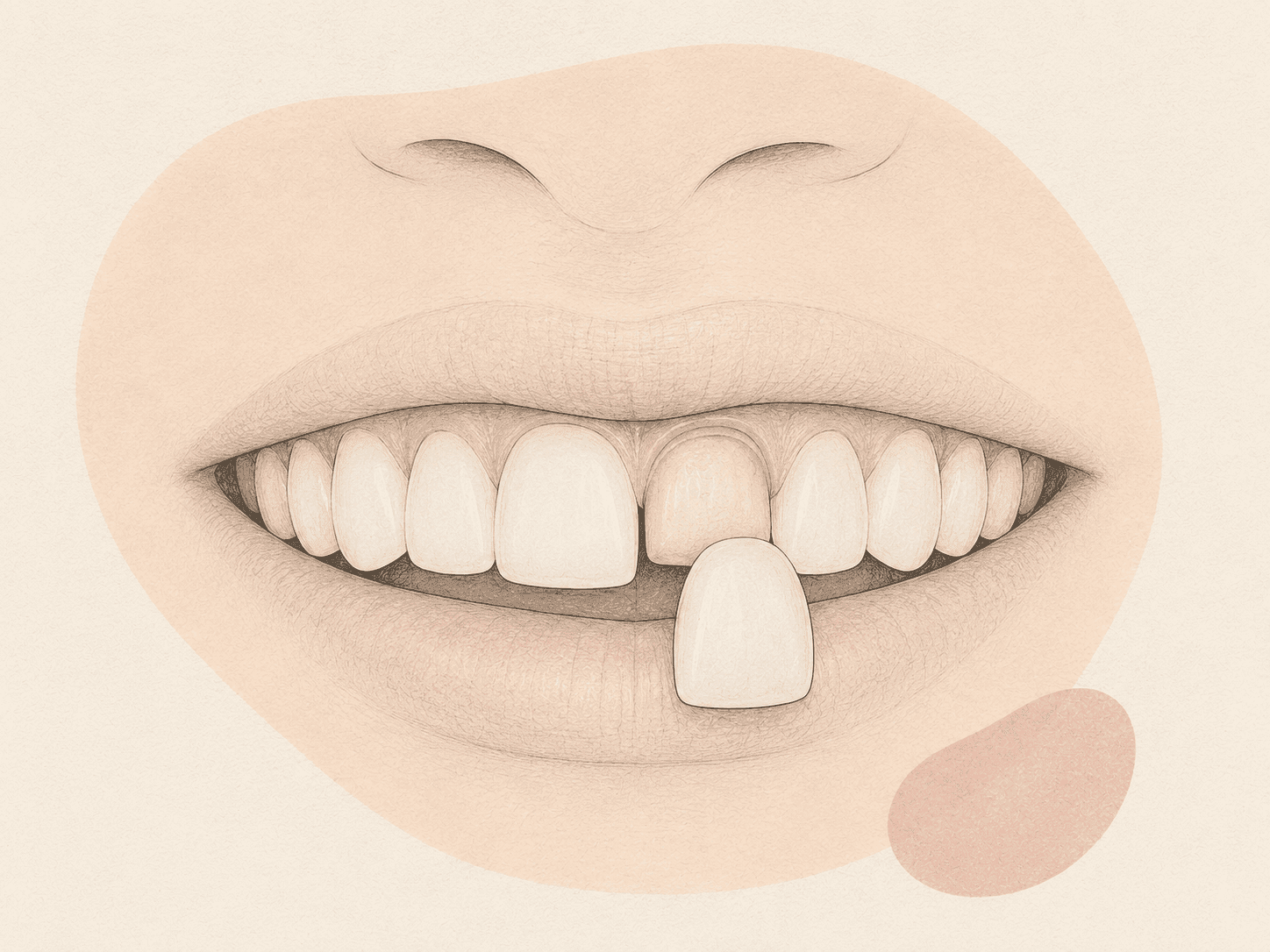
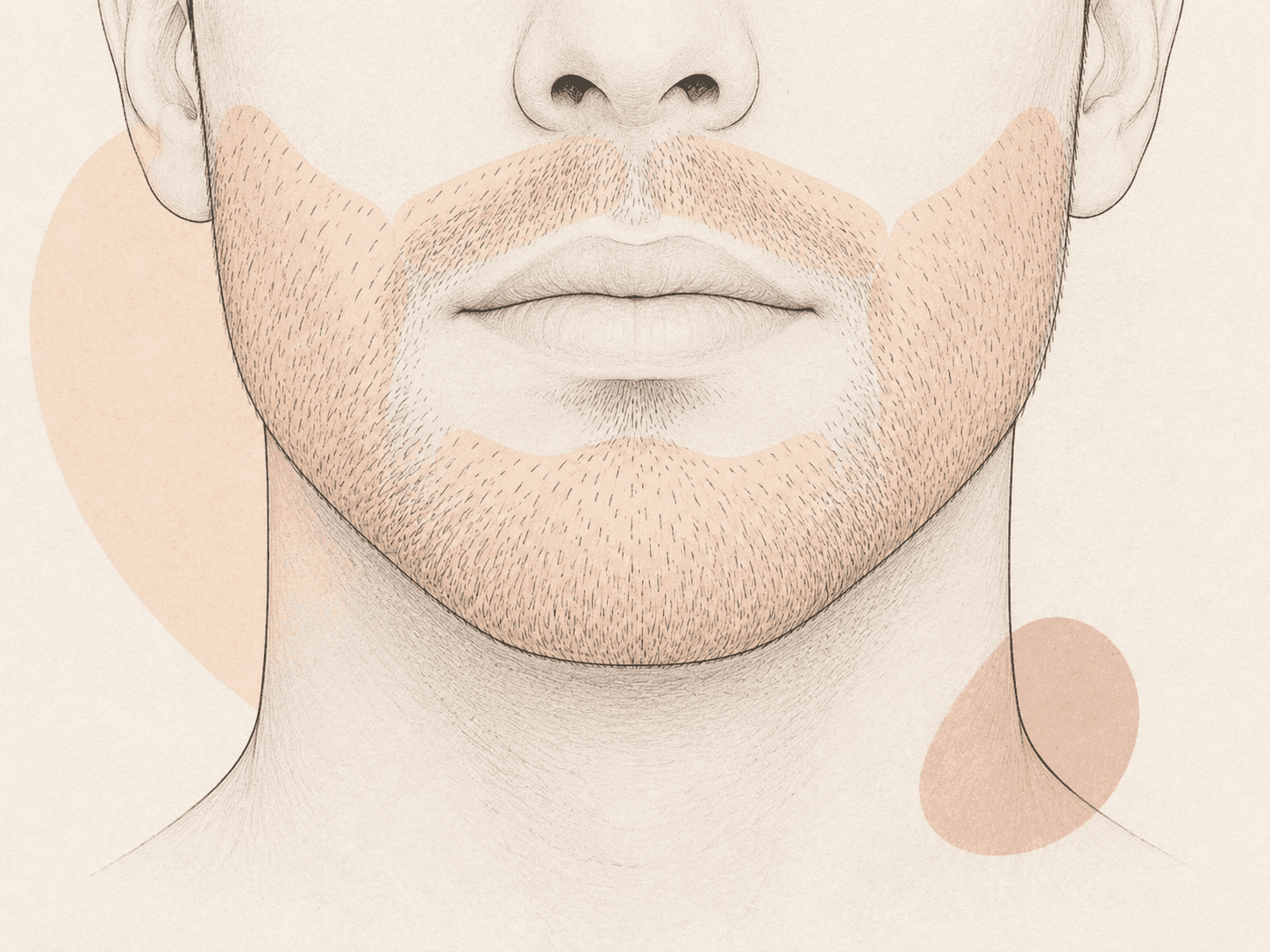
Dimpleplasty And Cheek Dimple Creation Explained
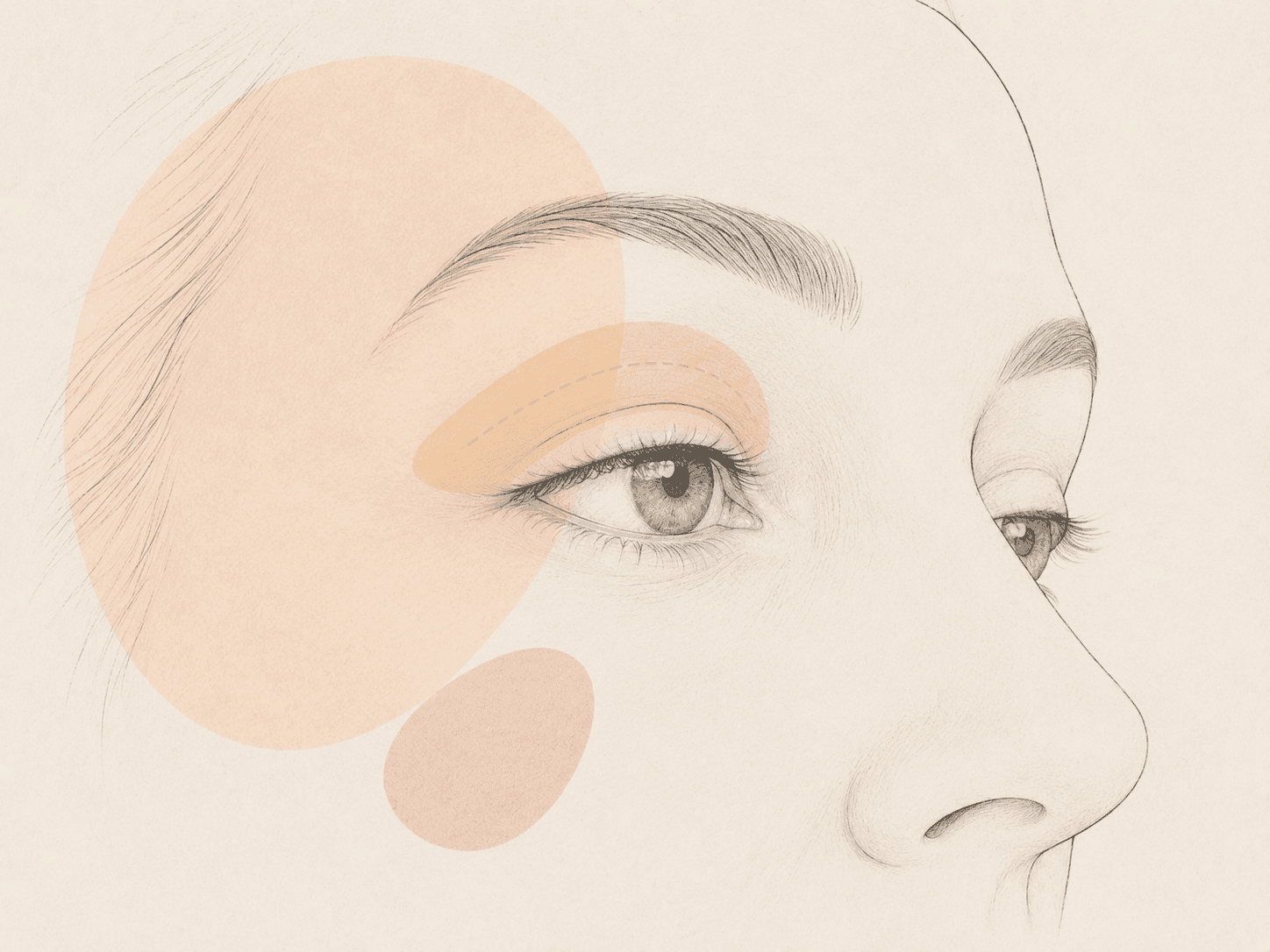
Dimple surgery creates a small indentation in the cheek that may become more noticeable during facial movement, particularly when smiling. An internal stitch connects the cheek skin to deeper tissue, creating a controlled attachment point that forms the dimple.
The procedure is usually performed through the inside of the mouth, so an external skin incision is generally not required. Dimple position, depth and visibility vary according to anatomy, technique and healing, and should be discussed with an appropriately qualified clinician.
Aesthetic Goals And Limits Of Dimpleplasty
Cheek dimple creation is an elective procedure based on personal aesthetic preference. The intended position, visibility and expected changes should be discussed carefully during consultation.
- May add a subtle dimple that appears at rest or mainly during smiling
- Usually involves a short outpatient procedure rather than more extensive facial surgery
- Allows the location and depth to be planned around facial proportions and smile movement
Who May Be Suitable For Dimple Creation Surgery
Dimple creation surgery may be suitable for some adults who want a natural-looking change, understand that results can vary and can follow the required aftercare while traveling. A clinician will usually review cheek anatomy, skin and tissue characteristics, oral health and medical history before confirming suitability.
- Should be in stable general health without uncontrolled medical conditions
- Should not have an active infection or untreated concern inside the mouth
- Should be able to remain nearby for early follow-up and manage oral care while abroad
- Need an experienced clinician to confirm whether the procedure and planned placement are appropriate
Dimpleplasty Techniques And Placement Options
Dimpleplasty planning usually considers whether one cheek or both cheeks will be treated and where each dimple will be positioned. The clinician may assess facial symmetry, smile movement and tissue thickness before selecting an approach.
Unilateral Dimpleplasty
Unilateral dimpleplasty creates a dimple on one cheek. Planning focuses on facial balance and choosing a location that works naturally with expression and smile movement.
Bilateral Dimpleplasty
Bilateral dimpleplasty creates dimples on both cheeks. Each side is mapped according to smile movement and facial proportions while recognising that some natural asymmetry is common.
Cheek Dimple Placement
The classic cheek dimple is usually planned near the smile line. Its depth and visibility depend on the selected technique, tissue characteristics and individual healing response.
How Dimpleplasty May Be Performed
The exact steps depend on the clinician, cheek anatomy and planned dimple position. The procedure is generally performed through a small access point inside the cheek.
Consultation And Dimple Planning
The clinician discusses your goals, examines facial and smile movement and marks the proposed dimple position. Photographs may be used to support symmetry and placement planning.
Creating The Internal Attachment
A small access point is made inside the cheek and a stitch is placed to connect the inner tissues. This controlled attachment creates the dimple effect as the area heals.
Immediate Post-Procedure Check
The clinical team checks your bite, cheek movement and early appearance. You are then given instructions about oral hygiene, food texture, swelling care and follow-up timing.
Anesthesia And Comfort During Dimpleplasty
Dimpleplasty is commonly performed with local anesthesia. Light sedation may also be considered depending on medical history, patient preference and clinic protocol. Early discomfort is often described as soreness inside the cheek rather than pain on the outer skin.
The clinician should explain the proposed anesthesia method, what you may feel during the procedure and how discomfort can be managed afterward.
Preparing For Dimpleplasty Abroad
Preparation for cheek dimple surgery focuses on medical review, oral health and practical travel planning. Follow the instructions provided by your clinician, particularly when taking regular medicines or supplements.
Medical History And Medication Review
- Share your complete medical history, allergies and current medicines or supplements
- Ask whether any blood-thinning medicines or supplements need adjustment, but do not stop prescribed treatment without medical advice
- Tell the clinic about previous facial procedures, dental treatment or oral surgery
Planning Oral Hygiene
- Prepare for gentle oral care after surgery, including any mouth rinse recommended by the clinic
- Avoid arranging dental treatment immediately before dimpleplasty unless your clinician advises otherwise
Travel And Accommodation Planning
- Arrive early enough for an in-person assessment when required
- Allow time locally for early follow-up and keep travel plans flexible if swelling or discomfort lasts longer than expected
- Arrange suitable transport back to your accommodation on procedure day, particularly if sedation is used
Typical Travel Timeline For Dimpleplasty
Travel timelines vary according to the clinic, procedure plan and individual recovery. International patients should allow time for an early check before flying home and confirm how follow-up will continue after returning.
Day 1: Arrival And Assessment
The clinic reviews your information, confirms the procedure plan and completes the consent process. Photographs and final markings may also be completed during this visit.
Procedure Day
Dimpleplasty is performed followed by a short observation period. The clinic provides instructions about oral hygiene, food texture, swelling management and medicines when relevant.
Early Follow-Up
A review within the following days may be recommended to check swelling, comfort and early dimple position. The clinician can advise when travel is reasonable based on your recovery.
Returning Home And Remote Follow-Up
Remote follow-up may be available to review healing, answer practical questions and advise on the next step if a concern develops. It does not replace urgent or necessary in-person medical care.
Dimpleplasty Recovery And Healing Timeline
Recovery after dimple creation surgery differs between patients. Swelling, tissue healing and the early appearance of the dimple can continue to change as the cheek settles.
First Few Days
Tenderness inside the cheek, swelling and mild bruising may occur. The dimple can appear deeper or more noticeable during this early stage.
First Two Weeks
Swelling often decreases gradually. The dimple may initially remain visible at rest and become more noticeable mainly when smiling as healing progresses.
Following Weeks And Months
The appearance may continue to evolve as internal scar tissue matures and the attachment stabilizes. Some change in dimple depth or visibility over time is possible.
Aftercare And Follow-Up After Dimpleplasty
Dimpleplasty aftercare focuses on keeping the mouth clean, avoiding irritation around the internal stitch and monitoring for possible infection. Instructions differ between clinics, so follow the plan provided by your treating clinician.
Oral Care
- Use any recommended mouth rinse and brush carefully to avoid irritating the inner cheek
- Avoid touching or repeatedly pressing the area with your fingers or tongue
Eating And Physical Activity
- Choose softer foods when advised and return gradually to your usual diet as comfort improves
- Avoid strenuous activity for the period recommended by your clinician, particularly during the first few days
Follow-Up After Returning Home
- Keep clear photographs available for remote follow-up when requested
- Know how to reach the treating clinic and where to obtain local medical care if concerning symptoms appear
Risks And Possible Complications Of Dimpleplasty
Dimpleplasty carries risks even though it is usually a minor procedure. Before treatment, the clinician should explain possible complications in relation to your health, oral condition, tissue characteristics and planned dimple position.
More Common Risks
- Swelling, bruising or tenderness
- Temporary unevenness during healing
- Infection inside the mouth
- Bleeding or irritation around the stitch site
Less Common Risks
- A dimple that is deeper, shallower or different in appearance than expected
- Persistent asymmetry
- Scarring or firmness inside the cheek
- Nerve irritation or altered sensation
- Injury to a salivary duct that may require further treatment
When To Seek Medical Care
Seek prompt medical care for fever, increasing pain, spreading redness, worsening swelling, pus, an unpleasant taste, difficulty opening the mouth, swallowing problems or breathing concerns. International patients should receive clear instructions about who to contact and where to seek help after returning home.
Planning Dimpleplasty In Turkey Or Iran
International patients may explore dimpleplasty in Turkey or Iran based on clinician experience, facility standards, communication and the ability to coordinate follow-up while traveling. Destination choice should be based on careful comparison rather than location alone.
Turkey
- Major cities include aesthetic practices with established outpatient treatment pathways
- Some facilities can coordinate dimpleplasty with consultations for other facial procedures when clinically appropriate
- Patients should compare clinician credentials, facility standards, communication and arrangements for early follow-up
Iran
- Urban medical centres include clinicians with training and experience in facial aesthetic procedures
- Some clinic and hospital networks can support assessment and early post-procedure monitoring
- Patients should review documentation, communication processes and the follow-up plan before confirming travel
Hear From Patients
Patient Reviews
Questions About Dimpleplasty
Need More Help?
Have questions or need support planning your next step? Cura can help you understand the process and prepare for clinic conversations.