How Facial Fat Grafting Restores Facial Volume
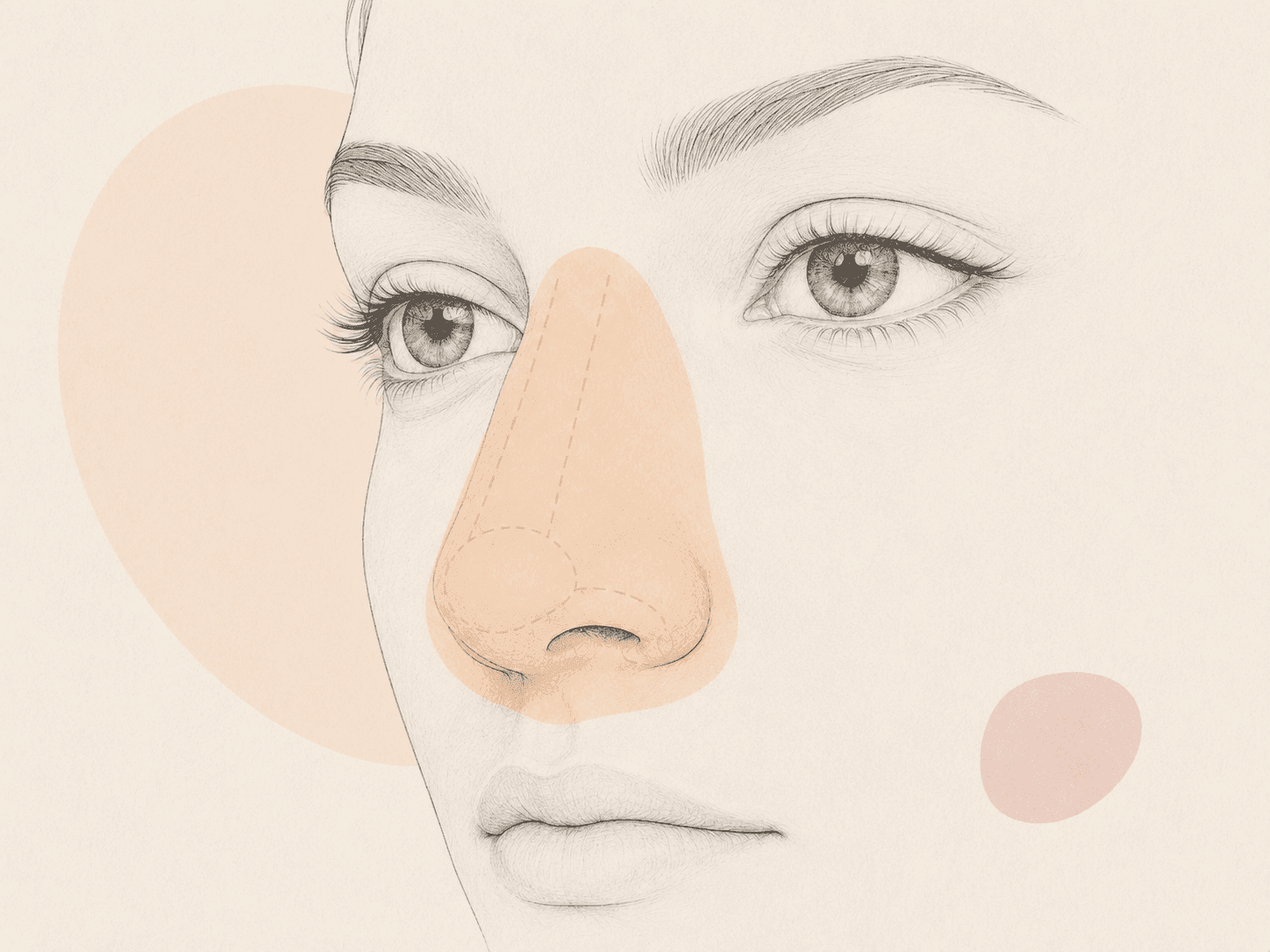
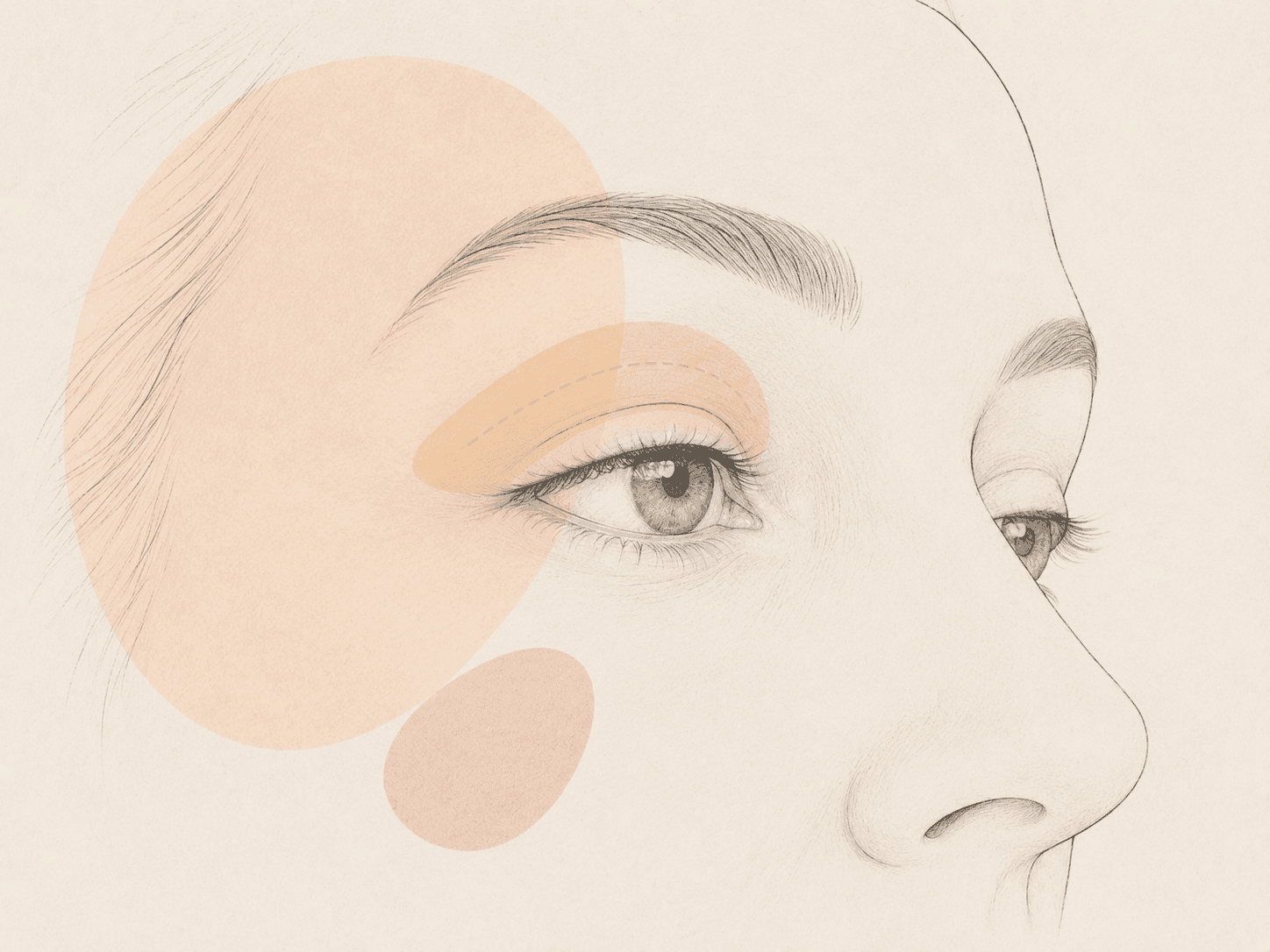
Facial fat grafting transfers small amounts of your own fat to areas such as the cheeks, temples, under-eye region, jawline or lips. Depending on the technique, treatment may be planned to restore volume, improve contour transitions or support selected skin quality goals.
Some of the transferred fat is usually absorbed during healing, and the amount that remains can vary by patient and treatment area. Your clinician should explain the degree of change that may be realistic, how the result may develop as swelling settles and whether staged treatment could be discussed.
Possible Goals And Benefits Of Facial Fat Transfer
The goals of facial fat transfer depend on facial anatomy, the chosen technique and individual healing. Treatment may:
- Restore volume in selected areas affected by age-related changes or contour imbalance
- Use the patient’s own tissue instead of synthetic filler in the treated areas
- Allow the clinician to tailor placement and volume for subtle or more noticeable contour refinement
- Create a modest contour change at the donor site, although this is not the main purpose of the procedure
Who May Be Suitable For Facial Fat Grafting
Facial fat grafting may suit some adults seeking facial volume restoration who understand that results vary and can follow recovery instructions while abroad. Suitability depends on facial anatomy, skin quality, general health and whether enough donor fat can be collected safely.
- Realistic expectations about fat absorption, volume retention and the possibility of further treatment
- A health profile that supports healing after both fat harvesting and facial injection
- Enough time abroad for early checks and swelling management before flying
- A specialist assessment to confirm suitable treatment areas, technique and overall eligibility
Facial Fat Grafting Techniques And Treatment Planning
Facial fat grafting usually involves three main stages: fat harvesting, preparation and injection. Techniques differ in how the fat is processed, where it is placed and whether the aim is deeper volume restoration, finer contour refinement or selected skin quality support.
Structural Fat Grafting
Structural fat grafting is often used for deeper volume restoration in areas such as the cheeks, temples or jawline. Small amounts of fat are placed in multiple layers to build contour and smoother transitions while reducing the likelihood of visible irregularities.
Microfat Grafting
Microfat grafting uses smaller fat particles that may be placed in shallower tissue layers for finer contour refinement. The appropriate depth and volume depend on facial anatomy, skin thickness and the clinician’s treatment plan.
Nanofat Grafting
Nanofat grafting uses very finely processed fat and is generally not intended to create significant volume. Some clinicians use it alongside other techniques when selected skin quality improvements are being considered, but outcomes vary and cannot be guaranteed.
What Happens During Facial Fat Transfer
The treatment process varies according to the clinic, donor area, facial regions being treated and whether another procedure is performed at the same time. Before treatment, your care team should explain the planned steps, anesthesia approach and follow-up schedule.
Facial Assessment And Treatment Planning
Your clinician reviews your goals, facial proportions and skin quality before selecting injection areas and estimating the amount of fat required. Clinical photographs may also be taken to support planning and later follow-up comparisons.
Collecting Fat From The Donor Area
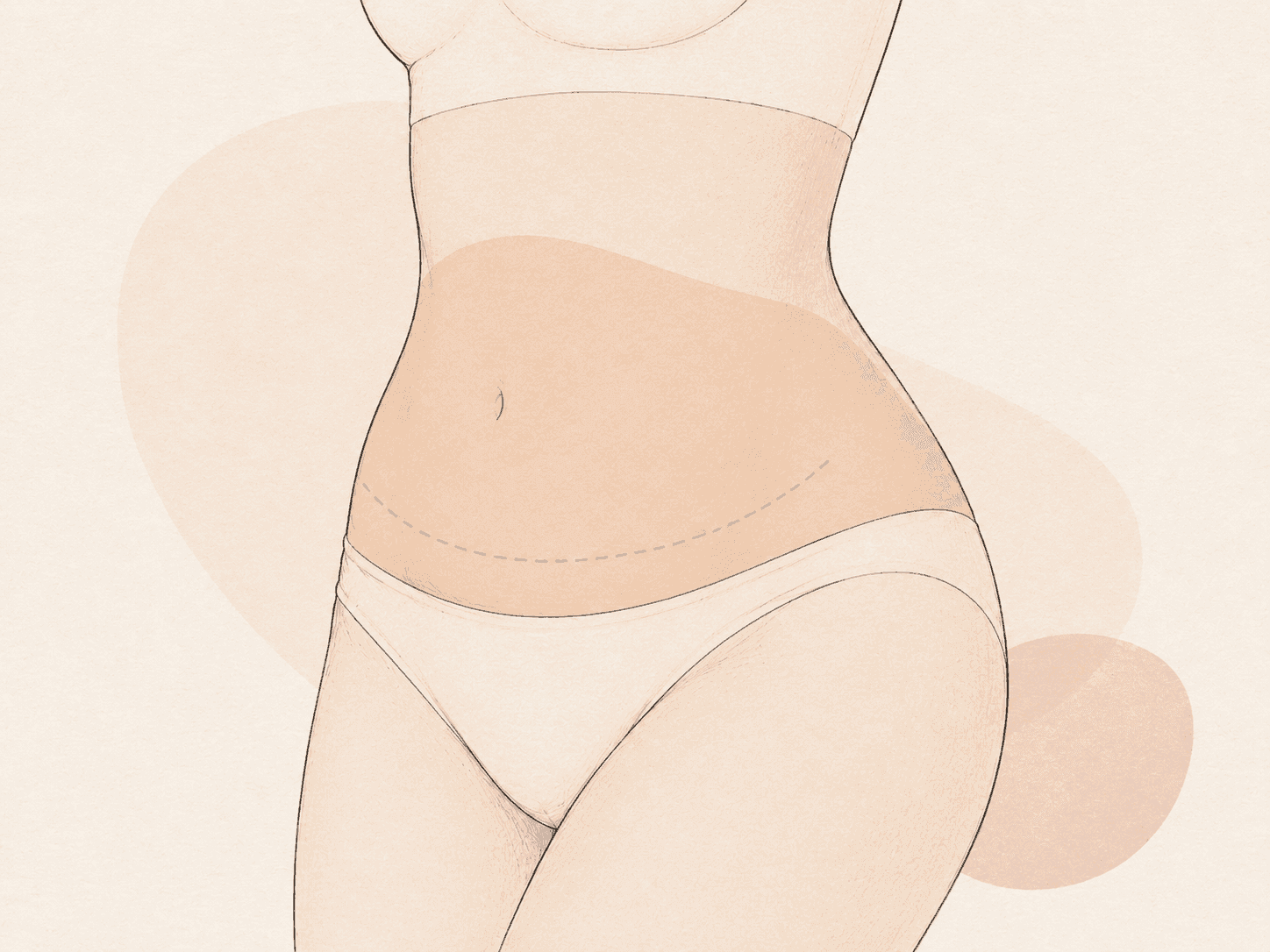
Fat is collected from an area such as the abdomen, flanks or thighs using a gentle liposuction technique. The donor site, incision points, expected bruising and recovery needs should be discussed before the procedure.
Preparing The Harvested Fat
The collected fat is processed to remove excess fluid and prepare it for injection. The preparation method may differ depending on whether structural fat, microfat or nanofat techniques are planned.
Injecting And Shaping The Fat
The clinician injects small amounts of fat into the planned facial areas and builds the contour gradually. Symmetry, tissue response and facial proportions are reviewed throughout placement.
Anesthesia And Discomfort After Facial Fat Grafting
Facial fat grafting may be performed using local anesthesia with sedation or general anesthesia. The approach depends on the amount of fat being collected, the number of facial areas treated and whether other procedures are planned.
Early discomfort may affect both the donor site and the face. Swelling, bruising and tenderness are common during the first stage of healing. The clinic should explain pain management, expected symptoms and when medical assessment is needed.
Preparing For Facial Fat Grafting Abroad
Preparation should combine a thorough medical review with practical travel arrangements. This helps patients plan for the procedure, early recovery and follow-up appointments while abroad.
Medical History And Pre-Procedure Review
- Share your medical history, allergies and current medications or supplements
- Discuss previous facial surgery, injectable treatments or scar-related concerns that could affect planning
- Ask whether tests or medical clearance are required based on your health and anesthesia plan
Lifestyle Factors That May Affect Healing
- Discuss smoking and nicotine use because they can interfere with healing
- Consider how alcohol intake, sleep and nutrition may affect recovery during travel
Travel And Accommodation Planning
- Allow enough time for an in-person assessment if required by the clinic
- Plan a local stay that allows for swelling, bruising and at least one follow-up appointment
- Keep return travel flexible where possible because clearance to fly depends on individual recovery
Typical Travel Schedule For Facial Fat Transfer
A travel schedule for facial fat transfer depends on clinic protocols, the extent of treatment and the donor area. The clinic should confirm the recommended length of stay and follow-up plan before flights and accommodation are booked.
Arrival And In-Person Consultation
This stage may include a clinical assessment, treatment planning, consent and any required pre-procedure checks. It may take place on the day of arrival or before the scheduled procedure.
Procedure And Monitored Recovery
After facial fat grafting, the care team monitors early recovery and provides instructions for facial swelling, donor site care and activity restrictions.
Early Follow-Up Appointments
A review during the first few days may be used to assess swelling, bruising, donor site healing and any early concerns. Further appointments may be arranged depending on the treatment and recovery progress.
Travel Clearance And Returning Home
The treating team should confirm when flying is appropriate based on healing, the anesthesia used and other safety considerations. A remote follow-up plan should also be agreed before departure.
Facial Fat Grafting Recovery Timeline
Recovery differs between patients. Swelling and bruising can temporarily change facial appearance, while the amount of retained volume usually becomes easier to assess as tissues settle.
First Week After Treatment
Swelling, bruising and tenderness are common in the face and donor area. Temporary unevenness may also occur and should be interpreted cautiously while early healing is still underway.
Weeks 2 To 6
Swelling often decreases gradually and facial contours may begin to look more settled. Changes in volume can continue as healing progresses and some of the transferred fat is absorbed.
Months 2 To 6
Longer-term fat retention becomes easier to evaluate during this period. When further treatment is being considered, the clinician will usually wait until the tissues have had enough time to stabilize.
Aftercare Abroad And At Home
Aftercare includes monitoring both the facial injection areas and the site where fat was collected. Instructions differ between clinics and techniques, so follow the guidance provided by your treating team.
Early Aftercare While Abroad
- Attend scheduled appointments so the clinician can review swelling and early healing
- Follow instructions about facial pressure, massage and sleeping position
- Monitor bruising, tenderness and any dressings used at the donor site
Follow-Up After Returning Home
- Continue remote follow-up where available and send photographs only as requested by the clinic
- Know how to access local medical care if urgent symptoms develop
- Request a written summary of the technique, treated areas and follow-up plan to support continuity of care
Risks And Complications Of Facial Fat Grafting
Facial fat grafting carries risks related to both fat harvesting and facial injection. Your clinician should explain how these risks relate to your health, the planned treatment areas and the technique being considered.
More Common Risks And Side Effects
- Swelling, bruising or tenderness in the face or donor area
- Temporary asymmetry during healing
- Loss of volume as some transferred fat is absorbed
- Lumps, firmness or uneven contour
- Infection or delayed wound healing
Less Common But Serious Complications
- Fat necrosis, oil cysts or calcification
- Nerve irritation or changes in sensation
- Damage to skin or tissue in an injected area
- Accidental injection into a blood vessel, which can cause severe vascular complications including vision loss or stroke
Symptoms That Need Urgent Medical Assessment
Seek urgent medical care for increasing pain, fever, spreading redness, pus, sudden vision changes, severe headache, weakness, shortness of breath or rapidly worsening facial swelling. Before returning home, international patients should confirm how urgent concerns and escalation will be managed after travel.
Comparing Facial Fat Grafting In Iran And Turkey
Iran and Turkey both have aesthetic surgery services that treat international patients, but clinic standards, surgeon experience and follow-up systems vary. Decisions should be based on the clinician’s facial fat grafting experience, facility standards, anesthesia planning, communication and the arrangements for early and longer-term follow-up.
Planning Treatment In Turkey
- Compare surgeons and facilities in major medical tourism cities rather than relying only on package descriptions
- Ask how multidisciplinary support is organized when fat transfer is combined with another facial procedure
- Confirm the schedule for in-person checks and remote follow-up before returning home
Planning Treatment In Iran
- Review the surgeon’s training and experience with facial fat grafting and related facial procedures
- Clarify how pre-assessment, anesthesia planning and early monitoring are organized by the clinic or hospital
- Request clear documentation and a follow-up pathway that supports continuity of care after travel
Hear From Patients
Patient Reviews
Questions About Autologous Facial Fat Grafting
Need More Help?
Have questions or need support planning your next step? Cura can help you understand the process and prepare for clinic conversations.