Understanding Scar Revision Surgery
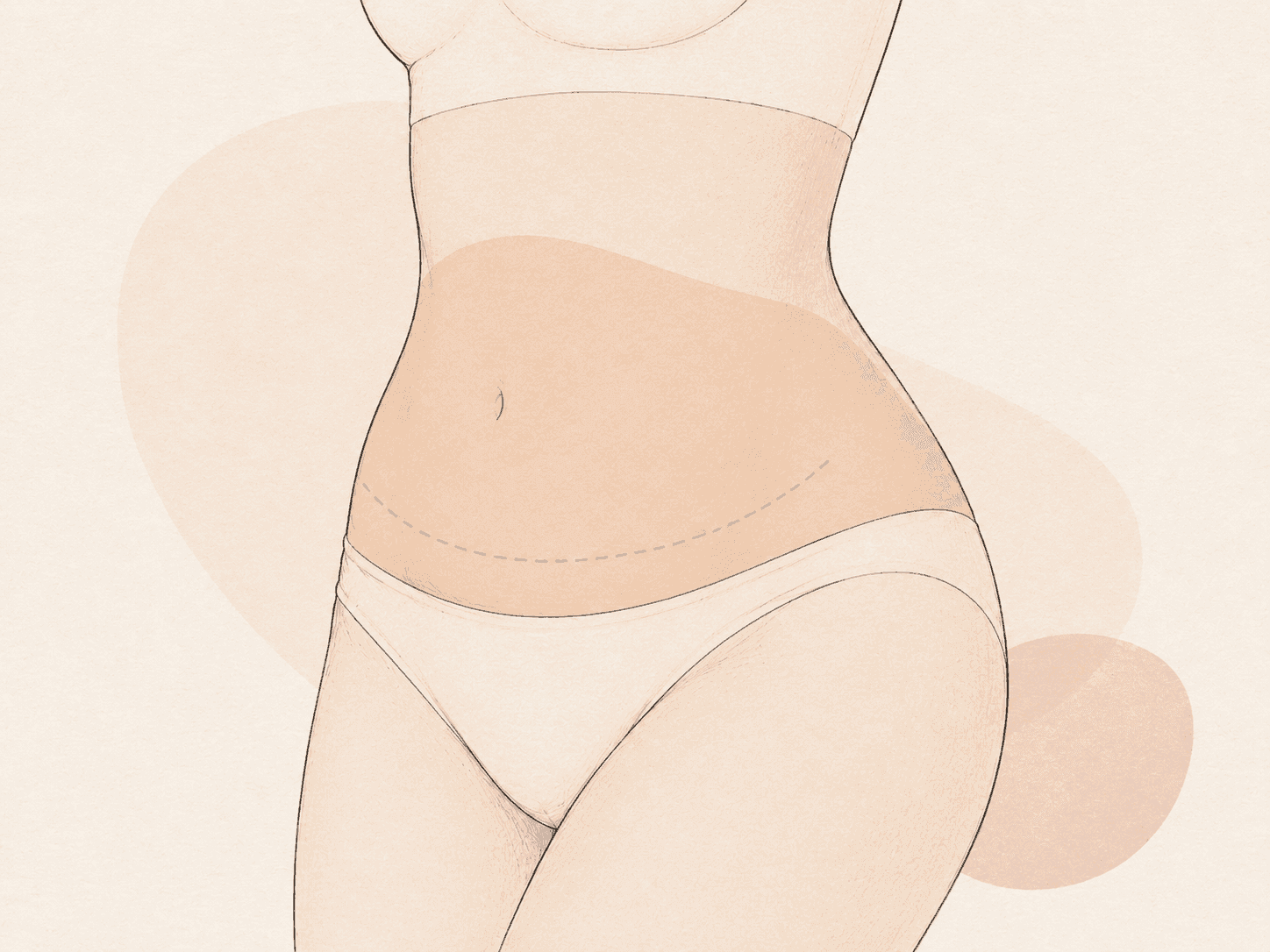
Scar revision surgery changes the shape, direction, thickness or tension of a scar so it may become less noticeable or function more comfortably. The technique depends on whether the scar is widened, raised, tethered, irregular or positioned across natural skin lines. Some scars can also restrict movement or cause discomfort, especially near joints, the mouth or the eyelids.
Scar revision may involve removing scar tissue, rearranging nearby skin or releasing tight tissue beneath the surface. A specialist review helps determine the most appropriate approach, realistic improvement and suitable timing for treatment.
What Scar Revision Surgery May Improve
- May create a smoother contour by reducing irregular edges or bulky scar tissue
- May make a scar line less noticeable by repositioning it along natural skin creases when feasible
- May improve the texture of selected depressed or tethered scars
- Can reduce pulling or movement restriction caused by tight scar tissue
- May improve scar width, alignment or asymmetry in suitable cases
Results depend on the scar type, skin characteristics and individual healing response. The treating surgeon should explain which changes may be realistic for the specific scar being treated.
Who May Consider Scar Revision Surgery
Scar revision surgery may be considered when a scar is noticeable, uncomfortable or restricts movement. Many scars improve naturally over time, so treatment is often delayed until the scar has matured unless there is a functional concern or another reason for earlier intervention.
- General health is stable enough to support wound healing
- The timing is appropriate for the scar maturity, symptoms and treatment goals
- Expectations focus on improvement rather than complete scar removal
- Any history of hypertrophic scars, keloids or delayed wound healing has been reviewed
- Travel plans allow time for early checks and temporary activity restrictions
Suitability can only be confirmed after a specialist examines the scar and reviews the patient’s medical and healing history.
Scar Revision Techniques And Treatment Planning
The selected technique depends on the scar pattern, skin quality and nearby anatomy. A surgeon may recommend one method or combine several approaches, sometimes within a staged treatment plan.
Z-Plasty Scar Revision
Z-plasty uses small triangular skin flaps to change the direction of a scar and reduce tension. It may be considered when a scar crosses natural skin lines or forms a tight band that restricts movement. The aim is to break up a straight scar line and reposition it in a less noticeable direction when possible.
W-Plasty Scar Revision
W-plasty reshapes a straight scar into a small zigzag pattern through a series of triangular excisions. It may make the scar edge less uniform and easier to blend with nearby skin creases. Careful planning is needed to protect surrounding structures and maintain natural contours.
Scar Excision And Closure
Scar excision removes the existing scar tissue before the skin is closed again with attention to tension and natural skin lines. It may be considered for widened, irregular or poorly healed scars. The closure method and aftercare can influence how the new scar develops.
Subcision For Depressed Scars
Subcision uses a small instrument beneath the skin to release fibrous bands that pull a scar downward. It may improve selected depressed or tethered scars and may be used alone or with other methods. Early bruising and swelling can occur, so follow-up is important while the area heals.
How Scar Revision Surgery Is Planned
Scar revision surgery is planned according to the selected technique, scar location and individual healing factors. Before travelling, the clinic should provide a personalised plan covering the procedure, aftercare and follow-up schedule.
Consultation And Treatment Planning
- Examination of the scar, clinical photographs and discussion of treatment goals
- Review of scar maturity, symptoms and previous treatments
- Discussion of options such as Z-plasty, W-plasty, scar excision or subcision
- Review of medical history, medications and previous scarring patterns
Procedure Day
- Cleansing and marking of the treatment area
- Anesthesia selected according to scar size, location and patient factors
- Scar release, removal or tissue rearrangement as planned
- Careful wound closure and application of a dressing
- Confirmation of aftercare instructions and follow-up appointments
Early Follow-Up
- Wound checks to review swelling, healing and dressing needs
- Suture assessment or removal when appropriate for the treated area
- Guidance on scar care and temporary activity limits
- Discussion of travel readiness before the return flight
Anesthesia And Comfort During Scar Revision Surgery
Scar revision surgery may be performed under local anesthesia, local anesthesia with sedation or general anesthesia. The choice depends on the scar location, planned technique and individual health factors. The treating clinician will confirm the appropriate option after reviewing the medical history.
Pain and discomfort vary according to the site and depth of treatment. Tenderness, tightness and swelling can occur during early recovery. The surgeon should provide a pain management plan and explain which medicines, activities or products should be avoided during healing.
Preparing For Scar Revision Surgery Abroad
Preparation should cover both medical safety and travel arrangements so that early healing and follow-up are not disrupted.
Medical Review
- Share a complete list of medicines and supplements with the treating team
- Discuss medicines that may affect bleeding and only make changes with clinical guidance
- Report any history of hypertrophic scars, keloids or delayed wound healing
Lifestyle And Practical Planning
- Avoid smoking and nicotine products as advised because they can interfere with healing
- Allow time for wound care, reduced activity and follow-up appointments
- Consider accommodation close to the clinic for easier access to early checks
Travel Records And Follow-Up
- Bring relevant medical records and an up-to-date medication list
- Confirm follow-up dates before booking the return flight when possible
- Agree on how remote follow-up will continue after returning home
Typical Travel Timeline For Scar Revision Surgery
The schedule varies according to the scar location, technique and healing plan. The treating surgeon must confirm when flying is appropriate and when sutures should be assessed or removed.
Day 1: Arrival And In-Person Consultation
- Examination of the scar, photographs and consent discussion
- Confirmation of the final scar revision technique
- Pre-anesthesia checks when required
Day 2: Scar Revision Procedure
- Procedure and application of the initial dressing
- Review of aftercare instructions and follow-up appointments
Days 3 To 10: Local Follow-Up
- Wound checks to review healing and manage dressings
- Suture assessment or removal based on the treatment area and clinic protocol
- Travel guidance and confirmation of temporary activity limits before departure
After Returning Home: Ongoing Review
- Remote follow-up with photographs when this service is available
- In-person review by a local clinician if wound concerns require examination
- Continued review of the longer-term scar care plan
Recovery And Scar Maturation After Revision Surgery
Recovery after scar revision surgery is gradual and varies between patients. The incision may close within several weeks, while scar maturation can continue for many months and the appearance may change over time.
First Week
- Swelling, bruising and tenderness may be present
- Keep the area clean and follow the dressing instructions provided
- Avoid stretching or placing tension on the treated area when advised
Weeks 2 To 6
- Surface healing usually continues and discomfort may gradually reduce
- The scar may remain pink, raised or firm while remodelling takes place
- Activity can increase gradually according to the surgeon’s guidance
Months 2 To 12
- The scar may continue to soften and fade
- The longer-term appearance becomes clearer as maturation progresses
- Further treatment or staged care may be discussed depending on the healing response
Aftercare And Follow-Up After Scar Revision Surgery
Aftercare can influence wound safety and the way a scar develops. International patients should have a clear plan for early checks abroad and continued follow-up after returning home.
Wound Care
- Follow the cleansing and dressing instructions provided by the treating team
- Avoid soaking the area until the clinician confirms it is safe
- Report increasing redness, warmth, pain or discharge without delay
Scar Care
- Start scar care only after the wound has closed and the clinician approves
- Protect the scar from sun exposure while it is healing
- Use strategies to reduce tension if recommended for the treated area
Continuity Of Care After Travel
- Keep the procedure notes and aftercare instructions for any local clinician involved in follow-up
- Attend scheduled remote check-ins when available
- Ask when it may be appropriate to return to work, sport and regular skincare
Risks And Possible Complications Of Scar Revision Surgery
Scar revision surgery carries risks that vary according to the technique, treatment area and individual healing response. The surgeon should explain these risks before treatment and provide clear instructions about symptoms that require medical review after returning home.
More Common Risks
- Swelling, bruising or tenderness
- Infection
- A widened or still-visible scar
- Redness or pigment changes around the treated area
- Asymmetry or contour irregularity
Less Common Risks
- Bleeding or a collection of blood under the skin
- Delayed wound healing or separation of the wound edges
- Hypertrophic scarring or keloid formation in susceptible patients
- Persistent numbness or altered sensitivity near the treated area
- Need for additional treatment or another revision procedure
When To Seek Medical Help
- Rapidly increasing swelling or pain
- Fever or redness spreading beyond the wound
- Pus, worsening discharge or an unpleasant smell
- Bleeding that does not stop with gentle pressure
Severe symptoms require urgent local medical care. International patients should also contact the treating clinic for guidance and relevant treatment documentation.
Planning Scar Revision Surgery In Turkey Or Iran
International patients may compare Turkey and Iran for scar revision surgery based on access to plastic surgery or dermatology teams, facility standards, communication and follow-up arrangements. The right choice depends on verified professional credentials and a practical plan for wound care and continuity after travel.
Scar Revision Surgery In Turkey
Turkey has a broad network of plastic surgery and dermatology services, including clinics that regularly coordinate care for international patients. When comparing options, patients should review the surgeon’s relevant experience, facility standards, communication process, scheduled wound checks and documentation for follow-up at home.
Scar Revision Surgery In Iran
Iran has established specialist training and experience in reconstructive and aesthetic procedures in major cities. International patients should compare clinical standards, the quality of the consultation, access to follow-up during the stay and the handover plan for continued scar care after returning home.
How Cura Supports Scar Revision Planning
Cura helps international patients compare clinic information, organise documentation, plan practical travel steps and coordinate follow-up schedules. Decisions about the technique, timing, suitability and readiness to fly remain with the treating specialist.
Hear From Patients
Patient Reviews
Questions About Scar Revision Surgery
Need More Help?
Have questions or need support planning your next step? Cura can help you understand the process and prepare for clinic conversations.