Lower Body Lift And Belt Lipectomy Explained
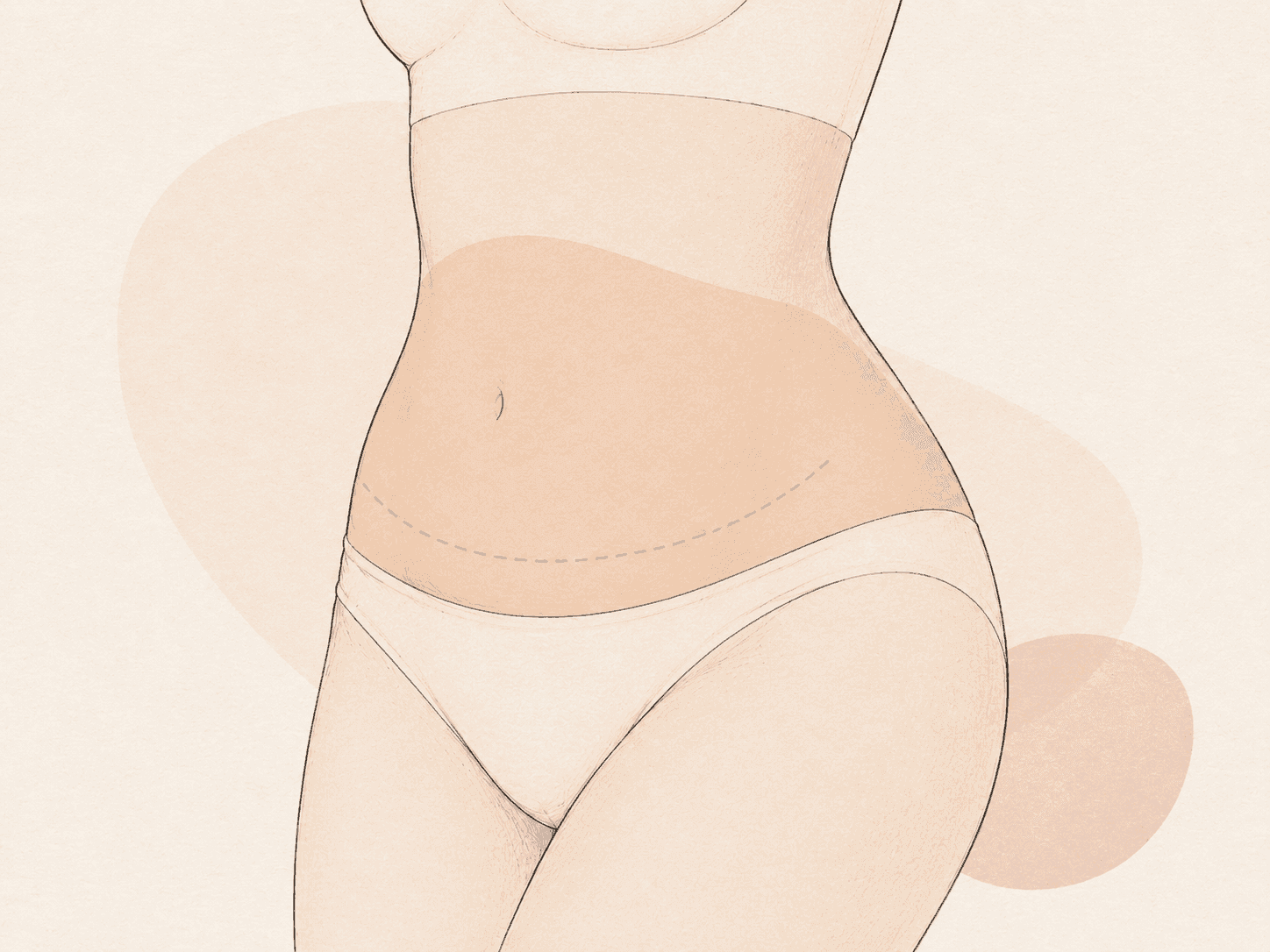
A lower body lift is planned to improve lower trunk contour by removing excess skin and tightening tissue around the waistline. Unlike a tummy tuck, which mainly focuses on the front of the abdomen, a circumferential body lift treats the body in a continuous pattern around the torso. This is why it may also be called a belt lipectomy.
The procedure may address laxity across the abdomen, flanks, lower back and buttock region. It is not a weight loss treatment and does not replace long-term healthy habits. Your surgeon should explain whether a body lift is appropriate for your anatomy, where scars may sit and how recovery and follow-up visits should be planned.
Goals Of Lower Body Lift Surgery
International patients usually consider a lower body lift for goals such as:
- Improved lower trunk contour: addressing loose skin across the abdomen, waist and back
- More balanced proportions: reshaping the hips, outer thighs and buttock area as part of one coordinated plan
- Improved clothing comfort: reducing excess tissue that may affect how garments fit or feel
- Less skin irritation in some cases: reducing rubbing where skin folds create discomfort
Results vary depending on anatomy, skin quality, surgical technique and healing. A specialist should help set realistic expectations, including the trade-off of longer scars.
Who May Be Assessed For A Lower Body Lift
A body lift may be considered for adults at a stable weight who have significant lower trunk skin laxity, often after major weight loss. Suitable patients usually understand that scarring is part of the procedure and that recovery can be longer than with smaller body contouring operations.
Assessment depends on overall health, smoking or nicotine use, anemia or bleeding risk, clot risk, prior abdominal surgery and the ability to follow wound care and mobility guidance. For international patients, planning must also include enough time in the destination for early checks and practical support with transfers and daily needs. Only a qualified specialist can confirm eligibility for a lower body lift and whether staging the procedure may be safer.
Lower Body Lift Techniques And Variants
Lower body lift techniques vary based on the amount of skin laxity and where it is located. Your surgeon should recommend an approach that balances contour goals with safety, scar placement and wound healing considerations.
Circumferential Lower Body Lift
A circumferential lower body lift removes excess skin around the full waistline in a continuous pattern. It can address the abdomen, flanks, lower back and buttock region together, which is why it may also be called a circumferential body lift or belt lipectomy.
Extended Lower Body Lift
An extended lower body lift may use a longer incision pattern to address laxity that reaches further toward the hips and outer thighs. It may be considered when contour concerns extend beyond the central waistline and require broader reshaping.
How Lower Body Lift Surgery May Be Performed
Exact steps differ by surgeon and technique, but most belt lipectomy and body lift procedures follow a structured sequence.
Planning And Marking
Your surgeon reviews your goals, examines skin laxity and marks incision lines to guide symmetry and scar placement. Photos may be taken for clinical documentation and surgical planning.
Anesthesia And Positioning
A lower body lift is commonly performed under general anesthesia. Because it treats multiple areas, careful positioning during surgery is part of the plan to protect pressure points and allow safe surgical access.
Skin Removal And Tissue Tightening
Excess skin and tissue are removed and deeper layers are tightened to reshape the waistline and lower trunk. The extent depends on whether the planned approach is circumferential or extended.
Closure, Dressings And Drains
Incisions are closed and dressings are applied. Drains are commonly used to reduce fluid buildup. Compression garments may be recommended to help manage swelling and support early healing.
Anesthesia, Pain Control And Early Comfort
Lower body lift surgery is usually performed under general anesthesia. Discomfort is expected, especially tightness, soreness and swelling during the first one to two weeks, with gradual improvement over time. Because incisions wrap around the body, movements such as standing upright, sitting and getting in and out of bed can feel difficult early in recovery.
Your surgical team should advise on pain control options and safe mobility strategies. Seek urgent clinical review for severe or worsening pain, fever, spreading redness, sudden shortness of breath, chest pain or one-sided leg swelling.
Preparing For A Lower Body Lift Abroad
Preparation for a circumferential body lift should begin weeks before travel and should focus on safety, healing readiness and practical recovery planning.
- Smoking and nicotine: many surgeons ask patients to stop nicotine before and after surgery because it can increase wound healing risks
- Medications and supplements: your clinician should review products that may affect bleeding and may adjust certain medicines
- Medical checks: tests may be recommended to assess anemia risk and overall fitness for major surgery
- Support planning: arrange help with transfers, meals, dressing changes and short walks during early recovery
- Travel planning: plan a longer stay, avoid lifting luggage and keep return flights flexible in case extra monitoring is needed
Typical Lower Body Lift Travel Timeline
A lower body lift often requires a longer in-destination recovery plan than smaller procedures. Timing depends on healing, drain management and travel clearance.
Days 0 To 1
Arrival, in-person assessment and pre-operative checks. The team confirms the surgical plan, hospital stay needs and follow-up schedule.
Days 1 To 3
Surgery and immediate recovery. An overnight hospital stay is common for many patients, sometimes longer depending on clinical guidance and monitoring needs.
Days 4 To 10
Early healing, drain care, compression use and follow-up visits to assess swelling and incision integrity. Mobility is increased gradually with guidance. Hygiene and wound care routines are reinforced during this phase.
Days 10 To 21
Ongoing follow-up, possible drain removal when appropriate and a discussion about travel clearance. Many international patients plan around two to three weeks in the destination, but the right timing depends on wound status, pain control and clot risk profile.
Lower Body Lift Recovery And Healing Timeline
Recovery after a belt lipectomy is gradual and varies widely. Swelling and fatigue often improve over weeks, while scars continue to mature over several months.
First Two Weeks
Swelling, bruising and tightness are common. Drains may still be in place and you may be advised to walk slightly flexed at the waist at first. Short, frequent walks are often encouraged to support circulation while avoiding strain.
Weeks 2 To 6
Mobility usually improves and many people return to light daily activities with restrictions. Compression is commonly continued. Heavy lifting and strenuous activity are usually avoided until your surgeon clears them.
Months 2 To 6
Swelling continues to settle and the contour becomes clearer. Some areas may feel firm or numb and may change gradually over time. Your team can advise on scar care that matches your incision pattern.
Months 6 To 12
Scars continue to mature with gradual changes in color and texture. Longer-term results depend on healing, weight stability and skin quality.
Aftercare And Follow-Up After A Lower Body Lift
Aftercare focuses on wound protection, swelling control and a clear follow-up pathway once you return home.
- Incision and drain care: follow instructions for dressings, showering and drain management if drains are used
- Compression: wear garments as directed to support comfort and swelling control
- Mobility: walk regularly in short sessions and avoid prolonged immobility, especially during travel
- Activity limits: avoid heavy lifting and strenuous exercise until cleared
- Remote follow-ups: confirm how photo reviews, video check-ins and local clinician support will work after you travel home
Lower Body Lift Risks And Possible Complications
A lower body lift is major surgery and carries meaningful risks. Your surgeon should explain which risks apply to your health profile and how complications are managed in the destination and after you return home.
More Common Risks
Risks can include bleeding, infection, fluid collection, swelling, bruising, delayed wound healing and noticeable scarring. Because incisions are extensive, wound separation and prolonged drainage can occur.
Contour And Sensation Changes
Asymmetry, contour irregularities, widened scars and changes in skin sensation can occur. Some numbness may improve over time, but it can persist in some cases.
Less Common But Serious Risks
Less common risks include skin necrosis, significant wound breakdown, blood clots and complications related to anesthesia. Long-distance travel can add complexity to clot risk and follow-up care, so travel timing, mobility guidance and an escalation plan are important for international patients.
Planning Lower Body Lift Surgery In Turkey Or Iran
For international patients, choosing where to have a lower body lift should prioritize surgeon credentials, facility capability, anesthesia safety and reliable post-operative monitoring. Because a circumferential body lift involves longer incisions and higher wound care needs, clear follow-up scheduling and escalation pathways matter.
Turkey
Turkey has many hospitals and clinics that routinely support international patients and provide established perioperative workflows for major body contouring procedures. The key decision factors remain individual surgeon experience, facility standards and a realistic recovery plan with reliable follow-up visits.
Iran
Iran has an established cosmetic surgery landscape and surgical teams with experience across a range of body contouring procedures. As with any destination, standards vary by provider, so verification, clear communication and structured aftercare planning are essential for a body lift abroad.
Hear From Patients
Patient Reviews
Questions About Lower Body Lift Surgery
Need More Help?
Have questions or need support planning your next step? Cura can help you understand the process and prepare for clinic conversations.