Gluteal Fat Grafting And Brazilian Butt Lift Explained
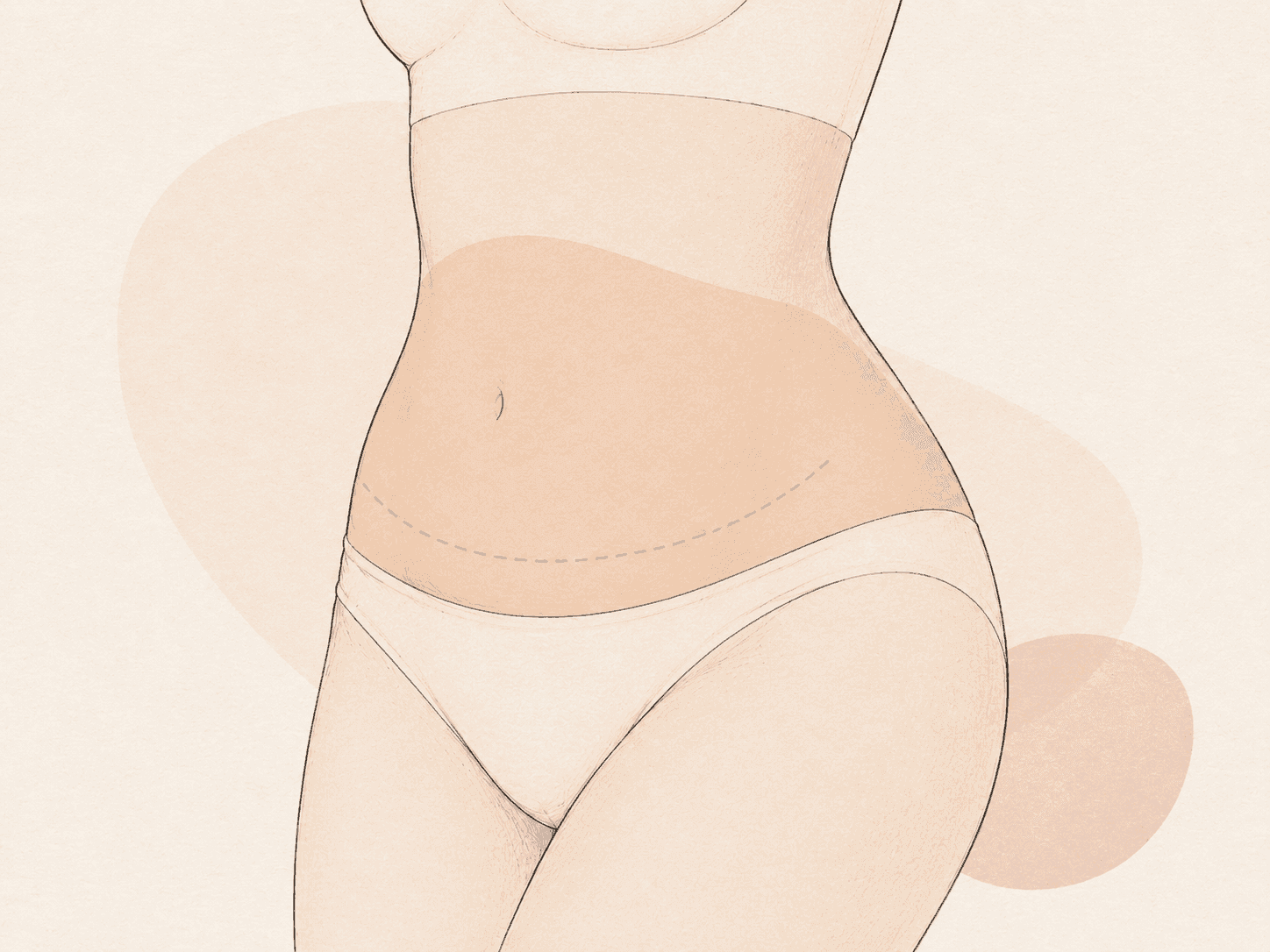
Gluteal fat grafting is a body contouring procedure that uses a patient’s own fat to reshape the buttocks. It usually involves two stages: liposuction to collect fat from donor areas and fat transfer to the buttocks, which is why it is also called gluteal fat transfer.
A Brazilian butt lift is not a weight loss procedure. Its goal is to improve contour, projection and proportion while working within safe anatomical limits. The final plan depends on anatomy, skin quality, available donor fat, previous surgery and how transferred fat is expected to heal. A specialist assessment is needed to decide whether BBL surgery is appropriate and how it should be planned.
Goals Of Brazilian Butt Lift Fat Transfer
Brazilian butt lift surgery or butt fat transfer may be discussed for contour goals such as:
- Added volume: improving buttock projection with the patient’s own fat
- Shape refinement: creating a smoother buttock outline and improving surrounding contours
- Body proportion: combining liposuction and gluteal fat transfer to balance the waist, hips and buttocks
- Hip contour support: addressing selected hip augmentation fat transfer goals, including hip dips fat transfer when suitable
Results vary from person to person and some fat resorption is expected. The surgeon should explain what level of change is realistic, how swelling may affect early appearance and how volume can settle over time.
Who May Be Considered For Gluteal Fat Grafting
Gluteal fat grafting may be considered for adults who want buttock or hip contour improvement and have enough donor fat for safe harvesting. A suitable plan usually requires stable weight, good general health and realistic expectations about swelling, liposuction access points and gradual result settling.
Suitability also depends on smoking or nicotine use, healing risks, clot risk, anemia risk, medical history and previous surgery. For international patients, planning should also include enough time in destination for early checks, help with mobility and a clear aftercare pathway. Only a qualified specialist can confirm whether Brazilian butt lift surgery is suitable or whether the plan should be adjusted, delayed or staged for safety.
How Brazilian Butt Lift Fat Transfer Is Planned
A Brazilian butt lift combines liposuction and fat transfer. The technique should be adapted to the patient’s anatomy, donor fat availability and safety profile rather than following a single standard plan.
Fat Harvesting
Fat is commonly collected with liposuction from areas such as the abdomen, flanks, back or thighs. The harvest plan affects both donor-site contour and the amount of usable fat that may be available for transfer.
Fat Processing
The collected fat is processed before transfer. Methods vary by surgeon and facility, with the aim of preparing a clean fat graft that can be injected in a controlled way.
Fat Injection And Safety
During gluteal fat transfer, the surgeon injects fat in multiple small passes to shape the buttocks and, when included in the plan, the hips. Safety depends on careful depth control and avoiding high-risk injection planes. Some teams may use additional safety steps such as real-time guidance tools and structured protocols.
What Happens During Butt Fat Transfer
Details vary by surgeon and patient, but many butt fat transfer procedures follow a similar sequence.
Pre-Op Review And Marking
The surgeon reviews goals, examines donor areas and marks the planned zones for liposuction and fat transfer. Clinical photos may be taken for documentation and surgical planning.
Liposuction Harvest
Fat is removed from selected donor areas using small cannulas through short access points. The aim is controlled fat harvesting while keeping the donor-site contour as smooth as possible.
Fat Preparation
The harvested fat is processed and prepared for transfer. The surgical team decides how much usable fat is available after harvesting and processing.
Gluteal Fat Grafting
Prepared fat is injected into planned zones to improve shape and symmetry. If hip augmentation fat transfer or hip dips fat transfer is part of the agreed plan, those areas are contoured within safe limits.
Dressings And Garments
Access points are closed or dressed and compression garments are often applied to donor areas. The team explains garment use, sitting guidance and sleeping positions to help protect the grafted areas during early recovery.
Anesthesia, Discomfort And Early Comfort Planning
Brazilian butt lift procedures are commonly performed under general anesthesia, depending on the extent of liposuction and fat transfer. Early discomfort often comes from the liposuction areas and may feel like soreness, tightness and bruising during the first one to two weeks.
Positioning can also be difficult at first because many patients are advised to avoid direct pressure on the buttocks for a period set by the surgeon. The surgical team should provide a pain control plan and explain which symptoms are expected and which require urgent review.
Preparing For Gluteal Fat Transfer Abroad
Preparation for gluteal fat transfer should focus on safety, healing and travel logistics.
- Smoking and nicotine: many surgeons require stopping nicotine before and after surgery to reduce healing complications
- Medications and supplements: the clinician reviews blood thinners, anti-inflammatory medicines and supplements that may affect bleeding
- Medical checks: testing may be recommended based on health history, anesthesia planning and treatment extent
- Travel planning: patients should plan enough time for early follow-ups and avoid rigid return flights when possible
- Recovery setup: accommodation should support short walks, comfortable sleeping positions and help with daily tasks
- Positioning items: the team may recommend cushions or other strategies to reduce pressure on the grafted area during recovery and travel
Typical Travel Timeline For BBL Abroad
Timelines vary. International patients usually need enough time in destination for early monitoring, garment checks and travel-readiness review before flying home.
Day 0 To 1
Arrival, in-person assessment and final planning. The team confirms aftercare instructions, positioning guidance and how to contact the clinic if concerns arise.
Day 1 To 2
Procedure day and initial recovery. Observation time depends on the extent of liposuction, anesthesia plan and clinician guidance.
Days 3 To 7
Early follow-up visits may assess donor areas, swelling and general recovery. Short walks are often encouraged in a gradual way. The team reinforces garment use and positioning instructions.
Days 8 To 14
Follow-up continues and return travel is discussed. Clearance to fly depends on recovery progress, pain control, wound status and clot risk profile.
Brazilian Butt Lift Recovery And Follow-Up Timeline
Recovery after a Brazilian butt lift happens in stages and varies by patient. Swelling may take weeks to months to settle and the final contour becomes clearer gradually.
First Two Weeks
Bruising and swelling are common in donor areas and the buttocks. Positioning guidance is important and direct pressure on the buttocks may need to be avoided for the period advised by the surgeon. Gentle walking is often encouraged to support circulation.
Weeks 2 To 6
Some patients return to desk work within about one to two weeks, but timing depends on the extent of liposuction, comfort and surgeon guidance. Compression garments are commonly used for donor areas. Activity is increased gradually and strenuous exercise is usually restricted until cleared.
Months 2 To 6
Swelling continues to improve and transferred fat settles. Volume retention varies, so the final contour may take several months to become easier to assess.
Aftercare After Gluteal Fat Grafting
Aftercare focuses on protecting the fat graft, supporting healing and maintaining a clear follow-up pathway after returning home.
- Positioning: follow sitting and sleeping guidance to reduce pressure on the grafted area
- Compression: wear garments as directed, usually focused on donor sites
- Mobility: take short walks and avoid long periods of immobility, especially during travel
- Incision care: keep access points clean and follow instructions for showering and dressings
- Remote follow-ups: confirm how photo reviews, video check-ins and local clinician support will work after travel home
- When to seek help: understand urgent warning signs such as fever, spreading redness, sudden shortness of breath, chest pain or one-sided leg swelling
Risks And Safety Considerations For BBL Surgery
Gluteal fat grafting has risks. The surgeon should explain which risks apply to the patient’s case and how complications would be managed in destination and after returning home.
More Common Risks
Risks can include bleeding, infection, fluid collection, swelling, bruising, numbness and contour irregularities. Some patients may develop firmness, fat necrosis or lumps that improve slowly or require treatment.
Fat Transfer Specific Risks
Because fat is injected, possible outcomes include asymmetry, uneven volume retention and the need for further contouring procedures. There is also a rare but serious risk of fat embolism, which is why technique, depth control and safety protocols are critical.
Clot And Travel Considerations
Surgery and long-distance travel can increase blood clot risk for some patients. The clinician advises on flight timing, mobility strategies and any additional precautions based on the patient’s risk profile.
Planning Brazilian Butt Lift Surgery In Turkey Or Iran
For international patients, choosing where to have Brazilian butt lift surgery should focus on surgeon experience, facility standards, anesthesia safety and reliable aftercare. A clear plan for monitoring, travel clearance and escalation is important because gluteal fat transfer carries specific safety considerations.
Turkey
Turkey has a broad aesthetic surgery sector with many services designed around international patient care. For BBL surgery, patients should still compare individual surgeon credentials, facility capability, communication standards and the structure of early follow-up before making a decision.
Iran
Iran has an established cosmetic surgery landscape and surgeons with experience in body contouring procedures. Provider standards can vary, so careful verification, clear communication and realistic recovery planning remain essential when considering BBL surgery abroad.
Hear From Patients
Patient Reviews
Questions About Gluteal Fat Grafting
Need More Help?
Have questions or need support planning your next step? Cura can help you understand the process and prepare for clinic conversations.