How Mastopexy Lifts And Reshapes The Breasts
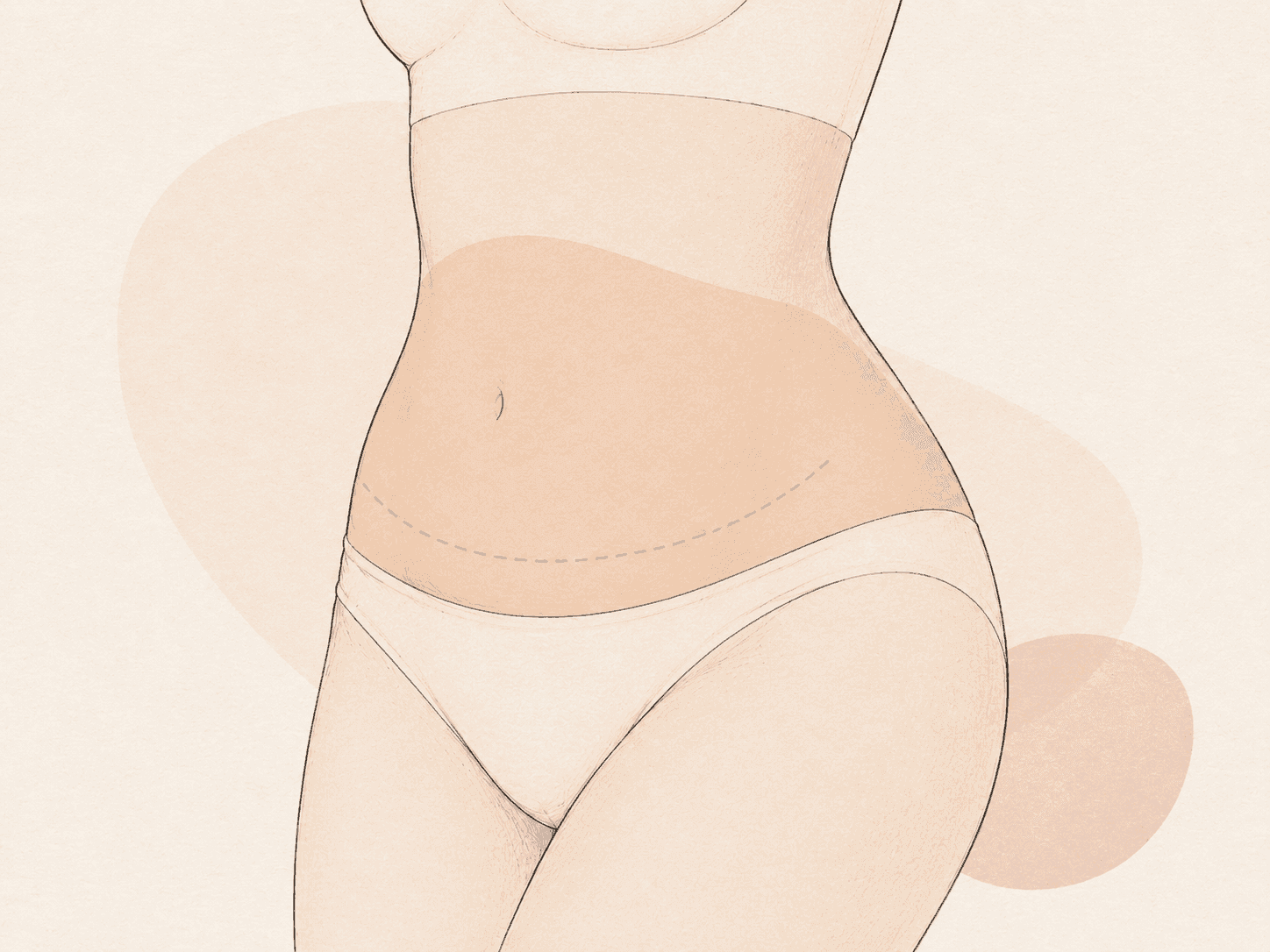
Mastopexy is a surgical procedure that lifts and reshapes the breasts by removing excess skin, tightening supporting tissues and moving the nipple-areola complex to a higher position when appropriate. Its main purpose is to improve breast position and contour rather than produce a major increase in volume.
A breast lift may be performed alone or combined with implants as augmentation mastopexy. The treatment plan depends on breast anatomy, the degree of sagging, skin quality and whether additional volume is part of the patient’s goal. A specialist assessment is needed to determine the incision pattern, expected limitations and follow-up requirements.
Goals And Possible Benefits Of Breast Lift Surgery
- May raise breasts that sit lower because of sagging
- Can create a more supported and balanced breast contour
- May reposition the nipple and areola when they sit below the desired level
- Can address differences in breast position or shape
- May combine lifting with added volume when implants are included
Results vary according to skin quality, breast anatomy, surgical technique and healing. The surgeon should explain what changes may be realistic with mastopexy alone or with augmentation mastopexy.
Who May Be Suitable For Mastopexy
Mastopexy may be suitable for some adults with breast sagging, reduced upper-breast fullness or stretched skin who would like a higher and more supported breast shape. Suitability depends on general health, breast tissue and skin quality, expectations and the ability to follow recovery guidance, particularly when surgery involves international travel.
- Being in stable general health with medical conditions appropriately managed
- Understanding that breast lift surgery leaves scars and does not stop future ageing
- Maintaining a relatively stable weight because significant changes may affect the result
- Discussing future pregnancy and breastfeeding plans because they may alter breast shape
- Allowing enough time for early checks and avoiding long flights until the surgeon provides clearance
A specialist can determine whether mastopexy alone, augmentation mastopexy or another approach is appropriate to discuss.
Mastopexy Techniques And Incision Patterns
The mastopexy technique is selected according to the amount of lifting required, breast shape, skin excess and the location of acceptable scars. The surgeon also considers nipple position, tissue reshaping and whether implants are appropriate for the planned outcome.
Periareolar Mastopexy
Periareolar mastopexy uses an incision around the edge of the areola and may be appropriate in selected cases of mild sagging. It can provide a modest lift and may also adjust areola size. Because tension is concentrated around the areola, the surgeon should explain the possibility of scar widening and longer-term shape changes.
Vertical Mastopexy
Vertical mastopexy uses an incision around the areola with an additional vertical incision extending to the breast fold. It allows a moderate lift and more extensive reshaping of the breast mound. This technique may be considered when a periareolar approach would not provide enough lifting or skin control.
Wise Pattern Mastopexy
Wise pattern mastopexy uses incisions around the areola, vertically down the breast and along the breast fold. It may be recommended when more extensive lifting and skin removal are required. It creates longer scars but can provide greater control of breast shape and excess skin in selected cases.
Augmentation Mastopexy
Augmentation mastopexy combines a breast lift with implants to address sagging and reduced volume. Planning is more complex because the lift and implant must be balanced without placing excessive tension on the tissues. The surgeon should discuss implant selection, implant pocket placement and whether completing the procedures in separate stages may be more appropriate in some cases.
How Breast Lift Surgery May Be Planned And Performed
The exact steps vary according to the selected technique and whether implants are included. Most mastopexy procedures involve consultation, surgical planning, tissue reshaping and early postoperative monitoring.
Consultation And Surgical Planning
- Breast examination, measurements and clinical photography
- Discussion of breast shape, lifting goals and possible volume changes
- Review of periareolar, vertical or Wise pattern incision options
- Medical history review and informed consent, including discussion of scars and sensation changes
The Day Of Surgery
- Confirmation of the anesthesia and surgical plan
- Incisions placed according to the selected mastopexy technique
- Reshaping of breast tissue and repositioning of the nipple-areola complex when needed
- Removal of excess skin and closure of the incisions
- Placement of implants when augmentation mastopexy is performed
- Application of dressings, with drains used in selected cases
Early Postoperative Recovery
- Monitoring during recovery from anesthesia
- Instructions for wound care and support bra use
- Confirmation of early follow-up appointments and travel clearance planning
Anesthesia And Pain Management For Mastopexy
Mastopexy is commonly performed under general anesthesia. The anesthesia plan depends on the extent of surgery, whether implants are included and the patient’s medical history.
Soreness, tightness and swelling are common during the first few days and may be more noticeable when implants are added. The clinical team should provide instructions for pain relief, medication use and temporary activity restrictions.
Preparing For Breast Lift Surgery Abroad
Preparation should address medical readiness, practical recovery needs and continuity of care after the patient returns home.
Medical Review And Preoperative Tests
- Provide a complete list of medications, supplements and allergies
- Discuss previous breast procedures, breast lumps, imaging history and relevant family history
- Complete any requested tests or baseline breast imaging appropriate to age and individual risk
Lifestyle And Home Preparation
- Stop smoking and nicotine products according to clinical guidance
- Arrange time away from work and support with lifting, housework or childcare when needed
- Pack button-up or zip-front clothing that does not need to be pulled over the head
Travel And Accommodation Planning
- Arrive with enough time for an in-person examination and final surgical planning
- Choose accommodation that allows practical access to the clinic for follow-up visits
- Keep return travel flexible in case additional recovery time is advised
Typical Travel Timeline For Mastopexy Abroad
The length and timing of a medical travel plan vary according to the surgical technique, clinic protocol and individual healing. The treating surgeon must confirm when flying and normal activities may be resumed.
Day 1: Arrival And Rest
- Settle into the destination and rest after travelling
- Confirm clinic contact details and local support arrangements
Day 2: In-Person Assessment
- Breast examination, measurements, photography and final planning
- Confirmation of the proposed periareolar, vertical or Wise pattern technique
- Implant planning when augmentation mastopexy is included
Day 3: Surgery And Monitoring
- Breast lift surgery followed by postoperative observation
- Aftercare instructions and scheduling of the first review
Days 4 To 10: Early Follow-Up
- Wound assessment, dressing care and monitoring of swelling
- Drain review and removal planning when drains are used
- Discussion of mobility, activity limits and possible travel timing
Before Departure: Final Review
- Final in-person assessment when available and clinically appropriate
- Confirmation of the written aftercare plan and remote follow-up schedule
- Instructions on symptoms that require local medical assessment after returning home
Mastopexy Recovery And Longer-Term Healing
Recovery after mastopexy develops gradually and varies according to the incision pattern, extent of tissue reshaping and individual healing. Breast position, swelling, sensation and scars may continue to change for several months.
First Week After Surgery
- Swelling, bruising, tightness and soreness are common
- Activity is limited and heavy lifting is usually restricted
- Support bra use and sleeping position should follow the surgeon’s instructions
Weeks 2 To 6
- Discomfort often improves as early swelling begins to reduce
- Some patients return to light work depending on their duties and clinical advice
- Exercise and upper-body activity are reintroduced gradually after clearance
Months 2 To 3
- The breasts continue to settle into their developing shape
- Scars may remain pink, raised or firm while remodelling
- Changes in breast or nipple sensation may persist and can improve gradually
Months 6 To 12
- Scars may continue to soften and become less noticeable
- The longer-term contour becomes clearer as the tissues settle
- Ongoing monitoring may be reviewed, particularly when implants were used
Breast Lift Aftercare And Follow-Up Planning
Consistent aftercare supports wound healing and scar management. International patients should arrange early reviews in the destination and understand how follow-up will continue after they return home.
Incision And Support Bra Care
- Follow all instructions for dressings and incision care
- Wear the recommended support bra for the advised period
- Avoid soaking the incisions until the treating team confirms that it is appropriate
Activity During Recovery
- Avoid heavy lifting and upper-body strain until medically cleared
- Return to exercise gradually and report increasing pain or swelling
- Protect the chest from pressure or impact during early healing
Longer-Term Follow-Up
- Begin scar care only when the wounds have closed and the surgeon advises it
- Attend scheduled reviews and report new breast changes promptly
- Keep copies of operative records and implant information when implants were used
Risks And Possible Complications Of Mastopexy
Mastopexy involves general surgical risks as well as risks related specifically to breast lifting. The risk profile may also change when implants are included. The surgeon should explain possible complications, steps used to reduce risk and symptoms that require assessment during the stay or after returning home.
General Surgical Risks
- Bleeding or a collection of blood called a hematoma
- Infection
- Fluid collection such as a seroma
- Delayed or disrupted wound healing
- Raised, widened or otherwise unfavourable scars
- Complications related to anesthesia
Risks Specific To Breast Lift Surgery
- Temporary or lasting changes in nipple or breast sensation
- Differences in breast shape, position or symmetry
- Healing problems affecting the nipple-areola complex, including a rare risk of tissue loss that is higher with smoking
- Widened scars, particularly where incision lines meet
- Reduced ability to breastfeed in some cases
Additional Risks When Implants Are Used
- Capsular contracture around the implant
- Implant movement, malposition or visible rippling
- Implant rupture or leakage over time
- Possible need for future implant-related or revision surgery
When To Seek Medical Help
- Increasing redness, warmth, fever or discharge from an incision
- Sudden swelling, severe pain or a rapid change in breast firmness
- Shortness of breath, chest pain or leg swelling, which requires urgent local assessment
International patients should know where to obtain urgent local care and how medical documents can be shared with the treating team.
Planning Mastopexy In Turkey Or Iran
International patients may explore mastopexy or augmentation mastopexy in Turkey or Iran as part of a planned medical travel journey. Destination choice should be based on verified surgeon credentials, appropriate facility standards, clear communication, realistic scheduling and continuity of care after returning home.
Planning Breast Lift Surgery In Turkey
Turkey has an established medical tourism sector and a broad range of plastic surgery providers. Patients comparing mastopexy options should review the surgeon’s relevant experience, hospital or clinic standards, consultation quality, access to early follow-up and the clarity of written aftercare information.
Planning Breast Lift Surgery In Iran
Iran has specialist medical training and aesthetic surgery services in major cities. International patients should consider the quality of the consultation, documented clinical standards, communication arrangements, follow-up access during the stay and the plan for continued monitoring after departure.
How Cura Supports Breast Lift Planning
Cura helps international patients compare clinic information, organise documentation, coordinate communication and plan practical travel and follow-up steps. Decisions about surgical technique, medical suitability and clearance to fly remain with the treating surgeon.
Hear From Patients
Patient Reviews
Questions About Mastopexy
Need More Help?
Have questions or need support planning your next step? Cura can help you understand the process and prepare for clinic conversations.