Tooth Extraction And Dental Removal Explained
Dental extraction removes a tooth to manage symptoms, reduce infection risk or support a longer term dental plan such as an implant, bridge or orthodontic treatment. A dentist or oral surgeon confirms whether extraction is appropriate after examining the tooth, gums and bite and reviewing imaging.
A simple extraction may be possible when the tooth is visible and can be removed without surgical access. A surgical extraction may be needed when the tooth is broken at the gum line, has curved roots or is partly covered by gum or bone.
Goals Of Tooth Extraction
Tooth extraction may be considered when a tooth cannot be managed predictably with restorative care. The goals depend on the tooth condition, symptoms and the patient’s longer term dental plan.
- Removes a tooth affected by severe decay, infection or fracture
- May help reduce ongoing pain, swelling or repeated flare ups
- Can help limit infection spread in selected cases when combined with appropriate clinical care
- May create a starting point for a planned replacement option, such as an implant or bridge when suitable
Who May Need A Tooth Extraction
Suitability for dental extraction depends on the tooth, surrounding bone, gums and overall health. In some cases, tooth saving treatments may still be possible, so professional assessment matters before deciding.
- People with teeth that cannot be restored predictably because of extensive decay or fracture
- Patients with advanced gum disease affecting tooth stability
- Individuals with persistent infection that has not responded to appropriate dental treatment
- International patients who can allow time for early checks and coordinate follow up care at home
Only a qualified dental professional can confirm whether extraction is appropriate and whether a simple or surgical approach is needed.
Tooth Extraction Techniques
The technique is selected after reviewing tooth visibility, root shape, bone support and nearby structures. Your clinician should explain which approach is safest and most appropriate for your case.
Simple Tooth Extraction
This approach is used when the tooth is fully visible and can be loosened and removed with dental instruments. It is commonly performed under local anesthesia.
Surgical Tooth Extraction
This approach is used when the tooth is difficult to access or remove, such as when it is broken, heavily restored, impacted or has complex roots. A small incision may be made and limited bone removal may be required.
Root Tip Extraction
This may be used when a small root fragment remains, often after a fracture or a previous extraction attempt. The clinician removes the fragment when it is safe and indicated, balancing the benefit of removal against risk to nearby structures.
Tooth Sectioning Extraction
In some surgical cases, the tooth is divided into sections so it can be removed with less force and better control. This may reduce stress on surrounding bone and adjacent teeth in selected situations.
How Tooth Extraction May Be Performed
Tooth extraction usually follows a structured process, with details depending on whether the procedure is simple or surgical.
Assessment And Imaging Review
The clinician reviews symptoms, examines the tooth and gums and checks imaging such as periapical or panoramic X rays. This helps assess root anatomy, infection signs and nearby structures.
Anesthesia And Preparation
Local anesthesia is used to numb the area. Sedation may be considered for complex surgical tooth extraction or significant anxiety, depending on health history and clinic capabilities.
Tooth Removal
The tooth is loosened and removed. In surgical cases, the gum may be gently lifted and the tooth may be sectioned. The area is cleaned and bleeding control is confirmed.
Closure And Discharge Guidance
Sutures may be placed, especially after surgical extraction. You receive written aftercare guidance, prescriptions if clinically indicated and a follow up plan before travel.
Anesthesia And Pain Control For Tooth Extraction
Most dental extractions are performed with local anesthesia, so sharp pain should not be felt during the procedure. After the numbness wears off, soreness is common and can vary by complexity and the number of teeth removed.
Anesthesia Options
- Local anesthesia: Standard option for simple and many surgical extractions
- Conscious sedation: May be offered for comfort in selected cases with appropriate monitoring
- General anesthesia: Less common for routine extraction, sometimes used for complex cases or multiple extractions
Typical Discomfort After Extraction
Swelling, tenderness and mild bleeding may occur for a short time after dental extraction. Surgical tooth extraction can cause more swelling and jaw stiffness than simple extraction. Symptoms usually improve gradually, but recovery varies.
Comfort And Medication Safety
Your clinician will advise suitable pain relief options and whether antibiotics or mouth rinses are indicated. Avoid changing medications yourself, especially blood thinners, and follow travel guidance if you plan to fly soon.
Preparing For Tooth Extraction Abroad
Preparation for dental extraction focuses on reducing risk, planning travel safely and making sure there is a clear pathway for follow up care.
Share Medical Details
- Full medication list, including blood thinners and supplements
- Allergies and past reactions to anesthesia
- Conditions that may affect healing, such as diabetes or immune disorders
Manage Infection Or Swelling First
If there is active infection, the clinician may stabilize the situation first and confirm the safest timing for extraction. This is especially important for international patients who need predictable travel and follow up planning.
Plan Your Time Abroad
- Allow time for early checks, especially after surgical extraction
- Arrange assistance if sedation is used
- Have soft foods available and plan time to rest after the procedure
Typical Travel Plan For Dental Extraction
International patients can often complete assessment, extraction and early follow up during a short stay. More complex surgical cases may need additional monitoring time.
Day 1 Consultation
The clinician reviews imaging, discusses options and confirms whether simple tooth extraction or surgical tooth extraction is needed.
Procedure Day
Dental extraction is performed with local anesthesia and optional sedation when appropriate. You receive aftercare instructions and a clear contact pathway for concerns.
Follow Up Check
A review within several days is common to check healing, manage sutures if present and confirm when flying is reasonable based on recovery.
Return Home
You return home with guidance on ongoing care and when to seek local dental review if symptoms develop later.
Tooth Extraction Recovery And Follow-Up
Healing after tooth extraction varies by extraction type, general health and whether infection was present. Your clinician will provide personalised aftercare and travel guidance.
First 48 Hours
Mild bleeding, swelling and soreness are common. Soft foods and careful oral hygiene are usually recommended. Avoid vigorous rinsing if advised because it can disturb the blood clot.
Days 3 To 7
Swelling often starts to settle and discomfort usually improves. Surgical sites may still feel tender. A follow up visit may take place during this period.
Weeks 2 To 4
Gum healing continues and routine activities are often easier to resume. Food may collect while the socket closes, so cleaning guidance is important.
Longer Term Healing
Bone remodelling continues for weeks to months. If an implant or another replacement is planned, your clinician will advise the right timing based on healing.
Aftercare And Follow-Up After Tooth Extraction
Aftercare helps protect the extraction site and reduce the risk of complications, especially after you return home.
Oral Hygiene
Follow instructions for brushing and rinsing. Gentle cleaning supports healing while helping reduce infection risk.
Diet And Habits
Soft foods are usually recommended early on. Your clinician may advise avoiding smoking and straws for a period because they can increase dry socket risk.
Monitoring Symptoms
Watch for increasing pain after initial improvement, persistent bleeding, fever, worsening swelling or discharge. Arrange local dental review if symptoms appear after you return home.
Planning Replacement Options
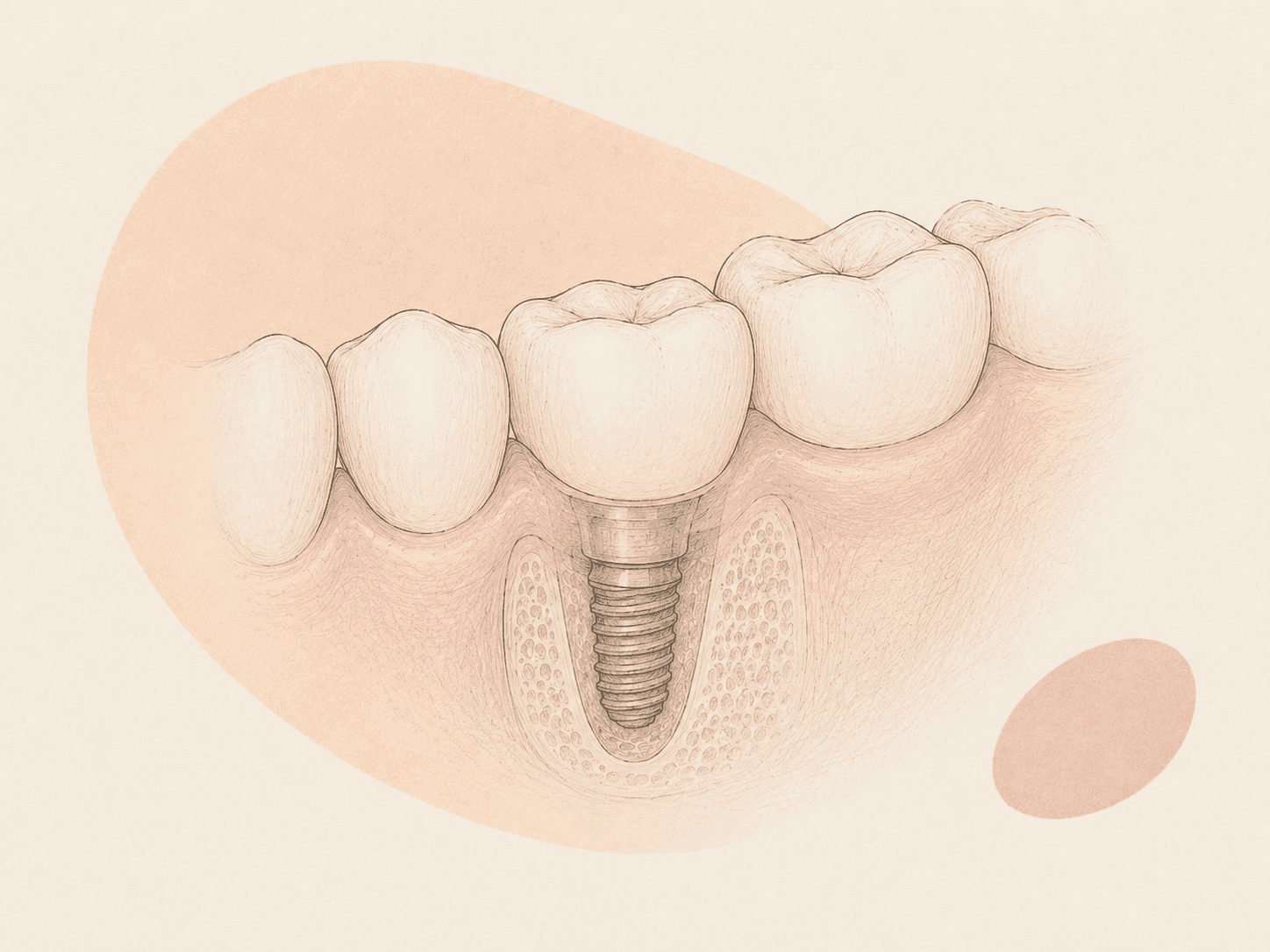
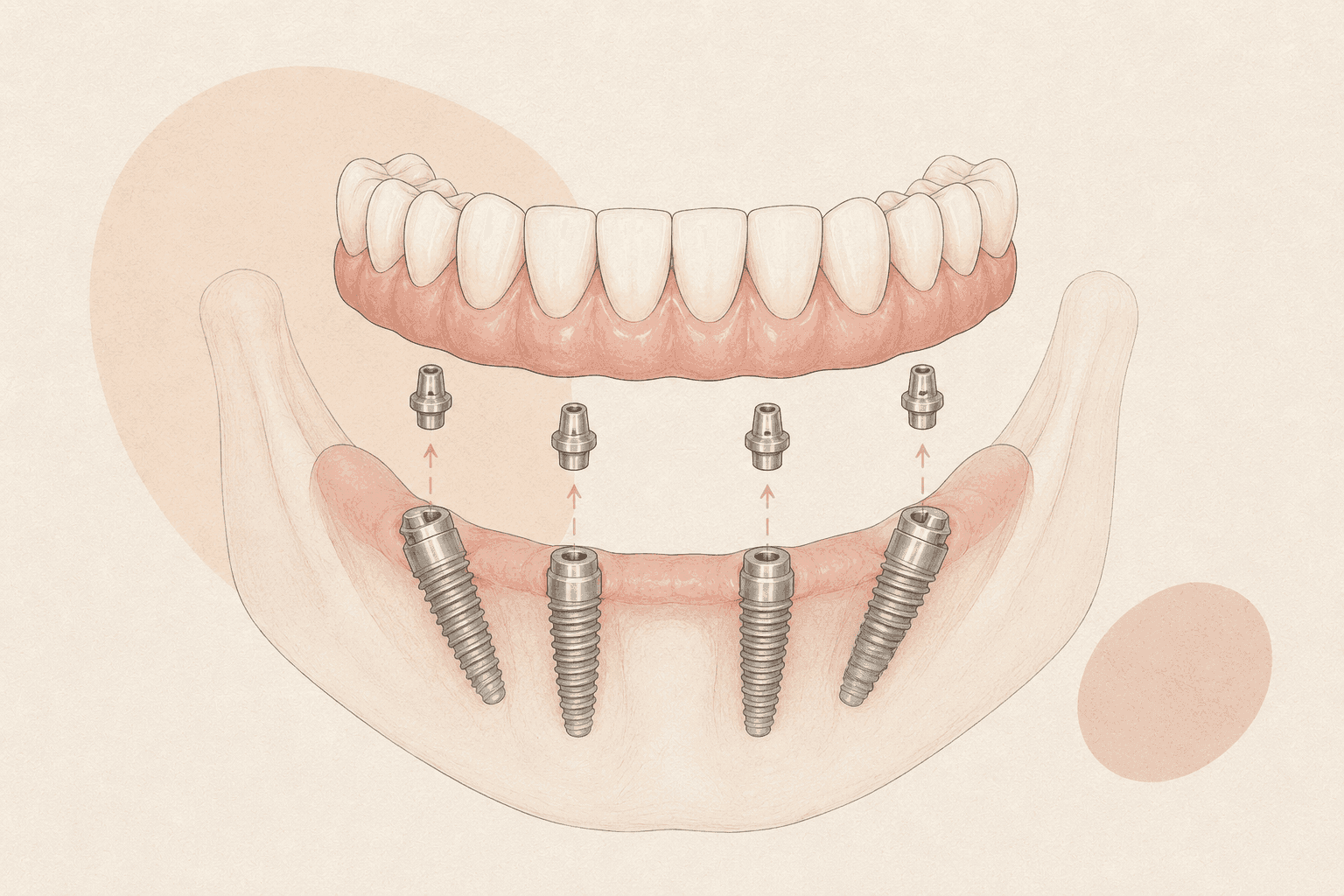
If a tooth replacement is planned, such as an implant or bridge, ask for a written summary of the extraction and recommended healing timeline so your home dentist can coordinate care.
Risks And Possible Complications Of Tooth Extraction
Tooth extraction is common, but risks vary with root anatomy, infection, smoking and overall health. Your clinician should explain the risks most relevant to your case.
Common Risks
- Pain, swelling and bruising
- Bleeding or oozing from the site
- Dry socket
- Infection or delayed healing
Less Common Risks
- Damage to adjacent teeth, restorations or gum tissue
- Root fracture requiring root tip extraction
- Sinus communication for upper back teeth in some cases
- Nerve irritation causing numbness, more relevant for lower back teeth
- Reaction to anesthesia or sedation
When To Seek Urgent Care
Seek prompt assessment for heavy bleeding that does not settle, fever, spreading swelling, difficulty swallowing or breathing or increasing pain after initial improvement. If you are traveling, confirm your emergency pathway before the procedure.
Planning Tooth Extraction In Turkey Or Iran
International patients often compare destinations based on specialist experience, imaging access, infection control standards and coordinated follow up, not speed alone. For dental extraction, clear discharge instructions and travel planning are especially important.
Turkey
Turkey has established dental clinics and oral surgery services in major cities, with access to panoramic imaging and CBCT when clinically indicated. Patients should compare clinician experience, facility standards, communication quality, post procedure guidance and early recovery monitoring.
Iran
Iran has long standing dental training and specialist services, including surgical extractions in larger urban centers. International patients may consider Iran when pre procedure evaluation, imaging access, follow up planning and travel readiness can be clearly coordinated.
Hear From Patients
Patient Reviews
Questions About Tooth Extraction
Need More Help?
Have questions or need support planning your next step? Cura can help you understand the process and prepare for clinic conversations.