Professional Teeth Whitening In A Dental Clinic
Professional teeth whitening is performed in a dental clinic with whitening agents that are stronger than many at-home products. The dentist protects the gums, applies the whitening gel and monitors how the teeth and soft tissues respond to help reduce the risk of irritation and sensitivity.
- Often considered for many types of external staining and overall shade brightening
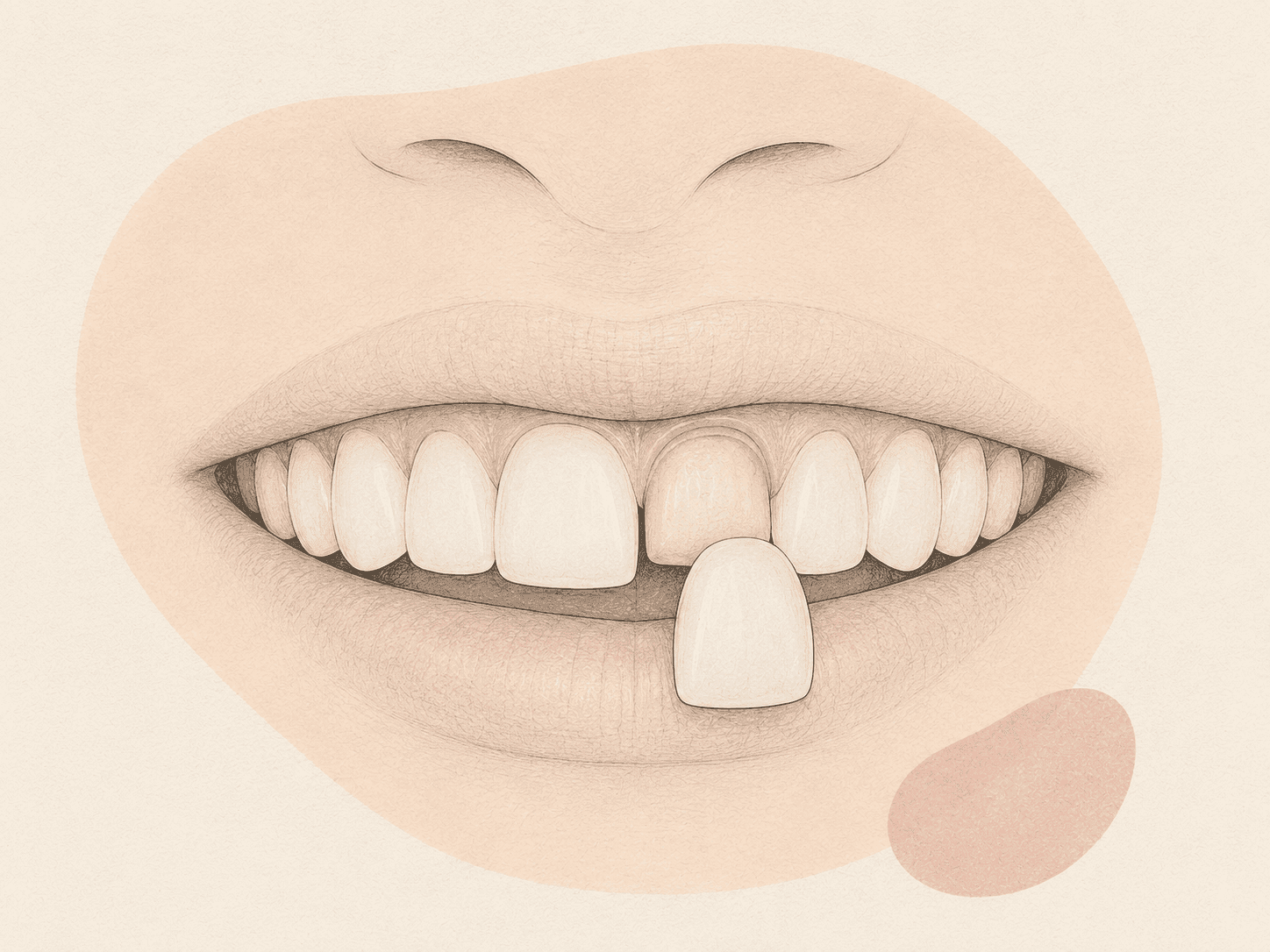
- Important limitation: crowns, veneers and fillings do not whiten, so shade matching may need separate planning
Goals Of Dentist-Supervised Teeth Whitening
In-office whitening may be considered by patients who want a dentist-supervised approach that can fit into a short treatment schedule with clear aftercare instructions.
- Often completed in one clinic visit
- Gum and soft tissue protection is managed by the dental team
- Shade change can be reviewed at the end of the appointment
- May be coordinated with cleaning and an oral health check when appropriate
Who May Be Suitable For In-Office Whitening
In-office whitening may be discussed for people with healthy teeth and gums who want a brighter tooth shade and understand that results vary. A dental exam helps identify the cause of discolouration, check for cavities or gum inflammation and confirm whether whitening is a suitable option.
- Tooth sensitivity, enamel wear or gum recession may increase discomfort and may change the treatment plan
- Pregnancy and breastfeeding should be discussed with the treating clinician before whitening
- A dentist can explain whether chairside teeth whitening is appropriate for your teeth and which approach may be safest
In-Office Whitening Gel Options And Light Systems
In-office teeth whitening usually uses peroxide gels. The clinic protocol, desired shade change, current tooth condition and sensitivity risk all influence which product or system may be used.
Hydrogen Peroxide Whitening
Hydrogen peroxide is commonly used for in-office whitening because it works efficiently under dental supervision. The dentist controls contact time and protects the soft tissues to help manage sensitivity and irritation risk.
Carbamide Peroxide Whitening
Carbamide peroxide breaks down into hydrogen peroxide and may be used in some in-office systems. Selection depends on product formulation and clinician preference, with timing adjusted according to comfort and sensitivity risk.
Light-Assisted Teeth Whitening
Some whitening systems use a light source together with whitening gel. The main whitening effect usually comes from the peroxide gel, while light may add heat and may increase sensitivity for some patients. Your dentist can explain whether a light-assisted approach is appropriate for your case.
What Happens During Chairside Teeth Whitening
Chairside whitening is usually completed in one appointment. Before applying gel, the clinic should confirm that teeth and gums are suitable for whitening to reduce avoidable sensitivity and complications.
Dental Assessment And Shade Check
The dentist checks for decay, gum inflammation and exposed root surfaces, then records the starting tooth shade. A cleaning may be advised first if plaque or calculus could affect the whitening result.
Gum And Lip Protection
The gums and lips are protected with barriers or gels to reduce irritation. This is an important safety step during professional teeth whitening.
Timed Whitening Gel Cycles
Whitening gel is applied for timed cycles and refreshed as needed according to the product system. The dentist monitors comfort and tissue response throughout the appointment.
Rinse And Final Review
The gel is removed, the mouth is rinsed and the dentist reviews shade change and sensitivity risk. You should receive aftercare guidance, including what to avoid during the first days.
Comfort And Tooth Sensitivity During Whitening
Teeth whitening does not require anaesthetic, but temporary sensitivity is common. The dentist can adjust treatment time and recommend sensitivity management based on how your teeth respond.
During Treatment
You may feel brief sharp sensitivity, especially in teeth with enamel wear or gum recession. Tell the clinician if discomfort increases so the timing or approach can be adjusted.
After Treatment
Sensitivity often peaks during the first 24 to 48 hours and then improves. Gum irritation can occur if tissues are exposed to gel and should be reviewed if it does not settle.
Preparing For In-Office Teeth Whitening Abroad
Preparation for in-office bleaching focuses on confirming oral health, reducing avoidable sensitivity and planning simple aftercare during travel.
Before Your Appointment
- Have a dental exam to check for cavities, gum inflammation and exposed roots
- Tell your dentist about any sensitivity history and previous whitening treatments
- Share your medication list and any allergies with the clinic
Travel Planning
- Schedule whitening early enough in your trip to manage sensitivity before flying
- Avoid arranging major dental work immediately after whitening unless your dentist advises it
- Plan for a short follow-up message or check if discomfort continues
Typical Travel Plan For In-Office Whitening
International patients can often complete in-office whitening during a short stay. A practical plan should still include an oral health check, the whitening appointment and a brief window for sensitivity guidance.
Day 1
Consultation, oral health check and cleaning if needed. The dentist confirms whether office whitening is appropriate and explains realistic expectations for shade change.
Day 2
Chairside teeth whitening appointment. The clinic provides aftercare instructions, including food and drink guidance for the first 24 to 48 hours.
Days 3 To 5
Short follow-up by message or in person if sensitivity is significant or if you need maintenance guidance. This window can be useful before travelling home.
Travel Clearance
Most people can fly after whitening. If your teeth are sensitive, waiting until the first 24 to 48 hours have passed may feel more comfortable.
Teeth Whitening Aftercare And Sensitivity Timeline
There is no surgical recovery after whitening, but teeth may be more sensitive and more likely to pick up stains for a short period. Early aftercare habits can influence how long the shade change is maintained.
First 24 To 48 Hours
Sensitivity is most common during this period. Many dentists recommend avoiding strongly coloured foods and drinks and following the specific instructions provided by the clinic.
Week 1
Sensitivity usually settles. You can often return to a routine diet, but stain prevention habits and oral hygiene remain important for maintaining colour.
Months Ahead
Tooth colour can gradually change over time depending on diet, smoking and oral hygiene. Some patients use dentist-supervised top-ups to maintain shade, based on professional advice.
Maintaining Teeth Whitening Results At Home
Long-term maintenance depends on oral hygiene, diet habits and whether you have restorations that affect shade matching. International patients benefit from a clear aftercare plan they can follow after returning home.
First Few Days
- Follow your clinic’s guidance on stain avoidance and sensitivity management
- Use gentle toothpaste and consider desensitising products if recommended
- Avoid smoking and nicotine where possible because they can stain teeth
Ongoing Care
- Keep up with routine dental cleanings and checkups
- Limit frequent exposure to stain-causing foods and drinks where possible
- Ask your dentist whether at-home trays or top-ups are appropriate for your situation
Risks And Limitations Of In-Office Teeth Whitening
In-office teeth whitening is generally considered safe when supervised by a dental professional, but it has limitations and possible side effects. A dental exam helps reduce avoidable risks.
More Common Side Effects
- Temporary tooth sensitivity
- Mild gum irritation
- Uneven whitening if some stains do not respond well
Limitations To Know
- Crowns, veneers and fillings do not whiten and may look darker after nearby teeth are whitened
- Deep internal staining may respond less and may need alternative planning
- Overuse or frequent whitening can increase sensitivity and enamel irritation risk
When To Seek Review
Contact your dentist if you have severe sensitivity, persistent gum irritation, swelling or pain that does not improve within a few days. International patients should seek local dental care if symptoms are significant after returning home.
Planning Teeth Whitening In Turkey Or Iran
International patients may compare Turkey and Iran for professional teeth whitening because both destinations have established dental services and clinics that offer chairside whitening protocols. A safer plan depends on an oral health check first, appropriate gel selection and clear aftercare guidance.
Turkey
Many clinics in Turkey offer cosmetic dentistry pathways that may include office whitening, cleaning and smile planning. Standards vary, so it is important to review dentist credentials, infection control practices, communication quality and follow-up support before treatment.
Iran
Iran has established dental education and dental services in major cities, with providers offering in-office bleaching and oral health assessment. A careful plan should include sensitivity risk review, clear aftercare instructions and a way to ask follow-up questions after travel.
Hear From Patients
Patient Reviews
Questions About In-Office Teeth Whitening
Need More Help?
Have questions or need support planning your next step? Cura can help you understand the process and prepare for clinic conversations.