Sinus Lift Surgery And Upper Jaw Bone Grafting Explained
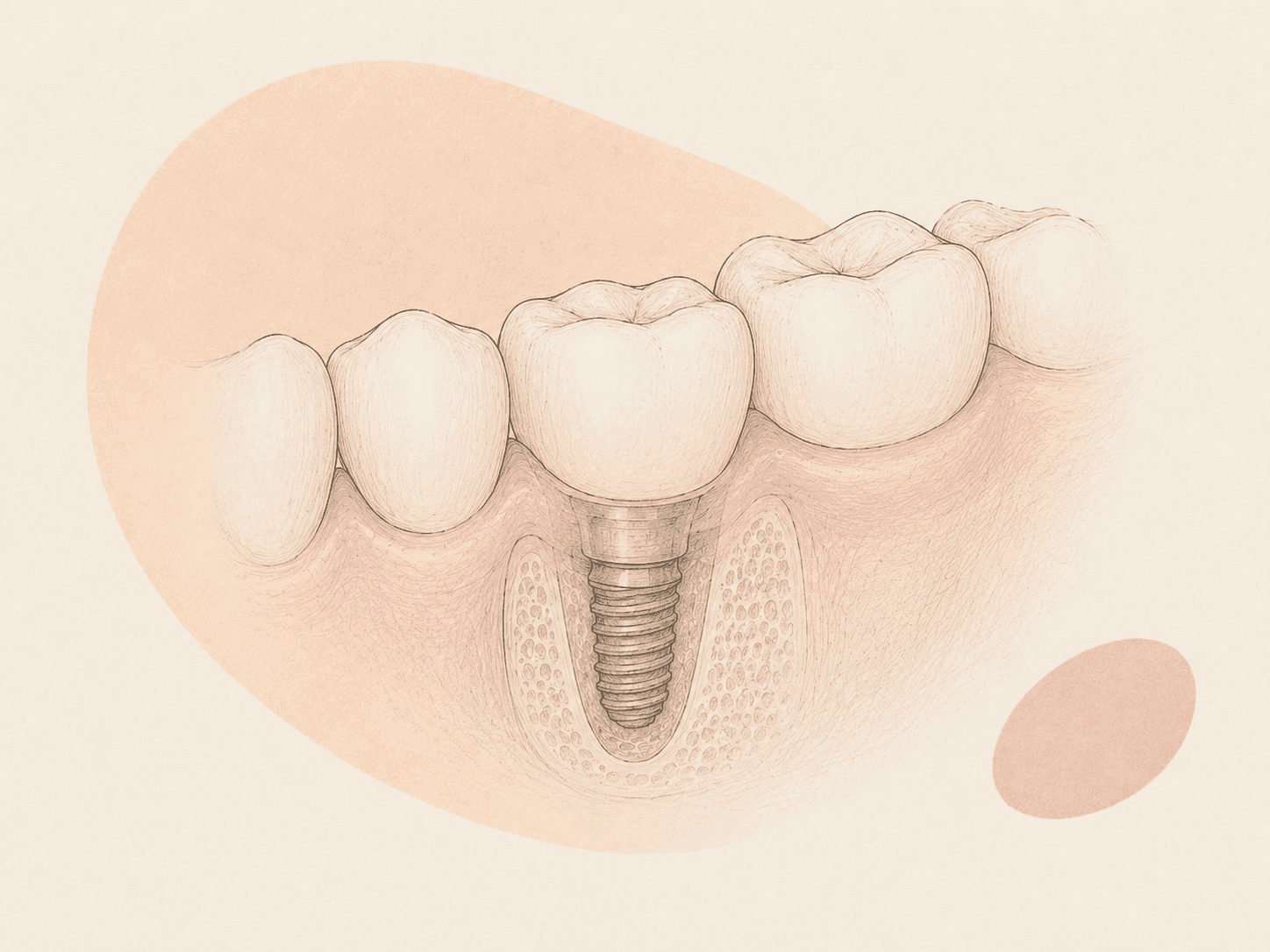
A sinus lift adds bone volume below the maxillary sinus in the upper jaw. It is commonly discussed when bone height has reduced after tooth loss, gum disease or natural anatomy, which may make standard implants in the upper back teeth less predictable without augmentation.
Planning usually includes a clinical exam and imaging, often with 3D scans, to review sinus anatomy, remaining bone height and any sinus related findings. Treatment may be planned as a separate grafting stage before implants or, in selected cases, as sinus lift with implant placement during the same visit.
Goals Of Sinus Lift Surgery For Dental Implants
The goals of sinus floor elevation depend on anatomy, healing capacity and the implant plan. In selected cases, sinus augmentation may support:
- May add bone height to support implants in the posterior upper jaw
- Can allow more suitable implant length and angulation in some cases
- Can support staged planning when healing and reassessment are needed before implant placement or loading
- May contribute to the wider goal of replacing upper back teeth with implants when clinically appropriate
A dental implant specialist can confirm whether these goals are realistic after reviewing scans and health history.
When A Maxillary Sinus Lift May Be Needed
A maxillary sinus lift may be considered when there is not enough bone height below the sinus for planned implant placement in the upper back teeth area. Suitability depends on imaging, oral health and specialist assessment.
- Limited bone height can develop after long term tooth loss or ridge resorption in the posterior upper jaw
- Chronic congestion, polyps or previous sinus surgery may affect planning and may need further review
- Active infection and uncontrolled gum disease are usually managed before augmentation
- Smoking and uncontrolled systemic conditions can affect healing and may change the treatment plan
- International patients should allow time for early post-op checks and arrange follow-up after returning home
Eligibility and timing can only be confirmed after specialist review and imaging.
Sinus Lift Techniques And Implant Timing Options
Sinus lift techniques vary according to how much bone height is needed and whether implants can be placed during the same visit. A clinician recommends the approach after reviewing scans, anatomy and risk factors.
Lateral Window Sinus Lift
A lateral window sinus lift reaches the sinus through the side wall of the upper jaw, allowing the clinician to lift the sinus membrane and place graft material. It is often used when more bone gain is needed and may be staged or combined with implants depending on anatomy and implant stability.
Crestal Sinus Lift
A crestal sinus lift, sometimes called an internal sinus lift, is performed through the implant site from the crest of the ridge. It may be considered when a smaller lift is needed and can sometimes be combined with implant placement in the same session.
Sinus Lift With Simultaneous Implant Placement
In selected cases, implants can be placed during the same visit as sinus floor elevation. This depends on existing bone height, implant stability at placement, sinus anatomy and overall risk factors.
Staged Sinus Lift Before Implant Placement
A staged plan places graft material first, then implants after a healing period. This may be preferred when initial bone height is limited or when stable immediate implant placement is not reliable.
How Sinus Lift Treatment May Be Planned
The exact sequence varies by technique and by whether implant placement is simultaneous or staged. The clinic should explain the planned steps, healing checkpoints and next stages before treatment begins.
Assessment And Imaging
The team reviews medical and dental history, checks oral health and performs imaging, often with 3D scans. Imaging helps assess bone height, sinus anatomy and findings that may affect the maxillary sinus lift plan.
Sinus Membrane Elevation
The clinician carefully lifts the sinus membrane and creates space for graft material. Protecting the membrane is an important safety step, and the approach is chosen according to anatomy.
Graft Placement
Graft material is placed to support new bone formation. Depending on the plan, a membrane may be used to protect the area before the soft tissues are closed for healing.
Follow-Ups And Implant Phase
Follow-up visits monitor healing and address symptoms. If implants were placed at the same time, implant stability and gum healing are reviewed. If the plan is staged, implant timing is decided after healing and repeat imaging when needed.
Anesthesia And Comfort During Sinus Augmentation
Anesthesia depends on the technique, graft size and whether implants are placed at the same time. The clinic should explain available options, expected discomfort and symptoms that need prompt review.
Anesthesia Options
Sinus augmentation is commonly performed with local anesthesia. Sedation may be offered for comfort, especially for lateral window sinus lift cases or when multiple sites are treated, depending on medical assessment and facility capabilities.
Typical Discomfort
Soreness, swelling and mild bruising can occur in the first days. Some patients notice temporary sinus pressure or congestion. The clinic should provide pain control instructions and explain which symptoms need clinical review.
Preparing For Sinus Lift Surgery Abroad
Preparation should include clinical review, sinus health checks when needed and practical travel planning. International patients benefit from a written treatment plan and clear follow-up steps.
Records And Sinus History
Share medical history, medication lists and any sinus issues such as chronic congestion, allergies or previous sinus surgery. Recent dental scans may help with pre-review, although imaging may still be repeated after arrival.
Oral Health Readiness
Infection, untreated decay and gum inflammation are usually managed before maxillary sinus floor augmentation. Ask the clinic how symptoms should be handled before travel.
Travel And Recovery Planning
Allow enough time for early post-op checks and instructions around flying. Plan a recovery friendly stay, soft food options and transport to follow-ups. Ask for written guidance for home monitoring and local care if needed.
Typical Travel Timeline For Sinus Lift Surgery
Timing depends on whether implants are placed at the same time and whether a crestal or lateral approach is used. The clinic should confirm a schedule that allows early monitoring before travel home.
Day 0 To 1: Arrival And Treatment Planning
Consultation and imaging confirm the sinus lift plan, including whether implant placement is simultaneous or staged. The clinic reviews consent, medications and aftercare instructions.
Day 1 To 3: Procedure And Early Review
Sinus lift surgery is performed and early healing is monitored. Patients receive guidance on hygiene, diet and reducing sinus pressure, such as avoiding forceful nose blowing if advised by the clinician.
Day 4 To 7: Follow-Up Visit
A follow-up visit checks wound stability, swelling and comfort. The clinic may reinforce sinus precautions and confirm next steps for implants or temporary restorations if applicable.
Day 7 To 14: Review And Travel Readiness
If sutures need review or removal, this may happen during this window. The clinic provides a treatment summary and confirms travel readiness based on healing and risk factors.
Sinus Lift Recovery And Bone Healing Timeline
Healing varies by technique, graft size, sinus anatomy and general health. The clinician should provide expected ranges and confirm when implants can be placed or loaded after follow-up assessment.
First 72 Hours
Swelling and tenderness are usually most noticeable during this period. Some patients experience temporary sinus pressure. Follow the clinic guidance on hygiene, diet and sinus precautions.
Week 1 To 2
Swelling often improves and the gums continue to heal. Follow-up visits check wound stability and review any sinus related symptoms.
Weeks 3 To 8
Soft tissues stabilise and comfort typically improves. In staged plans, the graft site continues to mature and should be protected from infection and trauma.
Months 4 To 9
Bone maturation is assessed over time, often with imaging when implants are being planned. Implant placement or final restorative steps are scheduled after stable healing is confirmed.
Aftercare And Follow-Up After Sinus Lift Surgery
Aftercare helps protect the wound, reduce infection risk and support healing near the sinus. International patients should leave with written instructions and a plan for local support if symptoms occur after travel.
Oral Hygiene And Diet
Follow instructions for cleaning around the surgical area and follow dietary guidance, often including soft foods early on. Avoid disturbing the surgical site until the clinician confirms it is safe.
Sinus Precautions
The clinic may advise temporary precautions such as avoiding forceful nose blowing, heavy lifting or activities that increase sinus pressure. Follow the guidance provided for the case and ask questions if anything is unclear.
Documentation For Home Care
Request a treatment summary that includes the technique used, graft details and follow-up timing for implants. Arrange local dental reviews after returning home and use remote check-ins if offered.
Risks And Possible Complications Of Sinus Lift Surgery
Sinus lift procedures are widely performed, but they carry specific risks related to the sinus membrane, healing and infection control. The clinician should explain risks based on anatomy, sinus health and the planned technique.
More Common Risks
- Swelling, bruising and temporary discomfort
- Bleeding or oozing in the first days
- Temporary sinus pressure or congestion
- Sinus membrane perforation during surgery, which may change the plan
Less Common But Important Risks
- Sinus infection or persistent sinus symptoms requiring treatment
- Graft failure or inadequate bone gain
- Wound opening or delayed healing
- Need for additional procedures before implants
When To Seek Clinical Help
Seek prompt clinical review for fever, worsening swelling, persistent heavy bleeding, spreading facial redness, severe pain that does not improve or sudden changes in breathing or swallowing. Persistent foul nasal discharge, increasing sinus pain or significant nosebleeds should also be evaluated quickly.
Planning Sinus Lift Surgery In Turkey Or Iran
International patients may consider Turkey or Iran for sinus lift treatment when implant dentistry, imaging and restorative planning can be coordinated clearly. The priority is not the destination alone, but the experience of the clinician, facility standards, sterilisation practices, documentation quality and a follow-up plan that works after returning home.
Turkey
Turkey has a broad medical tourism infrastructure with access to 3D imaging, implant dentistry services and surgical teams familiar with sinus augmentation workflows. Patients should compare clinician experience, facility standards, communication quality and planned follow-ups for staged implant treatment.
Iran
Iran has established dental centres where clinicians may offer imaging based planning and sinus lift techniques when indicated. Clear treatment summaries, remote check-ins and coordination with a local dentist can help support continuity after returning home.
Hear From Patients
Patient Reviews
Questions About Sinus Lift Surgery
Need More Help?
Have questions or need support planning your next step? Cura can help you understand the process and prepare for clinic conversations.