How Scalp Micropigmentation Works
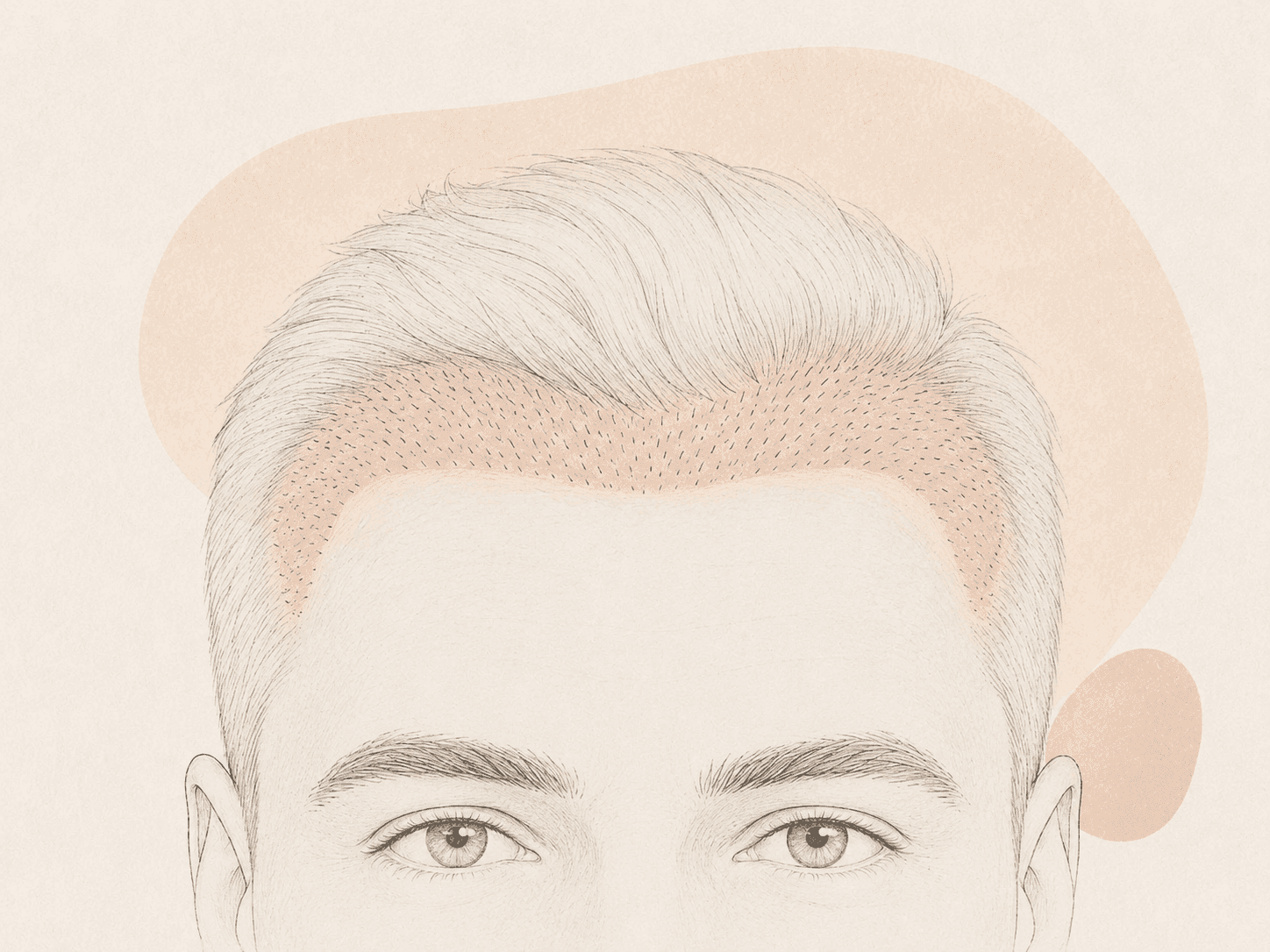
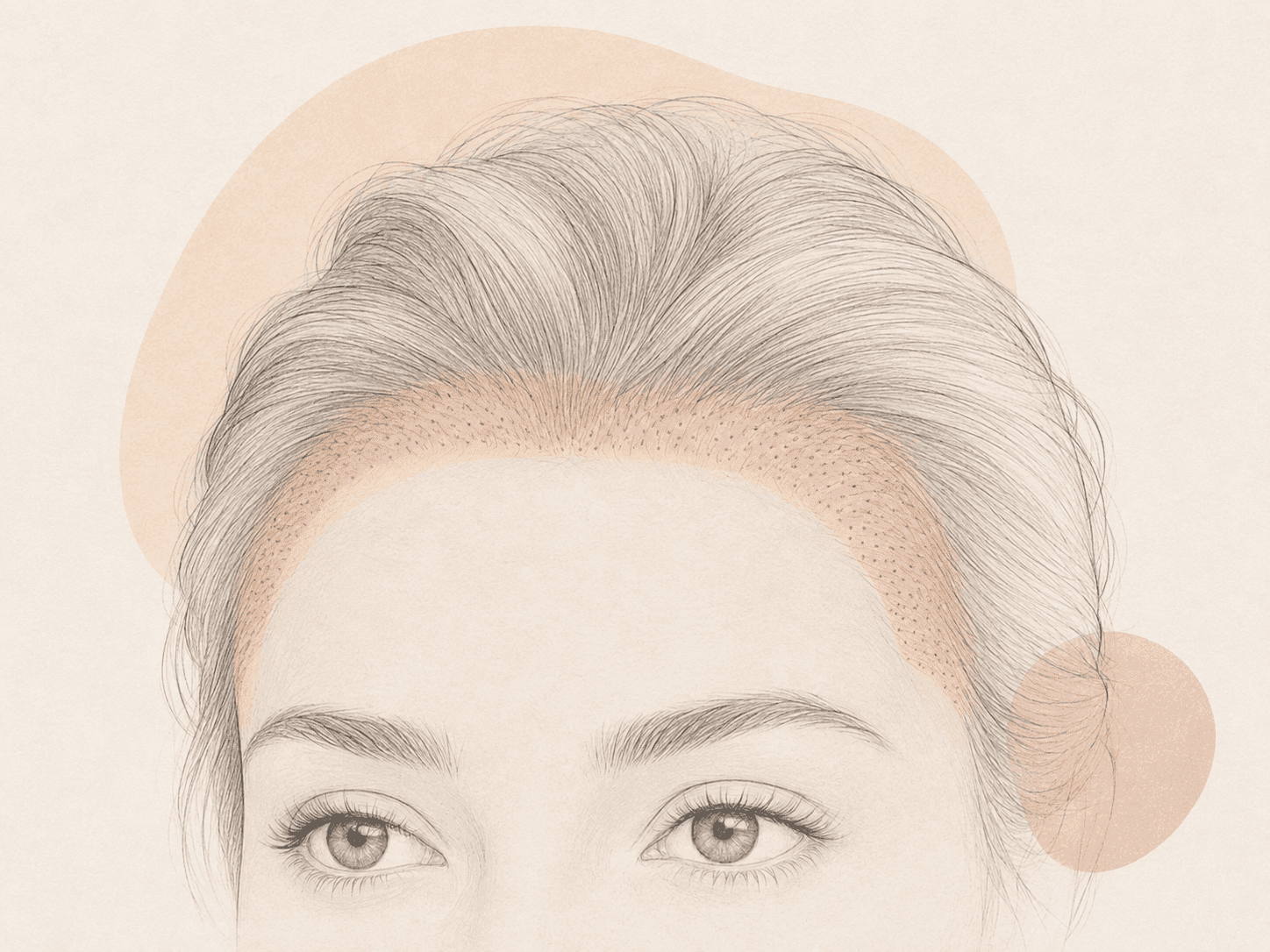
Scalp micropigmentation uses a specialised needle system to place many small pigment impressions across selected areas of the scalp. The practitioner adjusts the size, colour, spacing and distribution of the dots to imitate short hair follicles or reduce contrast between visible scalp and surrounding hair.
SMP does not implant hair follicles, lengthen existing hair or prevent further hair loss. The visual result depends on the planned hairstyle, scalp tone, hair colour, remaining density, scar characteristics and consistency of pigment placement.
Treatment is usually completed over several sessions so colour and density can be developed gradually. Pigment may fade or change over time, so some patients may need periodic review and touch-up treatment.
What Scalp Micropigmentation May Improve
For appropriately selected patients, scalp micropigmentation may support goals such as:
- Creating the appearance of closely shaved hair across thinning or bald areas
- Reducing visible contrast between the scalp and existing hair
- Making selected FUT or FUE donor scars less noticeable
- Improving the visual uniformity of patchy or irregular scalp areas
- Providing a camouflage option without harvesting donor follicles
- Supporting selected patients with limited donor hair
SMP creates a two-dimensional optical effect. It cannot provide real hair volume, length or texture. Results tend to appear more natural when the design suits the patient's hair pattern, skin tone and intended hairstyle.
Who May Be Suitable for Scalp Micropigmentation
Scalp micropigmentation may be suitable for some people with healthy scalp skin, realistic expectations and a design that is likely to remain appropriate if hair loss progresses.
- Extensive hair loss with a consistently shaved hairstyle
- Diffuse thinning where enough existing hair remains to support a density effect
- Mature FUT, FUE, surgical or trauma scars that may be suitable for camouflage
- Limited donor hair that restricts further hair transplantation
- Stable alopecia after the underlying condition has been assessed
- Willingness to protect the pigment from excessive sun exposure
- Acceptance that fading and future touch-ups may occur
Active scalp infection, uncontrolled dermatitis, psoriasis affecting the treatment area, open wounds or unstable inflammatory scalp disease may need treatment before SMP is considered. Additional medical review may be appropriate for people with pigment allergies, bleeding disorders, immune suppression, poorly controlled diabetes or a history of raised or keloid scars.
Rapid or unexplained hair loss should be medically assessed before camouflage treatment. Diagnostic review is particularly important when pigment could make future scalp examination more difficult.
Scalp Micropigmentation Techniques
The design and distribution of pigment should reflect the patient's current hair pattern, risk of future hair loss, scar characteristics and preferred hairstyle.
Shaved-Look Scalp Micropigmentation
Shaved-look SMP places follicle-sized impressions across areas with substantial hair loss to imitate closely clipped hair. The hairline should usually be designed conservatively, with natural irregularity, appropriate temple recession and a gradual density transition rather than a solid border.
Remaining natural hair generally needs to be kept short so its length and texture do not contrast with the flat pigment impressions.
Density Scalp Micropigmentation
Density SMP places pigment between existing hairs to reduce the colour contrast of visible scalp. It does not make individual hairs thicker and works as a visual background rather than creating physical density.
The effect may become less convincing if surrounding hair continues to thin, so possible future progression should be considered during planning.
Scar Camouflage Scalp Micropigmentation
Scar camouflage uses pigment to reduce contrast between selected mature scars and the surrounding scalp. It may be considered for linear FUT scars, visible FUE extraction marks or other stable scalp scars.
Raised, depressed, pale, dark or irregular scar tissue may accept and retain pigment differently from untreated skin. A small test area or staged approach may therefore be appropriate, although this cannot guarantee even pigment retention.
How Scalp Micropigmentation Is Performed
The exact process depends on the treatment area, skin response and whether SMP is intended to create a shaved look, density effect or scar camouflage.
Scalp Examination
The practitioner examines the scalp, existing hair, scars and any previous pigment. Active infection, inflammation or an unsuitable skin condition may require postponement or medical assessment.
Design Review and Approval
The planned hairline and treatment boundaries are marked and reviewed with the patient. Photographs may be taken before pigment placement begins.
Pigment Colour Selection
A pigment shade is selected according to skin tone, existing hair colour, planned hair length and expected healing. The first appearance may be darker than the colour seen after healing.
Scalp Preparation
The treatment area is cleaned and prepared using appropriate infection-control measures. Hair may be trimmed or shaved depending on the intended visual effect.
Controlled Pigment Placement
The practitioner creates small impressions across the selected areas using controlled needle depth, spacing and pigment volume. Density is usually developed conservatively rather than completed through one heavy application.
Review After the Session
The treated area is checked for symmetry, pigment distribution and immediate skin response. Written instructions should explain washing, sun protection, sweating restrictions and warning signs.
Further SMP Sessions
After the skin heals and the pigment settles, later sessions may refine the colour, add visual density or adjust selected areas. The provider should review the healed result before applying more pigment.
Comfort During Scalp Micropigmentation
Scalp micropigmentation is usually performed without general anaesthesia. A topical numbing product or another local comfort method may be used according to the provider's protocol and the patient's medical history.
Patients may feel repeated scratching, vibration, stinging or pressure while pigment is placed. Sensitivity differs across the scalp and may be greater over scars, near the temples or along the frontal hairline.
Mild tenderness, tightness or burning may continue temporarily after a session. Severe or increasing pain, substantial swelling or pain with spreading redness or discharge requires clinical assessment.
Preparing for Scalp Micropigmentation Abroad
Preparation should include assessment of the scalp, the current pattern of hair loss, possible future treatments and the pigments and equipment that will be used.
Scalp and Hair-Loss Assessment
- Provide a history of the cause and progression of hair loss
- Report itching, scaling, redness, pain or recurring scalp lesions
- Disclose previous hair transplants, scar surgery and micropigmentation
- Discuss current and possible future hair-restoration treatments
- Allow mature scars to be assessed for colour, thickness and stability
- Arrange a dermatology review when the diagnosis or scalp condition is uncertain
Hairline and Design Planning
- Clarify whether the goal is a shaved look, density effect or scar camouflage
- Review the design with the hair at its usual length
- Choose a conservative hairline that allows for ageing and future hair loss
- Discuss how pigment colour will be matched to the hair and skin
- Confirm how natural irregularity and gradual density transitions will be created
- Avoid expecting an exact copy of another person's hairline
Safety Questions for the SMP Provider
- Verify the practitioner's training, licensing and experience with SMP
- Confirm that sterile single-use needles and disposable barriers are used
- Ask for the pigment manufacturer, colour reference and batch documentation
- Confirm how pigments, containers and working surfaces are protected from contamination
- Discuss allergies, previous tattoo reactions and abnormal scarring
- Ask how complications, removal requests and unsatisfactory results are managed
Travel and Session Planning
- Allow enough time for consultation, design approval and staged sessions
- Confirm the recommended interval between treatment sessions
- Avoid planning strong sun exposure, swimming or strenuous tourism immediately afterward
- Choose accommodation with clean washing facilities and practical clinic access
- Request written aftercare instructions before leaving the destination
- Confirm whether reviews or touch-ups can be coordinated after returning home
Planning a Multi-Session SMP Trip
Scalp micropigmentation usually requires several appointments rather than one isolated session. International patients should understand the full treatment schedule before arranging SMP abroad.
Consultation and Design Planning
The first visit should include scalp assessment, discussion of possible future hair loss, review of pigment-related risks and approval of the proposed design. Scar cases may require a test area or a more conservative first session.
Initial Pigment Placement
The practitioner establishes the general hairline, pattern or camouflage base. The first session is often kept lighter so the healed colour and skin response can be assessed before additional density is added.
Allowing the Pigment to Settle
The scalp needs time to heal and the pigment needs time to settle before the next session. Immediate darkness, redness and minor unevenness should not be treated as the final result.
Density Building and Refinement
Additional sessions may increase visual density, refine transitions and address areas that healed lighter. The practitioner should avoid excessive layering that could create a solid or unnatural appearance.
Final Review and Records
The treated scalp should be reviewed before departure when the travel schedule allows. International patients should receive pigment records, treatment photographs, aftercare guidance and a clear route for reporting concerns.
Scalp Micropigmentation Healing Timeline
Healing and pigment settlement vary according to skin type, treatment intensity, scar tissue and aftercare. These time ranges are general and are not guaranteed.
First Two Days
Redness, tenderness and a darker or sharper pigment appearance are common. Small amounts of pinpoint bleeding or mild swelling may occur immediately after treatment.
First Week
Dryness, light flaking or small crusts may develop. The area should not be scratched or picked because early removal of healing skin may affect pigment retention.
Weeks Two to Four
The colour usually appears softer as surface healing continues. Some impressions may look lighter or less even and can be reviewed during a later session.
After Initial Healing
The practitioner can assess pigment retention, colour matching and density more reliably. Any further treatment should be based on the healed appearance rather than the immediate post-session result.
Over the Following Months and Years
Pigment may gradually fade or change because of sun exposure, skin renewal, immune response, products and technical factors. Touch-up treatment may be considered when the result becomes noticeably lighter or uneven.
Long-Term Review
Continued hair loss, greying or hairstyle changes may affect how SMP blends with natural hair. The design should be reassessed before more pigment is added or another hair-restoration procedure is planned.
Scalp Micropigmentation Aftercare
Aftercare should protect the healing skin, reduce infection risk and help limit avoidable pigment fading.
Early Scalp Care
- Follow the provider's written washing schedule
- Avoid scratching, picking or rubbing the treated area
- Use only cleansers and moisturisers approved by the provider
- Keep unclean hands, hats and bedding away from healing skin
- Do not apply hair fibres, dyes or unapproved scalp products during early healing
Temporary Activity Restrictions
- Avoid heavy sweating and strenuous exercise for the advised period
- Delay swimming, sauna use and steam exposure until the skin has healed
- Avoid close shaving until the practitioner confirms it is appropriate
- Protect the scalp from friction caused by tight or rough headwear
- Follow individual advice before flying if substantial swelling or another reaction develops
Long-Term Pigment and Scalp Protection
- Use appropriate sun protection on the scalp after healing
- Attend planned review and refinement appointments
- Keep records of pigments, batch details and treatment dates
- Tell future dermatology, tattoo-removal and hair-restoration providers about the SMP
- Seek assessment if scalp colour, texture or symptoms change unexpectedly
Scalp Micropigmentation Risks and Limitations
Scalp micropigmentation breaks the skin barrier and places cosmetic pigment beneath the surface. Possible risks and limitations include:
- Pain, tenderness, swelling, redness or pinpoint bleeding
- Bacterial, viral or fungal infection
- Allergic or inflammatory reactions to pigments or topical products
- Granulomas, nodules, persistent itching or chronic skin irritation
- Raised, widened or keloid scarring in susceptible patients
- Pigment spreading, blurring or merging into larger marks
- Uneven depth, patchy retention or inconsistent fading
- Colour changes that appear blue, green, grey or otherwise unnatural
- An overly straight, low, dark or dense hairline
- Poor blending with natural hair as hair loss progresses or hair turns grey
- Unpredictable pigment retention within scar tissue
- Difficulty correcting or removing an unsatisfactory result
- Temporary swelling or burning during some MRI examinations
- Delayed diagnosis if camouflage obscures developing scalp disease
- Need for laser treatment, corrective pigmentation or another revision procedure
Contaminated pigments and unsterile equipment can cause serious infections. Allergic and inflammatory tattoo reactions may also be difficult to treat. Removal may require several procedures and can lead to colour changes, incomplete clearance or scarring.
Increasing pain, spreading redness, fever, discharge, persistent swelling, blistering or new scalp lesions require prompt medical assessment.
Planning Scalp Micropigmentation in Iran or Turkey
Destination choice should be based on practitioner training, infection-control standards, pigment traceability and access to long-term support rather than promotional before-and-after photographs alone. Regulations for tattooing and cosmetic pigmentation may differ between countries and facilities.
Scalp Micropigmentation in Iran
International patients considering scalp micropigmentation in Iran should verify the provider's training, local authorisation and experience with the intended shaved-look, density or scar-camouflage technique. The plan should include sterile single-use equipment, documented pigments and a practical process for later review or touch-ups.
Scalp Micropigmentation in Turkey
Turkey has a broad hair-restoration sector that includes scalp micropigmentation for international patients. Practitioner backgrounds, pigment systems and facility standards can vary, so patients should confirm who will perform the treatment, how infection control is managed and how complications or unsatisfactory results would be addressed before booking.
Hear From Patients
Patient Reviews
Questions About Scalp Micropigmentation
Need More Help?
Have questions or need support planning your next step? Cura can help you understand the process and prepare for clinic conversations.