How PRP Hair Treatment Works
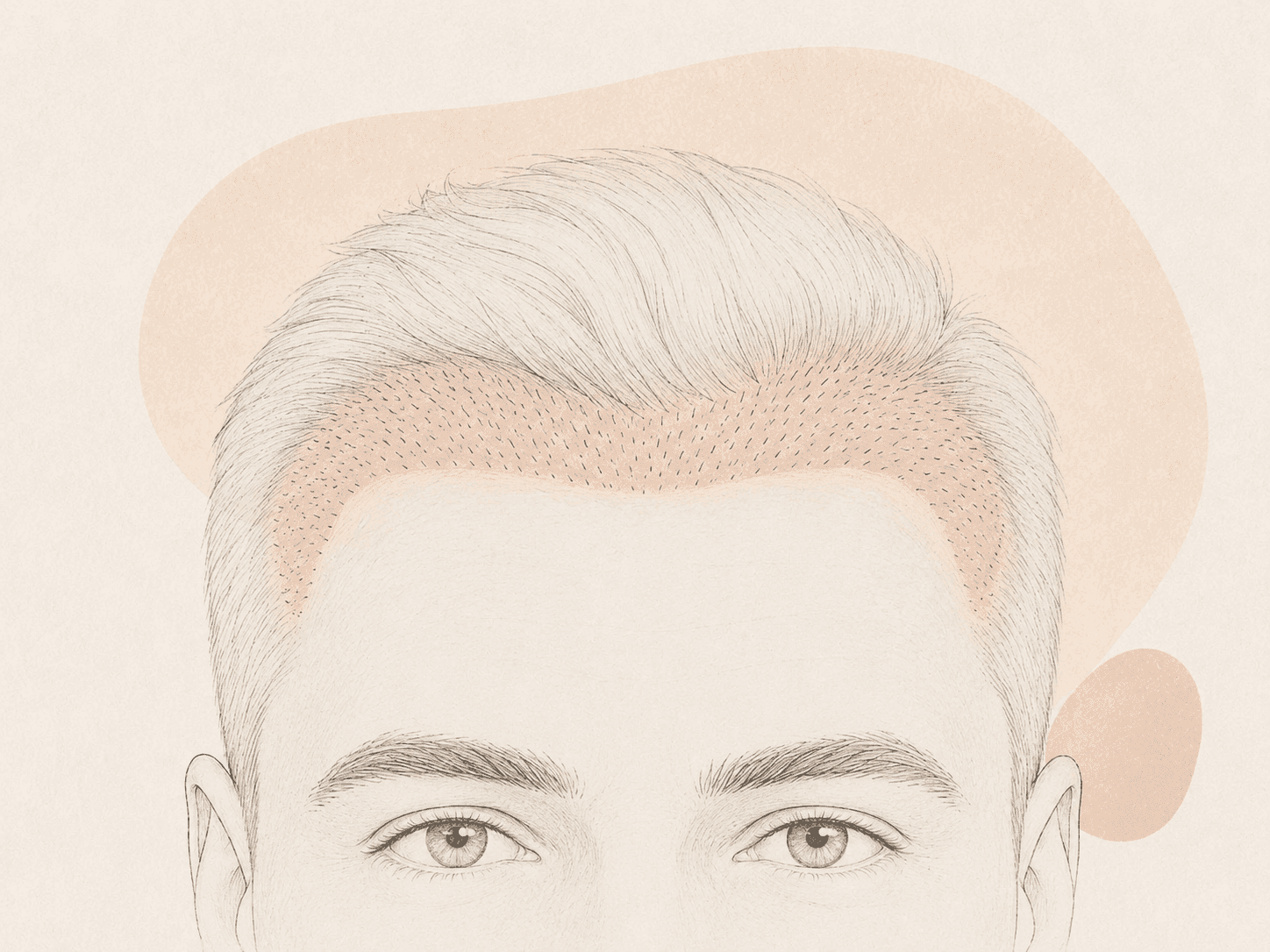
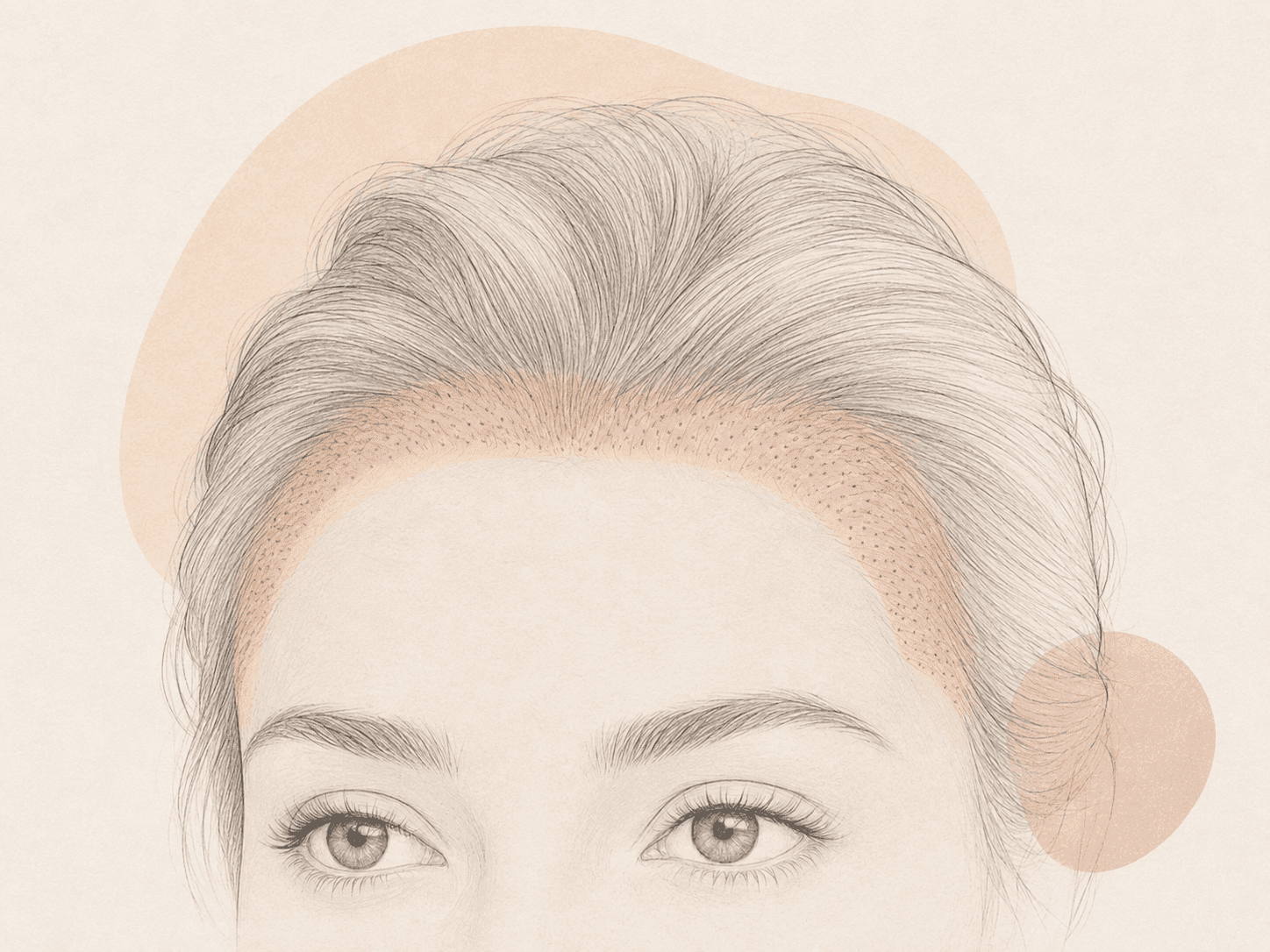
PRP hair treatment begins with a sample of the patient’s blood. The sample is processed in a centrifuge to separate and concentrate plasma containing platelets. The prepared product is then injected into selected areas of the scalp.
Platelets release biological signals involved in tissue repair and communication between cells. In hair-loss treatment, PRP is intended to support existing follicles rather than replace follicles that have been permanently lost.
The clearest clinical evidence relates to androgenetic alopecia, also known as male or female pattern hair loss. Evidence for other conditions is less consistent. Active inflammatory or scarring alopecia usually requires accurate diagnosis and control of the underlying disease rather than injections alone.
PRP is not a hair transplant and does not move donor follicles from one area to another. It is usually provided as a course of treatment followed by reassessment and possible maintenance sessions.
Possible Benefits and Limits of PRP for Hair Loss
When recommended for an appropriate diagnosis, PRP scalp injections may support goals such as:
- Improving hair density in some patients with pattern hair loss
- Reducing the visible appearance of progressive thinning in selected areas
- Supporting miniaturised follicles that remain biologically active
- Providing a non-surgical option that does not require donor hair harvesting
- Complementing other clinician-directed approaches to hair-loss management
- Allowing many patients to resume usual daily activities with limited interruption
Published studies report encouraging findings, but results vary and PRP preparation methods are not fully standardised. Treatment cannot guarantee regrowth, restore areas where follicles are permanently scarred or replace an accurate diagnosis and long-term management plan.
Who May Be Suitable for PRP Hair Treatment
PRP may be considered for people with a confirmed hair-loss condition, follicles that may still respond to treatment and no medical factor that makes blood collection or scalp injections inappropriate.
- Male or female pattern hair loss confirmed through clinical assessment
- Early or moderate thinning where viable follicles remain
- Realistic expectations about gradual and variable improvement
- Willingness to complete an initial treatment course and attend follow-up
- General health compatible with blood collection and scalp injections
- Ability to return for maintenance when clinically recommended
Sudden shedding, patchy loss, scalp inflammation, infection or signs of scarring may require further investigation before PRP is discussed. Hair loss related to an untreated medical, nutritional, hormonal or medication-related cause should not be managed with injections alone.
Further review may be needed for people with platelet disorders, low platelet counts, significant anaemia, active infection, cancer under active treatment, bleeding disorders or medicines that affect clotting or platelet function. The treating clinician should determine suitability after reviewing current health, laboratory results when indicated and the complete medicine list.
How PRP Is Prepared for Scalp Treatment
PRP is not a single standardised product. Devices and clinical protocols differ in the volume of blood collected, centrifugation method, platelet concentration, leukocyte content, activation method, injection volume and interval between sessions.
Blood Sample Collection
A measured blood sample is drawn into sterile tubes. An appropriate anticoagulant may be included when required by the preparation system. The amount collected depends on the device and the intended treatment area.
Centrifuge Processing
The blood is processed using a single-spin, double-spin or device-specific centrifugation protocol. This separates red blood cells from the plasma and allows the selected platelet-containing portion to be collected.
Final PRP Composition
The final preparation may be leukocyte-poor or leukocyte-rich and may contain different platelet concentrations. These differences can influence inflammation, comfort and biological activity, but no single formulation has been established as best for every patient.
Scalp Injection Protocol
The prepared plasma is injected across selected thinning areas through multiple small injections. Needle depth, spacing, total volume and the use of activating substances vary between protocols and should be documented by the provider.
Initial Sessions and Maintenance
Many protocols involve several initial sessions spaced weeks apart, followed by clinical reassessment and possible maintenance. The schedule should reflect the diagnosis, response and provider protocol rather than a universal treatment package.
What Happens During a PRP Hair Treatment Session
A PRP appointment is generally completed as an outpatient procedure. The exact workflow depends on the preparation system and injection protocol used by the provider.
Clinical Scalp Review
The clinician reviews the diagnosis, examines the scalp and confirms the selected treatment areas. Active infection, inflammation or another new concern may require the appointment to be postponed.
Blood Sample Collection
A blood sample is collected using sterile equipment. The patient should inform the team immediately if dizziness, nausea or faintness develops.
PRP Processing
The sample is centrifuged according to the selected protocol. The platelet-containing plasma fraction is then separated from components that are not intended for injection.
Scalp Preparation
The treatment area is cleaned with an appropriate antiseptic. The team may divide the scalp into treatment zones and apply the selected comfort method before injections begin.
PRP Scalp Injections
Small amounts of prepared PRP are injected at multiple points across the selected areas. The product should be handled and used within the controlled clinical process established by the treating provider.
Immediate Post-Treatment Review
The scalp is checked for bleeding, swelling or an immediate reaction. The patient should receive written instructions covering hair washing, exercise, scalp products and symptoms that require medical review.
Comfort and Pain During PRP Scalp Injections
PRP scalp injections are usually performed without general anaesthesia. Depending on the protocol and the patient, the clinician may use cooling, vibration, topical numbing products, local anaesthetic injections or another comfort method.
Blood collection can cause brief discomfort or light-headedness. Scalp injections commonly produce stinging, pressure or tenderness because several small injections are made across the treatment area.
Some patients experience a headache, scalp tightness or soreness for a short time after treatment. Severe pain, increasing discomfort or symptoms accompanied by spreading redness, fever or discharge require medical assessment.
Preparing for PRP Hair Treatment Abroad
Preparation should confirm the cause of hair loss, identify factors that could affect platelet function or healing and clarify the full treatment course before travel.
Hair-Loss Diagnosis
- Provide a history of when the hair loss began and how it has progressed
- Report rapid shedding, patchy loss, scalp pain, itching, redness or scaling
- Share details of previous hair treatments and procedures
- Provide clear photographs showing changes in the scalp over time when available
- Complete dermoscopy, laboratory tests or other investigations when recommended
- Ask which diagnosis is being treated and what degree of response is realistic
Medical and Medicine Review
- Provide a complete medical and surgical history
- Disclose all prescribed medicines, non-prescription products and supplements
- Report blood disorders, anaemia, fainting during blood collection or bleeding concerns
- Discuss active infections, recent illness and ongoing medical treatment
- Report allergies to antiseptics, adhesives or local anaesthetic products
- Do not stop medicines that affect clotting or platelet function unless the prescribing clinician approves the change
Questions About the PRP Protocol
- Ask which PRP preparation system and centrifugation method are used
- Confirm whether platelet concentration or final product quality is measured
- Ask whether the preparation contains leukocytes or added activating substances
- Confirm who draws the blood, prepares the product and performs the injections
- Request the planned number of sessions and intervals between them
- Ask how response will be measured through photographs or scalp assessment
Travel and Follow-Up Planning
- Arrange an in-person diagnostic consultation before the first injection when possible
- Plan for several sessions rather than treating PRP as one isolated appointment
- Confirm whether later sessions can be continued with another qualified provider
- Keep the treatment date flexible if illness, scalp infection or abnormal findings are identified
- Carry a written record of the preparation protocol and injected areas
- Confirm how to contact the treating team after returning home
Planning Travel for PRP Hair Treatment
PRP is usually an outpatient treatment with limited immediate recovery, but the complete plan often requires repeated sessions. Travelling for one appointment without arranging later treatment may reduce continuity of care.
Consultation and Diagnosis
The first visit should include a scalp examination and review of the cause of hair loss. A clinic should not rely only on photographs or provide injections without considering whether another condition requires investigation.
PRP Treatment Appointment
Blood collection, processing and scalp injections are usually completed during the same appointment. A short observation period may be appropriate for patients who feel faint or develop an immediate reaction.
Early Recovery
Many patients can return to light activities after the appointment, although scalp tenderness, redness or small injection marks may remain temporarily. The treating clinician should provide individual guidance about exercise, hair washing and travel.
Travel Readiness Review
Most patients do not need a prolonged destination stay solely for uncomplicated PRP injections. Travel should be delayed if significant dizziness, bleeding, swelling or another unexpected symptom requires observation or treatment.
Continuing the Treatment Course
Later sessions may require additional trips or coordination with a qualified provider closer to home. Patients should receive sufficient information about the preparation and injection protocol to support consistent follow-up.
PRP Hair Treatment Response and Follow-Up Timeline
PRP does not produce immediate visible hair growth. Any changes develop gradually and can be difficult to separate from the natural hair cycle without consistent photographs and clinical assessment.
First 24 Hours
Small injection marks, pinpoint bleeding, redness, scalp tightness or tenderness may occur. Some patients also experience headache, light-headedness or temporary swelling.
First Few Days
Scalp discomfort and redness usually settle gradually. Bruising or sensitivity may last longer in some patients. Increasing pain or inflammation should be reviewed rather than assumed to be normal.
First Three Months
The initial treatment course may still be in progress. Some patients notice reduced shedding or early changes, while others do not see a visible difference during this period.
Three to Six Months
Changes in hair density may become easier to assess after several sessions. Standardised photographs and consistent hair styling are useful because differences in lighting and hair length can create misleading comparisons.
Six to Twelve Months
The clinician can review whether treatment produced a meaningful response and whether maintenance may be reasonable. Progressive hair loss can continue despite an initial improvement.
Long-Term Management
PRP is not generally considered a permanent one-time solution. Maintenance frequency varies, and treatment should be discontinued or revised when there is no meaningful benefit or the diagnosis changes.
PRP Hair Treatment Aftercare at Home
Aftercare is usually straightforward, but instructions vary according to the injection protocol, products used and the patient’s medical history.
Scalp Care
- Keep the scalp clean according to the treating team’s instructions
- Avoid rubbing, scratching or massaging tender injection sites
- Use only approved shampoos and scalp products during early recovery
- Delay hair colouring, chemical processing and irritating topical products as instructed
- Protect the scalp from contamination and excessive sun exposure
Activity and Medicines
- Resume strenuous exercise according to individual clinical guidance
- Avoid swimming, sauna use and excessive heat during the advised period
- Use pain relief only as approved by the treating clinician
- Do not change anticoagulant, antiplatelet or anti-inflammatory medicines without medical approval
- Maintain normal hydration unless another clinician has advised fluid restriction
Follow-Up and Progress Records
- Attend planned treatment sessions and response assessments
- Take standardised progress photographs under similar conditions
- Keep a record of the preparation protocol, session dates and injected areas
- Report unexpected shedding, inflammation or scalp lesions
- Continue appropriate management of the underlying hair-loss condition
Risks and Limitations of PRP Hair Treatment
PRP is prepared from the patient’s own blood, which reduces some concerns associated with donor biological materials. However, blood collection and scalp injections still carry possible risks.
- Pain, burning, tenderness or scalp tightness
- Pinpoint bleeding, bruising or temporary swelling
- Headache or temporary changes in scalp sensation
- Dizziness, nausea or fainting during blood collection
- Infection related to blood handling or scalp injection
- Inflammation, prolonged redness or irritation
- Injury to a small blood vessel, nerve or nearby tissue
- Scarring or pigment changes, although these are uncommon
- Reaction to antiseptics, adhesives, anticoagulants, activators or local anaesthetic products
- Temporary shedding after scalp treatment
- No meaningful improvement after completing several sessions
- Continued progression of the underlying hair-loss condition
- Delayed diagnosis when PRP is provided without appropriate medical assessment
- Inconsistent results caused by differences in preparation and injection protocols
PRP should be prepared and injected using sterile clinical procedures with appropriate identification and handling of the patient’s blood. Increasing pain, spreading redness, fever, discharge, persistent bleeding, marked swelling or neurological symptoms require prompt medical review.
Comparing PRP Hair Treatment in Iran and Turkey
Destination choice should be based on diagnostic quality, clinical oversight and continuity of treatment rather than promotional claims about platelet concentration or guaranteed regrowth. Patients should confirm who evaluates the hair loss, prepares the blood product and performs the injections.
PRP Hair Treatment in Iran
International patients considering PRP hair treatment in Iran should look for a qualified dermatology or hair restoration team that performs a diagnostic scalp assessment before treatment. The provider should explain the preparation protocol, planned session schedule, sterile blood-handling process and follow-up pathway after departure.
PRP Hair Treatment in Turkey
Turkey has many clinics offering PRP alongside medical and surgical hair restoration services. Because preparation methods, staffing and treatment packages vary, international patients should confirm physician oversight, blood-product handling, protocol documentation and arrangements for repeat sessions before booking.
Hear From Patients
Patient Reviews
Questions About Platelet-Rich Plasma Therapy for Hair Loss
Need More Help?
Have questions or need support planning your next step? Cura can help you understand the process and prepare for clinic conversations.