All-Ceramic Dental Crowns Explained
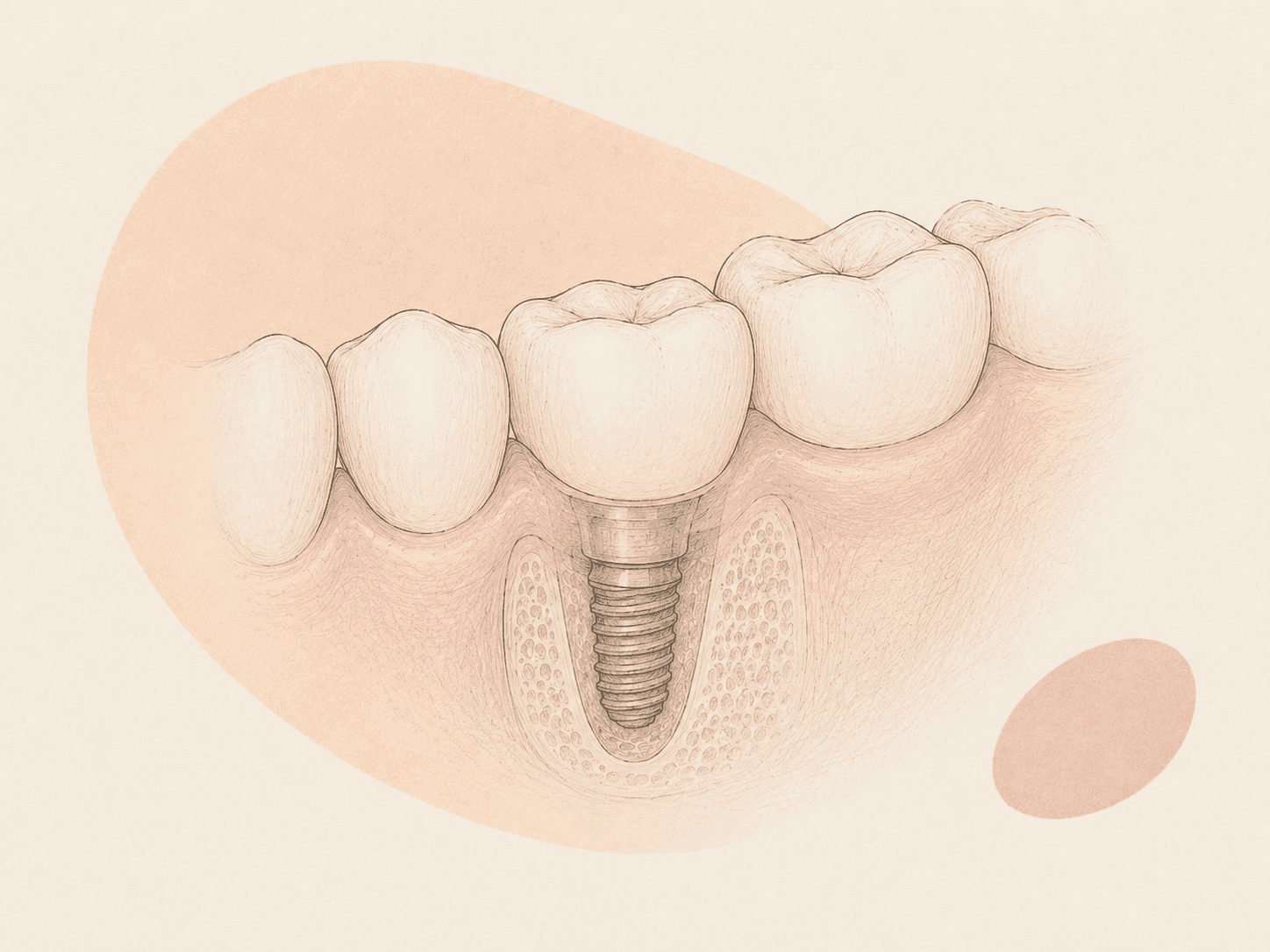
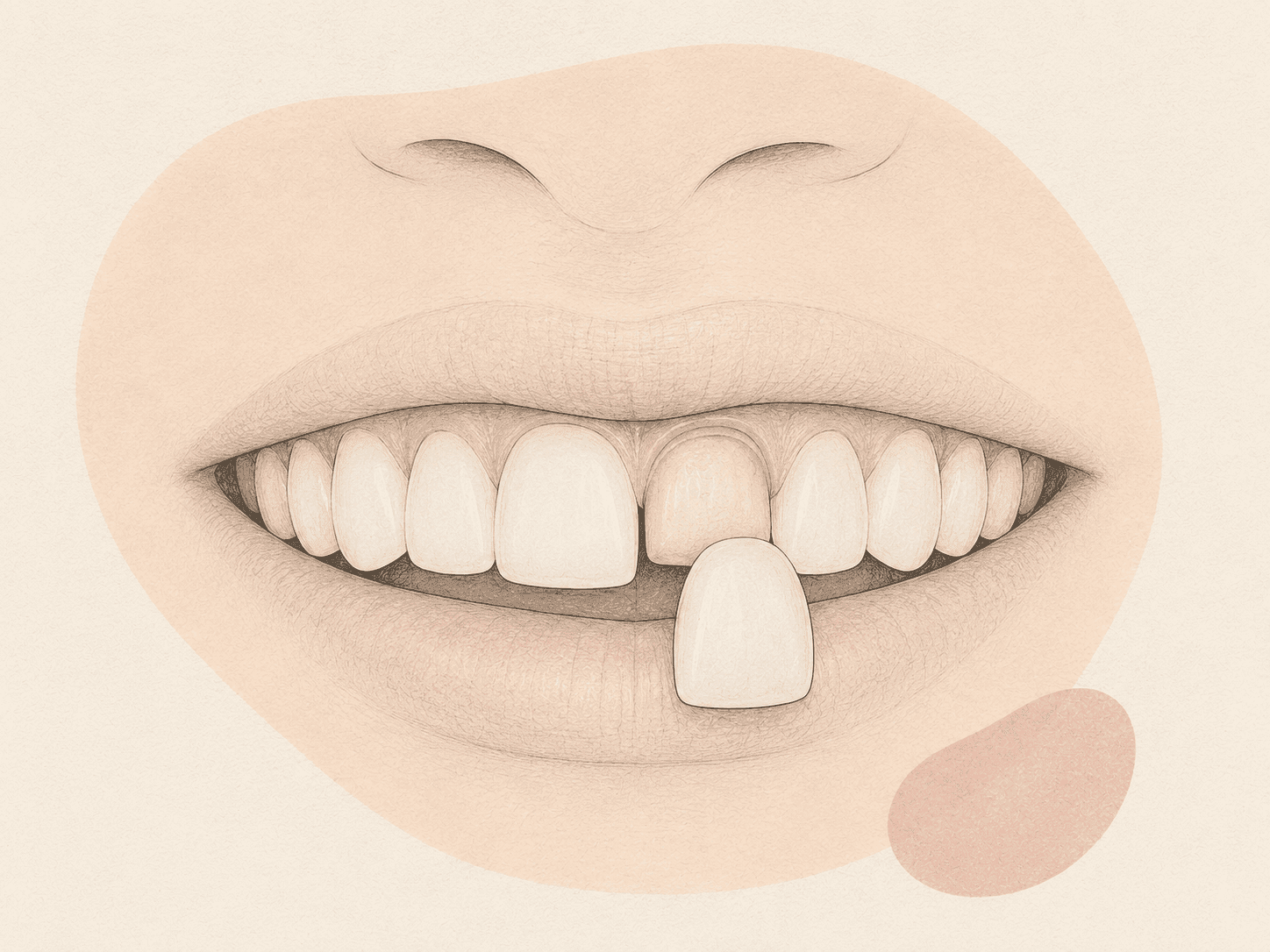
A porcelain crown is a custom-made cap that fits over a tooth after the dentist shapes it to create space for the restoration. It may help restore chewing function, protect weakened tooth structure and improve the appearance of a damaged or heavily restored tooth.
All-ceramic crowns are planned according to tooth position, bite forces, gum health and the amount of natural tooth that remains. Your dentist may recommend a ceramic system such as zirconia or lithium disilicate, or may advise another crown type if the tooth needs a different material profile.
Goals And Possible Benefits Of All-Ceramic Crowns
An all-ceramic crown may be considered for functional and cosmetic reasons. The final outcome depends on the selected material, crown fit, bite adjustment and long-term oral care.
- Metal-free restoration: A ceramic-only crown avoids a metal substructure.
- Natural-looking options: Many porcelain crown designs can be shade-matched and finished to blend with nearby teeth.
- Tooth protection: A dental crown can help support a tooth affected by large fillings, cracks or significant wear.
- Material choice flexibility: Zirconia crown and Emax crown designs may be selected according to bite forces and aesthetic goals.
- Digital dentistry support: Scans and CAD/CAM planning can help the clinic and dental lab communicate more clearly about fit and design.
Who May Need A Porcelain Crown
An all-ceramic crown may be considered when a tooth needs full coverage for protection, rebuilding or appearance. It may be used after large restorations, fractures or extensive wear, and sometimes after root canal treatment if the tooth needs more structural support.
A dentist can confirm whether a porcelain crown is appropriate after an examination and often dental imaging. Suitability depends on bite load, remaining tooth structure, gum health and habits such as clenching or grinding.
- Oral health readiness: Active decay or gum disease usually needs treatment before crown placement.
- Bite factors: Heavy grinding may require specific design choices and protective steps such as a night guard.
- Travel readiness: International patients should allow enough time for fabrication, try-in and any adjustments before flying home.
All-Ceramic Crown Materials And Design Options
All-ceramic crowns can be made with different ceramic systems, production methods and design approaches. Your dentist selects the option based on aesthetics, bite forces, available tooth structure and the clinic-lab workflow.
Pressed Ceramic Crown
A pressed ceramic crown is shaped through a heat and pressure process. It may be chosen when aesthetics and fit are important priorities, depending on the material system and the experience of the dental lab.
CAD/CAM Ceramic Crown
A CAD/CAM ceramic crown is designed digitally from a scan and fabricated by milling. This workflow can support clinic-lab communication and may be used with several ceramic materials, including zirconia and lithium disilicate systems.
Layered All-Ceramic Crown
A layered all-ceramic crown may use a ceramic core with additional ceramic layering to create more detailed aesthetics in selected cases. The design should also consider bite forces, especially for teeth that carry heavier chewing loads.
Porcelain Jacket Crown
A porcelain jacket crown is an older full-porcelain crown design. It may still be discussed in some situations, although many dentists now use newer ceramic systems with different strength and aesthetic profiles.
How An All-Ceramic Crown May Be Placed
Placing a tooth crown usually involves assessment, tooth preparation, fabrication and final placement. The exact sequence can vary according to tooth complexity, ceramic material and whether a temporary crown is needed.
Dental Assessment And Planning
The dentist evaluates the tooth, gums and bite and may request imaging. Shade selection and discussion of ceramic options such as zirconia crown or Emax crown designs are often part of treatment planning.
Tooth Preparation And Scan
The tooth is reshaped to create space for the porcelain crown and an impression or digital scan is taken. If the tooth has limited structure, a foundation build-up may be placed to support the final crown.
Temporary Crown Stage
A temporary crown may be placed to protect the tooth and maintain the bite while the final dental crown is being made. Temporary restorations can feel different and may require careful eating choices until the final crown is placed.
Try-In, Bite Check And Final Placement
The clinician checks fit, margin seal, shade and bite contacts. The final crown is bonded or cemented according to the clinical plan. A short follow-up check can help confirm comfort and bite stability before travel.
Comfort And Anesthesia During Crown Treatment
Tooth preparation for a porcelain crown is commonly performed with local anesthesia to numb the tooth and nearby tissues. Mild soreness or sensitivity can occur after the appointment and should be assessed if it persists, worsens or appears with swelling.
Local Anesthesia
Local anesthesia is typically used during tooth preparation and fitting. Temporary numbness is expected for a period after treatment.
Sedation Options
Some clinics offer sedation for dental anxiety. Suitability depends on medical history and clinician assessment, and sedation may affect travel planning on the treatment day.
Preparing For A Ceramic Crown Abroad
Good preparation helps international patients reduce avoidable surprises and supports smoother coordination between the dental clinic and the lab.
Dental Records And Health Details
- Bring recent dental records if available, including X-rays or scan reports.
- Share your medication list and relevant medical history with the clinic.
- Discuss any history of grinding, jaw pain or previous crown problems.
Treatment Timeline And Flexibility
- Plan enough time for scans, fabrication and at least one try-in or bite check.
- Keep some flexibility for adjustments or an additional visit if needed.
- Confirm how urgent concerns are handled during your stay.
Oral Care Before Crown Placement
- Maintain careful brushing and interdental cleaning before treatment.
- Follow clinic guidance on eating, drinking and medication use on appointment days.
- Ask whether gum treatment or decay management is needed before the dental crown is placed.
Travel Timeline For An All-Ceramic Crown
An all-ceramic crown plan often requires two or more visits across several days, with lab work between appointments. Timing depends on case complexity, the ceramic system and the required quality checks.
Day 0 To Day 1
Arrival, consultation and imaging if needed. Tooth preparation and scanning may be completed, followed by placement of a temporary crown if required.
Crown Fabrication Window
The lab designs and fabricates the porcelain crown, then finishes and polishes it. CAD/CAM workflows may shorten some steps, but fit and quality checks still require time.
Final Visit And Follow-Up Check
Try-in, bite adjustment and final bonding or cementation are completed. A brief follow-up check before departure can help confirm comfort and address minor bite issues.
Adjustment And Follow-Up After A Tooth Crown
Recovery after a tooth crown is usually about gum settling and adapting to new bite contacts rather than surgical healing. Timeframes vary, especially if other dental treatments were completed first.
First 24 Hours
Numbness wears off and mild tenderness or temperature sensitivity may occur. Chewing can feel different while you adjust to the new crown contacts.
First Week
Many patients adapt during this period. A high bite contact can cause soreness and may need a simple adjustment by a dentist.
First Month
Gums continue to settle around the crown margin. Persistent pain when biting, swelling or worsening sensitivity should be evaluated to check for fit issues or problems with the underlying tooth.
Caring For A Porcelain Crown After Returning Home
The long-term performance of a porcelain crown depends on daily hygiene, bite protection and routine dental checks. International patients should also plan how adjustments or follow-up will be managed locally after they return home.
Daily Hygiene
- Brush twice daily and clean between teeth to reduce inflammation and decay at the crown margin.
- Clean carefully along the gumline where plaque can collect.
- Attend routine check-ups so gum health and bite contacts can be reviewed.
Protecting The Crown
- Avoid biting very hard objects that can place stress on ceramic restorations.
- If you grind your teeth, ask about a night guard to protect the crown and opposing teeth.
- Contact a dentist if the crown feels loose or your bite changes suddenly.
Risks And Complications Of All-Ceramic Crowns
All-ceramic crowns are common dental restorations, but complications can occur. Some issues are minor and correctable, while others may require additional treatment. Risk depends on tooth health, bite forces, crown design, bonding or cementation and aftercare.
More Common Issues
- Temporary sensitivity: Hot, cold or pressure sensitivity may occur after preparation or placement.
- Bite discomfort: A high contact can cause soreness and may need adjustment.
- Gum irritation: Inflammation can occur if margins are difficult to clean or the gums are already sensitive.
- Debonding or loosening: The crown can loosen if the seal breaks or retention is limited.
Less Common But Important Risks
- Chipping or fracture: Risk can increase with heavy grinding or unfavorable bite contacts.
- Decay under the crown: Decay can occur if bacteria enter at the margin over time.
- Tooth nerve inflammation: Some teeth may later need root canal treatment, especially if they were already compromised.
- Contact or bite problems: Poor contacts can contribute to food trapping or discomfort and may need correction.
When To Seek Dental Care
Seek prompt dental assessment if you develop severe pain, swelling, fever, a crown that feels loose or pain when biting that does not improve. These symptoms can indicate bite problems, infection or issues with the underlying tooth that need evaluation.
Planning All-Ceramic Crown Treatment In Turkey Or Iran
International patients may consider Iran or Turkey for an all-ceramic crown based on clinician experience, access to dental labs and the ability to coordinate multi-visit restorative care within a defined travel window. Quality depends on the specific clinic, lab standards and how carefully fit and bite are checked before departure.
Turkey
Many clinics in Turkey offer digital scanning and CAD/CAM-supported workflows for ceramic restorations, with lab partnerships and scheduled fitting checks. International patients should compare dentist experience, material documentation, communication quality and whether the travel timeline allows for adjustments.
Iran
In major cities in Iran, restorative dentistry services may include scanning, fabrication and follow-up checks within a planned stay. Clear discussion of crown materials such as zirconia or lithium disilicate, bite planning and aftercare responsibilities can help international patients make more structured decisions.
Hear From Patients
Patient Reviews
Questions About All-Ceramic Crown
Need More Help?
Have questions or need support planning your next step? Cura can help you understand the process and prepare for clinic conversations.