All-Ceramic Fixed Dental Bridges Explained
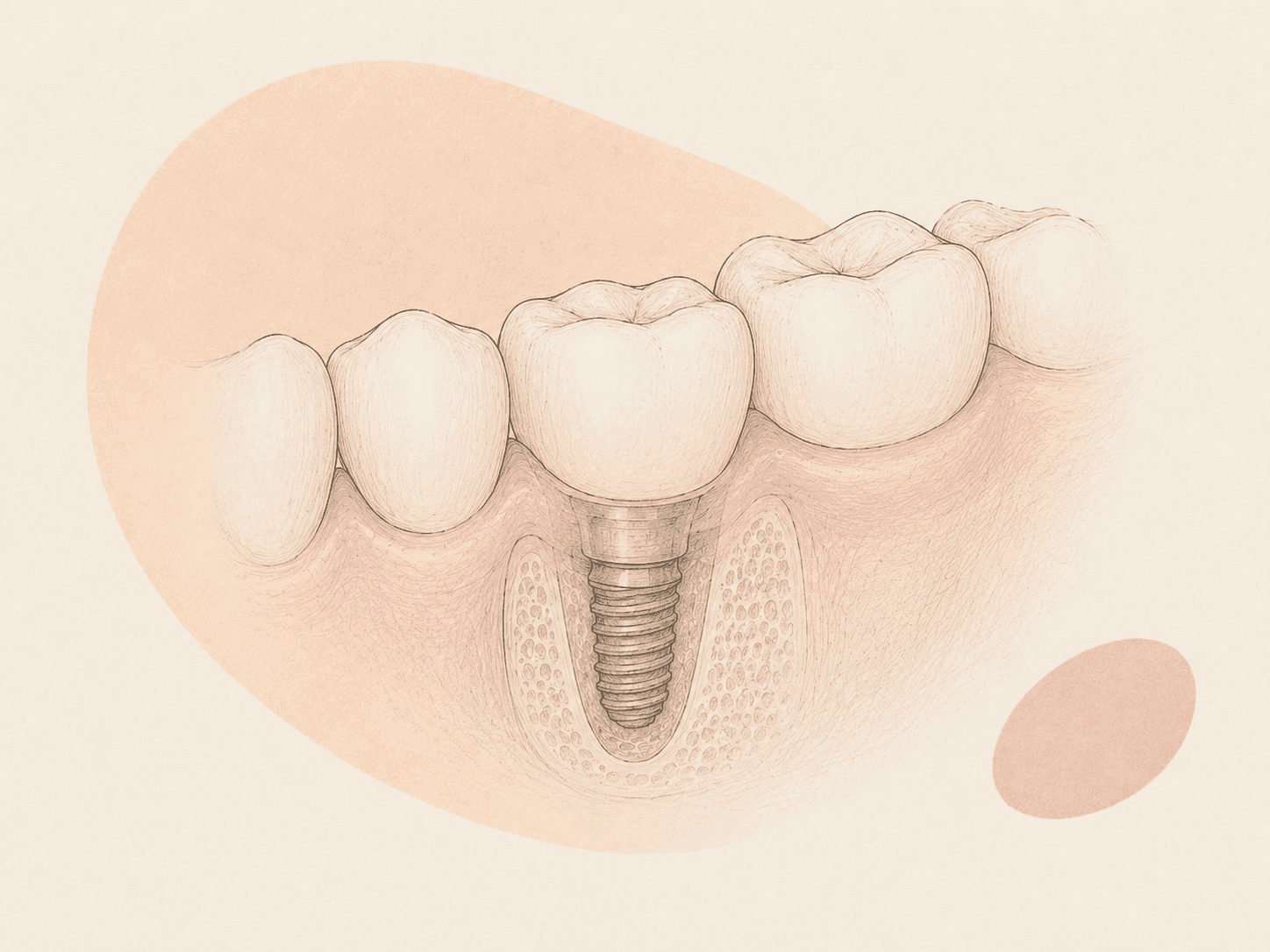
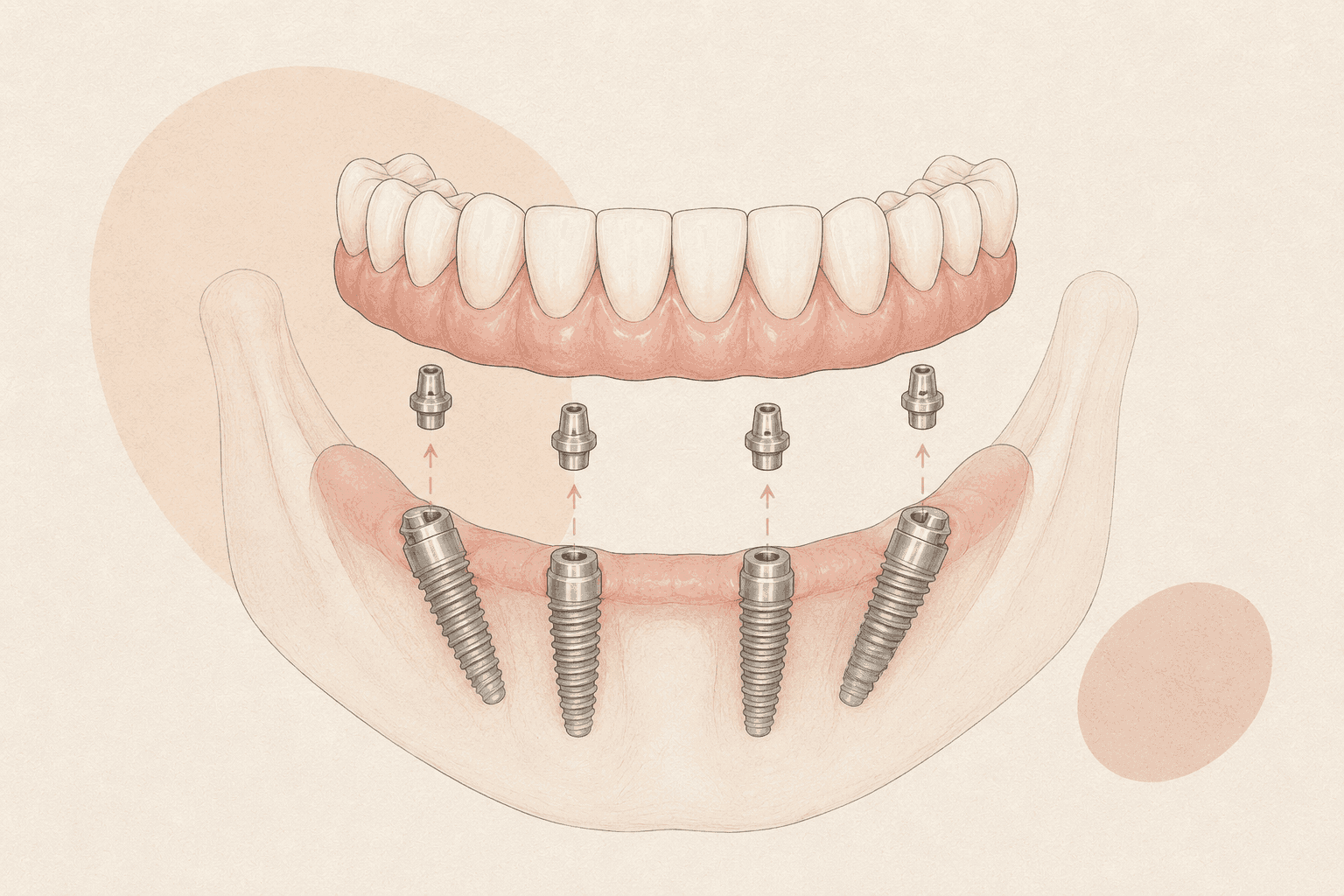
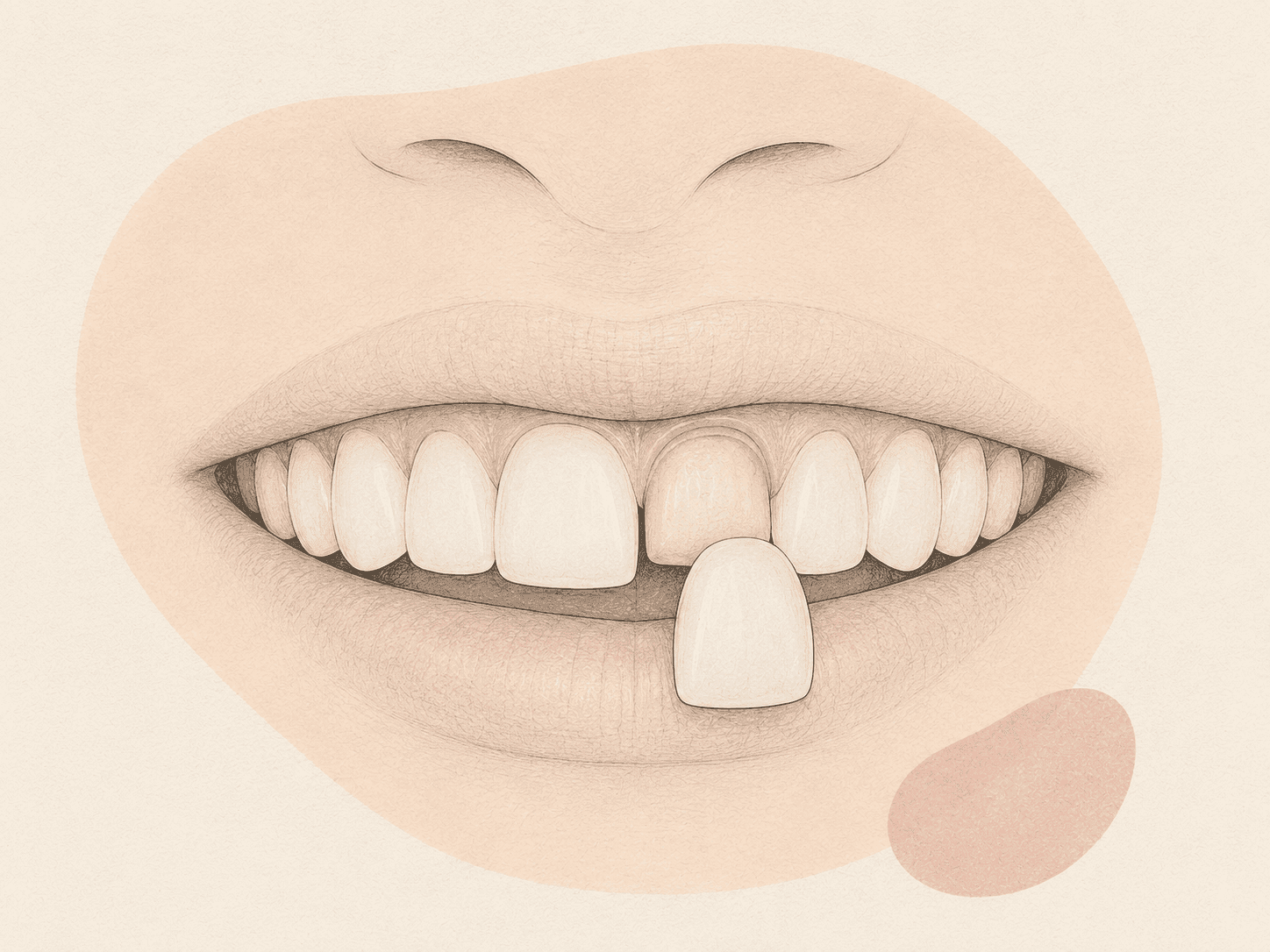
A dental bridge replaces missing teeth by connecting one or more artificial teeth to stable supporting teeth beside the gap. These support teeth, often called abutment teeth, are prepared or used to hold the bridge. The replacement tooth in the gap is called a pontic.
In an all-ceramic bridge, the restoration is made from tooth-colored ceramic materials. The choice of ceramic, bridge design and bite planning can affect strength, appearance, comfort and how easily the area can be cleaned.
What A Fixed Dental Bridge May Help Restore
A fixed dental bridge may be discussed when one or more missing teeth affect chewing, speech, spacing or smile appearance. Possible benefits depend on careful planning, material choice, the condition of supporting teeth and long-term oral hygiene.
- Chewing support: May help improve function when a tooth gap makes eating less comfortable.
- Tooth-colored appearance: A porcelain bridge or zirconia bridge can be shade-matched to nearby teeth.
- Spacing support: May help limit movement of neighboring teeth into the gap.
- Fixed restoration: Stays in place and is not removed for daily cleaning.
- Metal-free design: Uses ceramic materials without a metal framework, which some patients prefer.
Who May Need An All-Ceramic Dental Bridge
An all-ceramic dental bridge may be discussed when a tooth is missing and the neighboring teeth can safely support a bridge. Suitability depends on gum health, bone support, bite forces, the position of the missing tooth and how much tooth structure is available for crowns or bonded wings.
A dentist confirms whether a fixed bridge is appropriate after an examination and usually imaging. Alternatives such as implant-supported crowns or removable options may be reviewed if support teeth are weak, gum health is unstable or bite forces are high.
- Healthy support teeth: Adjacent teeth should be stable enough to carry the bridge.
- Gum and hygiene readiness: Cleaning around bridge margins and under the pontic is essential.
- Realistic expectations: Bridges can restore function and appearance but still need ongoing care.
- Travel readiness: International patients should allow time for preparation, fabrication, try-in and bite checks before returning home.
All-Ceramic Dental Bridge Types And Design Choices
Dental bridges can be designed in several ways. The dentist may recommend an option after reviewing the gap size, tooth position, bite forces and how much preparation is appropriate for the supporting teeth.
Conventional Fixed Bridge
A conventional fixed bridge is supported by full-coverage crowns on the teeth next to the gap. This design can provide strong support, but it requires shaping the supporting teeth so crowns can fit over them.
Cantilever Bridge
A cantilever bridge is supported from one side only. It may be discussed in selected cases with lower bite forces and a suitable support tooth. Careful planning is important because uneven forces can stress the tooth and bridge.
Resin-Bonded Bridge
A resin-bonded bridge uses a pontic attached to a framework that bonds to the back of adjacent teeth, often with minimal tooth preparation. It is usually considered for specific cases, often in the front of the mouth. Debonding is a known risk when bite forces are unfavorable or enamel bonding is limited.
Maryland Bridge
A Maryland bridge is a common type of resin-bonded bridge with one or two wings bonded to the backs of neighboring teeth. Wing material can vary by design and lab, and the dentist will assess whether it suits the bite and the condition of the support teeth.
Zirconia Fixed Bridge
A zirconia fixed bridge is an all-ceramic design often selected when higher strength is needed compared with some other ceramics. It may be planned as a monolithic zirconia bridge or with layered ceramics in selected cases, depending on the aesthetic zone and bite forces.
How A Dental Bridge May Be Planned And Placed
Placing a dental bridge usually involves case planning, tooth preparation, lab fabrication and final cementation or bonding. The exact sequence depends on whether the bridge is a conventional fixed bridge, a cantilever design, a resin-bonded bridge or a Maryland bridge.
Assessment And Planning
The dentist reviews the gap, supporting teeth, gums and bite. Imaging is commonly used to check tooth and bone support. Material choice, shade selection and bridge design are discussed based on function and appearance goals.
Tooth Preparation And Scan
For a conventional fixed bridge, the supporting teeth are shaped for crowns. For a resin-bonded bridge, preparation is often more conservative. A digital scan or impression is taken so the lab can make the bridge with accurate fit and contacts.
Temporary Phase
If significant preparation is needed, a temporary bridge or provisional crowns may be placed to protect the teeth and maintain spacing while the final porcelain bridge or zirconia bridge is made.
Try-In And Final Placement
The bridge is tried in to check fit, margins, contacts and bite. Adjustments may be made before final cementation or bonding. A follow-up visit is often recommended to confirm comfort and bite stability.
Comfort, Local Anesthesia And Tooth Sensitivity
Local anesthesia is commonly used during tooth preparation and fitting so the area remains comfortable. Sensitivity or soreness can happen after treatment, especially when teeth have been significantly prepared. Discomfort that persists or worsens should be assessed by a dentist.
Local Anesthesia
Local anesthesia typically numbs the supporting teeth and nearby tissues during preparation and adjustments. Temporary numbness is expected for a period after the appointment.
Sensitivity And Bite Pressure
Mild sensitivity to cold or pressure can occur after preparation. A high bite contact can cause soreness when chewing and may need a simple adjustment.
Sedation Options
Some clinics offer sedation for dental anxiety. Suitability depends on medical history and clinician assessment and may affect travel planning on treatment days.
Preparing For A Dental Bridge Abroad
Good preparation can reduce last-minute changes and support smoother coordination between the clinic, dentist and dental lab.
Dental Records And Health Details
- Bring recent dental records if available, including X-rays or scan reports.
- Share relevant medical history and your medication list.
- Tell the clinic about clenching, grinding or previous bridge problems.
Oral Health Readiness
- Address active decay, gum inflammation or infection before bridge placement when recommended.
- Maintain careful brushing and interdental cleaning before treatment.
- Ask whether gum treatment is needed to support accurate bridge margins.
Travel And Appointment Planning
- Allow enough time for preparation, lab fabrication, try-in and bite adjustments.
- Keep some flexibility for an extra visit if fit or bite needs refinement.
- Confirm how urgent concerns will be handled during your stay.
Typical Travel Schedule For A Fixed Dental Bridge
A dental bridge plan usually requires more than one clinic visit, with lab work between appointments. Timing depends on bridge type, number of units and whether other dental treatment is needed first.
Day 0 To Day 1
Arrival, consultation and imaging if needed. Tooth preparation and scanning may be completed, followed by temporary coverage when appropriate.
Lab Fabrication Window
The lab makes and finishes the all-ceramic bridge for fit, contacts and shade. If a temporary bridge feels high or uncomfortable, an adjustment visit may be scheduled during this period.
Final Fitting And Check
Try-in, bite adjustment and final cementation or bonding are completed. A short follow-up appointment before departure can help confirm comfort and address minor bite issues.
Recovery And Adjustment After A Fixed Dental Bridge
Recovery after a fixed bridge usually involves gum settling and adapting to new bite contacts rather than surgical healing. Timing varies depending on how much preparation was needed and whether a temporary phase was used.
First 24 To 48 Hours
Mild soreness or sensitivity can occur once anesthesia wears off. Chewing may feel different while you adjust to the new contacts.
First Week
The gums may continue to settle around the bridge margins. If biting feels painful or the bridge feels high, an adjustment may be needed.
First Month
Many patients adapt to the feel of a dental bridge during this period. Ongoing pain, swelling or worsening sensitivity should be evaluated to check for bite problems, gum inflammation or issues with supporting teeth.
Long-Term Care For An All-Ceramic Bridge
Aftercare focuses on protecting the supporting teeth, keeping the gumline healthy and cleaning under the pontic. International patients should also plan how follow-up checks and adjustments will be handled after returning home.
Cleaning Under The Bridge
- Use interdental cleaning tools recommended by your dentist to clean around abutment teeth and under the pontic.
- Brush twice daily and clean along the gumline where plaque can collect.
- Attend routine dental check-ups so gum health and bite contacts can be monitored.
Protecting The Restoration
- Avoid biting very hard objects that can stress ceramic restorations.
- If you grind your teeth, ask about a night guard to protect the bridge and opposing teeth.
- Contact a dentist if you notice loosening, a bite change or new food trapping.
Risks And Possible Complications Of Dental Bridges
Dental bridges are common restorations, but complications can occur. Some issues are minor and correctable, while others may require additional treatment. Risk depends on support tooth health, bite forces, bridge design, cementation or bonding and daily hygiene.
More Common Issues
- Sensitivity: Temperature or pressure sensitivity after preparation or placement.
- Bite discomfort: A high contact can cause soreness and may need adjustment.
- Gum irritation: Inflammation can occur if margins are hard to clean or plaque builds up.
- Debonding or loosening: Resin-bonded designs such as a Maryland bridge can come loose, especially with unfavorable bite forces.
Less Common But Important
- Decay on supporting teeth: Can develop at margins if hygiene is difficult or fit is compromised.
- Supporting tooth overload: Abutment teeth can be stressed, especially when bite forces are high.
- Chipping or fracture: Ceramic materials can chip or fracture depending on thickness and bite forces.
- Gum recession: Gumline changes can affect appearance and cleaning over time.
When To Seek Dental Care
Seek prompt dental assessment if you develop severe pain, swelling, fever, a bridge that feels loose, or pain when biting that does not improve. These symptoms can indicate infection, bite problems or issues with supporting teeth that need evaluation.
Planning A Dental Bridge In Turkey Or Iran
International patients may compare Turkey and Iran for an all-ceramic dental bridge based on clinician experience, dental lab coordination and the ability to complete multi-visit restorative care within a defined travel window. Careful provider selection remains important, especially for fit, bite, hygiene design and follow-up planning.
Turkey
Many clinics in Turkey use digital scanning and coordinated lab workflows for ceramic restorations such as zirconia fixed bridges. For international patients, a structured itinerary with scheduled try-ins and a follow-up check before departure can support safer planning when timelines allow for adjustments.
Iran
Iran has established restorative dentistry services in major cities, and many clinics can coordinate assessment, fabrication and fitting checks during a planned stay. Clear communication about bridge design, material selection and aftercare responsibilities helps international patients plan travel and follow-up more safely.
Hear From Patients
Patient Reviews
Questions About All-Ceramic Fixed Dental Bridge
Need More Help?
Have questions or need support planning your next step? Cura can help you understand the process and prepare for clinic conversations.