How Mini Dental Implants Are Used
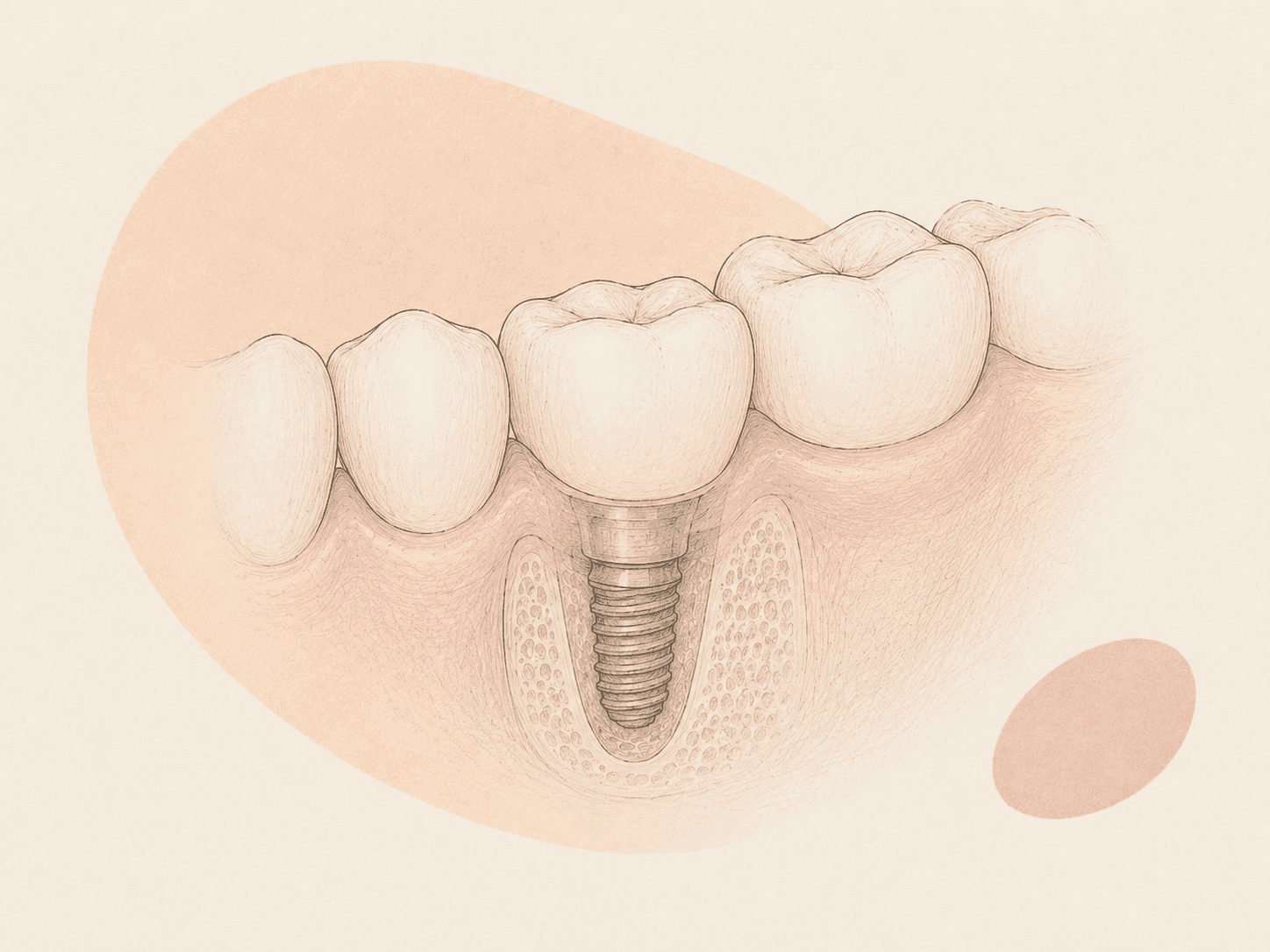
Mini Dental Implants are placed in the jawbone to support a dental restoration. They are often discussed for denture stabilization or for replacing teeth in narrow spaces when the clinical plan supports a smaller-diameter implant.
Planning usually includes a clinical examination, gum health review and 3D imaging when needed. The clinician also reviews bite forces and habits such as clenching, since these factors can influence implant choice and long-term stability.
Goals And Possible Benefits Of Mini Dental Implants
Possible benefits depend on anatomy, bite forces and the restoration design. For some international patients, Mini Dental Implant treatment may help with:
- May reduce denture movement during eating and speaking when Mini Implants For Overdentures are suitable
- May be considered when the space between teeth is too limited for a wider implant
- Can sometimes reduce the need for more extensive bone augmentation, depending on bone shape and volume
- May allow earlier use of a temporary restoration in selected Immediate-Load Mini Implant cases
These goals should be confirmed through a qualified implant assessment before treatment is planned.
When Mini Dental Implants May Be Considered
Mini Dental Implants may be suitable for people who need better denture retention or a tooth replacement option where space is limited. Suitability depends on specialist assessment and imaging.
- Gum disease and active infection are usually treated before implant placement
- Adequate bone quality and safe anatomy remain important, even with Small Diameter Implants
- Heavy bite forces, grinding or complex bite concerns may require a different implant design or treatment plan
- International patients should plan time for early reviews, denture adjustments and written guidance for follow-up at home
The most suitable implant type can only be confirmed after a specialist review.
Mini Dental Implant Designs And Loading Choices
Mini Dental Implants can be planned with different designs and loading approaches. The right option depends on the restoration goal, bone condition and bite forces.
One-Piece Mini Implants
One-piece Mini Implant designs combine the implant body and attachment in a single unit. They are commonly used for denture stabilization and some single-tooth cases when the restoration plan supports this approach.
Two-Piece Small Diameter Implants
Two-piece Small Diameter Implants use a separate abutment connection. This may offer more restorative flexibility in selected cases, but suitability depends on anatomy and the overall prosthetic plan.
Mini Implants For Overdentures
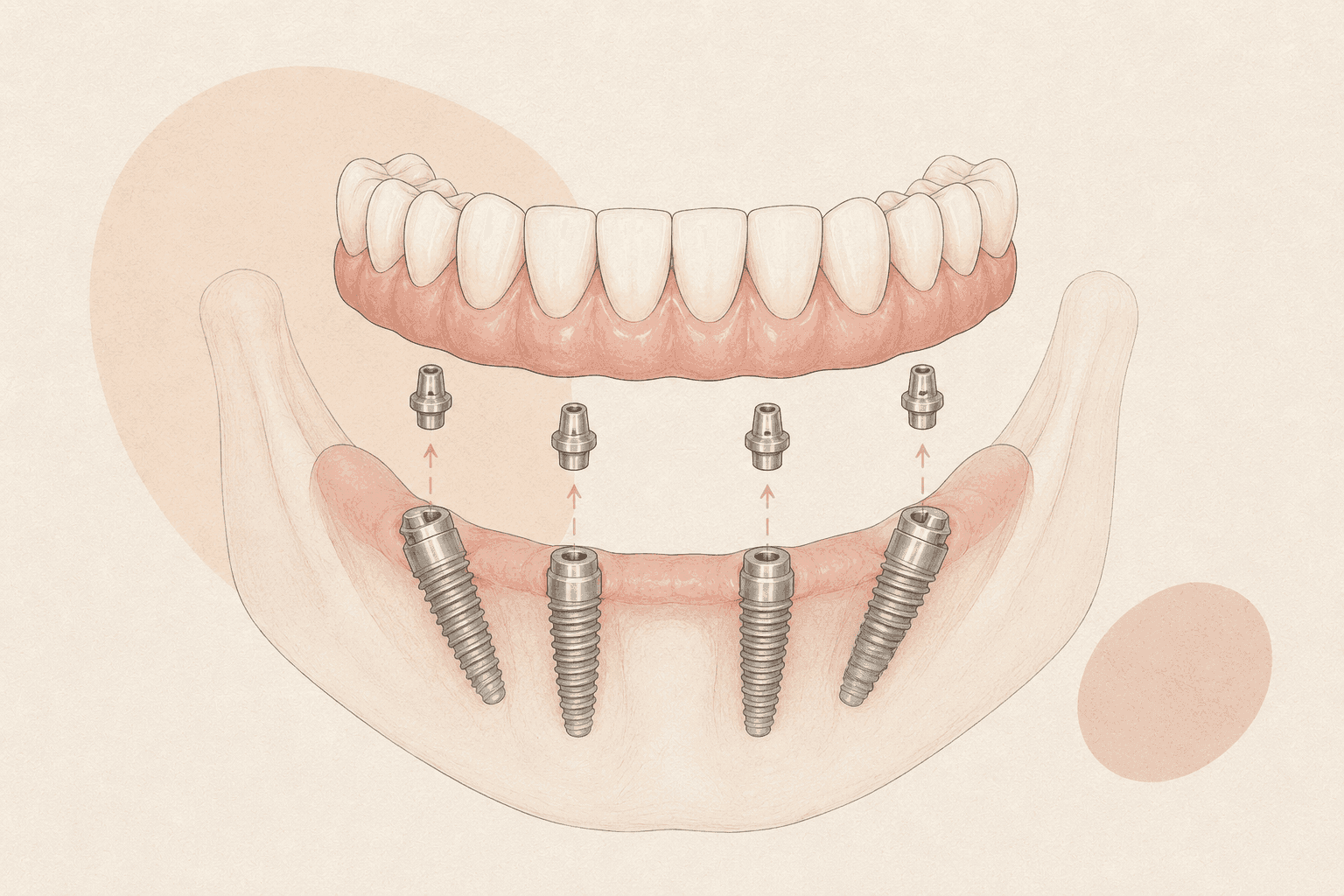
Mini Implants For Overdentures are often placed to help retain a removable denture with attachments. Planning should include bite evaluation, denture fit assessment and a clear adjustment schedule.
Immediate-Load Mini Implants
Immediate-Load Mini Implants may support earlier use of a denture or temporary restoration when initial stability and bite conditions allow. In some cases, delayed loading is safer to protect healing and integration.
How Mini Dental Implant Treatment May Be Planned
The exact pathway varies by clinic and case complexity. Mini Dental Implant treatment usually follows a structured process from assessment to placement, restoration and follow-up.
Assessment And Planning
The clinician reviews medical history, dental history and expectations, then performs a clinical examination. Imaging, often including 3D scans, helps confirm bone volume, implant position and safety considerations.
Implant Placement
The site is prepared and the Mini Implant is placed under sterile conditions. The team checks implant stability, soft tissue health and how the planned restoration will place force on the implant.
Restoration Fitting
For overdentures, attachments may be connected and the denture adjusted. For tooth replacement, a temporary or transitional restoration may be used depending on stability and bite needs.
Follow-Up Visits
Follow-up visits check healing, refine the bite and confirm that cleaning access is practical. The final restoration is planned according to integration and clinical checks over time.
Anesthesia, Comfort And Expected Discomfort
Anesthesia choice depends on the number of implants, anxiety level and medical history. The clinic should explain available options, expected discomfort and warning signs that need review.
Anesthesia Options
Mini Dental Implants are often placed with local anesthesia. Conscious sedation may be offered for comfort, especially when several implants are placed or when a patient feels anxious.
Typical Discomfort
Soreness, mild swelling and tenderness are common after placement. Pain control plans vary and may include prescribed medication. The clinician should explain what is expected and which symptoms need prompt review.
Preparing For Mini Dental Implants Abroad
Preparation should cover both clinical safety and travel logistics. International patients benefit from a clear checklist before they arrive for implant treatment abroad.
Records And Treatment Planning
Share recent dental X-rays or scans, a list of current medications and any relevant medical conditions. If you wear dentures, bring them so the clinical team can assess fit and plan attachments.
Oral Health And Daily Habits
Smoking and poor oral hygiene can increase complication risk. Gum inflammation or infection is usually managed before implant placement.
Travel Readiness
Plan enough time for early checks and denture adjustments. Arrange a recovery-friendly stay, soft food options and reliable transport to follow-up appointments.
Example Travel Timeline For Mini Dental Implants
Schedules vary based on the number of SDI Implants placed and whether immediate loading is planned. The clinic should confirm a personalized itinerary that includes early monitoring before you fly home.
Day 0 To 1: Arrival And Workup
Consultation, clinical examination and imaging are completed. The Mini Dental Implant plan is confirmed, including anesthesia choice, restoration type and aftercare instructions.
Day 1 To 3: Placement And Early Review
The implants are placed and an early check is performed. If Mini Implants For Overdentures are planned, the denture may be adjusted and attachment fit reviewed.
Day 4 To 7: Adjustments
Follow-up visits focus on gum healing, comfort and bite. Denture pressure points are addressed and cleaning instructions are reinforced.
Day 7 To 14: Clearance And Home Plan
The clinic reviews healing progress, provides written guidance for follow-up at home and confirms travel clearance based on recovery and risk factors.
Mini Dental Implant Recovery And Healing Timeline
Recovery varies by implant number, soft tissue condition and restoration load. The clinician should provide realistic time ranges and clear checkpoints.
First Few Days
Tenderness and mild swelling can occur. Care focuses on gentle oral hygiene, a soft diet and monitoring for unusual symptoms.
Weeks 1 To 2
The gums continue to heal and comfort often improves. Denture or bite adjustments may be needed, especially when immediate loading is used.
Weeks 3 To 8
Adaptation to chewing and speech can continue. Clinics often review hygiene access and confirm that loading remains appropriate during healing.
Months 2 To 6
Integration and stability are assessed over time. If a final restoration is planned, it is usually scheduled after clinical checks confirm stable healing.
Aftercare And Follow-Up For Mini Dental Implants
Aftercare should support long-term implant health and continuity after returning home. A written plan is especially important for international patients.
Cleaning And Maintenance
Daily plaque control is important for all implants, including Narrow Diameter Implants. The clinic may recommend specific brushes, flossing tools or water irrigation devices based on your restoration.
Denture And Bite Care
If an overdenture is used, attachments may need periodic maintenance and the denture base may need relining over time. Bite comfort should be reviewed if you notice new pressure points or chewing changes.
Local Follow-Up Plan
Arrange reviews with a local dentist and keep implant passport information such as brand, size and position details. Remote check-ins can help coordinate next steps and address concerns early.
Risks And Possible Complications Of Mini Dental Implants
Mini Dental Implant placement is a surgical procedure and carries risks. The clinician should explain these risks in relation to anatomy, medical history and bite forces.
More Common Risks
- Swelling, soreness and bruising
- Bleeding or oozing during the first days
- Temporary denture pressure points or bite discomfort
- Inflammation around the implant if cleaning is difficult
Less Common But Important Risks
- Failure to integrate or implant loosening
- Infection requiring additional treatment
- Implant fracture or mechanical complications in high-load situations
- Nerve injury risk in lower jaw cases, depending on anatomy
When To Seek Help
Seek prompt clinical review for fever, increasing swelling, persistent heavy bleeding, spreading redness, severe pain that does not improve or sudden changes in breathing or swallowing. International patients should have a clear urgent care plan locally and a way to contact the treating clinic.
Planning Mini Dental Implants In Turkey Or Iran
International patients may compare Turkey and Iran for implant dentistry because both destinations include clinicians experienced in dental restoration planning, diagnostic imaging and workflows for overdentures or fixed bridges. The right choice depends on clinician expertise, sterilization standards, restoration quality control and follow-up planning.
Turkey
Turkey has a developed implant dentistry environment with access to 3D imaging, digital planning and dental laboratory support for attachment-based overdentures and fixed restorations. Patients should compare clinician experience, facility standards, communication quality and the follow-up schedule before travel clearance.
Iran
Iran has experienced implant clinicians and established dental centers that can support detailed case review and coordinated restorative planning. For Mini Implants and Small Diameter Implants, continuity is supported by clear documentation, remote check-ins and a local follow-up plan after returning home.
Hear From Patients
Patient Reviews
Questions About Mini Dental Implants
Need More Help?
Have questions or need support planning your next step? Cura can help you understand the process and prepare for clinic conversations.