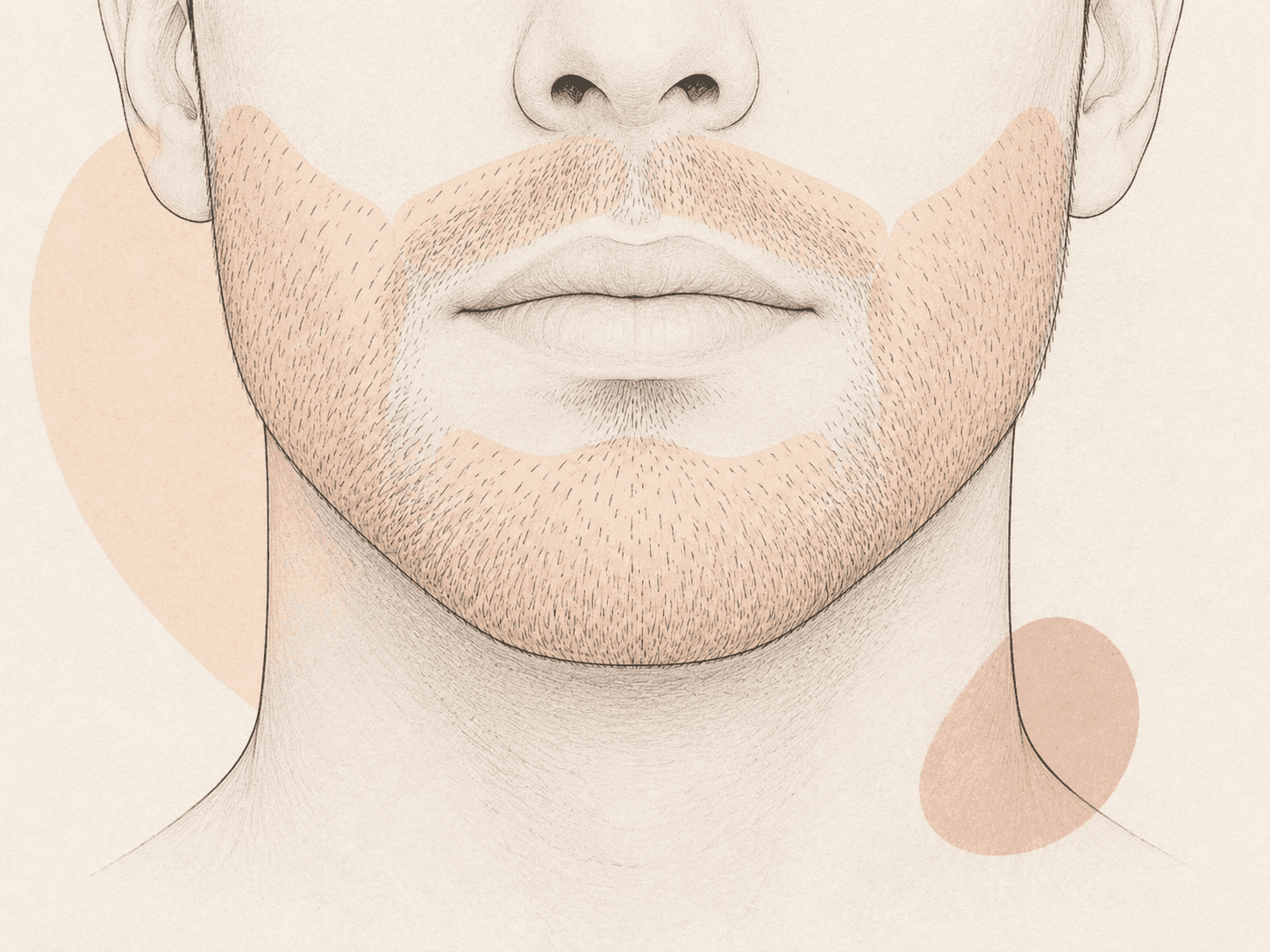
Orthognathic Surgery And Jaw Correction Explained
Orthognathic surgery repositions one or both jaws to correct skeletal alignment issues that orthodontic treatment alone may not fully resolve. Depending on the diagnosis, the surgeon may move the upper jaw, lower jaw or both, then secure the new position with internal fixation. Planning usually includes a clinical examination, dental records, bite analysis and imaging, with orthodontic treatment often needed before and after surgery.
Corrective jaw surgery is not a quick cosmetic option. It is a functional and structural procedure that requires careful case selection, multidisciplinary planning and realistic expectations about healing, sensation changes, bite adjustment and longer term follow up.
Goals Of Corrective Jaw Surgery
- Improving the bite when the upper and lower teeth do not meet properly
- Supporting chewing function in selected cases where jaw position affects efficiency
- Refining facial balance when skeletal jaw alignment contributes to asymmetry
- Reducing certain bite-related tooth wear patterns in appropriate cases
- Considering airway factors when they are relevant to the diagnosis and specialist review
Who May Be Suitable For Corrective Jaw Surgery
Orthognathic surgery may be suitable for some patients with jaw alignment problems that affect the bite, function or facial balance, especially when a specialist confirms that orthodontic treatment alone is unlikely to be enough. Suitability depends on dental health, gum health, jaw growth status, general health, imaging findings and readiness to follow the full orthodontic and surgical plan.
Jaw correction surgery requires preparation, recovery time and ongoing follow up. An orthodontist and an oral and maxillofacial surgeon can confirm whether the procedure is appropriate only after a full assessment, records review and discussion of goals, risks, alternatives and expected treatment stages.
Orthognathic Surgery Techniques And Planning
The surgical approach depends on which jaw is misaligned, how the bite needs to change and whether the jaw should be moved as one unit or in segments. The surgeon should explain the recommended technique, why it is being considered and how it fits with orthodontic treatment before and after surgery.
Maxillary Osteotomy
Maxillary osteotomy repositions the upper jaw. It may be used in selected cases involving open bite, crossbite, upper jaw asymmetry or other upper jaw alignment concerns. The movement can be forward, upward, downward or rotational depending on the surgical plan.
Mandibular Osteotomy
Mandibular osteotomy repositions the lower jaw. It may be planned for certain underbite, overbite or jaw relationship patterns, depending on the diagnosis. The plan should consider bite function, stability and nerve safety.
Bimaxillary Surgery
Bimaxillary surgery moves both the upper and lower jaws during the same operation. It may be recommended when both jaws need adjustment to support bite correction, facial symmetry or surgical stability.
Segmental Osteotomy
Segmental osteotomy moves part of the jaw rather than repositioning the entire jaw as one unit. It may be used in selected cases to address specific bite or dental arch concerns as part of a wider treatment plan.
How Corrective Jaw Surgery Is Planned And Performed
Corrective jaw surgery usually follows a structured pathway from diagnosis and orthodontic preparation to surgery, early recovery and longer term bite finishing.
Diagnosis And Records
The team reviews the bite, jaw relationships and facial proportions. Records may include dental scans or impressions, photographs and imaging used to plan the surgical movements.
Orthodontic Preparation
Many patients need braces or aligners before jaw surgery so the teeth fit the planned jaw positions. This stage can take time and is important for long term bite stability.
Surgical Planning
The surgical plan defines the jaw movements, bite goals and stability considerations. Surgical guides or splints may be used depending on the planning workflow and clinical case.
Surgery And Stabilisation
The surgeon repositions the jaw or jaws according to the plan and secures them with internal fixation. Elastics may be used after surgery to guide the bite while healing begins.
Early Follow Up
Early checks focus on swelling control, wound care, bite guidance, oral hygiene and diet progression. Imaging may be used to review jaw position when clinically needed.
Orthodontic Finishing
After initial healing, orthodontic treatment often continues to refine the bite and tooth alignment. Retainers or longer term stability planning may be discussed toward the end of treatment.
Anesthesia, Discomfort And Early Symptoms
Orthognathic surgery is typically performed under general anesthesia in a hospital setting. After jaw surgery, swelling, bruising, throat soreness and jaw stiffness are common. Pain levels vary and should be managed through a clinician-led plan that may include medication, cold therapy guidance, diet support and monitoring.
International patients should understand what discomfort may be expected, which symptoms need urgent review and how post operative care will be coordinated during the stay abroad and after returning home.
Preparing For Jaw Surgery Abroad
Preparation for jaw correction surgery includes medical readiness, dental and orthodontic planning, hospital coordination and travel logistics. Because this is major surgery, each step should be confirmed by the treating team before booking travel.
Medical And Dental Readiness
- Complete dental checks and treat cavities or gum disease before surgery if advised
- Share medical history, medications and allergies with the surgical team
- Discuss smoking and nicotine use because they can affect healing
- Ask about nutrition planning, especially if a liquid or soft diet is expected early in recovery
Travel And Orthodontic Planning
- Plan an appropriate in-country stay for surgery, inpatient recovery and early follow ups
- Arrange support during the first week, including accommodation close to the hospital
- Confirm how urgent concerns are handled and how remote follow up works after you return home
- Coordinate orthodontic care between the treating team and your local orthodontist if shared care is part of the plan
Typical Travel Timeline For Orthognathic Surgery
Itineraries vary widely for corrective jaw surgery. The surgeon should confirm timing based on the procedure type, medical readiness, hospital requirements and how follow up will be managed for international travel.
Before Surgery
- Day 0 to 2: In-person assessment, records review and final surgical planning
- Day 1 to 3: Pre operative checks as advised by the hospital and anesthesia team
Surgery And Hospital Stay
- Surgery day: Orthognathic surgery under general anesthesia
- Next 1 to 3 days: Hospital monitoring for swelling, bleeding, pain control and safe oral intake
Early Follow Ups
- First week: Clinic review, wound checks, elastic guidance and diet review
- Second week: Additional checks as needed and discussion of travel readiness
Flying Home
Return travel should be planned only after the surgeon confirms that healing is progressing, pain is controlled and a clear follow up plan is in place. Long flights may require extra precautions that should be discussed with the treating team.
Orthognathic Surgery Recovery And Healing Timeline
Recovery after corrective jaw surgery happens in stages. Healing speed varies depending on the surgical plan, general health, swelling response and how closely aftercare instructions are followed.
First Week After Surgery
Swelling often increases during the first few days before it begins to settle. Diet is commonly limited to liquids or very soft foods, and speaking, chewing and mouth opening may feel difficult early on.
Weeks 2 To 6
Swelling and bruising often continue to improve. Jaw stiffness may gradually reduce and diet progression is guided by the surgeon. Follow ups focus on bite guidance, hygiene and early stability.
Months 2 To 3
Many patients feel more functional by this stage, although residual swelling, stiffness or altered sensation may still be present. Orthodontic finishing often continues according to the treatment plan.
Months 6 To 12
Healing, bone remodeling and soft tissue settling continue over time. Sensation changes may gradually improve in some patients, and final bite stability is reviewed through specialist follow up.
Aftercare And Follow Up After Jaw Surgery
Aftercare is important for safety, comfort and bite stability after jaw surgery, especially when treatment and recovery continue across borders.
Oral Care And Diet
- Follow the clinic’s instructions for mouth cleaning and wound care
- Keep to the recommended diet progression and hydration plan
- Avoid smoking and nicotine during healing if advised by the treating team
Activity And Monitoring
- Follow guidance on activity, sleep position and return to work
- Attend scheduled follow ups for elastic adjustments and bite checks
- Contact the surgical team promptly if swelling worsens, fever develops, bleeding occurs or breathing becomes difficult
Care After Returning Home
- Continue orthodontic visits as planned, either locally or through coordinated return visits
- Use remote check ins if offered to monitor swelling, bite function and wound healing
- Maintain routine dental care to protect teeth and gums during orthodontic treatment
Risks And Possible Complications Of Orthognathic Surgery
Orthognathic surgery is major surgery and carries risks. The surgeon should explain possible complications based on the planned jaw movements, anesthesia needs and the patient’s health profile.
More Common Risks
- Swelling, bruising and pain
- Temporary numbness or altered sensation in the lips, cheeks or chin
- Jaw stiffness and limited mouth opening during early recovery
- Nausea or throat discomfort after general anesthesia
Less Common Risks
- Bleeding that requires additional treatment
- Infection
- Unfavorable bite changes or relapse that may require additional orthodontic work or revision surgery
- Persistent nerve changes
- Tooth or gum complications near the surgical areas
- Sinus-related issues after upper jaw procedures in selected cases
- Blood clots, particularly with prolonged immobility or long distance travel
When To Seek Urgent Help
- Difficulty breathing or swallowing
- Heavy bleeding
- Fever, worsening swelling or foul drainage
- Sudden worsening pain or unexpected bite changes
Planning Orthognathic Surgery In Turkey Or Iran
International patients may compare destinations for jaw surgery based on surgeon experience, hospital infrastructure, imaging access, orthodontic coordination and follow up planning. For orthognathic surgery, continuity, communication and safety protocols are more important than convenience alone.
Turkey
Turkey may be considered for corrective jaw surgery because major cities have hospitals offering oral and maxillofacial surgery, anesthesia support, imaging access and inpatient care. International patients should compare surgeon credentials, facility standards, orthodontic coordination, early recovery monitoring and the clarity of the follow up plan.
Iran
Iran may be considered for oral and maxillofacial care through hospital-based services in major cities. For jaw correction surgery, patients should look closely at records review, consultation quality, inpatient monitoring, communication standards and how follow up will continue after returning home.
Hear From Patients
Patient Reviews
Questions About Orthognathic Surgery
Need More Help?
Have questions or need support planning your next step? Cura can help you understand the process and prepare for clinic conversations.