Dental Implant Removal And Explantation Explained
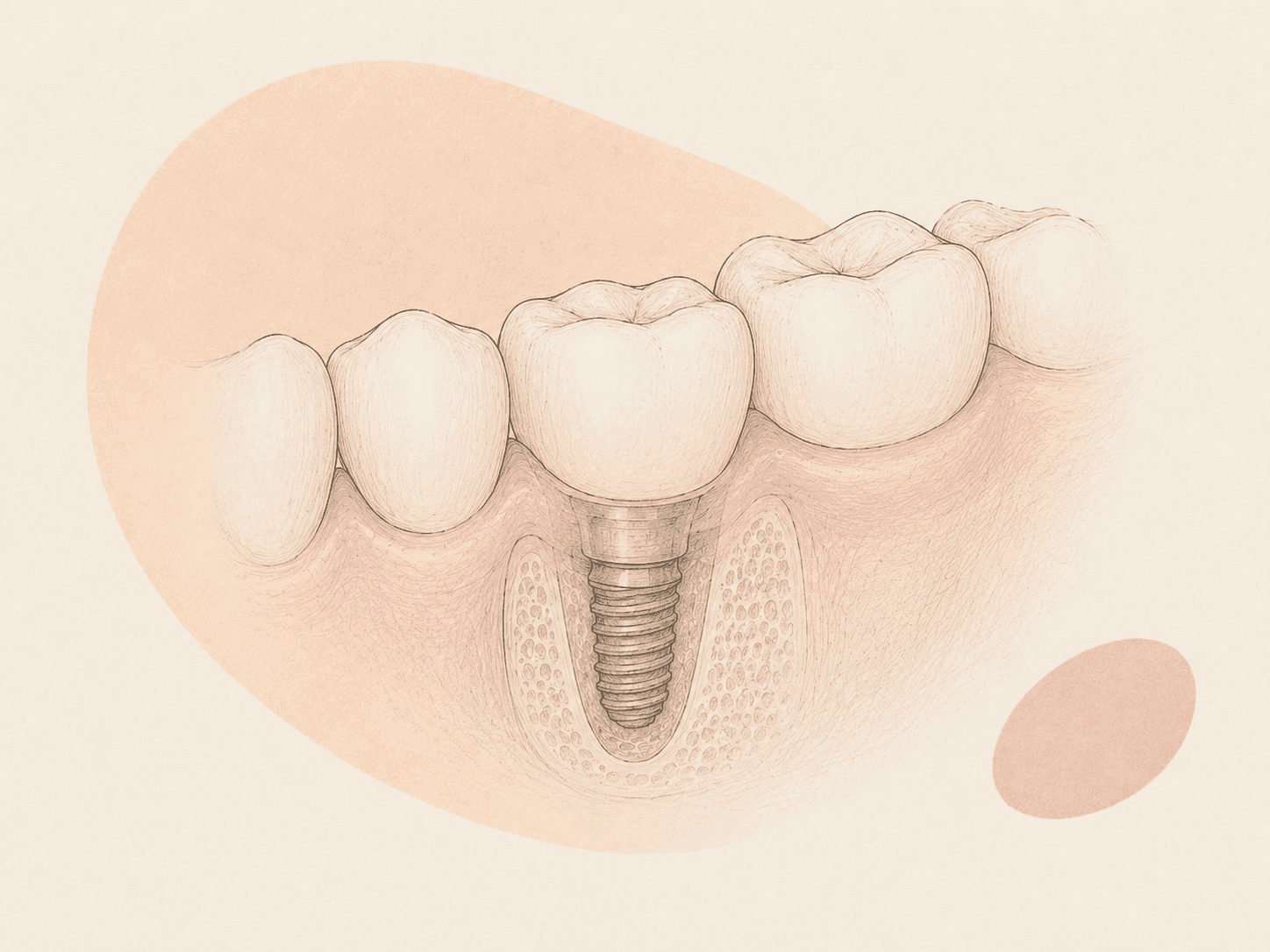
Dental implant removal is the process of taking a dental implant out of the jawbone and managing the area so it can heal as safely as possible. Some cases involve straightforward implant removal, while others require cleaning infected tissue, reducing inflammation or rebuilding lost bone for future treatment planning.
- Common reasons include infection around the implant, implant mobility, implant fracture, persistent pain or an implant position that affects function or hygiene
- Removal does not guarantee that a new implant can be placed, since future options depend on healing, bone quality and specialist assessment
Goals Of Dental Implant Removal
Implant removal may help address a failing or problematic implant and create a clearer path for healing and future dental planning.
- May help control ongoing infection and inflammation
- May reduce symptoms linked to a failing implant
- Can help protect nearby bone, gums and adjacent teeth
- May support planning for a replacement tooth option after healing, depending on specialist review
When Dental Implant Removal May Be Needed
Failed implant removal may be considered when an implant is loose, painful, repeatedly infected or no longer functional. A dental clinician usually confirms the cause through examination and imaging, then explains whether removal is needed and how the site may be managed.
- International patients should allow time for evaluation and early follow ups, especially if infection control or bone grafting may be part of the plan
- Smoking, uncontrolled health conditions and poor gum health can increase complication risk and may affect the recommended approach
- Only a qualified clinician can confirm whether dental implant explantation is appropriate and whether a future implant should be considered
Dental Implant Removal Techniques And Site Management
The removal approach is selected based on how firmly the implant is integrated, the implant design and the condition of the surrounding bone and soft tissue. Your clinician should explain the expected impact on nearby tissues and whether additional site management is planned.
Counter-Torque Implant Removal
Counter-torque uses controlled reverse force to unscrew the implant when conditions allow. This approach may reduce the need to remove surrounding bone, but it is not suitable for every implant or failure pattern.
Trephine-Assisted Implant Removal
A trephine instrument may be used to cut around the implant when reverse torque is not suitable. This can be effective in more difficult cases, but it may remove more surrounding bone and influence the next treatment steps.
Flapless Implant Removal
In selected cases, removal may be possible without raising a gum flap. Suitability depends on access, visibility and safety, especially when infection or bone loss is present.
Implant Removal With Debridement
When infection or inflamed tissue is present, the clinician may remove contaminated tissue and thoroughly clean the site. This step supports safer healing, particularly when implant explantation is performed because of peri-implant infection.
Implant Removal With Bone Grafting
Bone grafting may be recommended to support ridge healing and improve future restorative options, depending on bone loss and the shape of the defect. The treating clinician decides the timing and graft type.
How Dental Implant Removal May Be Performed
The steps vary by technique and by whether the area needs cleaning or grafting. Your clinician should explain what is planned in advance and what may need to be decided during the procedure.
Assessment And Imaging
The clinician reviews symptoms, checks implant stability and evaluates bone levels with imaging such as X-rays or CBCT. This helps determine whether a simpler counter-torque method may work or whether a more involved approach is safer.
Anesthesia And Access
The area is numbed and the clinician accesses the implant. A gum flap may be raised when better visibility or thorough cleaning is needed.
Implant Removal
The implant is removed using the planned method, such as counter-torque or a trephine-assisted approach. The clinician aims to limit unnecessary trauma while prioritizing complete removal and safety.
Site Cleaning And Repair
If infection or inflamed tissue is present, debridement and irrigation may be performed. Bone grafting or membrane coverage may be added when planned or when site conditions require it.
Closure And Follow Up Plan
The site may be closed with sutures and the clinic provides guidance on oral hygiene, diet and activity. A follow up schedule is set to monitor healing, manage sutures and plan next steps.
Anesthesia And Comfort During Implant Removal
Dental implant explantation is commonly performed with local anesthetic. Sedation may be offered depending on anxiety, complexity and medical history. Some discomfort is expected after the procedure, especially when infection, bone loss or grafting is involved, but the care plan should aim to keep symptoms manageable.
Anesthesia Options
Local anesthetic is typical for implant removal. Some clinics offer sedation for longer procedures or dental anxiety after safety screening.
What You May Feel
Swelling, tenderness and mild bruising are common in the first few days. Your clinician may recommend cold compresses, a soft diet and prescribed medicines when appropriate for your case.
Preparing For Dental Implant Removal Abroad
Preparation for dental implant removal abroad includes sharing accurate records, allowing enough time in the destination and having a clear aftercare and follow up pathway after you return home.
Before You Travel
- Share implant details if available, such as brand, placement date and previous records
- Provide recent imaging, symptom history and a list of medications and allergies
- Plan time for evaluation and early follow ups, especially if debridement or bone grafting is likely
Before Procedure Day
- Follow clinic instructions for eating and drinking if sedation is planned
- Discuss smoking and nicotine use because they can affect healing
- Arrange a comfortable recovery plan with soft foods and reduced activity during the early period
Typical Travel Timeline For Implant Removal
International patient timelines vary based on whether implant explantation includes debridement or bone grafting and whether infection control needs monitoring. Your clinician should confirm the safest plan for follow ups and travel clearance.
Day 1
Consultation, imaging review and treatment planning. The team confirms whether dental implant removal is needed and discusses site management and replacement options.
Day 2
Implant removal for many cases, followed by recovery guidance and a short check to confirm bleeding control and pain management.
Days 3 To 7
A follow up visit may review healing and manage sutures if present. If the procedure involved infection management or grafting, additional monitoring may be recommended.
Days 7 To 14
Further review may be scheduled, particularly after trephine-assisted removal, debridement or bone grafting. The clinic confirms the home aftercare plan and how to report concerns.
Travel Clearance
Many patients can fly after several days when swelling and bleeding risk are controlled, but clearance should be based on the individual procedure and healing status confirmed by the clinician.
Dental Implant Removal Recovery And Follow-Up
Recovery depends on the extent of tissue management and whether bone grafting was performed. Soft tissue comfort often improves earlier, while bone remodeling takes longer.
First 72 Hours
Swelling and tenderness are usually most noticeable. Following diet and hygiene guidance helps protect the site.
Week 1 To 2
The gums continue to heal and any sutures may be reviewed or removed depending on clinic protocol. Many patients resume light routine activities based on clinician guidance.
Weeks 3 To 6
Soft tissue strength improves. If the site was infected or required more extensive cleaning, healing may be slower and follow up may be more frequent.
Months 2 To 6
If bone grafting was performed, the clinician may recommend a healing period before considering a new implant or another restoration. Timing is confirmed with clinical review and imaging.
Aftercare At Home After Implant Removal
After returning home, aftercare focuses on monitoring for infection, maintaining gentle oral hygiene and staying in contact with the treating clinic. Clear follow up can reduce the risk of missed complications, especially for international patients.
First Two Weeks
- Follow the clinic’s instructions for rinsing and gentle brushing
- Use a soft diet and avoid chewing directly on the treated area
- Avoid smoking and nicotine where possible
- Attend scheduled reviews or share requested photos for remote checks
Ongoing Follow Up
- Coordinate any recommended imaging with a local dentist if requested
- Report new swelling, discharge, fever or worsening pain promptly
- Discuss replacement options only after the site is clinically stable and reviewed
Risks And Complications Of Dental Implant Removal
Dental implant removal has risks that depend on implant position, bone loss, infection and the removal method. Your clinician should explain the risks in your case and how they may be managed.
More Common Risks
- Swelling, bruising and short term pain
- Bleeding or prolonged tenderness
- Infection or delayed healing
- Gum recession or changes in soft tissue contours
Less Common Risks
- Damage to surrounding bone requiring grafting
- Nerve irritation or numbness depending on the site
- Sinus related issues for upper jaw sites
- Jaw fracture risk in rare complex situations, typically linked to severe bone loss
When To Get Help
Seek urgent clinical advice for worsening swelling, fever, persistent bleeding, increasing pain, drainage or a bad taste that does not improve. International patients should contact the treating clinic promptly and use local urgent care if needed.
Planning Dental Implant Removal In Turkey Or Iran
International patients may consider Turkey and Iran for implant removal because both destinations have dental and oral surgery services, access to modern imaging and clinicians who manage complex implant cases. Safety depends on careful provider selection, clear documentation and a structured follow up plan.
Turkey
Many clinics in Turkey can coordinate assessment with CBCT imaging, implant complication management and onsite follow ups. Case volume may support experienced teams, but standards vary, so it is important to verify clinician credentials, infection control practices and aftercare coordination.
Iran
Iran has established dental education and specialist services in major cities, with providers who may be experienced in implant explantation and site rehabilitation. As with any destination, clear clinical records, material traceability and follow up support after travel can help reduce avoidable risk.
Hear From Patients
Patient Reviews
Questions About Dental Implant Removal
Need More Help?
Have questions or need support planning your next step? Cura can help you understand the process and prepare for clinic conversations.