Impacted Tooth Exposure Explained
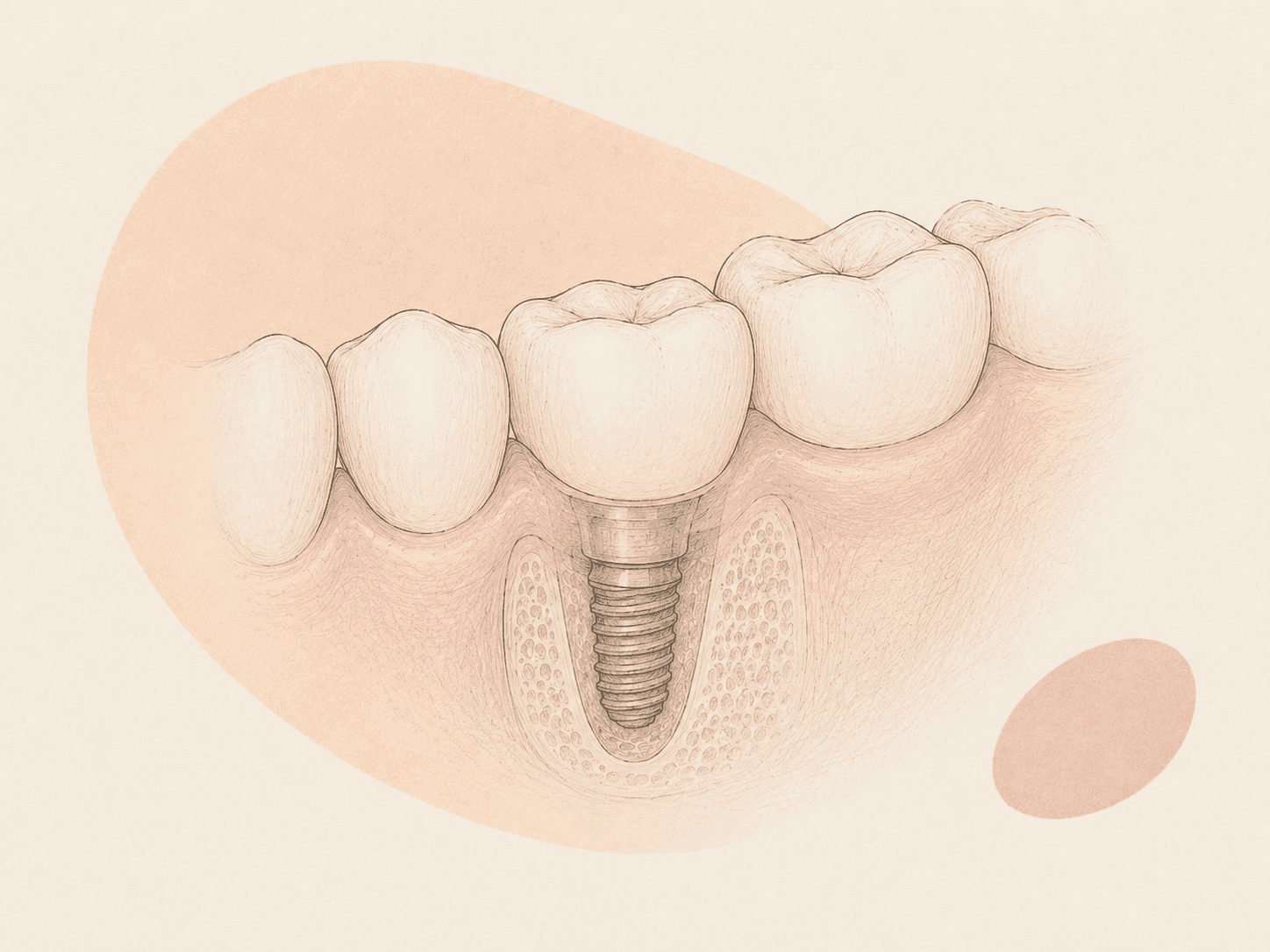
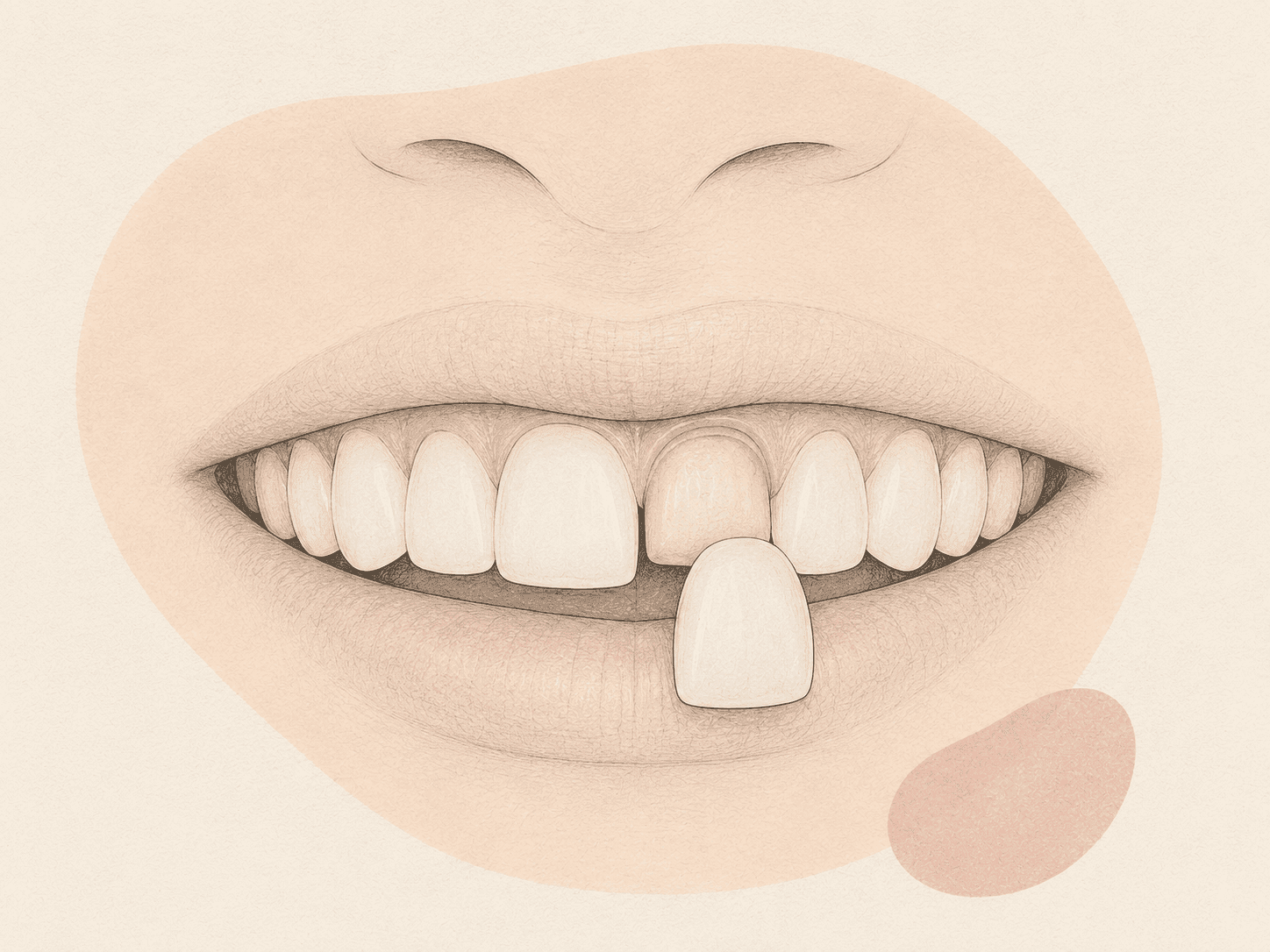
Surgical exposure of an impacted tooth involves lifting a small area of gum tissue and, when needed, removing a thin layer of overlying bone to uncover the tooth. If orthodontic movement is part of the plan, the surgeon may place a small attachment on the tooth during the same visit so an orthodontist can apply controlled traction later.
Long term success depends on the tooth position, available space and orthodontic planning. For this reason, impacted tooth exposure is usually coordinated between an oral surgeon or periodontist and an orthodontist.
Goals Of Impacted Tooth Exposure
International patients may consider impacted tooth exposure or exposure of an impacted canine when the aim is to support an orthodontic plan and preserve a natural tooth when this is clinically appropriate.
- Makes an unerupted tooth accessible for eruption or orthodontic guidance
- May help avoid removal of the impacted tooth when a safe path into the dental arch is possible
- Supports bite function and alignment goals when combined with orthodontic treatment
- Helps clarify follow-up planning by confirming tooth access and position during surgery
Who May Need Impacted Tooth Exposure
Suitability for surgical exposure of an impacted tooth depends on the tooth position, available space in the dental arch and the overall orthodontic plan. A dental specialist can confirm whether exposure is appropriate or whether monitoring, extraction or another approach may be safer.
- People with an impacted tooth that may be brought into place or helped to erupt
- Patients who can continue orthodontic follow-up after returning home
- Individuals with realistic expectations about timing, since traction and alignment can take months
- International patients who can remain abroad long enough for early checks and travel clearance
Eligibility can only be confirmed after a qualified dental specialist reviews imaging and examines the mouth and bite.
Techniques For Impacted Tooth Exposure
The technique is selected according to tooth depth, gum tissue, the orthodontic plan and the appearance of the gum line. Your surgical team should explain why a specific approach is being recommended for your case.
Open Exposure Technique
With open exposure, the tooth is uncovered and a small tissue window is left open so the tooth can be accessed during orthodontic treatment. This approach may be used when the tooth position allows reliable access without harming gum health.
Closed Eruption Technique
With closed eruption, the tooth is uncovered, an attachment may be bonded and the gum is repositioned over the tooth. Orthodontic traction is then applied through the gum as the tooth moves. This option is often discussed when preserving gum contour is important.
Exposure And Bonding For Orthodontic Traction
This means placing an orthodontic attachment during the exposure procedure. A chain or thread may be connected so the orthodontist can apply gentle traction later. The timing and force are managed by the orthodontist, not during surgery.
Laser-Assisted Exposure
Laser tools may be used in selected cases to manage soft tissue exposure. Suitability depends on tooth depth and surrounding anatomy, and laser use does not replace careful imaging based planning.
How Impacted Tooth Exposure May Be Performed
The details vary by technique, but impacted tooth exposure usually follows a structured clinical sequence.
Assessment And Planning
The team reviews your dental history and imaging, confirms the surgical approach and aligns the plan with orthodontic treatment. Photos, scans and bite evaluation may help plan safe access while protecting nearby teeth and gum tissue.
Surgical Exposure
Local anesthetic is used to numb the area. The surgeon lifts the gum tissue and may remove a small amount of bone to uncover the crown of the impacted tooth while protecting surrounding structures.
Attachment Placement
If orthodontic traction is planned, an attachment may be bonded to the tooth. Depending on whether an open or closed approach is chosen, the gum tissue is either left partly open or repositioned and sutured.
Immediate Aftercare
You are monitored briefly, then discharged with written aftercare guidance and a follow-up plan. Early checks focus on bleeding control, comfort, wound healing and the stability of any attachment.
Anesthesia And Comfort During Impacted Tooth Exposure
Most impacted tooth exposure procedures are performed under local anesthesia. Sedation options may be available depending on complexity, anxiety levels and your medical history.
Anesthesia Options
- Local anesthesia: numbs the surgical area while you remain awake
- Conscious sedation: may be offered for comfort in selected cases with appropriate monitoring
- General anesthesia: less common for simple exposure but may be considered for complex cases continue orthodontic follow or combined procedures
Typical Discomfort
Swelling, tenderness and mild bleeding are common for a short period after surgery. Discomfort is often most noticeable during the first few days and then gradually settles, although experiences vary by technique and tooth position.
Pain Control Approach
Your clinician will advise suitable pain relief options and whether antibiotics or mouth rinses are needed. Avoid changing medication on your own, especially if you travel with prescriptions or blood thinning medicines.
Preparing For Impacted Tooth Exposure Abroad
Preparation focuses on safe planning, clear records and continuity with orthodontic care after you return home.
Records To Share
- Recent dental X-rays or CBCT scans if available
- Orthodontic plan or referral notes, especially for impacted canine exposure cases
- Medication list and relevant medical history
Health And Medication Review
Tell your clinic about bleeding risks, allergies, diabetes, immune conditions and any heart conditions that may affect dental procedures. Your clinician will advise whether any medicines need special planning before surgery.
Travel Planning
- Plan a short in-country buffer for early checks and travel clearance
- Arrange a support person if sedation is used
- Bring soft food options and avoid long excursions during early recovery
Oral Hygiene And Lifestyle
Good oral hygiene can help reduce infection risk. If you smoke, discuss timing for stopping with your clinician since smoking can affect healing. Follow any fasting instructions if sedation is planned.
Typical Treatment Trip For Impacted Tooth Exposure
Timing depends on complexity and whether orthodontic bonding is planned. Many international patients schedule a short stay for assessment, the procedure and early follow-up checks.
Before Travel
Share imaging and orthodontic notes for review. The clinic confirms whether impacted tooth exposure is suitable to discuss and what follow-up may be needed after you return home.
Arrival And Consultation
You attend an in-person assessment, final imaging if needed and a consent discussion. The team confirms the approach, such as open exposure technique or closed eruption technique.
Procedure Day
The surgical exposure is performed, and attachment placement may be completed if orthodontic traction is planned. You receive aftercare instructions and a pathway for urgent contact if needed.
Early Follow Up
A check within several days is common to review healing, manage sutures if present and confirm that the orthodontic attachment is stable. Your clinician advises when flying is reasonable based on your recovery.
Return Home And Ongoing Orthodontics
Orthodontic traction and alignment usually continue after you return home. Communication between your local orthodontist and the surgical team helps keep the plan consistent.
Recovery And Orthodontic Follow-Up Timeline
Healing varies by technique and tooth depth. Your clinician will provide a personalised plan and may adjust timing if swelling, bleeding or attachment concerns occur.
First 48 Hours
Swelling and mild bleeding can occur. Soft foods and careful oral hygiene are commonly advised. If sedation was used, you may need additional rest and supervision.
First Week
Tenderness often improves during this period. A follow-up visit may include suture management and review of the exposure site. Some patients return to routine activities sooner, while others need more time depending on discomfort.
Weeks 2 To 6
Gum healing continues and the orthodontic plan progresses. If an attachment was bonded, the orthodontist may begin or continue gentle traction depending on healing and stability.
Months Ahead
Moving an impacted tooth into position can take months and sometimes longer, with ongoing orthodontic visits. The surgical site usually becomes less noticeable over time, but gum contour changes may occur in some cases.
Aftercare After Impacted Tooth Exposure
Aftercare focuses on protecting the surgical site, supporting gum healing and maintaining continuity with orthodontic care once you return home.
Mouth Care
Follow cleaning instructions carefully to help reduce infection risk. Your clinician may recommend a specific rinse or cleaning method around the exposure area, especially after meals.
Diet And Activity
Soft foods are commonly recommended at first. Avoid hard or sharp foods that can irritate the site. Your team will advise when it is safe to return to exercise and contact sports.
Orthodontic Coordination
If you had exposure and bonding for orthodontic traction, make sure your local orthodontist receives the surgical notes and timing guidance. Traction protocols vary and should be directed by an orthodontic specialist.
Remote Check Ins
International patients may use photos or virtual check-ins for interim support. Any concerning symptoms should be assessed in person, either locally or by the treating clinic if you are still abroad.
Risks And Possible Complications
All oral surgery has risks. Your clinician will explain which risks are most relevant based on tooth position, the chosen technique and your health history.
Common Short Term Effects
- Swelling, tenderness and bruising
- Mild bleeding or oozing from the gum
- Temporary difficulty chewing on the treated side
Less Common Risks
- Infection or delayed healing
- Gum recession or changes in gum contour
- Damage to nearby teeth or roots
- Attachment failure if bonding was placed
- The impacted tooth not responding as expected to orthodontic traction in some cases
When To Seek Urgent Review
Seek prompt clinical assessment for heavy bleeding that does not settle, fever, worsening swelling, increasing pain after initial improvement, pus or a bad taste, breathing difficulty or signs of an allergic reaction. If you are traveling, make sure you have a clear emergency access plan before the procedure.
Planning Impacted Tooth Exposure In Turkey Or Iran
International patients often choose a destination based on specialist availability, imaging access, hospital support and coordinated follow-up planning rather than speed alone. For impacted tooth exposure, coordination with orthodontic care is especially important.
Turkey
Turkey has established dental and oral surgery services in major cities, with access to modern imaging and multidisciplinary teams. Patients should compare surgeon experience, facility standards, communication quality, discharge instructions and follow-up coordination before making a decision.
Iran
Iran has long standing dental training and specialist services, including oral surgery and orthodontics in larger urban centers. International patients may consider Iran when they need careful case review, access to imaging and a plan that connects surgical exposure with ongoing orthodontic management.
Hear From Patients
Patient Reviews
Questions About Surgical Exposure of Impacted Tooth
Need More Help?
Have questions or need support planning your next step? Cura can help you understand the process and prepare for clinic conversations.