How Lip Repositioning Surgery May Reduce A Gummy Smile
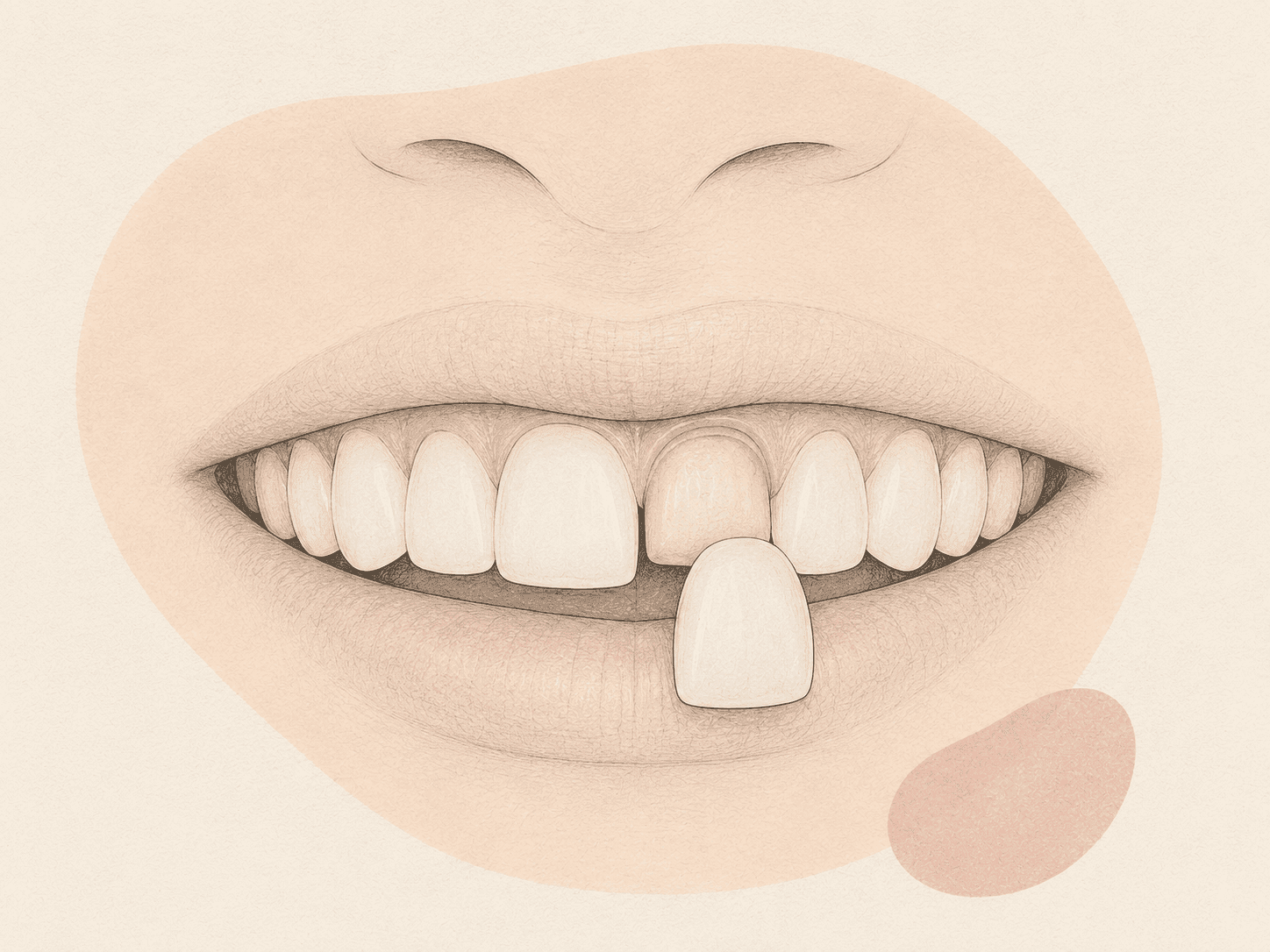
Lip Repositioning Surgery is designed to reduce excessive gingival display by limiting how far the upper lip rises during smiling. The procedure usually adjusts tissue inside the upper lip so the lip sits slightly lower when you smile.
- Often considered for: a gummy smile linked to a hypermobile upper lip or mild soft tissue factors
- May not correct: gum display caused mainly by tooth position, bite problems or significant jaw growth patterns
A detailed examination helps identify the main reason for the gummy smile and whether options such as orthodontics, gum reshaping or other treatments should be discussed.
Possible Goals Of Gummy Smile Correction
Gummy Smile Surgery is usually considered to improve cosmetic smile balance. Possible changes depend on anatomy, technique, healing and the underlying cause of gum display.
- May reduce how much gum shows when smiling
- Can improve smile proportions in selected cases
- Is usually performed as an outpatient procedure
- May be coordinated with broader dental planning when clinically appropriate
Who May Be Suitable For Lip Repositioning Surgery
Upper Lip Repositioning may be suitable for some people with healthy gums who show more gum than they prefer when smiling, especially when upper lip movement is a main factor. Suitability depends on gum health, lip anatomy, bite factors and realistic expectations.
- Active gum disease, untreated decay or poor oral hygiene may need care before surgery
- A severe gummy smile caused by jaw structure may need a different treatment plan
- International patients should allow time locally for early checks and have a clear follow-up plan after returning home
- A qualified clinician should confirm whether Lip Repositioning Surgery is appropriate and explain the safest available approach
Lip Repositioning Techniques And Planning Options
Technique selection depends on gum display, lip mobility, tissue thickness and the risk of relapse. Your clinician should explain likely limits, trade offs and how the result may change as tissues heal.
Conventional Lip Repositioning
Conventional Lip Repositioning usually removes a narrow strip of inner upper lip mucosa and repositions the lip to reduce upward movement during smiling. The goal is to lower gum display while keeping lip function comfortable.
Modified Lip Repositioning
Modified Lip Repositioning changes the tissue design to support stability or reduce tension in selected cases. The exact modification depends on clinician preference and patient anatomy.
Lip Repositioning With Frenectomy
In some cases, a frenectomy is combined with Gummy Smile Correction Surgery when the upper lip frenum adds tension or affects the planned repositioning. This decision is made case by case after clinical assessment.
How Lip Lowering Surgery May Be Performed
Lip Lowering Surgery is often completed in one outpatient visit. The exact steps vary by technique and whether additional soft tissue treatment is planned.
Assessment And Smile Planning
The clinician reviews gum health, tooth display, lip mobility and smile dynamics. Photos and measurements may help determine how much repositioning is reasonable and support a discussion about realistic expectations.
Anesthesia And Preparation
The treatment area is numbed and the surgical field is prepared. If combined procedures are planned, the treatment sequence is confirmed before surgery begins.
Inner Lip Tissue Repositioning
The clinician repositions the inner upper lip tissue according to the agreed technique. The aim is stable closure and reduced lip elevation while protecting nearby structures.
Closure And Follow-Up Review
Sutures are placed and lip comfort is checked. You receive aftercare instructions and a follow-up schedule, including when sutures should be reviewed or removed.
Anesthesia, Comfort And Early Symptoms
Most Lip Repositioning Surgery is performed with local anesthetic. Sedation may be available in some clinics depending on anxiety level, procedure complexity and medical history.
During Treatment
You should not feel sharp pain during the procedure, although pressure or pulling sensations can occur. Your clinician should check comfort during treatment.
After Treatment
Tightness, swelling and soreness are common during the first several days. Some people notice temporary changes in smiling, speech comfort or lip movement while swelling settles.
Preparing For Gummy Smile Surgery Abroad
Preparation for Gummy Smile Surgery includes confirming stable gum health and planning enough time abroad for early follow-up checks.
Clinical Preparation
- Complete any recommended gum treatment, dental cleaning or decay management first
- Share your medications, supplements and allergy history
- Discuss smoking and nicotine use because they can affect healing
- Ask whether other treatments may better address the cause of your gummy smile
Travel Preparation
- Plan follow-up visits before your return flight, including suture review if needed
- Arrange a recovery setup with soft foods and enough time to rest
- Have a plan for remote follow-up and local dental support after you return home
Typical Travel Timeline For Lip Repositioning
International patient timelines vary by technique and healing response. A plan that includes early monitoring can reduce the chance of travelling with issues that should be reviewed first.
Day 1
Consultation, gum health assessment and smile analysis are completed. The clinician confirms whether Lip Repositioning is appropriate and reviews risks, expectations and the follow-up schedule.
Day 2
Many cases can be treated on procedure day. Aftercare instructions are reviewed and an early check may be scheduled depending on swelling and comfort.
Days 3 To 7
Recovery monitoring and follow-up may be used to assess wound healing and manage symptoms. Some clinics prefer a check during this period before travel plans are finalized.
Days 7 To 14
Suture review or removal is commonly planned during this period depending on the technique and clinic protocol. This timing can affect how long you may need to stay locally.
Travel Clearance
Many international patients can fly once swelling is controlled and the clinician confirms stable healing. Travel clearance should be personalized, especially after combined procedures.
Lip Repositioning Recovery And Follow-Up
Healing after Upper Lip Repositioning is usually gradual. Swelling may settle earlier, while tissue maturation and stability continue over weeks to months.
First 72 Hours
Swelling and soreness are usually most noticeable. Limiting excessive lip movement and following dietary guidance can help protect the surgical site.
First Week After Surgery
Tightness often continues and bruising may be present. A follow-up check is important to confirm that the incision is healing as expected.
Weeks 2 To 4
Swelling often improves and many people feel more comfortable speaking and smiling, although the area may still feel tight. Suture management depends on clinic protocol.
Months 1 To 3
Soft tissue continues to mature. Your clinician may review stability and discuss whether any additional dental or gum treatment is appropriate.
Aftercare At Home After Lip Repositioning
Aftercare focuses on protecting the incision, keeping the mouth clean and reducing strain on the upper lip while healing progresses.
First Two Weeks
- Follow instructions for gentle cleaning and any recommended rinses
- Choose soft foods and avoid stretching the upper lip
- Avoid strenuous activity as advised by your clinician
- Attend suture reviews or share photos for remote checks if this was arranged
Ongoing Care
- Keep routine dental care and gum health appointments
- Report persistent swelling, bleeding, discharge or worsening pain
- Ask your clinician when it is safe to return to full exercise and normal facial movements
Risks And Limitations Of Lip Repositioning
Lip Repositioning is generally considered a minor surgical procedure, but it still has risks. Risk levels depend on anatomy, technique, healing response and oral hygiene.
More Common Risks
- Swelling, bruising and short term pain
- Tightness or temporary limitation in lip movement
- Scarring inside the lip, usually not visible externally
- Need to adapt bite or smile movements during healing
Less Common Risks
- Infection or delayed healing
- Asymmetry or an unnatural smile feeling
- Numbness or altered sensation, usually temporary
- Relapse over time, which may require reassessment or additional treatment
When To Get Help
Contact your treating clinic promptly if you develop fever, increasing swelling, persistent bleeding, worsening pain, discharge or difficulty opening your mouth. International patients should seek local urgent care if symptoms are severe.
Planning Gummy Smile Surgery In Turkey Or Iran
International patients may compare Turkey and Iran for Gummy Smile Surgery because both destinations have established dental and periodontic services, access to modern diagnostics and clinicians who work with cosmetic gum and smile procedures. Safety depends on provider selection, clear documentation and a structured follow-up plan.
Turkey
Many clinics in Turkey offer cosmetic dentistry pathways that may include Lip Repositioning Surgery as part of smile planning. Standards vary, so patients should review clinician credentials, infection control practices and how follow-up or complication support is organized.
Iran
Iran has established dental education and specialist services in major cities, with providers offering gummy smile assessment and soft tissue procedures. A careful plan should include clear pre-operative evaluation, realistic expectations and aftercare coordination after you return home.
Hear From Patients
Patient Reviews
Questions About Lip Repositioning
Need More Help?
Have questions or need support planning your next step? Cura can help you understand the process and prepare for clinic conversations.