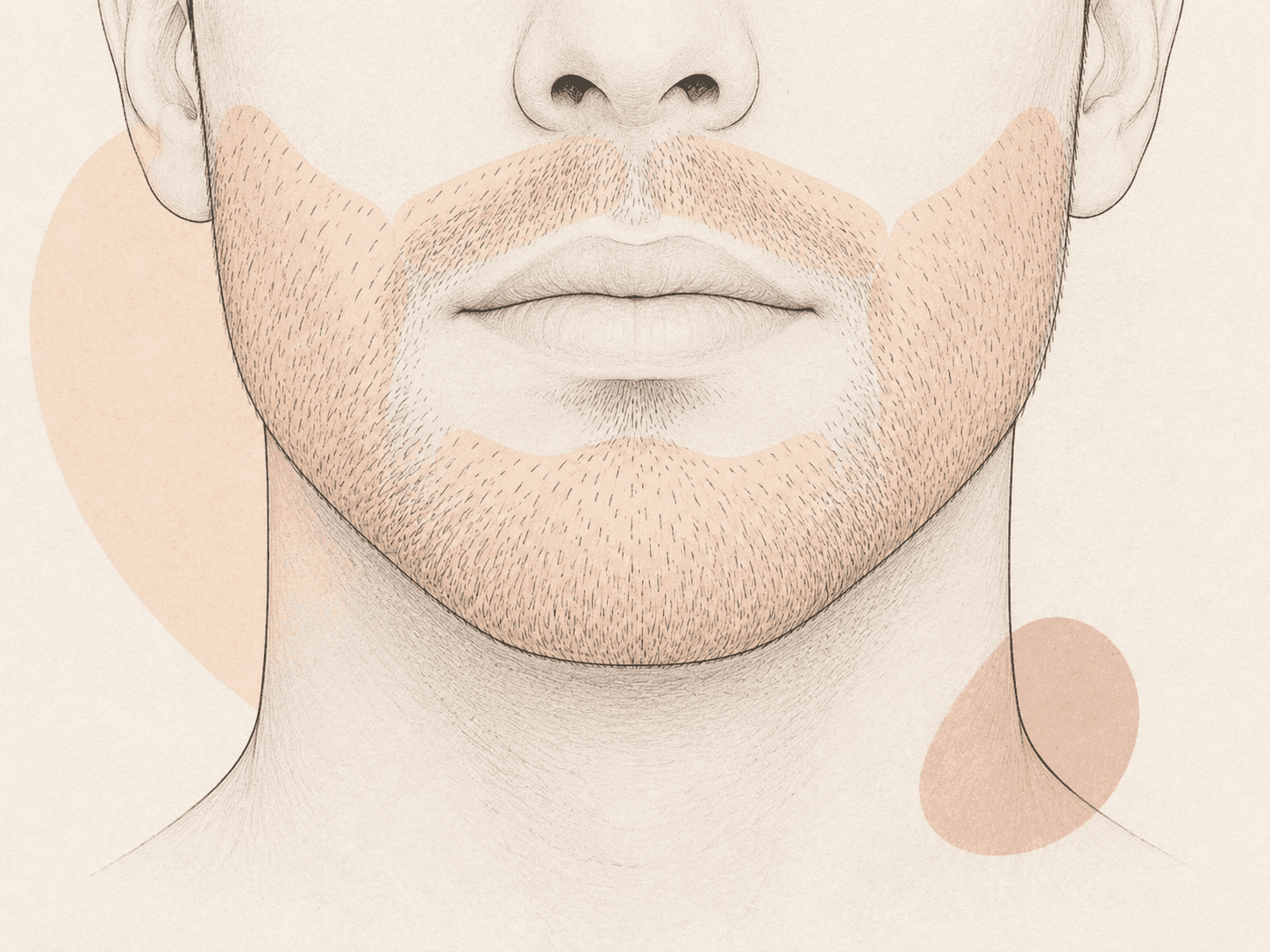
How Follicular Unit Transplantation Works
During a FUT hair transplant, the surgeon removes a narrow strip of hair-bearing skin, usually from the back or sides of the scalp. The donor incision is closed with sutures or staples, then the removed tissue is carefully divided into naturally occurring follicular units.
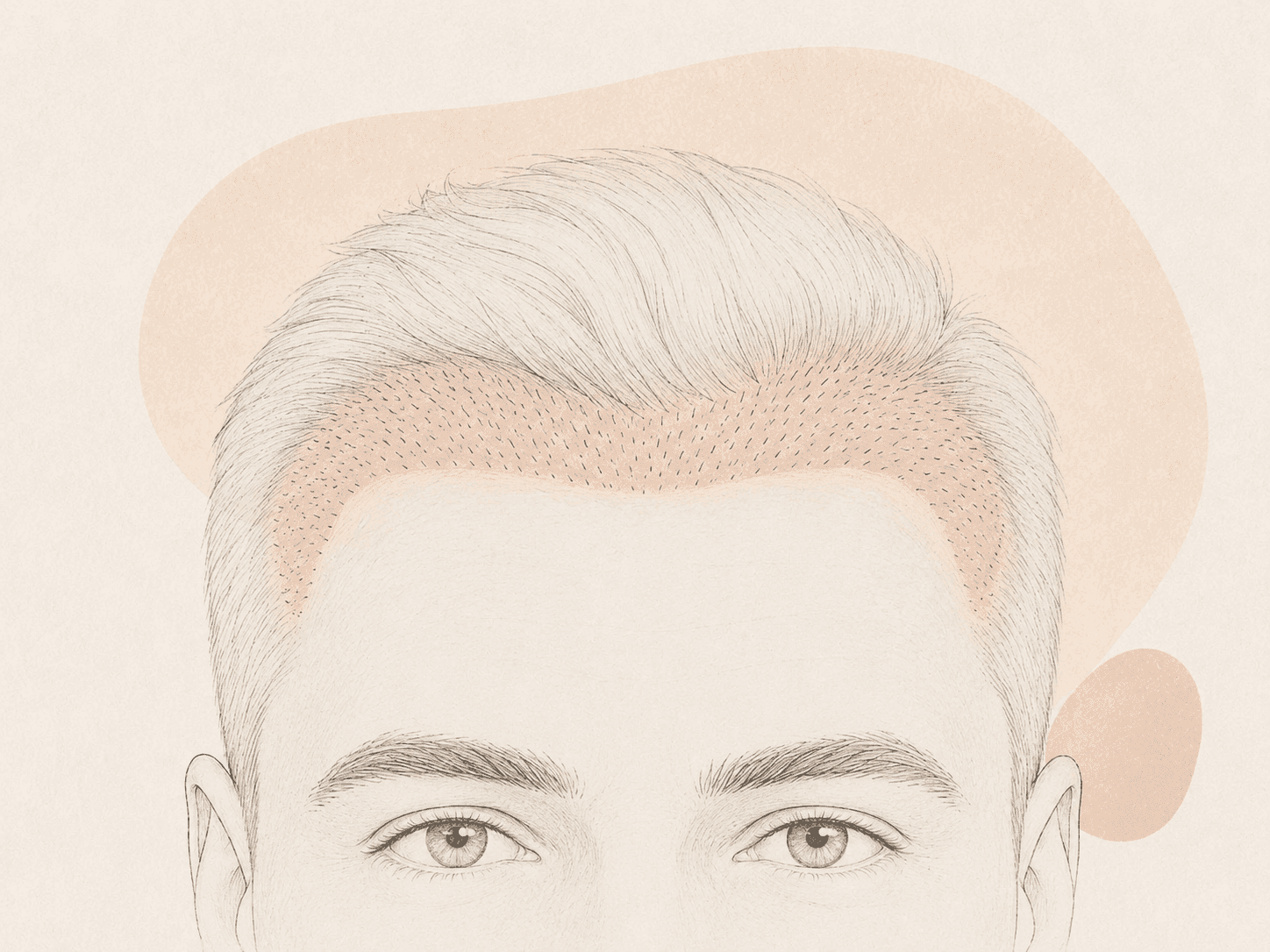
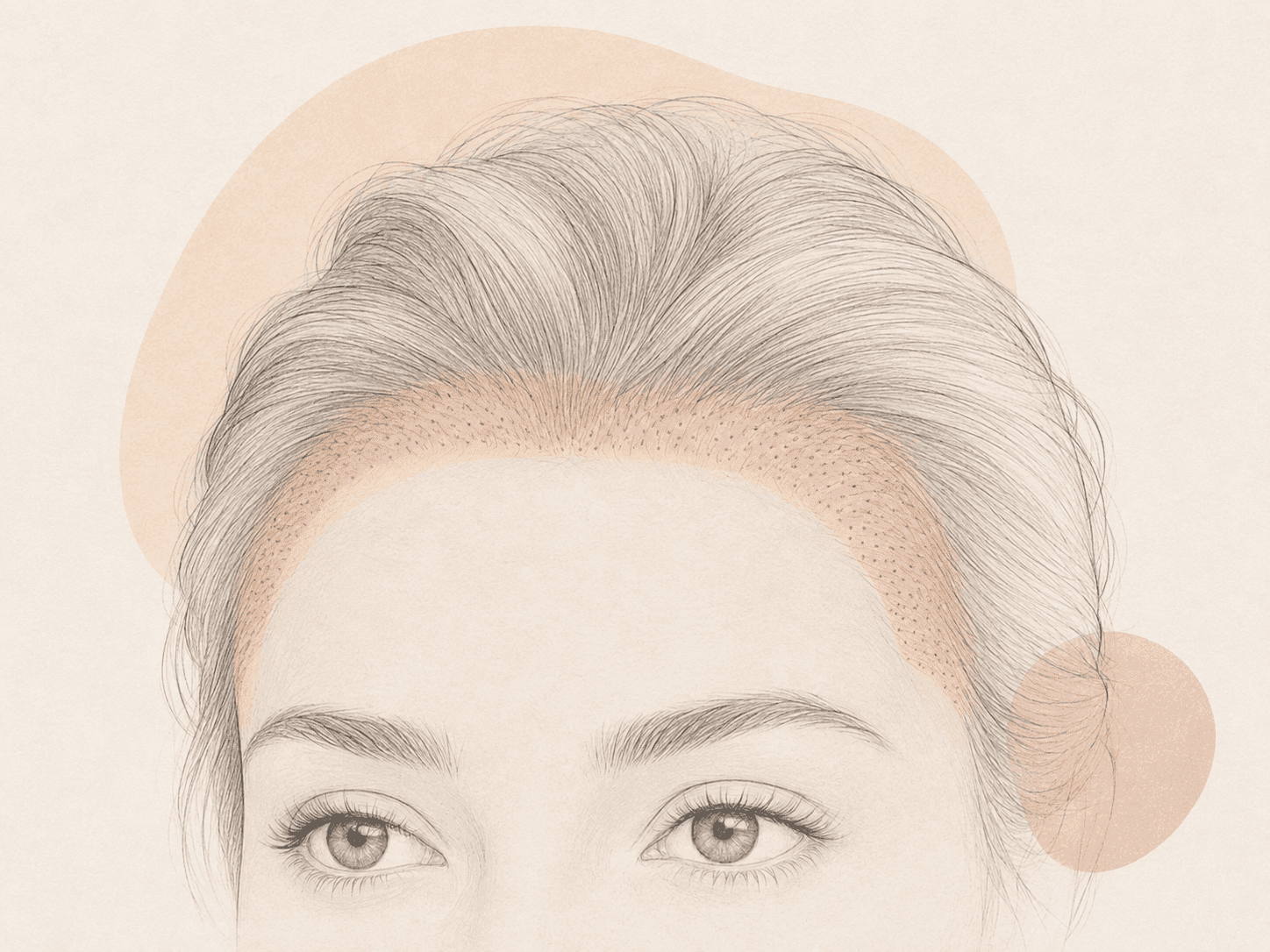
The prepared grafts are placed into small recipient sites in areas of thinning or hair loss. Surrounding donor hair may conceal the linear scar when it is kept at a suitable length, but the scar can be visible with very short hairstyles or if it heals wider than expected.
Follicular unit transplantation does not prevent continued hair loss in untreated areas. Planning should therefore consider donor capacity, likely future thinning, hairline design and the possible need to preserve grafts for later procedures.
Possible Goals and Benefits of FUT Hair Transplantation
For a suitably selected patient, follicular unit strip surgery may offer procedural features such as:
- Restoring the appearance of selected areas affected by hair loss
- Harvesting a substantial number of follicular units during one planned session
- Preserving the length of hair around the donor incision because extensive shaving is not always necessary
- Allowing grafts to be sorted by the number of hairs within each follicular unit
- Using single-hair grafts for softer hairline zones and multi-hair grafts where greater visual coverage is planned
- Concentrating donor scarring in one linear area rather than creating multiple separate punch scars
These are possible characteristics of the technique, not guaranteed advantages. The appropriate harvesting method depends on scalp flexibility, hairstyle preferences, donor quality, previous procedures and long-term hair restoration needs.
Who May Be Suitable for a FUT Hair Transplant
A FUT hair transplant may be considered for people who have a suitable diagnosis, adequate donor hair and realistic expectations about the coverage that can be achieved.
- Pattern hair loss or another condition considered appropriate for surgical hair restoration
- Healthy hair growth within the proposed donor area
- Enough scalp flexibility for strip removal and closure
- Acceptance of a permanent linear donor scar
- A hairstyle that can usually conceal the donor incision and scar
- General health compatible with elective surgery and local anesthesia
- Ability to remain abroad for early wound review and follow-up
FUT may be unsuitable or require further review when there is active scalp disease, diffuse donor thinning, limited scalp flexibility, a history of problematic scarring, unrealistic density expectations or inadequate donor reserves. Previous strip surgery may also affect donor planning and closure tension.
A qualified hair restoration specialist must examine the scalp, assess the cause of hair loss and discuss alternative harvesting methods before confirming suitability.
How a FUT Hair Transplant May Be Performed
The details of follicular unit strip surgery vary according to the treatment plan, donor anatomy and surgical team. The main stages commonly include the following.
Scalp Assessment and Hairline Design
The clinician reassesses the scalp, confirms the diagnosis and reviews donor density, scalp flexibility and previous scars. The recipient pattern and hairline are planned with future hair loss and available donor reserves in mind.
Preparing the Donor Area
A narrow section of donor hair may be trimmed while surrounding hair is kept longer when appropriate. The area is cleaned, marked and anesthetized before the planned strip is removed.
Removing the Donor Strip
The surgeon removes a measured strip of hair-bearing scalp from the planned donor zone. Its dimensions should reflect graft requirements, scalp flexibility and the tension expected during closure.
Closing the Donor Incision
The incision is closed with sutures, staples or another clinically appropriate technique. The closure should limit excessive tension, although a permanent linear scar remains and its final width cannot be guaranteed.
Dissecting the Follicular Unit Grafts
The removed tissue is divided under magnification into individual follicular units. The grafts are inspected, sorted and kept in an appropriate holding solution while recipient sites are prepared.
Creating Recipient Sites
Small recipient sites are created according to the planned angle, direction, spacing and density. Single-hair and multi-hair grafts are assigned to different zones according to the design.
Placing the Grafts
The follicular unit grafts are inserted into the recipient sites with care to limit trauma and maintain the intended direction. The donor closure and recipient area are checked before discharge instructions are provided.
Anesthesia and Comfort During FUT Surgery
Strip hair transplantation is commonly performed with local anesthesia applied to the donor and recipient areas. Sedation may be offered to selected patients when clinically appropriate and suitable monitoring is available.
Local anesthetic injections can cause brief stinging. Patients may also notice pressure, pulling or discomfort from remaining in one position during a long procedure.
The donor incision may feel tight, tender or numb during early recovery. Discomfort should usually be manageable under the treating team’s plan, but severe, increasing or unexpected pain requires medical assessment.
Preparing for FUT Hair Transplant Surgery Abroad
Preparation should begin before international travel so that medical history, donor suitability and practical recovery needs can be reviewed. A preliminary assessment using photographs is useful for planning but cannot replace an in-person scalp examination.
Medical History and Donor Review
- Provide a complete history of hair loss, scalp conditions and previous hair procedures
- Disclose prescription medicines, non-prescription products and supplements
- Report allergies, bleeding concerns, healing problems and previous abnormal scars
- Discuss smoking, nicotine use and other factors that may affect wound healing
- Provide clear photographs of the donor and recipient areas
- Do not start or stop medicines unless the prescribing clinician and surgical team approve the change
Questions About Surgical Planning
- Ask how the cause and likely progression of hair loss will be assessed
- Confirm who will design the hairline, remove the donor strip and close the incision
- Ask how follicular units will be dissected, stored and placed
- Discuss the expected scar location and the possibility of widening or raised scarring
- Request a realistic explanation of donor capacity and planned graft distribution
- Compare FUT with follicular unit excision before making a final decision
Travel and Follow-Up Planning
- Arrive early enough for an in-person consultation before surgery
- Allow time for postoperative inspection and review of the donor incision
- Confirm whether sutures or staples will be removed before or after returning home
- Arrange suitable accommodation close to the treating facility
- Avoid strenuous tourism, demanding activities and tightly scheduled onward travel
- Identify a local clinician who can examine the incision if an in-person review is needed after departure
Typical Travel Plan for FUT Hair Transplantation
The appropriate length of stay depends on the closure method, treatment size, medical history and access to postoperative care. International patients should not assume that a short treatment package automatically allows enough time for appropriate follow-up.
Arrival and In-Person Consultation
Arrival should allow time for a scalp examination, medical review, consent discussion and final donor and recipient planning. The estimated graft number may change after the specialist directly assesses scalp flexibility and donor density.
FUT Hair Transplant Procedure
The procedure may take several hours and can occupy much of the day. After discharge, the patient should return to suitable accommodation and follow instructions for positioning, wound protection and prescribed care.
Donor Incision and Graft Review
The clinical team may inspect the donor closure and recipient sites during the early recovery period. This appointment may also include a washing demonstration and review of swelling, bleeding, comfort and warning signs.
Assessment Before Travel
Travel should proceed only after the treating clinician confirms that recovery is satisfactory. The decision should consider pain, bleeding, wound condition, journey length, access to assistance and the patient’s general health.
Planning Suture or Staple Removal
Non-absorbable sutures or staples are often removed during the first or second postoperative week, although timing varies. International patients should confirm whether removal will take place abroad or with a qualified clinician after returning home.
FUT Hair Transplant Recovery and Healing Timeline
Healing, scar development and transplanted hair growth vary between patients. The following time ranges describe a general pattern, not guaranteed milestones.
First Few Days
Donor tightness, tenderness, swelling, redness and small crusts in the recipient area may occur. The incision and grafts need protection from rubbing, pressure, contamination and unapproved washing.
First Two Weeks
Crusting usually loosens gradually with the approved washing routine. Sutures or staples may be removed during this period when required. Many patients return to non-strenuous work when comfort and appearance allow.
Weeks Two to Eight
Many transplanted hair shafts shed while the follicles remain beneath the skin. Temporary shedding of nearby existing hair may also occur. Donor numbness, sensitivity or tightness may gradually improve.
Months Three to Six
Early hair growth may begin but can appear fine, uneven and incomplete. The donor scar may remain pink, firm or noticeable while it continues to mature.
Months Six to Twelve
Additional transplanted hairs may emerge, lengthen and thicken. The appearance continues to change as different follicles progress through their growth cycles.
Twelve to Eighteen Months
Further growth and hair-shaft maturation may occur, especially in slower-growing areas. The scar may also continue to change in appearance, although the linear scar remains permanent.
FUT Aftercare After Returning Home
Aftercare must address both the transplanted grafts and the closed donor incision. International patients should receive written instructions and a clear route for obtaining medical assessment after returning home.
Caring for the Donor Incision
- Keep the incision clean according to the treating team’s instructions
- Avoid scratching, rubbing or applying products that have not been approved
- Do not remove sutures, staples or dressings without clinical guidance
- Limit activities that pull on the scalp or place tension on the closure
- Attend the planned wound review and suture or staple removal appointment
Protecting the Recipient Area
- Follow the approved washing and scalp-handling routine
- Avoid picking crusts or placing pressure on the grafts
- Protect the scalp from direct sunlight and contamination
- Use only products approved by the treating team during early healing
- Resume very short haircuts, coloring and chemical treatments only after clinical clearance
Activity and Ongoing Follow-Up
- Resume exercise, swimming and strenuous activity only after clinical clearance
- Send clear progress photographs at the agreed intervals
- Keep copies of the operative report, graft record and closure details
- Arrange a local examination if the incision or recipient area cannot be assessed adequately through photographs
- Discuss ongoing management of non-transplanted hair loss with a qualified clinician
Risks and Limitations of FUT Hair Transplantation
Follicular unit transplantation is an invasive surgical procedure. Possible risks and limitations include:
- Pain, swelling, itching, redness or prolonged scalp sensitivity
- Bleeding, infection or delayed wound healing
- Temporary or persistent numbness near the donor incision
- A permanent linear scar that may become widened, raised, depressed or uneven
- Wound separation or excessive tension along the donor closure
- Temporary shedding of transplanted or nearby existing hair
- Folliculitis, small cysts or prolonged inflammation
- Reduced graft survival or limited visible growth
- Uneven density, asymmetry or an unnatural-looking hairline
- Incorrect hair angle, direction or distribution
- Continued loss of non-transplanted hair around the treated area
- Adverse reactions related to local anesthesia, sedation or other medicines
- Rare skin injury, tissue loss or significant scarring
- Need for scar revision, further transplantation or another corrective procedure
- Dissatisfaction with coverage, density or cosmetic appearance
Risk is influenced by scalp flexibility, closure tension, surgical technique, previous procedures, patient health and aftercare. Increasing pain, spreading redness, fever, discharge, wound separation, significant bleeding or concerning skin changes require prompt medical assessment.
Comparing Destinations for FUT Hair Transplantation
International patients should select a destination only after reviewing the treating clinician, surgical facility and follow-up pathway. Particular attention should be given to who performs the strip excision, donor closure, graft dissection, recipient-site creation and graft placement.
Planning FUT Hair Transplantation in Iran
International patients considering follicular unit strip surgery in Iran should look for a specialist who provides an in-person donor assessment, clearly explains the permanent linear scar and offers a defined plan for reviewing the incision. Coordination should also cover medical records, local follow-up and management of concerns after the patient returns home.
Planning FUT Hair Transplantation in Turkey
International patients considering a FUT hair transplant in Turkey should confirm that the selected provider regularly performs linear strip excision rather than assuming every hair clinic offers the technique. Before booking travel, patients should verify physician involvement, experience with donor closure, facility standards and access to follow-up.
Hear From Patients
Patient Reviews
Questions About Follicular Unit Transplantation
Need More Help?
Have questions or need support planning your next step? Cura can help you understand the process and prepare for clinic conversations.