How Eyebrow Hair Transplantation Works
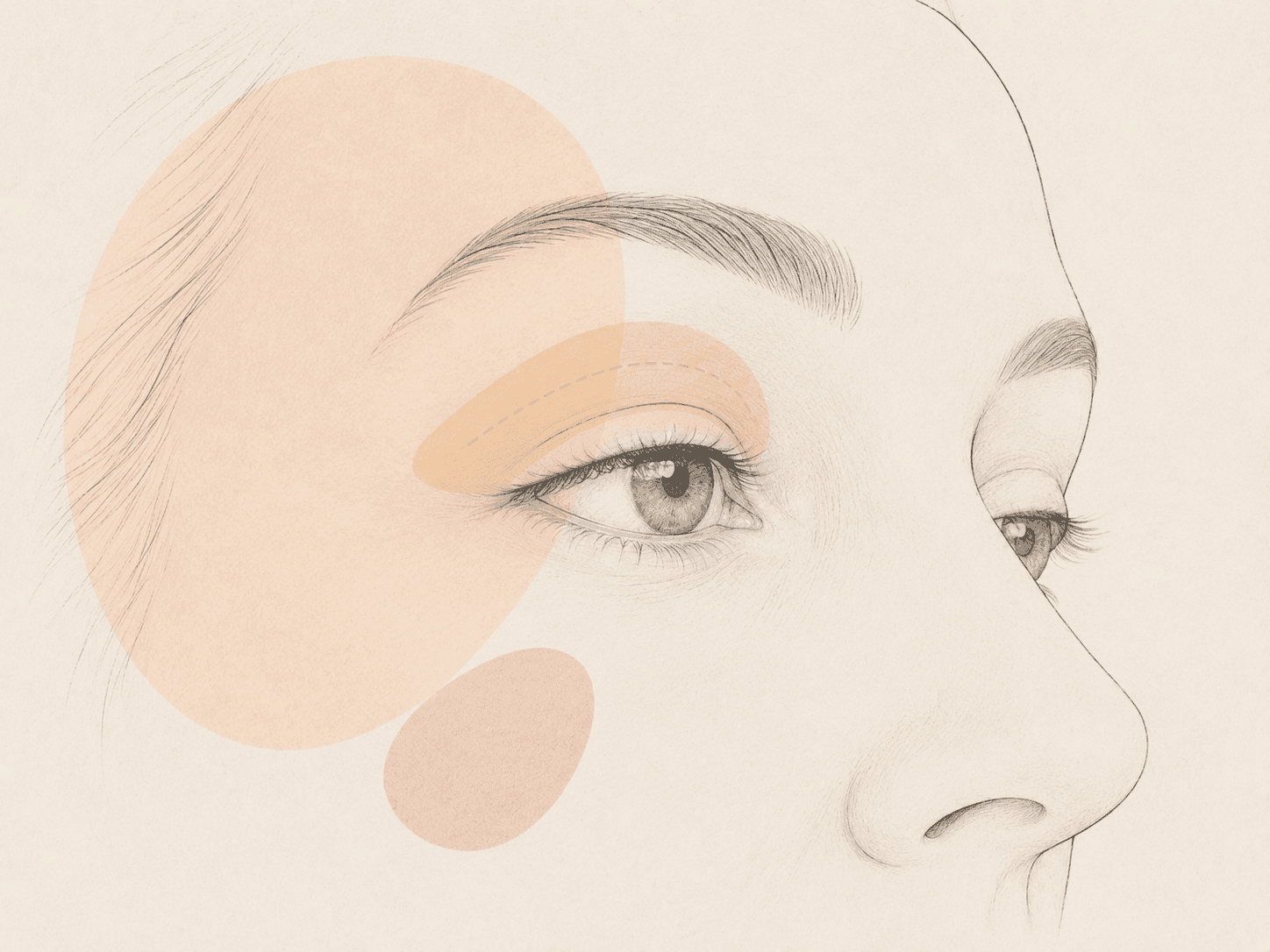
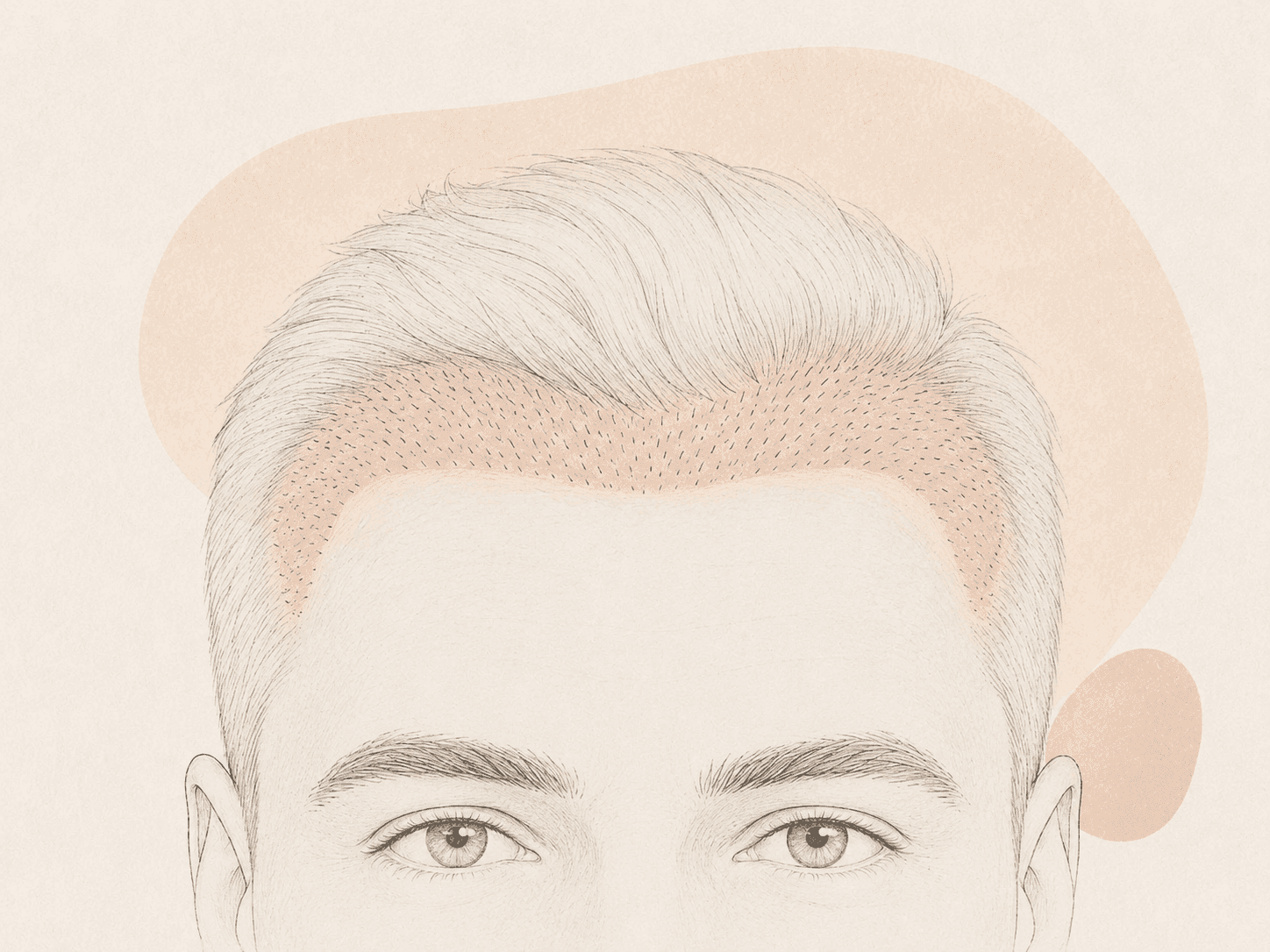
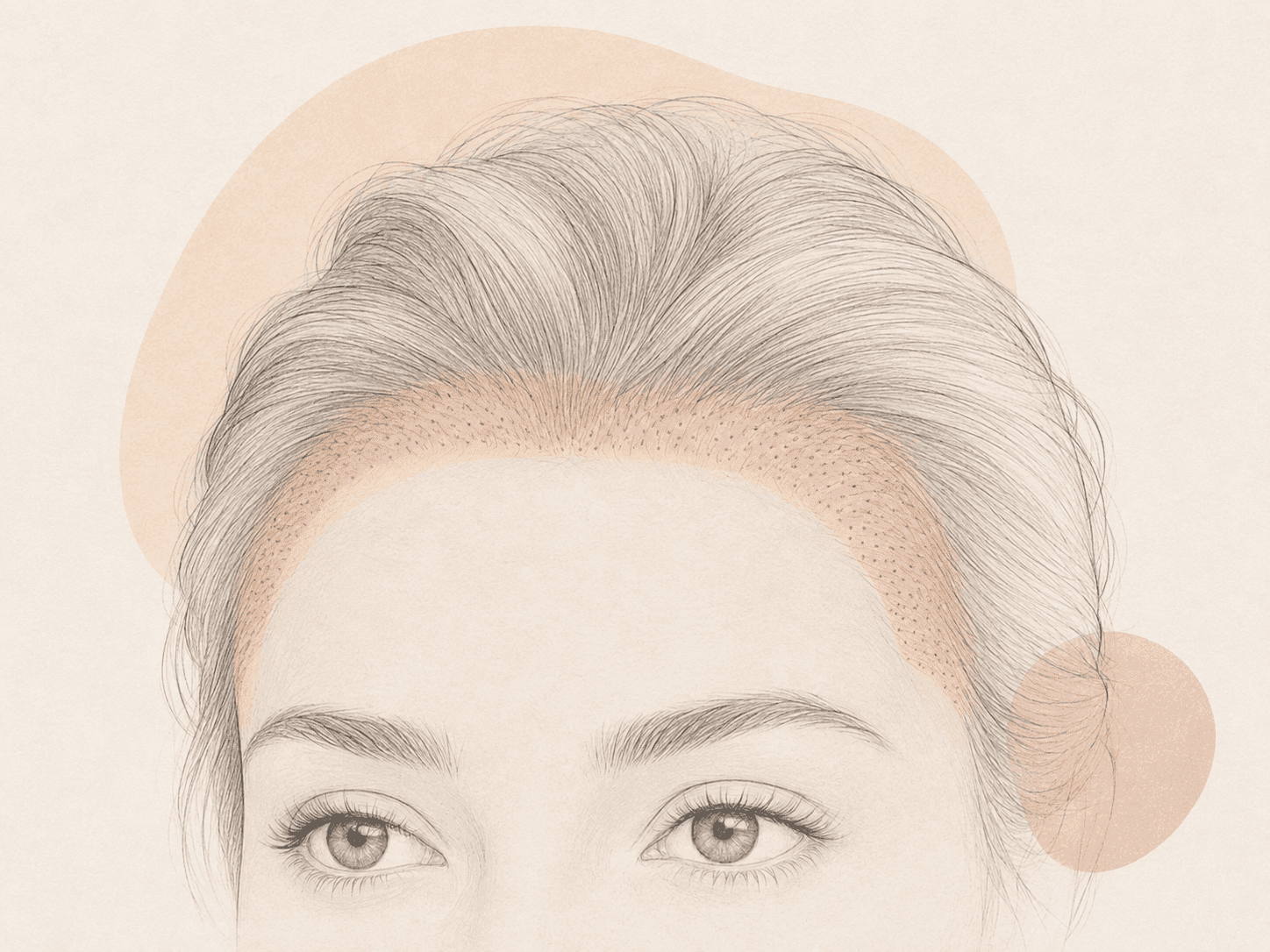
During an eyebrow transplant, individual follicular units are taken from a suitable donor area and placed into small recipient sites within the planned eyebrow shape. Treatment may reconstruct the entire eyebrow or add hair to selected areas such as the inner brow, central body, arch or tail.
Eyebrow hairs grow in changing directions and usually lie close to the skin. Recipient-site angle, direction, curl and spacing therefore require precise planning to reduce the risk of an artificial or untidy appearance.
The procedure redistributes existing follicles rather than creating new hair. The cause of eyebrow loss should be evaluated before surgery because active inflammatory, autoimmune or scarring conditions may affect suitability and graft survival.
Goals and Possible Benefits of Eyebrow Restoration
When performed for a suitable and stable condition, eyebrow hair restoration may support goals such as:
- Restoring areas of partial or complete eyebrow hair loss
- Adding visual density to naturally sparse eyebrows
- Filling selected gaps linked to previous overplucking
- Reconstructing eyebrows affected by stable trauma, burns or surgery
- Camouflaging selected mature scars when the recipient skin is suitable
- Adjusting eyebrow shape within realistic anatomical limits
The achievable appearance depends on donor-hair characteristics, recipient skin, graft survival and precise control of hair direction. Perfect symmetry, a particular density or an exact copy of another eyebrow shape cannot be guaranteed.
Who May Be Suitable for an Eyebrow Transplant
An eyebrow transplant may be suitable for some people with a stable cause of hair loss, healthy recipient skin and an adequate supply of fine donor follicles.
- Naturally sparse or incomplete eyebrow growth
- Stable hair loss associated with previous overplucking
- Mature scars caused by injury, burns or surgery
- Selected stable hair loss following an appropriate dermatology assessment
- Realistic expectations about density, symmetry and ongoing grooming
- General health compatible with elective surgery and local anesthesia
- Readiness to remain abroad for an early postoperative review
Active alopecia areata, frontal fibrosing alopecia, uncontrolled scarring alopecia, active skin inflammation or ongoing hair-pulling behaviour may make transplantation unsuitable. Rapid or unexplained eyebrow loss may need investigation for medical, hormonal, nutritional or dermatological causes before surgery is considered.
A qualified dermatologist or hair restoration specialist must examine the eyebrows, donor area and underlying cause of hair loss before confirming suitability.
Eyebrow Transplant Techniques
The harvesting method should be selected according to donor-hair quality, hairstyle preferences, graft requirements and tolerance for donor scarring. Fine single-hair grafts are generally prioritised because natural eyebrows usually contain individual hairs rather than dense multi-hair groupings.
FUE Eyebrow Transplantation
Follicular unit excision removes individual grafts with small punch instruments, usually from a carefully selected scalp donor area. It avoids a linear donor incision but creates multiple small circular scars and may require trimming part of the donor hair.
FUT Eyebrow Transplantation
Follicular unit transplantation removes a narrow strip of hair-bearing scalp, which is divided under magnification into individual follicular units. FUT can provide carefully selected single-hair grafts while allowing surrounding donor hair to remain long, but it leaves a permanent linear scalp scar.
Long-Hair FUE
Long-hair FUE preserves visible hair shafts during extraction. This can help the surgeon assess curl, direction, calibre and immediate placement during eyebrow reconstruction. The technique is demanding, may take longer and is not necessary or appropriate for every patient.
Restoration of Scar-Related Eyebrow Loss
Scar-related eyebrow restoration places grafts into selected mature and stable scar tissue. Growth may be less predictable because scar thickness, blood supply and previous tissue damage vary. A conservative or staged approach may be recommended.
How Eyebrow Hair Transplantation Is Performed
The exact workflow varies according to the donor-harvesting method, eyebrow condition and number of grafts required.
Assessment and Eyebrow Design
The clinician examines the eyebrow skin and donor area, reviews the cause of hair loss and marks the proposed design. Existing asymmetry, facial proportions and natural hair direction are considered before the patient approves the plan.
Donor Hair Selection
Fine hairs with suitable calibre, curl and growth characteristics are selected from the donor area. The choice should consider how naturally the transplanted hair may blend with any remaining eyebrow hairs.
Graft Harvesting
Follicular units are removed individually through FUE or dissected from a scalp strip during FUT. Multi-hair units may be divided when clinically appropriate so single-hair grafts can be used for precise eyebrow placement.
Graft Preparation
The harvested grafts are inspected, sorted and maintained in an appropriate holding environment. Damaged or unsuitable grafts should not automatically be included in the usable graft count.
Creating Recipient Sites
Very small recipient sites are created close to the skin surface. Hair direction normally changes across the eyebrow, so the inner region, central body, arch and tail require different angles and orientations.
Placing the Grafts
Individual follicular units are placed into the planned sites using forceps, implanter devices or a combination of methods. Curl direction and graft position are checked carefully before treatment is completed.
Final Review and Discharge Guidance
The eyebrow design, donor area and any early bleeding are reviewed before discharge. The patient receives written guidance covering cleansing, swelling, sleeping position, grooming and warning signs.
Anesthesia, Comfort and Pain Control
Eyebrow restoration surgery is commonly performed with local anesthesia applied to the donor and eyebrow areas. Sedation may be considered for selected patients when clinically appropriate and when suitable monitoring is available.
Local anesthetic injections can sting, particularly around the sensitive eyebrow region. Patients may also notice pressure or pulling during graft harvesting and placement.
Mild tenderness, swelling, itching or temporary altered sensation can occur during early healing. Severe, increasing or unexpected pain requires prompt clinical review.
Preparing for Eyebrow Transplantation Abroad
Preparation should begin before international travel so the cause of eyebrow loss, donor suitability and practical recovery needs can be reviewed. Any remote eyebrow design or graft estimate remains provisional until an in-person examination is completed.
Diagnostic Review
- Provide a clear history of when and how eyebrow thinning developed
- Report itching, redness, scaling, pain or changes in the surrounding skin
- Discuss previous overplucking, cosmetic tattooing, microblading or permanent makeup
- Share details of trauma, burns, surgery or previous eyebrow procedures
- Report scalp or body hair loss that may indicate a wider condition
- Complete any dermatology assessment, laboratory testing or biopsy recommended by a qualified clinician
Medical Preparation
- Provide a complete medical and surgical history
- Disclose prescribed medicines, non-prescription products and supplements
- Report allergies, bleeding concerns and previous healing or scarring problems
- Discuss smoking, nicotine use and other factors that may affect healing
- Do not stop or start medicines unless the prescribing clinician and treating team approve the change
- Follow only the preparation instructions provided by the responsible medical team
Eyebrow Design Planning
- Discuss the preferred shape without expecting an exact copy of another person's eyebrows
- Review facial proportions, existing asymmetry and the natural eyebrow position
- Confirm how hair direction will change from the inner brow towards the tail
- Ask which donor hairs are most likely to match natural eyebrow calibre and curl
- Discuss the expected need for trimming, shaping and long-term grooming
- Agree on a conservative design before recipient sites are created
Travel and Recovery Planning
- Arrive early enough for an in-person examination before surgery
- Allow time for treatment and at least one early postoperative review
- Confirm whether FUT sutures or staples will be removed abroad or at home
- Choose clean accommodation with practical access to the treating facility
- Avoid demanding tourism and tightly scheduled onward connections
- Identify a local clinician who can provide an in-person assessment if needed
Typical Travel Plan for Eyebrow Transplantation
The appropriate length of stay depends on the harvesting method, recipient skin, medical history and clinic protocol. International patients should not assume that every eyebrow transplant follows the same schedule.
Arrival and In-Person Consultation
Arrival should allow enough time for direct examination, medical review, photography and final eyebrow design. Surgery may need to be postponed if active disease, unsuitable scar tissue or another concern is identified.
Eyebrow Transplant Procedure
The procedure commonly takes several hours because grafts must be selected and placed individually with careful control of direction. After discharge, patients should return to suitable accommodation and avoid touching the eyebrows.
Postoperative Review
The treating team may inspect swelling, crusting, donor healing and graft position. This appointment can also include cleansing guidance and clarification of activity or grooming restrictions.
Clinical Review Before Return Travel
The clinician should confirm that early healing is satisfactory before return travel. The decision should consider swelling, bleeding, donor healing, journey length and access to assistance.
Continued Follow-Up at Home
Routine progress may be reviewed through clear photographs after the patient returns home. Suspected infection, delayed healing, wound separation or significant skin changes require an in-person examination.
Eyebrow Transplant Recovery Timeline
Healing and hair growth vary between patients. The following ranges describe a common pattern rather than guaranteed milestones.
First Few Days
Redness, tenderness, swelling and small crusts may develop around the eyebrows. Swelling can extend towards the eyelids or upper face. The grafts need protection from touching, rubbing, pressure and contamination.
First Two Weeks
Crusting usually loosens gradually with the approved cleansing routine. Redness may remain visible for longer in some skin types. FUT patients may also need a donor-incision review and removal of sutures or staples.
Weeks Two to Eight
Many transplanted hair shafts shed while the follicles remain beneath the skin. Temporary unevenness during this phase does not represent the final eyebrow pattern.
Months Three to Six
Early new growth may begin but can appear fine, sparse or uneven. Hair direction and curl become easier to assess as the transplanted shafts lengthen.
Months Six to Twelve
Additional hairs may emerge, lengthen and thicken as growth cycles progress. Regular trimming and gentle shaping may be needed because transplanted scalp hair can grow longer than natural eyebrow hair.
Months Twelve to Eighteen
Further growth and maturation may occur. Final assessment should consider density, direction, symmetry, donor healing and whether any conservative refinement may be appropriate.
Eyebrow Transplant Aftercare at Home
Aftercare should protect the visible recipient sites, support donor-area healing and maintain access to clinical review after international travel.
Caring for the Eyebrows
- Follow the written cleansing and handling instructions
- Avoid touching, rubbing, scratching or manually removing crusts
- Use only cleansers, moisturisers or topical products approved by the treating team
- Avoid makeup, permanent makeup and cosmetic eyebrow treatments during early healing
- Protect the area from direct sun, contamination and accidental pressure
Trimming and Grooming
- Delay trimming, tweezing, threading, waxing and tinting until clinically cleared
- Use small grooming scissors carefully once trimming is permitted
- Avoid chemical treatments or strong exfoliants on healing skin
- Do not try to force hairs into a different direction during early growth
- Discuss persistent curl or direction concerns with the treating specialist
Ongoing Follow-Up
- Send clear eyebrow and donor-area photographs at the agreed intervals
- Keep copies of the operative report, graft record and aftercare plan
- Arrange local medical assessment when symptoms require a physical examination
- Report persistent bumps, discharge, increasing redness or abnormal scarring
- Wait for adequate healing and growth assessment before considering additional grafting
Risks and Limitations of Eyebrow Transplantation
Eyebrow transplantation is an invasive procedure performed in a highly visible area. Possible risks and limitations include:
- Pain, swelling, itching, redness or temporary altered sensation
- Bleeding, infection, folliculitis or small cysts
- Temporary shedding of transplanted or existing eyebrow hairs
- Reduced graft survival or uneven hair growth
- Asymmetry or an eyebrow shape that does not suit facial proportions
- Incorrect hair angle, direction, curl or distribution
- Hairs that stand away from the skin or grow in conflicting directions
- Pitting, cobblestoning or irregular recipient-area texture
- Visible recipient scarring or changes in skin pigmentation
- Mismatch between scalp donor hair and natural eyebrow hair
- Ongoing need for frequent trimming and grooming
- Small circular donor scars or patchy thinning after FUE
- A permanent linear donor scar or wound problems after FUT
- Reduced or inconsistent growth within scar tissue
- Adverse reactions related to local anesthesia, sedation or other medicines
- Need for corrective treatment or dissatisfaction with the appearance
Increasing pain, spreading redness, fever, discharge, persistent bleeding, visual symptoms or concerning skin changes require prompt medical assessment. Before travelling, international patients should understand how possible complications will be reviewed and managed after they return home.
Planning an Eyebrow Transplant in Iran or Turkey
Destination choice should be based on clinician experience, medical oversight and continuity of care rather than a promised eyebrow shape or graft count. Precise eyebrow design and recipient-site creation require specific experience in facial hair restoration.
Eyebrow Transplantation in Iran
International patients considering eyebrow restoration surgery in Iran should confirm that the selected clinician has documented experience in eyebrow design, single-hair graft placement and scar-related reconstruction when relevant. Planning should also cover donor selection, early reviews and follow-up after departure.
Eyebrow Transplantation in Turkey
Turkey has a substantial hair restoration sector serving international patients, including providers offering FUE, FUT and long-hair eyebrow transplantation. Because medical involvement and eyebrow-specific experience can vary, patients should verify who performs each surgical stage and how postoperative concerns will be managed before booking.
Hear From Patients
Patient Reviews
Questions About Eyebrow Hair Transplantation
Need More Help?
Have questions or need support planning your next step? Cura can help you understand the process and prepare for clinic conversations.