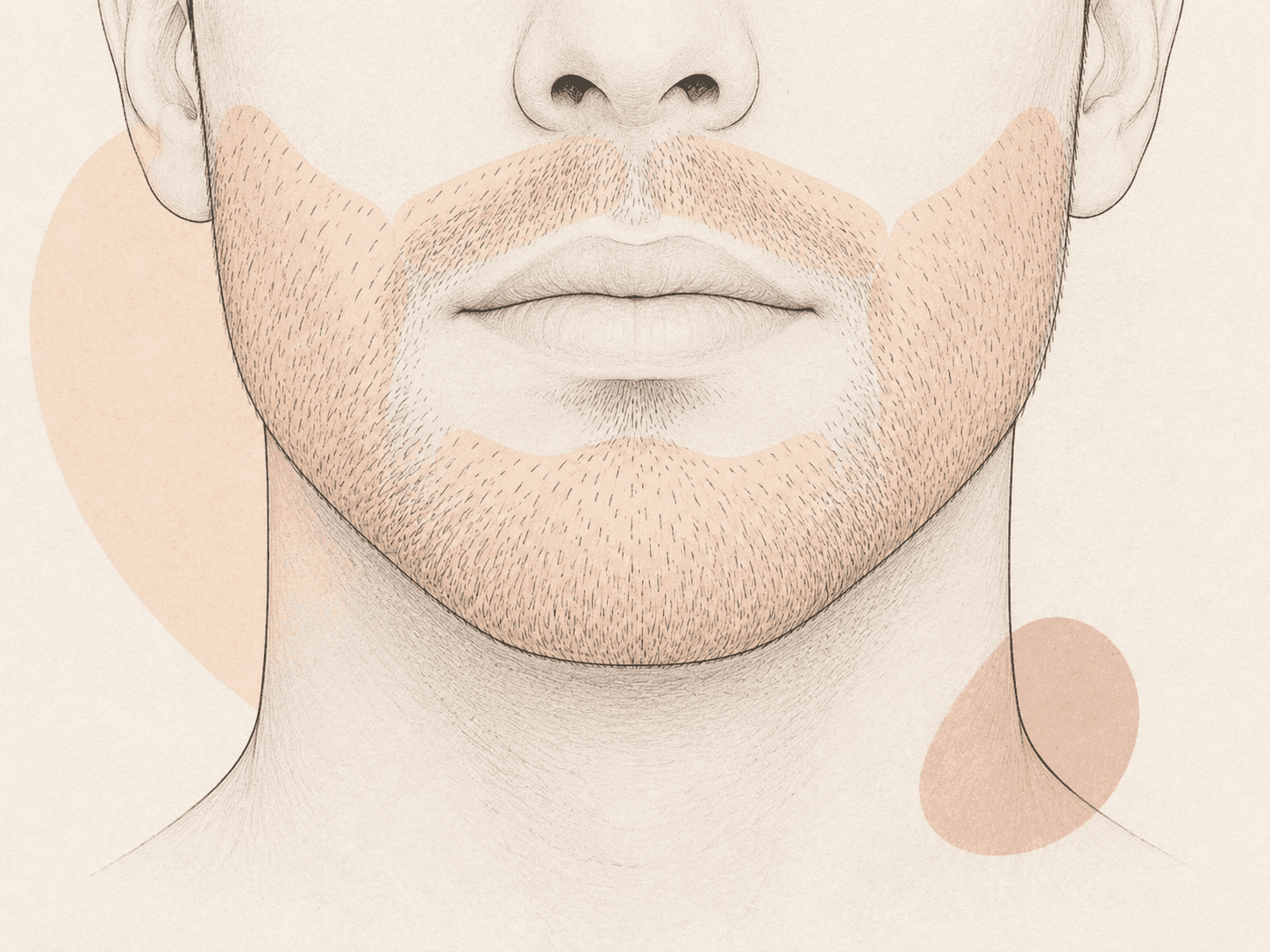
How DHI Hair Transplantation Works
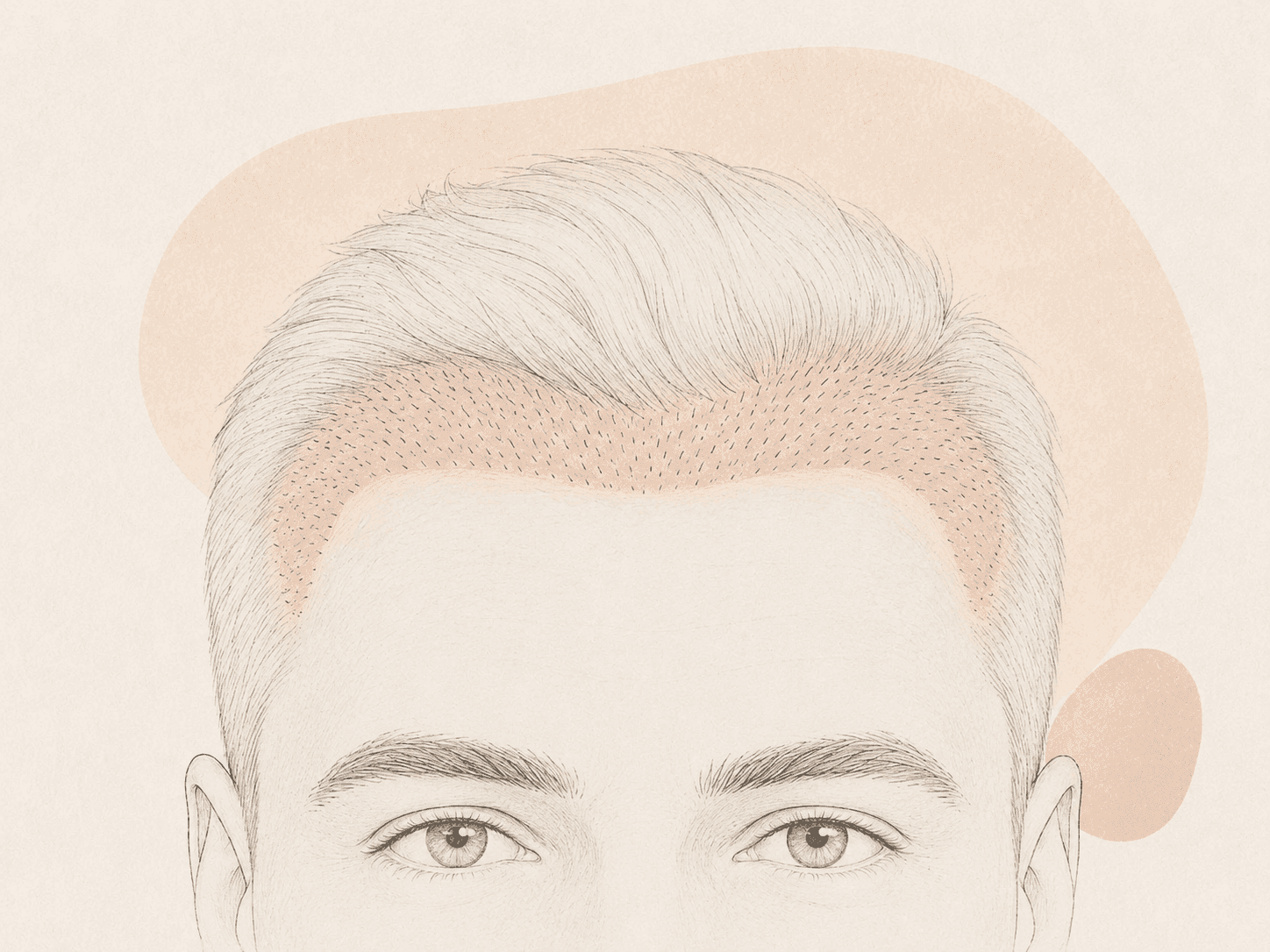
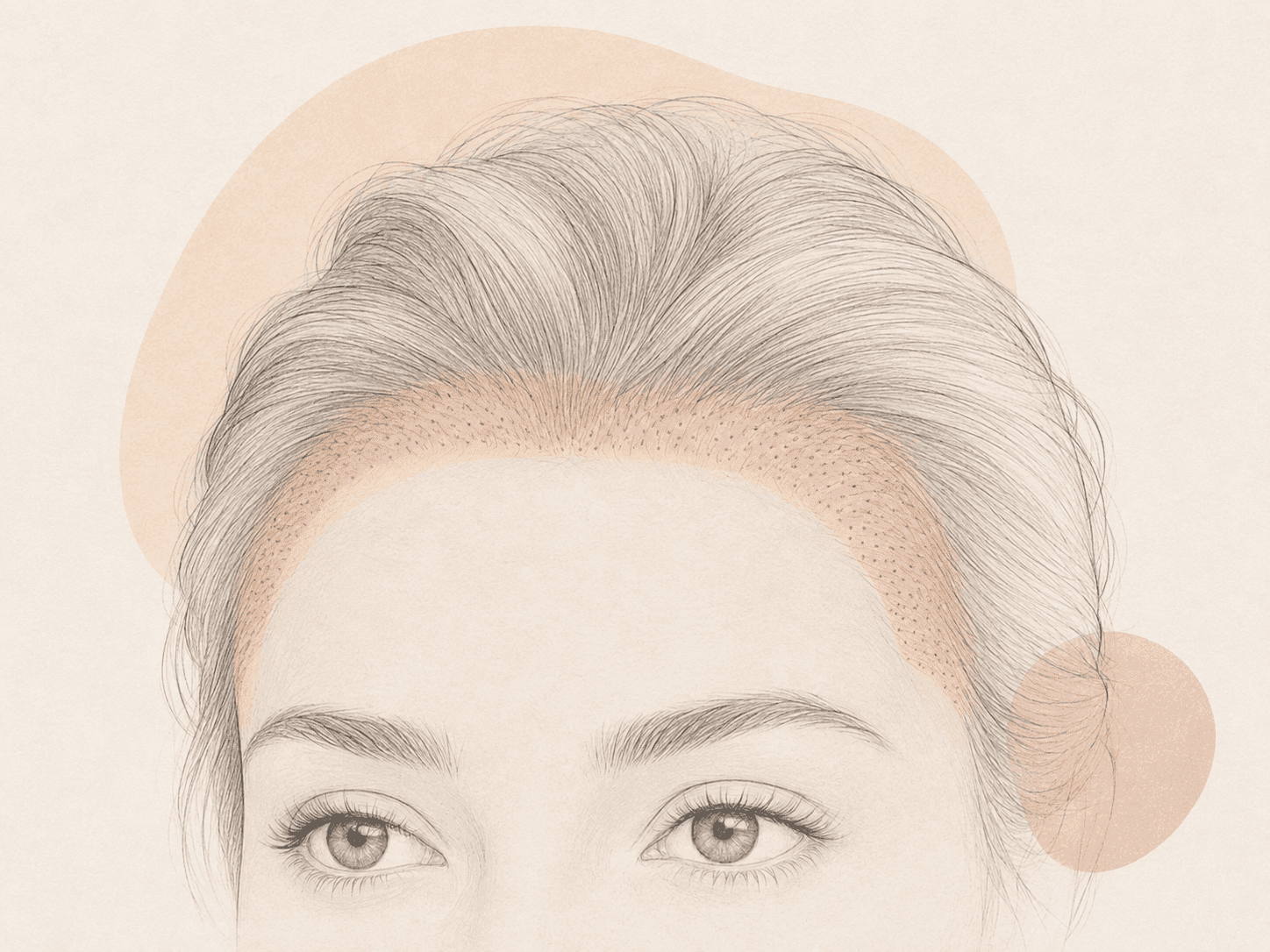
During a DHI hair transplant, follicular units are usually removed individually from the back or sides of the scalp using a follicular unit excision technique. The grafts are then loaded into pen-shaped implanter devices and placed within the planned recipient area.
Depending on the clinical workflow, the implanter may place grafts into recipient sites prepared in advance or create an opening as each graft is inserted. Direct hair implantation redistributes existing follicles and does not create new donor hair, so donor management and long-term hair-loss planning remain important.
Goals and Possible Benefits of DHI Hair Transplant
When appropriately planned and performed, implanter pen hair transplantation may support goals such as:
- Restoring the appearance of selected thinning or hairless areas
- Supporting control over the angle, direction and depth of graft placement
- Allowing graft placement between existing hairs in selected patients
- Reducing direct handling of the lower part of the graft during placement
- Avoiding the linear donor scar associated with strip harvesting when follicular unit excision is used
- Allowing full-shave, partial-shave or selected unshaven workflows when clinically suitable
No implantation device guarantees greater density, faster healing or better graft survival. Results depend on the diagnosis, donor quality, surgical planning, graft handling, team experience and aftercare.
Who May Be Suitable for DHI Hair Transplant
Direct hair implantation may be suitable for some people who have an appropriate diagnosis, sufficient donor follicles and realistic expectations about coverage and density.
- Pattern hair loss or another condition considered suitable for surgical hair restoration
- A stable or appropriately managed pattern of hair loss
- Healthy donor hair at the back, sides or another approved donor area
- A healthy scalp without uncontrolled infection or active inflammatory disease
- General health compatible with an elective procedure under local anesthesia
- Readiness to remain abroad for early assessment and follow-up
- Ability to continue remote or local follow-up after returning home
Diffuse donor thinning, active scarring alopecia, limited donor capacity, unrealistic density goals or certain medical conditions may make surgery unsuitable. A qualified specialist must examine the scalp, review the cause of hair loss and consider likely future progression before confirming suitability.
DHI Hair Transplant Shaving Options
These variants describe how much hair is clipped rather than different biological methods of transplantation. The appropriate option depends on the required graft number, donor characteristics, recipient area, hair length and the surgical team's ability to work safely and accurately.
Shaven DHI
Most or all of the planned donor area is clipped short, and the recipient area may also be shaved. This provides clear visibility for donor extraction, spacing and implanter placement and is commonly considered for larger treatment areas.
Partial-Shave DHI
Selected strips or windows within the donor area are clipped while surrounding hair remains longer. This may help conceal early donor-area changes, but the available harvesting area can be more limited and the approach may not suit patients who require a high number of grafts.
Unshaven DHI
Most of the scalp remains unshaven while selected donor hairs may be individually shortened for extraction and implantation. Unshaven DHI can make the treatment less immediately visible, but it is technically demanding, often slower and not suitable for every hair type, recipient area or graft number.
How a DHI Hair Transplant May Be Performed
The workflow varies between providers because DHI is used to describe more than one implantation protocol. International patients should receive a clear explanation of the planned method and professional responsibilities before giving consent.
Scalp Assessment and Design
The clinician examines the scalp, confirms the diagnosis, evaluates donor capacity and plans the recipient distribution. Hairline shape, graft priorities and realistic coverage are reviewed before treatment begins.
Donor Area Preparation
The donor area is trimmed according to the selected shaving approach, cleaned and anesthetised. Extraction points should be distributed carefully to reduce the risk of visible donor depletion.
Follicular Unit Extraction
Individual follicular units are usually loosened with small punch instruments and removed carefully. The grafts are inspected and organised according to hair number, size and intended recipient location.
Loading the Implanter Devices
Trained team members load follicular units into suitable implanter devices while limiting pressure on vulnerable graft structures. Loading and storage protocols should protect the grafts from dehydration, crushing and unnecessary time outside the body.
Implanting the Hair Grafts
The clinician places the grafts according to the planned angle, direction, depth and distribution. Depending on the chosen protocol, the implanter may be used in recipient sites prepared in advance or to create an opening as each graft is inserted.
Final Scalp Review and Instructions
The donor and recipient areas are checked before discharge. The patient receives instructions covering washing, sleeping position, activity restrictions, medicines, expected symptoms and warning signs.
Anesthesia and Comfort During DHI Hair Transplant
DHI hair restoration surgery is commonly performed using local anesthesia in the donor and recipient areas. Selected patients may also receive sedation when clinically appropriate and when suitable monitoring is available.
Local anesthetic injections can sting, and patients may feel pressure, pulling or discomfort from remaining in one position for an extended period. Tenderness, tightness, itching, swelling and altered sensation may occur during early healing. Severe, increasing or unexpected pain requires prompt review by the treating team.
Preparing for DHI Hair Transplant Abroad
Preparation should begin before travel and include a clinical review rather than relying only on promotional photographs or an estimated graft count.
Medical Assessment Before DHI
- Provide clear photographs of the donor and recipient areas
- Share a complete medical, surgical and hair-loss history
- Disclose prescribed medicines, non-prescription products and supplements
- Report allergies, scalp conditions, bleeding concerns and previous hair procedures
- Discuss smoking, nicotine use and other factors that may affect healing
- Do not stop or begin medicines unless the prescribing clinician and treating team approve the change
Questions to Ask the DHI Provider
- Ask who will diagnose the hair loss and approve the treatment plan
- Confirm who will design the hairline and donor extraction pattern
- Ask who will administer anesthesia, extract grafts, load implanters and perform implantation
- Clarify whether recipient sites will be prepared in advance or created during implantation
- Request a realistic explanation of donor capacity and possible future hair loss
- Confirm how complications and follow-up will be managed after departure
Travel and Recovery Preparation
- Arrive early enough for an in-person examination before the final plan is confirmed
- Allow time for at least one postoperative assessment and washing review
- Choose clean accommodation with practical access to the clinic
- Avoid demanding tourism, strenuous activity and tight onward travel immediately after treatment
- Carry written aftercare instructions, treatment records and clinic contact details
Typical DHI Hair Transplant Travel Plan
The required stay depends on the treatment area, graft number, health history, provider protocol and travel route. There is no universal itinerary or guaranteed flight date.
Arrival and In-Person Review
International patients should arrive with enough time for an in-person scalp examination, consent discussion, medical review, photography and final design. The proposed graft number or shaving approach may change after direct examination.
DHI Hair Transplant Procedure
Direct hair implantation can take several hours and may occupy most of the day. Larger treatment plans may be divided into more than one session. Patients should return to suitable accommodation after discharge and follow the clinic's positioning and scalp-protection instructions.
Postoperative Scalp Check
The clinic may assess swelling, bleeding, comfort and the appearance of the donor and recipient areas. A team member may demonstrate the first wash or provide a scheduled washing plan.
Assessment Before Return Travel
The treating clinician should confirm whether recovery is progressing as expected before return travel. The assessment should consider symptoms, journey length, access to assistance, other medical conditions and the ability to protect the scalp during transit.
DHI Hair Transplant Recovery and Growth Timeline
Recovery and hair growth vary considerably. These ranges describe a common pattern and should not be treated as guaranteed milestones.
First Few Days
Small crusts, redness, tenderness and swelling may develop. The grafts are vulnerable to rubbing, scratching, pressure, contamination and unapproved washing during this period.
First Two Weeks
Crusting generally loosens gradually with the approved washing routine. Redness and donor-area visibility may remain longer in some patients. Many people return to non-strenuous work when comfort and appearance allow.
Weeks Two to Eight
Many transplanted hair shafts shed as the follicles enter a resting phase. Temporary shedding of nearby non-transplanted hair can also occur.
Months Three to Six
Early growth may begin, although the new hairs can appear fine, uneven and incomplete. Density at this stage does not represent the final outcome.
Months Six to Twelve
Additional hairs may emerge, lengthen and thicken as growth cycles progress. Changes usually occur gradually rather than at a single point.
Twelve to Eighteen Months
Further maturation may occur, especially in slower-growing areas such as the crown. Follow-up should assess growth, donor appearance and progression of untreated hair loss.
DHI Aftercare After Returning Home
Continuity of care is particularly important after an international patient leaves the treating destination.
Protecting the Transplanted Grafts
- Follow the written washing and scalp-handling instructions
- Avoid rubbing, scratching or manually removing crusts
- Use only products approved by the treating team during early healing
- Protect the scalp from direct sun, contamination and accidental pressure
- Avoid tight or rough headwear until the clinic confirms it is suitable
Exercise, Grooming and Daily Activities
- Resume exercise, swimming and strenuous activity only after clinical clearance
- Delay hair colouring, chemical treatments, close clipping and styling products as instructed
- Avoid smoking or nicotine exposure according to the medical team's guidance
- Contact the clinic before changing any prescribed postoperative care
Planning Ongoing Follow-Up
- Send clear photographs at the agreed intervals
- Keep copies of the operative report, graft record and aftercare instructions
- Arrange local medical assessment when symptoms require physical examination
- Discuss ongoing hair-loss management with a qualified clinician
- Confirm how the overseas team will communicate with a local clinician if complications arise
Risks and Complications of DHI Hair Transplant
A DHI hair transplant is an invasive surgical procedure. Using an implanter pen does not remove the risks associated with donor harvesting, anesthesia, graft handling or recipient-site creation.
- Pain, swelling, itching, redness, crusting or temporary altered sensation
- Bleeding, infection, folliculitis or small cysts
- Temporary shedding of transplanted or nearby existing hair
- Reduced graft survival or limited hair growth
- Uneven density, asymmetry or an unnatural hairline
- Incorrect hair angle, direction, spacing or depth
- Visible circular donor scars or pigmentation changes
- Patchy donor thinning caused by concentrated or excessive harvesting
- Graft damage during extraction, loading, storage or implantation
- Pitting, cobblestoning or irregular recipient-area texture
- Adverse reactions related to local anesthesia, sedation or other medicines
- Delayed healing, prolonged inflammation or rare tissue injury
- Continued loss of non-transplanted hair around the treated area
- Need for corrective treatment or dissatisfaction with the cosmetic appearance
International patients should receive written guidance about urgent symptoms and know who will provide assessment if a complication develops after returning home. Increasing pain, spreading redness, fever, significant discharge, persistent bleeding or concerning skin changes require prompt medical review.
Planning DHI Hair Transplantation in Iran or Turkey
A destination should be selected only after reviewing clinical quality, professional responsibilities and continuity of care. Patients should verify medical licensing, facility standards, infection-control processes, physician involvement and the provider's plan for managing complications.
DHI Hair Transplant in Iran
International patients considering direct hair implantation in Iran may find hair restoration services in major medical centres and private specialist settings. Provider selection should focus on a documented medical assessment, careful donor planning, transparent surgical responsibilities and reliable communication before and after travel.
DHI Hair Transplant in Turkey
Turkey has a large hair restoration sector serving international patients, including providers that advertise shaven and unshaven DHI workflows. Because the meaning of DHI and the level of physician involvement can vary, patients should confirm who performs each surgical stage and how postoperative concerns will be managed before booking.
Hear From Patients
Patient Reviews
Questions About Direct Hair Implantation Hair Transplant
Need More Help?
Have questions or need support planning your next step? Cura can help you understand the process and prepare for clinic conversations.