Composite Veneers And Direct Bonding Explained
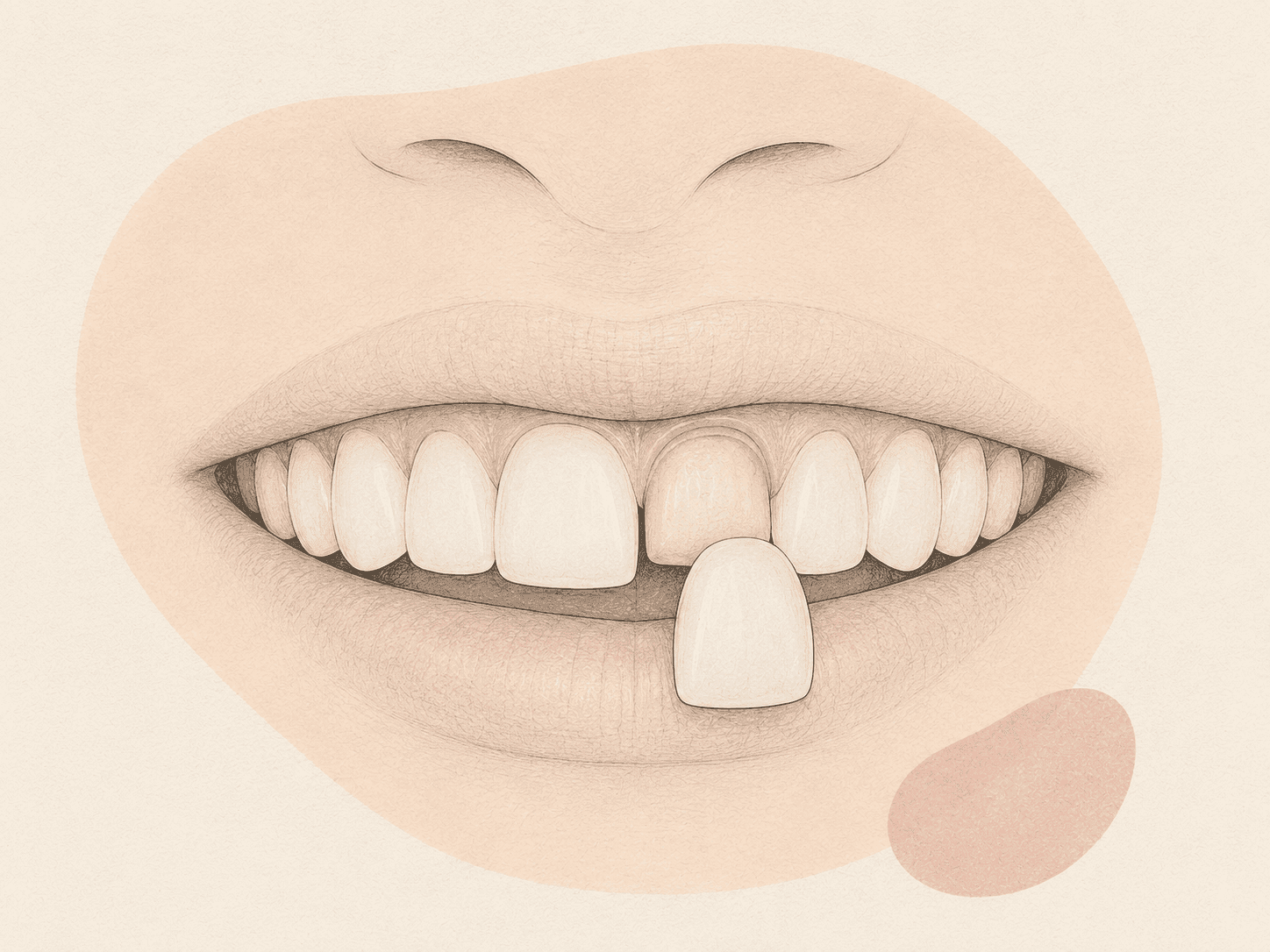
Composite Veneers are cosmetic dental restorations where tooth-colored resin is layered onto the front of the teeth and shaped to match the planned shade, length and contour. Direct Composite Veneers may be used on one tooth or several teeth as part of a Composite Smile Makeover.
- Common goals include improving tooth shape, closing small gaps, repairing chips and creating a brighter smile appearance
- Resin can stain, lose polish or wear over time, so maintenance and long-term care are important
What Composite Veneers May Improve
Composite Bonding Veneers may be considered when a patient wants a conservative cosmetic dental improvement that can often be completed in fewer visits than lab-made veneer options.
- Often completed in one or two visits because the resin is applied directly in the dental chair
- Usually involves minimal enamel reduction compared with some porcelain veneer options
- Can often be repaired, polished or adjusted more easily
- May help with focused concerns such as chipped edges or small spaces between teeth
Who May Consider Composite Veneer Bonding
Composite Veneer Bonding may suit people with healthy teeth and gums who want cosmetic changes and understand the need for routine cleaning, polishing and possible repairs over time. Suitability depends on bite forces, enamel condition and whether grinding or clenching is present.
- International patients should allow time for bite refinements and short-term checks before travel
- Active decay, untreated gum disease or significant bite problems may need care before Composite Veneers are planned
- A qualified dentist can confirm whether Direct Composite Veneers are appropriate and how many teeth may be included
Composite Veneer Techniques And Design Options
Composite Veneers may be planned as a full-surface veneer, a minimal-prep enhancement or an edge-focused repair. The suitable approach depends on tooth shape, shade goals, gum health and bite pattern.
Direct Composite Veneers
Resin is applied directly to the tooth surface, layered and shaped during the same visit. This is a common approach for Composite Bonding Veneers and allows the dentist to refine shape and symmetry in real time.
Minimal-Prep Composite Veneers
Minimal-prep Composite Veneers use little or no enamel reduction and focus on additive shaping where possible. Careful design matters because over-contouring can irritate the gums and make plaque harder to clean.
Composite Edge Bonding
Composite Edge Bonding focuses on the biting edges of the teeth to repair chips, adjust length or refine the smile line. It may be used alone or with broader Composite Veneer Bonding on selected teeth.
Composite Smile Makeover
A Composite Smile Makeover treats several teeth to improve overall smile harmony. Planning may include photos, a smile preview and staged treatment to balance appearance with bite forces.
How Composite Veneer Treatment May Be Planned
Composite Veneers are commonly completed in one or two appointments, depending on the number of teeth and the level of detail needed. Treatment planning focuses on shade matching, bonding strength, tooth shape and bite balance.
Consultation And Smile Planning
Your dentist reviews your goals, checks gum health and evaluates your bite. Photos, scans or impressions may be taken, and a preview or mock-up may help confirm the planned shape and shade before bonding.
Surface Preparation
The tooth surface is cleaned and conditioned so the resin can bond. In some cases, minor enamel shaping may be used to create a natural contour or improve material support.
Layering And Sculpting
Composite resin is applied in layers, shaped and hardened with a curing light. The dentist then refines tooth anatomy and symmetry according to the smile design.
Polishing And Bite Check
The restorations are polished and the bite is checked carefully. Small adjustments may be made to reduce stress on the Composite Veneers, especially around edge bonding areas.
Review And Adjustments
A follow-up check may be arranged to review comfort, gum response and bite stability. If refinements are needed, they can often be completed chairside.
Comfort During Composite Veneer Bonding
Many Composite Veneer Bonding appointments do not require anesthetic, especially when no drilling is planned. If enamel shaping is needed or a tooth is sensitive, local anesthetic may be used to support comfort during treatment.
During The Visit
Composite Bonding Veneers are usually comfortable for many patients. Local anesthetic may be offered if preparation is close to sensitive areas or if several teeth are treated in a longer appointment.
After The Visit
Mild sensitivity can occur, especially with cold or pressure, and often settles with routine care. If the bite feels high or discomfort continues, an adjustment visit is important.
Preparing For Composite Veneers Abroad
Preparation for Composite Veneers should focus on oral health, clear smile design decisions and enough time in the travel schedule for possible refinements.
Clinical Preparation
- Treat gum inflammation, decay or older restorations that may affect bonding
- Share medications, allergies and any history of tooth sensitivity
- Discuss grinding or clenching so your dentist can consider bite protection
Travel Planning
- Allow time for a follow-up check in case a bite adjustment is needed
- Avoid scheduling flights immediately after treatment if you have a history of sensitivity or bite issues
- Plan remote support and a local dental contact after you return home
Typical Travel Plan For Composite Veneers Abroad
International patients can often complete Direct Composite Veneers during a short stay, but time for review helps reduce the chance of returning home with a bite, comfort or polishing issue.
Day 1
Consultation, smile planning and shade selection. Smaller cases, such as Composite Edge Bonding, may start on the same day.
Day 2
Composite Veneer Bonding for multiple teeth may include layering, shaping and polishing. A bite review is completed before leaving the clinic.
Day 3 To 5
A follow-up check can review comfort and bite. If refinements are needed, they can often be completed during this window.
Travel Clearance
Many patients can fly soon after treatment if comfort is stable. A local check before travel is often recommended, especially after a Composite Smile Makeover.
Composite Veneer Adjustment And Follow-Up
Composite Veneers do not usually involve surgical recovery, but patients may need a short adjustment period for bite feel, tooth sensitivity and new tooth contours.
First 48 Hours
The teeth may feel slightly different while you adjust to the new contours. Mild sensitivity can occur and often improves with routine care.
First Week
The gums may settle around the bonded margins. If chewing feels uneven or uncomfortable, a bite adjustment is important to help reduce the risk of chipping.
Weeks 2 To 4
Comfort often becomes more stable. Long-term habits become the focus, including stain prevention and protecting the restorations from excessive forces.
Long-Term Care For Composite Veneers
Composite Veneers need ongoing care to help reduce staining, wear and chipping. After treatment abroad, it is important to have a plan for routine maintenance and possible repairs.
Daily Habits
- Brush, floss and keep regular professional cleanings
- Avoid habits that stress the edges, such as nail biting, chewing ice or opening packaging with teeth
- Limit staining exposure where possible and follow advice about periodic polishing
- Use a night guard if it is recommended for grinding or clenching
Follow-Ups After Travel
- Keep treatment notes and shade details for future repairs
- Share photos if your clinic offers remote checks
- See a local dentist if you notice roughness, chips, staining or loosening
Risks And Limits Of Composite Veneers
Composite Veneers are a common cosmetic option, but they have limits compared with natural enamel and may need maintenance over time. Understanding possible issues helps set realistic expectations before treatment.
More Common Issues
- Staining or surface dullness over time
- Chipping or edge wear, especially with grinding
- Need for bite adjustment after treatment
- Temporary sensitivity, particularly if enamel shaping was used
Less Common Risks
- Debonding that requires repair or replacement
- Gum irritation if contours trap plaque
- Decay at the margins if hygiene is poor or bonding seals fail
- Dissatisfaction with shape or shade that requires refinement
When To Seek Review
Contact a dentist promptly if you notice a crack, rough edge, looseness, swelling or pain that does not settle. Early adjustments and repairs may help prevent further damage.
Planning Composite Veneers In Turkey Or Iran
International patients may compare Turkey and Iran for Composite Veneers because both destinations offer cosmetic dentistry services, modern diagnostic tools and clinicians familiar with chairside bonding techniques. A safer plan depends on dentist credentials, material quality, communication and a clear follow-up pathway after returning home.
Turkey
Many clinics in Turkey offer digital planning, same-trip delivery and structured appointment scheduling for travel-based dental care. Standards vary, so it is important to review dentist qualifications, infection control practices and how refinements and long-term maintenance are handled.
Iran
Iran has established dental education and specialist services in major cities, with many providers experienced in Composite Veneer Bonding and aesthetic restorative work. Clear documentation, realistic treatment scope and coordinated follow-up support can help reduce avoidable risk.
Hear From Patients
Patient Reviews
Questions About Composite Veneers
Need More Help?
Have questions or need support planning your next step? Cura can help you understand the process and prepare for clinic conversations.