Dental Bone Grafting And Jawbone Augmentation Explained
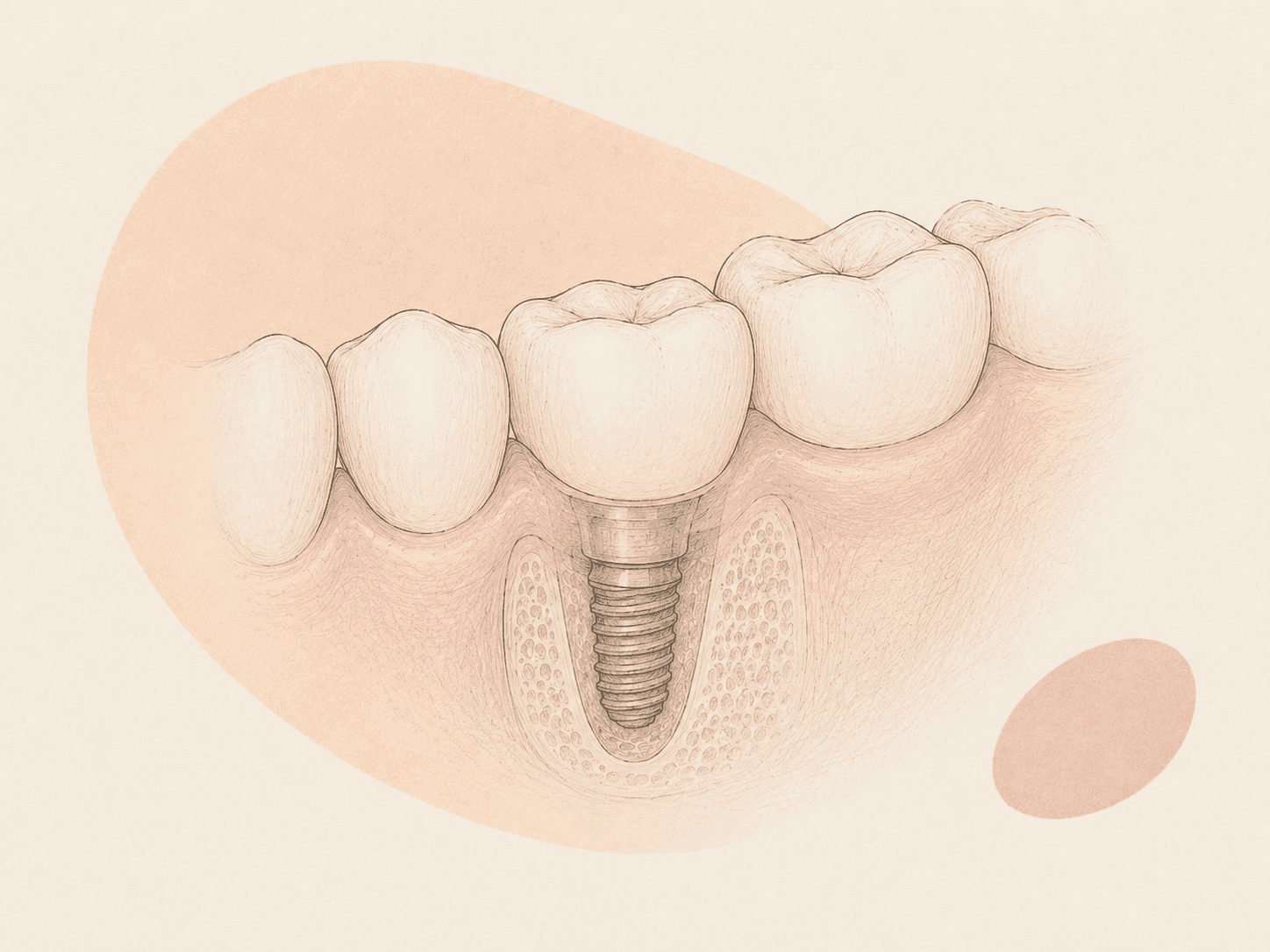
A dental bone graft places graft material, sometimes with a protective membrane, to help maintain ridge volume and support new bone formation. It may be performed at the time of extraction as socket preservation, alongside implant placement in selected cases or as a staged procedure before implants.
Your clinician usually reviews gum health, bite and jaw anatomy through an examination and imaging such as 3D scans when appropriate. The plan depends on the graft location, the amount of bone loss and whether the goal is one implant site or broader ridge augmentation.
Goals And Possible Benefits Of Dental Bone Grafting
Possible benefits depend on the size of the defect, healing capacity and implant plan. For some international patients, dental bone grafting may help:
- Create a more suitable foundation for dental implant placement in selected cases
- Reduce ridge shrinkage after tooth extraction when socket preservation is appropriate
- Improve ridge contour to support functional and aesthetic restorations
- Allow staged planning, healing and reassessment before implants or bridges
A specialist review is needed to confirm whether these goals are realistic for your specific case.
Who May Need Dental Bone Augmentation
Dental bone augmentation may be considered when there is not enough bone volume or ridge shape to support an implant or stable restoration. Suitability depends on clinical findings and imaging.
- Socket preservation may be discussed when an extraction site is likely to lose bone volume
- Bone augmentation for implants may be planned when bone height or width is not enough for safe implant placement
- Active infection, uncontrolled gum disease and poor oral hygiene usually need to be managed first
- Smoking, uncontrolled diabetes and some medications can affect healing and may change the treatment plan
- International patients should allow time for early reviews, suture care if needed and follow-up planning after returning home
Eligibility and timing can only be confirmed after a specialist review.
Dental Bone Grafting Techniques And Planning Options
Dental bone grafting includes several approaches. The right technique depends on the size of the defect, soft tissue condition and whether the graft is staged or combined with implant placement.
Socket Preservation
Socket preservation is performed after tooth extraction to help maintain ridge volume. Graft material is placed into the socket, often with a membrane, and the site is allowed to heal before implant planning or another restoration.
Guided Bone Regeneration
Guided bone regeneration uses graft material and a barrier membrane to protect the area and support bone regeneration. It may be used for localized defects and can be performed with or without implant placement depending on stability and anatomy.
Horizontal Ridge Augmentation
Horizontal ridge augmentation aims to increase ridge width. In selected cases, this may help create enough bone thickness for implant placement, usually with staged planning and careful soft tissue management.
Vertical Ridge Augmentation
Vertical ridge augmentation aims to increase ridge height. It is usually more complex than horizontal augmentation and may require longer healing and closer follow-up before implants are placed or loaded.
Block Bone Graft
A block bone graft uses a solid block of graft material secured to the jaw to rebuild larger defects. This approach is often staged, with a healing period before implant placement. Your clinician should explain the indications and monitoring needs for your case.
How Dental Bone Grafting May Be Planned And Performed
The steps vary by technique and by whether the graft is combined with extraction or implant placement. Your clinic should provide a staged plan with checkpoints for healing and the next phase of care.
Assessment And Imaging
The clinician reviews your medical and dental history, examines gum health and evaluates bite and available space. Imaging helps define the defect and plan an appropriate approach for dental bone grafting and future restorations.
Site Preparation
The site is cleaned and prepared. If extraction is part of the plan, the socket is managed to reduce infection risk and support healing.
Graft Placement
Graft material is placed to support the planned ridge shape. Depending on the plan, a membrane may be used and the soft tissue is closed to protect the healing area.
Follow-Ups And Next Phase
Follow-up visits monitor healing and address discomfort, wound care and hygiene. The timing for implants or final restorations is decided after clinical checks and, when needed, repeat imaging.
Anesthesia, Comfort And Early Symptoms
Anesthesia depends on graft size, location and whether other procedures are performed at the same time. Your clinician should explain comfort options and symptoms that need prompt review.
Anesthesia Options
Dental bone graft procedures are commonly performed with local anesthesia. Sedation may be offered for comfort in longer or more complex ridge augmentation cases, depending on medical assessment and facility capabilities.
Typical Discomfort
Soreness, swelling and mild bruising can occur, especially during the first few days. Your clinic may prescribe medication and provide guidance on cold compresses, diet and activity. Discomfort should be monitored, particularly if pain worsens instead of improving.
Preparing For Dental Bone Grafting Abroad
Preparation should cover both clinical safety and travel logistics. International patients benefit from early case review and a clear follow-up plan after returning home.
Share Records
Provide recent dental records, a medication list and details of medical conditions, allergies and previous dental surgery. If you have recent scans, share them for pre-review, though imaging may still be repeated on arrival.
Oral Health Readiness
Active infection and gum disease should be managed before dental bone augmentation where possible. Ask your clinic how to handle symptoms such as swelling, drainage or ongoing tooth pain before travel.
Travel And Recovery Planning
Plan enough time in the destination for early checks, possible suture review and written aftercare instructions. Arrange a recovery-friendly stay, soft food options and reliable transport for follow-up visits.
Typical Travel Itinerary For Dental Bone Grafting
Itineraries vary based on whether the plan involves socket preservation, guided bone regeneration or a larger ridge augmentation. Your clinic should confirm a schedule that allows early monitoring before you fly home.
Day 0 To 1: Arrival And Planning
Consultation and imaging confirm the dental bone graft plan, timing and aftercare. The clinic reviews your medical history, explains the technique and provides instructions for the procedure day.
Day 1 To 3: Procedure And Early Review
The graft is performed and early healing is monitored. You receive guidance on hygiene, diet and activity, plus instructions on how to contact the clinic if symptoms change.
Day 4 To 7: Follow-Up Visit
A follow-up visit checks the wound, swelling and comfort. Care instructions may be adjusted based on healing progress.
Day 7 To 14: Review And Travel Clearance
If sutures require review or removal, this is often scheduled during this window. The clinic provides a written summary and a plan for local follow-up and remote check-ins after you return home.
Dental Bone Graft Recovery And Healing Timeline
Healing varies by graft type, defect size and general health. Your clinician should provide expected ranges and confirm timing for implants or restorations based on follow-up assessments.
First 72 Hours
Swelling and tenderness are usually most noticeable in this early period. A soft diet, careful hygiene and rest are commonly advised. Contact your clinic if symptoms escalate or do not follow the expected pattern.
Week 1 To 2
Swelling often improves and gum tissues continue to heal. Follow-ups focus on wound stability, hygiene access and early checks for possible complications.
Weeks 3 To 8
Soft tissue healing progresses and the site often becomes more comfortable. Your clinician may advise ongoing dietary caution depending on graft type and location.
Months 3 To 9
Bone maturation is assessed over time, particularly for vertical ridge augmentation and block bone graft cases. Implant timing varies and is based on clinical checks and imaging when needed.
Aftercare And Follow-Up After Dental Bone Grafting
Aftercare supports wound protection, infection prevention and long-term planning for implants or other restorations. International patients should leave with clear written instructions and a plan for local monitoring.
Oral Hygiene
Follow the clinic instructions for brushing and rinsing around the surgical area. Avoid aggressive cleaning at the graft site until your clinician confirms it is safe.
Diet And Activity
Soft foods are commonly recommended early on. Avoid trauma to the area and follow guidance on exercise and work activities, especially after larger ridge augmentation procedures.
Documentation For Home Care
Request a treatment summary that lists the technique, materials used and follow-up recommendations. Arrange local dental reviews after you return home and use remote check-ins if the clinic offers them.
Risks And Possible Complications Of Dental Bone Grafting
Dental bone grafting is generally safe when planned appropriately, but every surgical procedure carries risks. Your clinician should explain the risks based on your anatomy, health and the specific technique used.
More Common Risks
- Swelling, bruising and temporary discomfort
- Bleeding or oozing during the first days
- Infection or delayed gum healing
- Wound opening or membrane exposure in guided bone regeneration
Less Common But Important Risks
- Graft failure or inadequate bone gain
- Need for additional grafting before implants
- Sinus-related symptoms in upper jaw cases, depending on site
- Nerve injury risk in lower jaw cases, depending on anatomy
When To Seek Help
Seek prompt clinical review for fever, increasing swelling, persistent heavy bleeding, spreading facial redness, severe pain that does not improve or sudden changes in breathing or swallowing. International patients should have a plan for urgent local care and a way to contact the treating clinic after returning home.
Planning Dental Bone Augmentation In Turkey Or Iran
International patients may consider Turkey or Iran for dental bone augmentation when implant dentistry teams, modern imaging and restorative workflows can support staged treatment planning. The priority should be clinician experience, sterilization standards, clear documentation and a follow-up plan that works across borders.
Turkey
Turkey has a well-developed implant dentistry ecosystem with access to 3D imaging, surgical services and laboratory support for implant restorations. When comparing clinics, review surgeon experience, facility standards, communication quality and how scheduled follow-ups are managed before travel clearance.
Iran
Iran has dental and surgical teams that may support careful case review, imaging-based planning and staged grafting protocols. Clear treatment summaries, remote check-ins and coordination with a local dentist can help support continuity after you return home.
Hear From Patients
Patient Reviews
Questions About Dental Bone Grafting
Need More Help?
Have questions or need support planning your next step? Cura can help you understand the process and prepare for clinic conversations.