
Medical Tourism in India: Treatments and Travel
A practical guide to planning medical travel to India, including treatment areas, hospital quality, visas, logistics, culture and realistic safety checks.
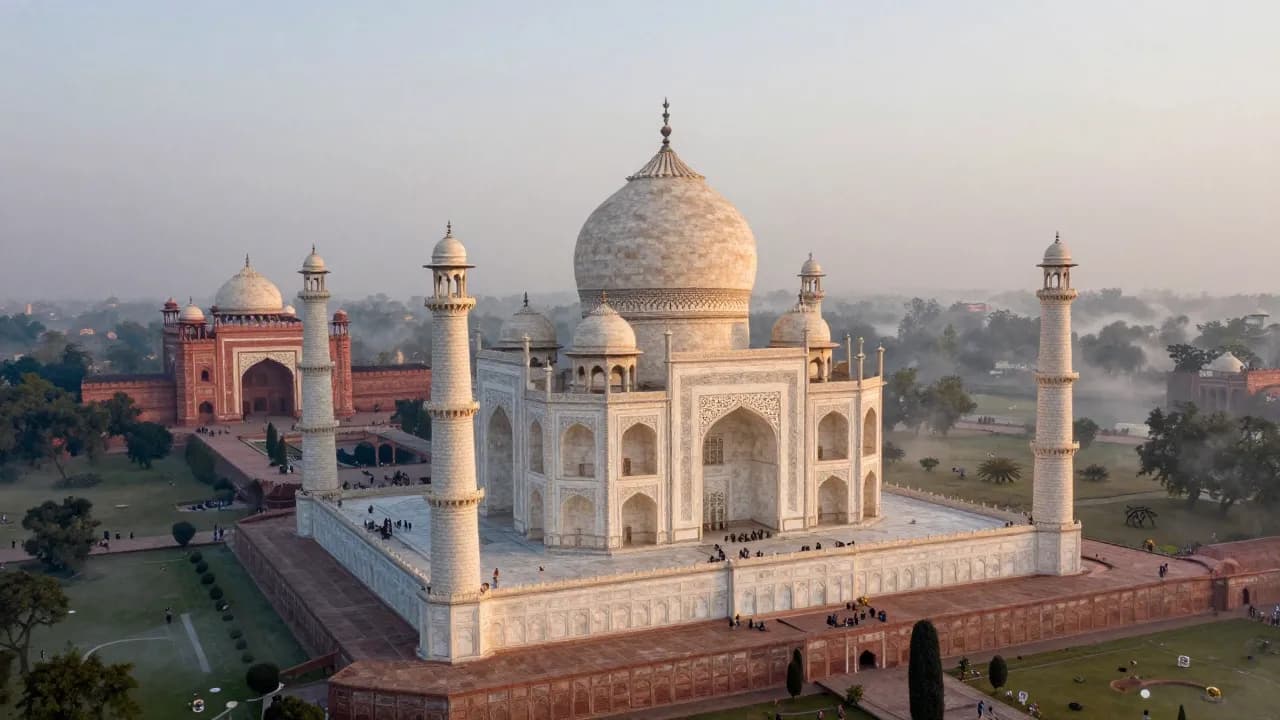
Medical tourism in India has become an important part of planned healthcare travel. Large public institutions, private hospital networks and specialty clinics support international patients in major cities. An August 2025 analysis using 2024 data from India’s Ministry of Tourism reported around 73 lakh foreign patients, or about 7.3 million people, travelling to India for medical treatment in 2024. Other 2024 assessments suggested that roughly 2 million medical travellers from about 78 countries chose India for care. A separate industry article from November 2024 indicated that India accounted for approximately 8 percent of the global medical tourism market at that time. These figures may use different counting methods, but together they show that medical travel and health tourism are significant parts of India’s healthcare landscape.
Why India for Medical Care
India is often considered by international patients who want to compare care abroad in a structured way. The country has a large network of tertiary hospitals with modern imaging, operating theatres and intensive care units. Many doctors complete long training pathways and work in specialist teams focused on areas such as heart surgery, cancer care, organ transplant and joint replacement. English is widely used in medical education and in many private hospitals, which can make communication easier for many visitors.
Government and industry strategies published in 2024 and 2025 describe India as a key player in global medical value travel. They highlight healthcare clusters in cities such as Delhi, Mumbai, Bengaluru, Chennai and Hyderabad, where hospital capacity, hotels and transport links have developed together. These reports also mention digital tools such as teleconsultations, online second opinions and integrated platforms that connect visas, hospitals and travel services so patients can begin planning from home.
Common Treatments and Specialties
International patients travel to India for many forms of care. Commonly requested areas include:
- Cardiac and heart surgery. Heart centres perform bypass surgery, valve repair and minimally invasive procedures for coronary artery disease and structural heart conditions.
- Orthopedics and joint replacement. Hospitals provide hip and knee replacement, trauma surgery, spine procedures and rehabilitation planning.
- Oncology and cancer care. Cancer centres may provide chemotherapy, radiotherapy and surgery with input from multidisciplinary teams.
- Organ transplant. Selected centres perform kidney and liver transplants under national rules for organ donation and allocation.
- Cosmetic and reconstructive surgery. Patients may seek rhinoplasty, body contouring, breast surgery and post-trauma reconstruction.
- Dental care. Dental hospitals and clinics provide dental implants, crowns, bridges and full mouth rehabilitation.
- Fertility and IVF. Fertility clinics offer IVF abroad, intrauterine insemination and related investigations for people who have difficulty conceiving.
- Eye care and neurosurgery. Eye institutes treat cataracts and refractive problems, while neurosurgeons manage selected brain and spine conditions.
- Ayurveda and wellness. Some visitors combine modern treatment with traditional Ayurvedic therapies, yoga and wellness services, especially in states such as Kerala and Karnataka.
Market reviews from 2024 and 2025 note that this combination of advanced hospital care and recognised wellness traditions is one reason India appeals to patients with different needs.
Quality, Accreditation and Safety
Quality and safety standards in India are supported by national and international accreditation systems. Many large hospitals hold accreditation from the National Accreditation Board for Hospitals and Healthcare Providers, which reviews clinical processes, infrastructure and patient rights. Some hospitals also seek international accreditation.
Joint Commission International accreditation is one of the most widely recognised global frameworks. Recent reports based on JCI data describe several dozen JCI-accredited hospitals in India in 2024 and 2025, mainly large multispecialty institutions. Other sources note that many hospitals also maintain ISO quality certification. Accreditation can be useful when comparing providers, but it should be reviewed alongside clinician experience, case review, communication quality and follow-up planning.
When reviewing options, practical safety checks can help you compare facilities more clearly:
- Check that the hospital is licensed and, where relevant, listed on the NABH website or in the JCI directory with a current certificate.
- Confirm the doctor’s specialty registration, experience and focus on the procedure you are considering.
- Ask about infection control, intensive care availability and how complications are managed.
- Request consent forms, discharge instructions and follow-up guidance in a language you understand.
Travel Basics and Practicalities
Most medical travellers arrive through major international hubs such as Delhi, Mumbai, Bengaluru, Chennai and Hyderabad. Domestic flights connect these airports with regional centres that host well-known hospitals.
Many foreign nationals can apply for an e-Medical visa or e-Medical Attendant visa. The authorised Indian e-visa portal is indianvisaonline.gov.in, which is linked from official embassy websites. A dedicated Medical and Ayush Visa portal at indianfrro.gov.in also supports parts of the process. Visa rules, eligible countries and permitted length of stay can change, so always check current information on official websites and with the nearest Indian mission before travel.
For elective surgery, many patients plan a stay of ten to fourteen days. This may allow time for in-person assessment, pre-procedure tests, admission, early recovery and at least one follow-up visit before return travel. Diagnostic visits may be shorter, while complex cancer or transplant pathways may require several trips or longer stays. Your treating team should advise on safe timing based on your health and the procedure.
Hindi and English are widely used in major cities and English is common in private hospitals. Many institutions can arrange interpreter support depending on their usual patient groups. Confirm language support in advance, especially if you rely on a language other than English.
Large hospitals and hotels often accept international credit cards and bank transfers. Smaller guest houses or local services may prefer cash or local payment methods. Inform your bank about travel dates and keep a backup payment option in case your card has regional or fraud controls.
Care Pathway for International Patients
Each hospital has its own process, but the pathway for international patients in India often includes these steps:
- Initial inquiry. You contact a hospital, doctor or coordination service and share your concern, previous reports, imaging and lab results.
- Preliminary review. A clinical team reviews your information and may ask for extra tests from your home country.
- Remote consultation. A video call, phone call or written opinion explains possible options, likely timelines and general risks and benefits.
- Provisional plan. The team prepares a suggested plan and estimated cost range based on available information. This can change after in-person assessment.
- Visa and travel planning. After choosing a provider, you apply for the correct visa and organize flights, accommodation and local transport.
- In-person assessment. Doctors confirm the diagnosis, repeat or extend tests if needed and check whether the proposed plan is appropriate for you.
- Treatment and early recovery. You receive treatment in hospital, step-down units or day-care facilities, then continue resting in a hotel or guest house.
- Discharge and documentation. Before leaving, the doctor reviews medication, wound care and warning signs, then provides reports in English or another agreed language.
- Follow-up from home. Some teams arrange video calls or secure messaging so you can share photos or test results after returning home.
Keep copies of all medical documents and imaging so your local doctors can continue your care safely.
Cost Factors Without Prices
India is often seen as more affordable than many patients’ home countries, but the total cost of a treatment journey varies. Instead of relying on headline price examples, it helps to understand the factors that shape the final cost.
- Type and complexity of treatment. Complex surgery, combined procedures or advanced devices usually require longer operating time and more monitoring.
- Hospital category. Tertiary referral hospitals with intensive care units and multiple specialties can cost more than smaller day-care centres, but may be appropriate for higher-risk situations.
- Experience of the team. Senior surgeons, anesthesiologists and specialised nursing teams may have higher professional fees.
- Length of stay. Extra hospital or hotel days, physiotherapy, home nursing and interpreter services can affect the final bill.
- Devices and medicines. Implants, stents, prostheses and some cancer medicines can make a significant difference.
- Travel choices. Flight class, hotel category, local transport and any tourism before or after treatment influence total spending.
When comparing offers, ask exactly what is included, such as tests, consumables, garments, medications, follow-up visits and support if complications occur.
Cultural Tips and Accessibility
India is diverse in language, religion and daily life. In large cities, dress is varied, although modest clothing is still appreciated in hospitals and religious places. If you visit a temple, mosque or other sacred site, staff may ask you to remove shoes and keep shoulders and knees covered.
Family involvement in care is common. Relatives may stay with patients, bring home-cooked food and help with basic needs. If you prefer more privacy, ask in advance about private rooms and visitor policies.
Many newer hospitals have ramps, elevators and accessible toilets, but nearby streets may be busy and less accessible. If you use a wheelchair or have visual or hearing needs, share this before travel so accommodation, routes and equipment can be planned properly.
Interpreters and patient coordinators can help you understand medical information, complete paperwork and manage practical tasks such as pharmacy visits and local transport.
Questions to Ask Before Choosing a Medical Tourism Clinic in India
Before choosing a clinic or hospital abroad, it can help to prepare clear questions. This makes it easier to compare options, understand the proposed plan and know what support is available before, during and after travel.
- Who will review my case and explain whether the proposed treatment may be suitable for me?
- What experience does the clinic or hospital have with this treatment for international patients?
- What qualifications and registration does the treating clinician hold?
- What is included in the treatment plan, and what may change after in-person assessment?
- How are risks, limitations and realistic expectations explained before booking?
- What language support, coordinator support and follow-up options are available?
- What happens if the treatment plan changes or recovery takes longer than expected?
How Cura Can Help
Choosing care abroad is easier when the process feels clear, organized and realistic. Cura can help international patients organize questions, compare clinic and hospital options, coordinate communication and plan practical steps such as documents, travel timing and follow-up expectations. Cura is not a clinic or medical provider, and all clinical decisions must be made with qualified healthcare professionals.
This guide is for general information only and does not replace personalized advice from qualified health professionals or official visa and travel authorities. Always confirm medical plans, provider credentials, visa options and current travel advisories before deciding to travel.