
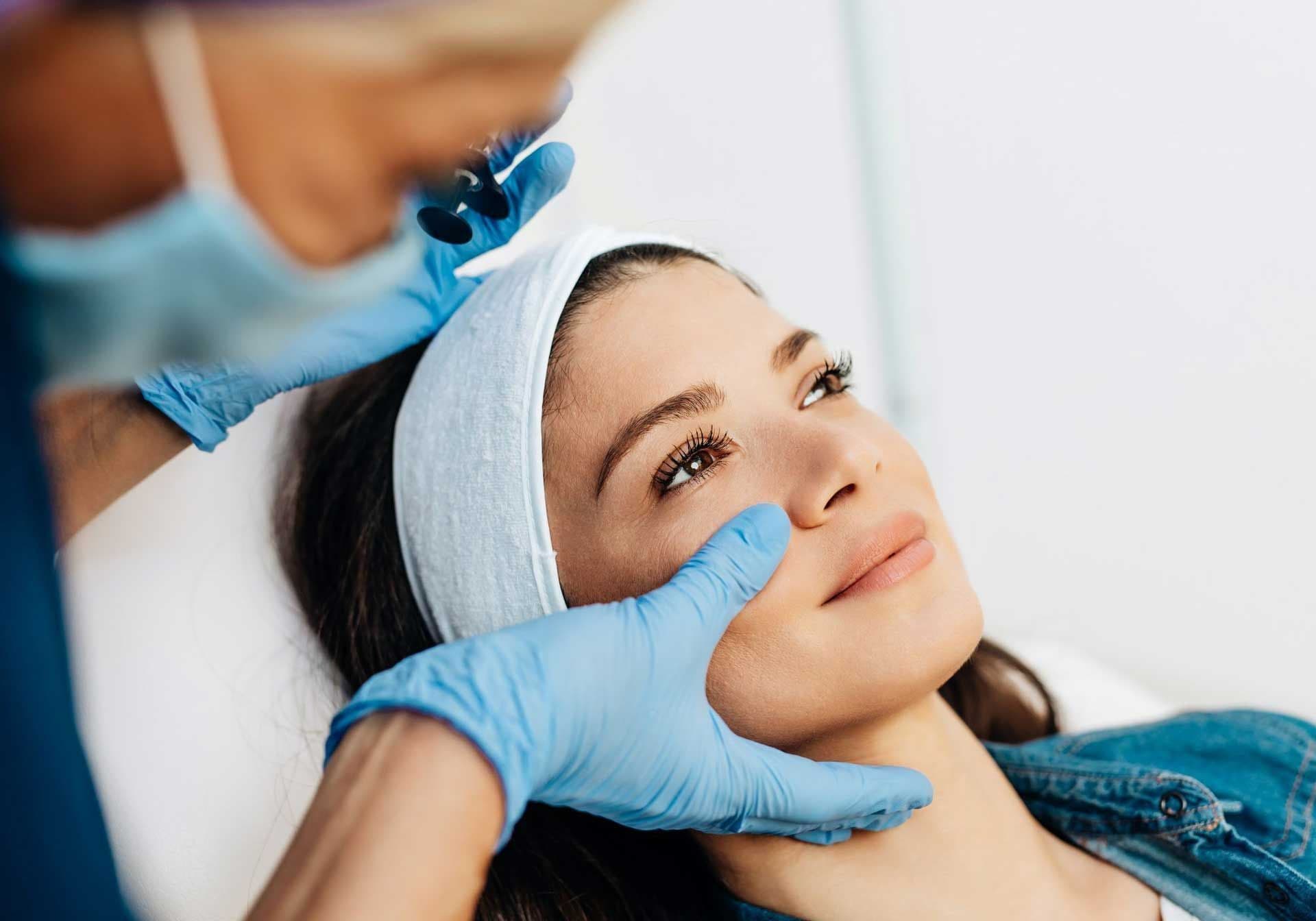
Cosmetic surgery abroad is a decision that combines medical, personal and practical questions. International patients often compare clinic experience, communication quality, recovery planning and travel logistics before deciding whether treatment in another country is right for them.
This guide explains why some people explore surgery abroad, what potential benefits they may see and which limits and safety points should be reviewed before making a decision. It is not intended to tell you what to do. It is designed to help you prepare clearer questions for qualified clinicians and care teams.
Why People Consider Cosmetic Surgery Abroad
There is rarely one single reason to look at surgery in another country. Most people consider a mix of access, timing, clinical experience and personal preference. Common reasons include:
- Local waiting times feel too long for the procedure they are considering
- They want to compare clinics that perform the same procedure frequently
- They are interested in specific techniques or combined treatments in one trip
- They want a short change of environment while they focus on recovery
These reasons can be useful starting points, but they should not decide the plan on their own. A qualified clinical team should review your health history, goals and suitability before any procedure is confirmed.
Potential Benefits of Having Surgery Abroad
When surgery abroad is planned carefully, some patients find that the journey becomes easier to understand and organize.
Access to different opinions and techniques. Looking outside your home country may help you compare how different teams explain the procedure, expected recovery, limitations and follow-up process. This comparison can support more informed conversations with clinicians.
More structured treatment and travel planning. Services that support international patients often focus on building a clear timeline. This may include remote consultation, pre-procedure tests, surgery date, early recovery checks and follow-up visits before travel home.
Coordinated non-medical support. Surgery travel involves more than the operating room. Patients often value help with airport transfers, basic language support, written schedules and local coordination. These services do not replace medical care, but they can make the practical side of the journey clearer.
Limits, Risks and Realistic Expectations
Cosmetic surgery is still surgery, wherever it takes place. Every procedure carries risk. Travel can also add practical considerations related to flights, time zones, distance from home and access to your usual support network.
Common limits to keep in mind include:
- Your body may not respond exactly as expected, even when the procedure is well planned
- More than one procedure or a revision may be needed over time
- Some results can change with aging, weight changes or healing differences
A trustworthy team should explain what surgery can and cannot achieve. They should also discuss situations where they may advise against certain procedures or combinations based on your health, safety and recovery needs.
Planning a Safe and Realistic Surgery Trip
Good planning can make a meaningful difference when arranging plastic surgery travel. Before committing, consider these practical steps:
- Share your medical history, current medicines and allergy information before travel
- Ask for clear written information about the proposed procedure in simple language
- Confirm how long you should stay near the clinic after surgery
- Arrange help at home for the first days or weeks after you return
- Save clinic contacts and local emergency numbers in your phone
General warning signs after surgery. Most recoveries are manageable, but you still need to know when urgent help may be needed. General red flags can include:
- Sudden chest pain or difficulty breathing
- Heavy bleeding that does not slow with gentle pressure
- High fever with chills or feeling very unwell
- New confusion, trouble speaking or weakness in the face or limbs
If symptoms like these appear, contact local emergency services or go to the nearest hospital without delay. Once you are safe, you can update your clinic or coordination team so they understand what happened.
Questions to Ask Before Choosing a Cosmetic Surgery Clinic Abroad
Before choosing a clinic abroad, it can help to prepare clear questions. This makes it easier to compare options, understand the proposed plan and know what support is available before, during and after travel.
- Who will review my case and explain whether this procedure may be suitable for me?
- What experience does the clinic have with this procedure for international patients?
- Who will perform the procedure and what qualifications should I review?
- Can I review relevant before and after photos during consultation?
- What is included in the treatment plan and what may change after an in-person assessment?
- How will follow-up care be handled before I travel home and after I return?
- What language support or coordinator support is available during the journey?
- What risks, limits and realistic expectations should I understand before deciding?
How Cura Can Support the Planning Process
Cura is not a clinic, hospital or medical provider. Cura helps international patients organize questions, compare clinic options, coordinate communication and plan the practical steps of care abroad. The medical decision should always be made with qualified clinicians who can review your individual case.
Choosing cosmetic surgery abroad should never feel rushed. Taking time to gather information, ask direct questions and understand the recovery plan can help you make a calmer and more informed decision. A structured approach gives you space to compare options while keeping safety, realistic expectations and follow-up planning at the center of the journey.
This article is for general information only. It does not replace advice from your own doctors or local healthcare services.