
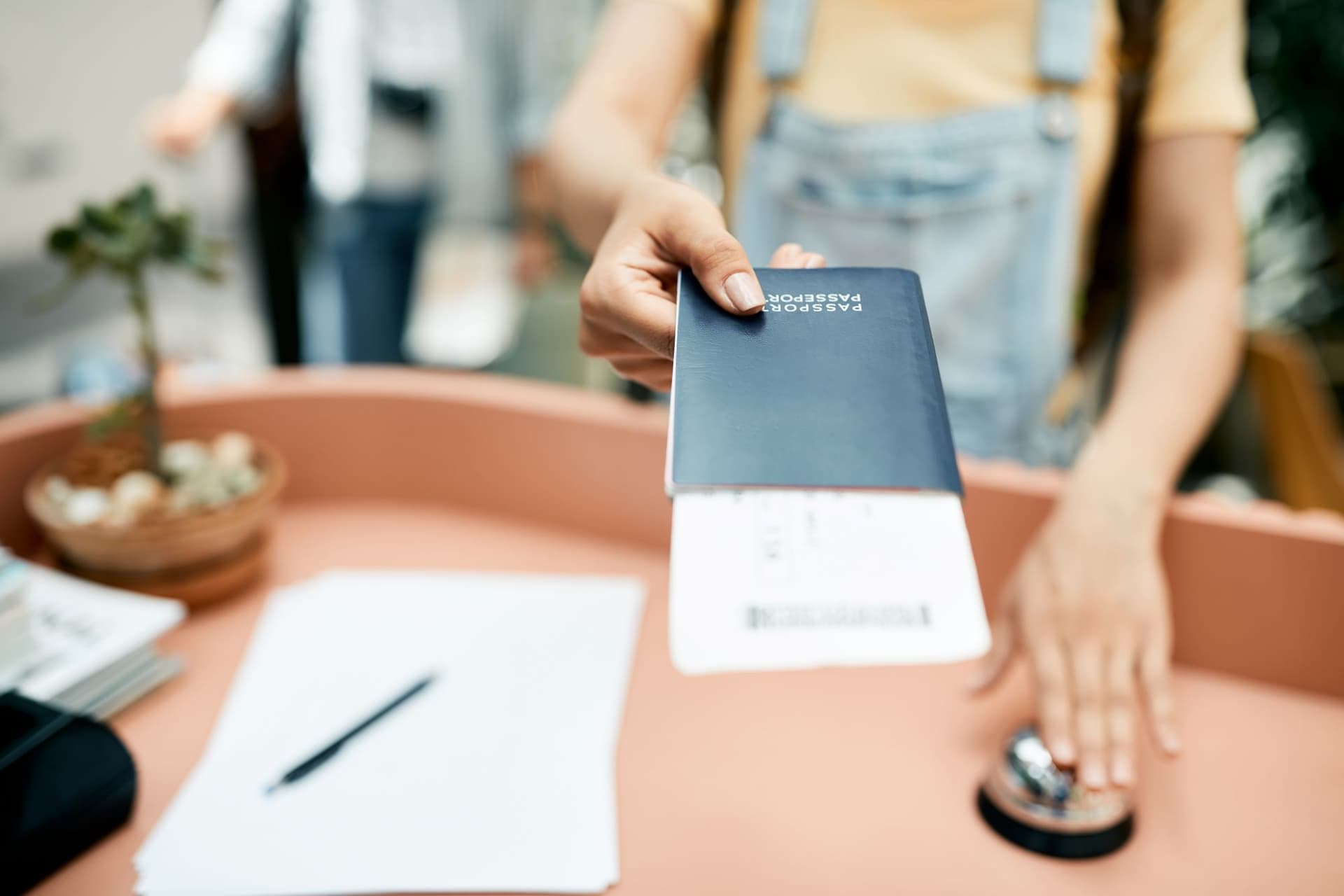
The process of receiving care abroad usually starts well before travel. A good preparation plan helps international patients organize health information, understand appointments, prepare for recovery and avoid preventable confusion during the journey.
This guide shares practical medical trip preparation steps for patients planning treatment abroad. It can help you build a realistic checklist, prepare questions and coordinate practical details, but it does not replace advice from your own doctors or local healthcare services.
Start with your health information
Clear health information helps clinicians understand your medical background before they comment on a possible treatment plan. Collecting it early also gives you time to translate, organize or update documents if needed.
- Ask your doctors for recent test results, imaging reports and clinic letters
- Write a list of medicines you take, including dose and timing
- Note any allergies to medicines, food or materials such as latex
- Record important diagnoses and previous operations with dates when possible
Keep your patient travel documents in a simple folder or secure digital file. Store one copy in your hand luggage so it stays with you during the trip.
Build your medical trip checklist
A clear checklist can reduce last minute stress. Start it early, update it as plans become clearer and keep the most important items easy to access.
Important items often include:
- Valid passport, visa and any required entry documents
- Travel and health insurance information if you have it
- Contact details for the clinic, accommodation and local emergency services
- Names and numbers of family or friends who should be informed about your plans
- Printed copies of booking confirmations for flights and accommodation
Add personal comfort items such as loose clothing, slip-on shoes and a lightweight scarf or layer if hospital rooms feel cool. Include basic hygiene items in travel size formats so your bag is easier to carry.
Packing for surgery and recovery
Packing for surgery abroad is different from packing for a holiday. You may spend more time resting in a hospital room or accommodation than visiting tourist areas, so prioritize comfort, access and recovery needs.
- Choose clothes that are soft, loose and easy to put on after treatment
- Pack any support garments or medical supplies the clinic recommended
- Bring a small notebook or use phone notes to track medicines and questions
- Download translation or navigation apps that work offline if internet access may be limited
Keep all medicines in their original packaging with labels that show your name and dose. Place them in your hand luggage along with a simple list of what each medicine is for. If you use medical devices such as a CPAP machine or glucose monitor, ask your airline about any special rules before travel.
Plan travel, accommodation and support
Practical medical tourism planning includes deciding where you will stay, how you will attend appointments and who can support you if you need help. Recovery is usually easier when transport, food and basic comfort are arranged before arrival.
When you book accommodation, consider:
- Distance from the clinic and how you will travel to appointments
- Whether there is a lift instead of many stairs
- Access to simple meals or a small kitchen area
- Quiet surroundings that support rest
If possible, travel with a trusted companion who can help carry bags, listen during consultations and notice changes in how you feel. If you travel alone, plan daily check-ins with someone at home and share your schedule with them.
Communicate clearly with your medical team
Clear communication is one of the most important parts of international patient support. Before you travel, ask which language your team uses most and whether translation support is available.
Questions that can help include:
- Who will be my main contact person before and after treatment?
- Which phone number or app should I use for updates or concerns?
- How will I receive written instructions about fasting, medicines and arrival time?
- How long should I plan to stay near the clinic after treatment?
Write the answers in your notebook or notes app so you can review them calmly later.
Questions to Ask Before Choosing a Clinic Abroad for Your Medical Trip
Before confirming a clinic abroad, it can help to prepare clear, practical questions. This makes it easier to compare options, understand the proposed plan and know what support is available before, during and after travel.
- Who will review my case and explain whether the proposed treatment may be suitable for me?
- What experience does the clinic have with this type of care for international patients?
- Who will perform or supervise the treatment and what qualifications do they have?
- What information can be reviewed remotely, and what must be confirmed during the in-person assessment?
- How will I receive written instructions before and after treatment?
- What follow-up process is available after I return home?
- What happens if the treatment plan changes after I arrive?
Stay safe during and after your trip
Many patients travel and recover without serious problems, but every procedure carries some risk. Your doctors should explain what normal recovery may look like for your specific treatment. It is also important to understand general warning signs that need urgent medical attention.
- Sudden chest pain or trouble breathing
- Heavy bleeding that does not slow
- High fever with chills or feeling very unwell
- New confusion, trouble speaking or weakness in the face or limbs
- Severe pain that keeps getting worse instead of slowly improving
If you notice symptoms like these, contact local emergency services or go to the nearest hospital without delay. Once you are safe, you can inform your clinic or coordination service so they understand what happened and can share relevant information with other doctors if needed.
Prepare your return and follow-up
Your plan should include the days after you leave the destination. Ask what recovery milestones to expect, when you can travel home and how follow-up will be handled if you have questions after returning.
Thoughtful preparation cannot remove all risk, but it can reduce avoidable confusion and help you feel more organized. By preparing health records, building a travel checklist, confirming communication channels and planning recovery abroad, you create a clearer foundation for your healthcare journey. Cura can support international patients by helping organize questions, compare clinic options, coordinate communication and plan practical steps around care abroad.
This article is for general information only. It does not replace advice from your own doctors or local healthcare services.